India's Strategic Balancing: Russia LNG Rejection and deal
India Navigates Complex Geopolitical Waters
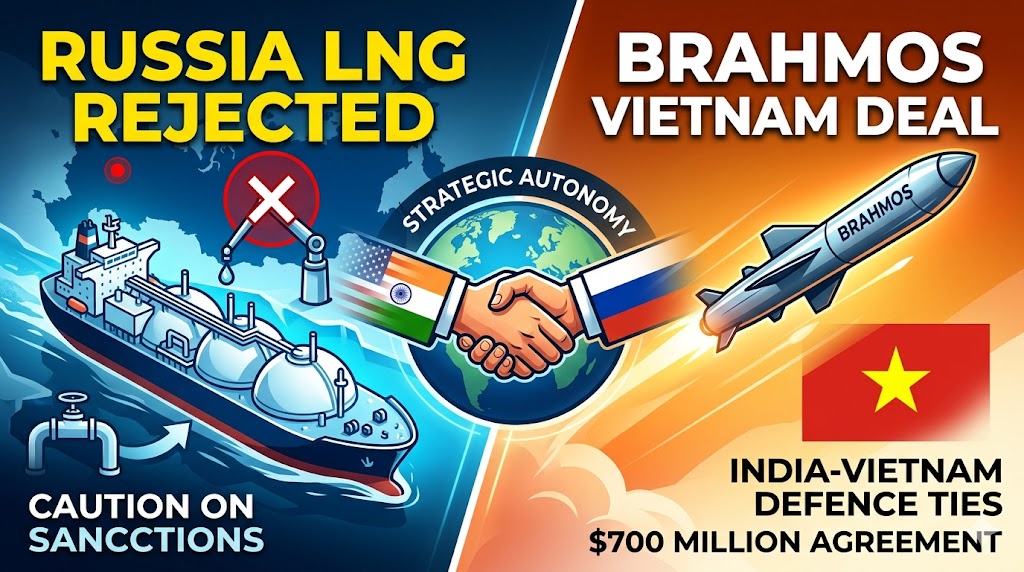
In a notable display of strategic prudence, India has rejected offers of Russian liquefied natural gas (LNG) linked to US sanctions, even as energy pressures mount from Middle East tensions. At the same time, New Delhi is advancing defence cooperation with Vietnam through a potential $700 million BrahMos missile agreement. These developments underscore India's careful balancing act in international relations, prioritizing energy security, defence self-reliance, and strategic partnerships without compromising key relationships.
The decisions reflect a broader approach to multi-alignment. As one of the world's fastest-growing major economies, India continues to assert its foreign policy independence while engaging major powers. The rejection of sanctioned Russian LNG highlights caution toward secondary sanctions risks, whereas the BrahMos Vietnam deal signals growing ambitions as a defence exporter and Indo-Pacific player.
This dual stance comes amid global uncertainties, including disruptions in energy markets and shifting alliances in Asia. Observers see these moves as emblematic of India's evolving role in geopolitics and defence.
The LNG Decision: Caution Amid Energy Needs
India's decision to decline Russian LNG cargoes subject to US sanctions marks a significant moment in its energy diplomacy. Despite facing potential shortfalls due to tensions in West Asia, including disruptions around key shipping routes, Indian authorities conveyed their position clearly during high-level discussions with Russian officials.
Reports indicate that a tanker carrying LNG from Russia's Portovaya plant, which falls under US sanctions, was destined for India but ultimately left in limbo. Indian buyers and terminal operators reportedly refused acceptance to avoid compliance risks. This stance was communicated to Russian Deputy Energy Minister Pavel Sorokin during his visit to New Delhi in late April.
India remains the largest buyer of Russian seaborne crude oil, benefiting from discounted supplies that have helped stabilize domestic fuel prices. However, the distinction with LNG appears rooted in concerns over tracking, documentation, and potential secondary sanctions. While talks continue on non-sanctioned cargoes, the refusal underscores a selective approach.
Context of Energy Security Challenges
Global energy markets have experienced volatility. Conflicts and tensions in the Middle East have affected oil and gas flows, prompting calls for conservation and diversification in India. Prime Minister Narendra Modi has emphasized reducing import dependence through measures like promoting electric mobility, greater use of renewables, and efficiency drives.
India imports over 85% of its oil needs. Russian supplies have filled critical gaps in recent years, but New Delhi remains wary of over-reliance on any single source or route vulnerable to geopolitical shocks. The LNG rejection, while limiting immediate options, aligns with efforts to maintain strong economic ties with the United States and Western partners.
Discussions with Russia are ongoing for permitted supplies, reflecting continued friendship while navigating international constraints. This pragmatic handling demonstrates India's ability to manage relationships with multiple stakeholders.
The BrahMos Spotlight: Deepening Ties with Vietnam
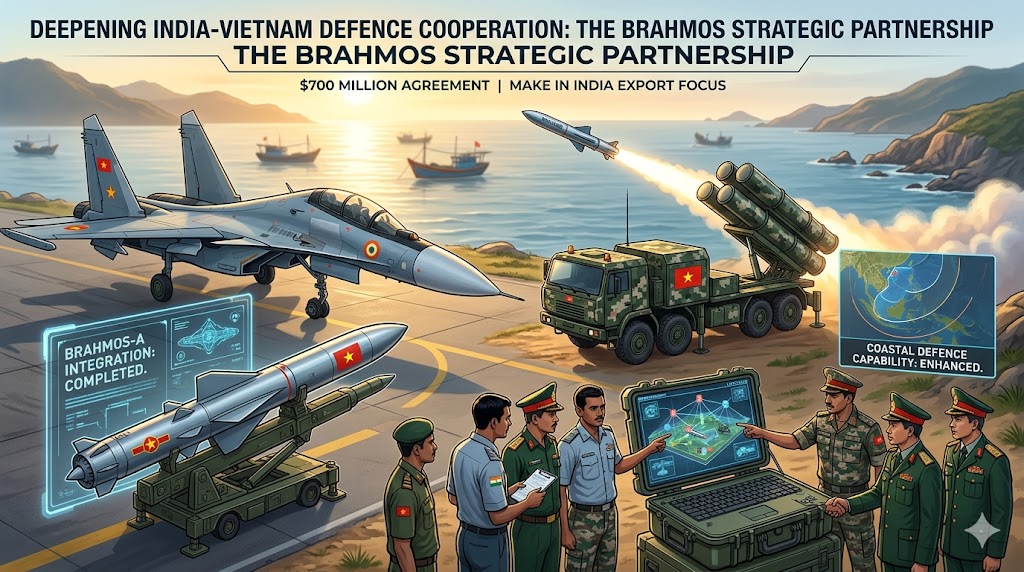
Parallel to energy developments, defence cooperation has taken center stage with Vietnam. Advanced negotiations for a $700 million deal involving BrahMos supersonic cruise missiles highlight India's growing export footprint and strategic convergence in the Indo-Pacific.
The BrahMos, a joint Indo-Russian venture, is renowned for its speed and precision. Capable of being launched from land, sea, and air platforms, it offers a potent deterrent. For Vietnam, acquiring the system would significantly bolster maritime defence capabilities, particularly in contested waters.
Talks gained momentum during Vietnamese President To Lam's visit to India. Officials from both sides, including meetings with Prime Minister Modi and Defence Minister Rajnath Singh, discussed expanding defence ties. If finalized, Vietnam would join the Philippines and Indonesia as a Southeast Asian recipient of the BrahMos system.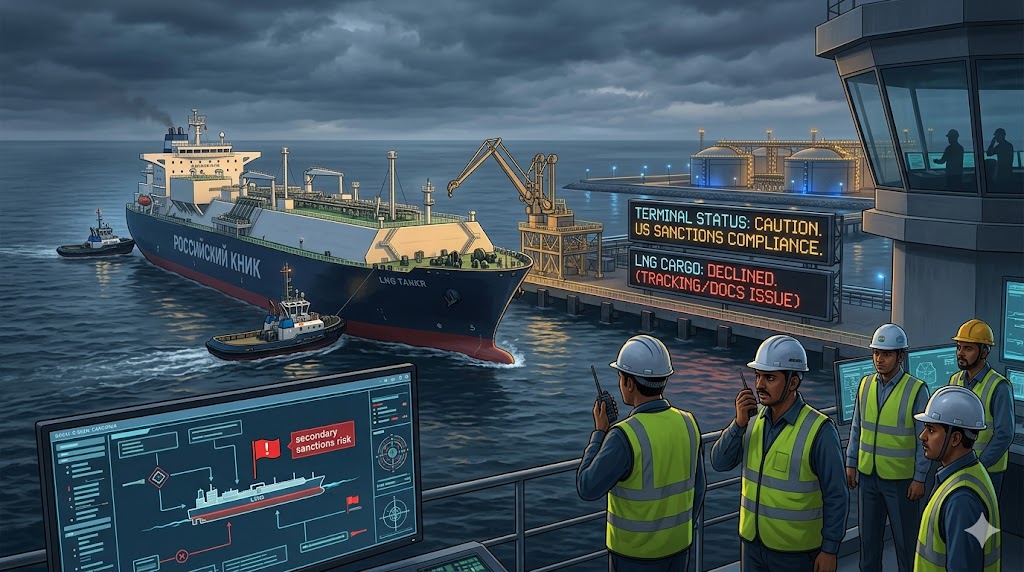
The Energy Caution Scene
Strategic Significance for Both Nations
For India, the potential BrahMos Vietnam deal represents more than commercial success. It advances the "Make in India" initiative and positions the country as a reliable defence partner. Exports help offset import costs, build technological expertise, and foster interoperability with friendly forces.
Vietnam, facing security challenges in the South China Sea, seeks to diversify its defence procurement beyond traditional suppliers. The BrahMos provides a battle-tested, non-Western option without certain strings attached to other systems. The deal could include training, logistical support, and integration with Vietnam's Su-30 aircraft fleet.
This partnership builds on longstanding India-Vietnam relations, rooted in shared historical and cultural ties as well as common interests in maritime security and a rules-based order.
Broader Geopolitical Context: Multi-Alignment in Practice
India's handling of the Russia LNG issue and the Vietnam defence outreach exemplifies its doctrine of strategic autonomy. New Delhi maintains robust energy and defence links with Russia while deepening strategic partnerships with the US, Japan, Australia, and ASEAN nations like Vietnam.
The United States has applied pressure regarding Russian energy imports, including tariffs and sanctions threats at times. Yet temporary waivers and pragmatic understandings have allowed continued trade within limits. India's refusal of sanctioned LNG may ease some friction while preserving access to discounted crude where feasible.
In the Indo-Pacific, the BrahMos Vietnam deal aligns with broader efforts to counterbalance assertive actions in regional seas. India participates in Quad initiatives while engaging BRICS and other forums, avoiding binary alignments.
Historical Perspective on India-Russia Ties
Defence and energy have long anchored India-Russia relations. From Soviet-era support to contemporary collaborations like BrahMos, the partnership has endured geopolitical shifts. Recent challenges, including the Ukraine conflict and Western sanctions, have tested but not broken these bonds.
India continues to diversify. Increased US energy imports and technology partnerships complement rather than replace traditional ties. The LNG decision illustrates boundaries within this relationship.
Implications for Defence Exports and Atmanirbhar Bharat
The potential $700 million BrahMos Vietnam deal is part of a larger push to elevate India's defence industry. Success with Vietnam could open doors to other interested nations in Asia, Africa, and beyond. India aims to boost annual defence exports significantly in coming years.
BrahMos Aerospace has refined the system over two decades. Its supersonic capabilities have drawn attention globally. Export controls and technology safeguards remain priorities to protect intellectual property and strategic edge.
For the Indian armed forces, greater production volumes from exports can lower unit costs and accelerate indigenization efforts. This virtuous cycle supports self-reliance goals.
Economic and Energy Dimensions
Rejecting sanctioned LNG does not signal a retreat from Russian energy. India continues exploring diversified LNG sources, including from the US, Qatar, and Australia, alongside domestic exploration and renewable scaling.
Higher global prices due to supply disruptions affect trade balances. Measures to conserve fuel and promote alternatives aim to mitigate impacts on consumers and the economy.
The BrahMos deal, meanwhile, promises foreign exchange inflows and job creation in India's defence corridor projects. Technology transfer aspects could further strengthen manufacturing capabilities.
Regional and Global Ramifications
In Southeast Asia, strengthened India-Vietnam defence ties contribute to regional stability. ASEAN nations value partners who respect sovereignty and provide capable systems without political preconditions.
For Russia, the LNG episode highlights challenges in energy markets under sanctions. Yet continued crude trade with India and potential non-sanctioned LNG deals maintain important revenue streams.
The United States observes these developments closely. While preferring reduced Russian energy dependence, Washington recognizes India's role as a counterweight in Asia and a major defence market.
China factors into the calculus indirectly. Both India and Vietnam maintain complex relations with Beijing. Enhanced cooperation between New Delhi and Hanoi adds layers to regional dynamics without direct confrontation.
Challenges and Future Outlook
Implementing the BrahMos deal will require navigating regulatory approvals, financing, and integration challenges. Training and maintenance infrastructure will be crucial for Vietnam's effective utilization.
On the energy front, India must balance short-term needs with long-term sustainability. Investments in strategic reserves, alternative suppliers, and green hydrogen could enhance resilience.
Geopolitical risks remain fluid. Escalations in West Asia or other hotspots could reshape energy flows again. Diplomatic agility will be essential.
Experts anticipate continued growth in India-Vietnam ties across defence, trade, and technology. Rare earth minerals and maritime cooperation offer additional avenues.
India's defence export trajectory appears promising. With systems like BrahMos gaining international recognition, further deals could follow, solidifying New Delhi's position in the global arms market.
The BrahMos Strategic Partnership
Conclusion: Pragmatism Defines India's Approach
India's rejection of Russian LNG under US sanctions alongside progress on the $700 million BrahMos Vietnam deal illustrates a coherent strategy of calibrated engagement. New Delhi prioritizes national interests—energy affordability, defence modernization, and regional influence—while managing relationships across power centers.
This multi-alignment serves India well in an era of uncertainty. As global power shifts continue, such pragmatic decisions will shape not only bilateral ties but also broader Indo-Pacific architecture and international energy security.
The coming months will reveal more details on both the energy discussions and the defence agreement. For now, these developments affirm India's growing confidence on the world stage, charting an independent course amid complex geopolitics and defence imperatives.
Stakeholders from industry, diplomacy, and strategic communities will watch closely. India's choices continue to influence supply chains, security equations, and the evolving multipolar order.