Corporate Friction: AI Adoption Mandates Strain Tech Giants
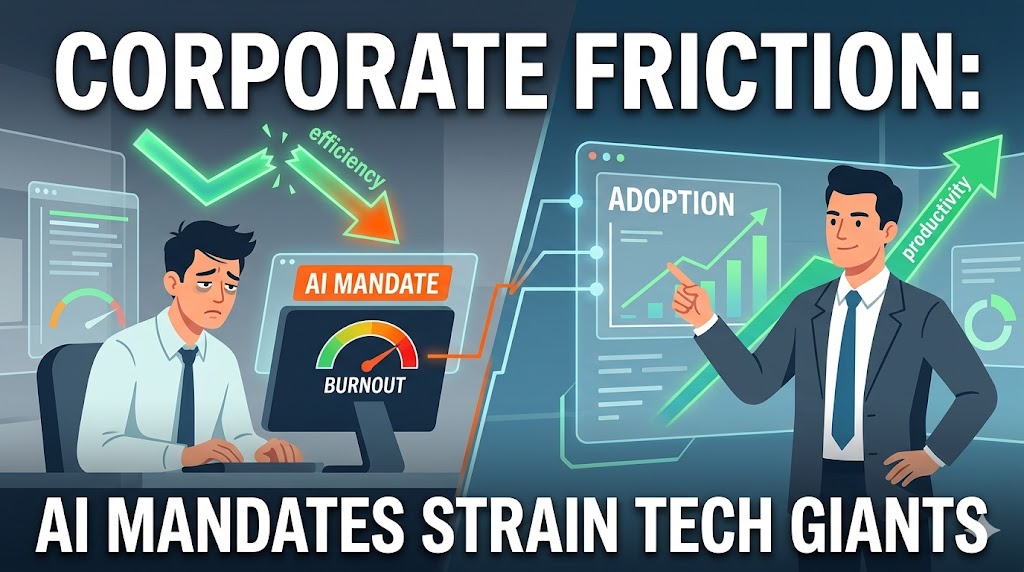
In the high-stakes world of Silicon Valley and beyond, the push for artificial intelligence has transformed from an exciting opportunity into a source of significant tension. Major tech companies are rolling out strict internal AI-adoption mandates with the goal of boosting efficiency and staying competitive. Yet this top-down approach is creating what insiders call corporate friction—a growing divide between executive ambitions and employee realities.
Employee burnout and quiet resistance have emerged as serious obstacles. Surveys reveal that up to 80% of white-collar workers are bypassing or rejecting company AI tools, while many report heightened stress and mental fatigue from constant pressure to integrate these technologies. This article examines the multifaceted challenges facing tech giants, the root causes of this friction, real-world examples, and practical paths forward.
Understanding Corporate Friction in the AI Era
Corporate friction refers to the organizational resistance, cultural clashes, and human costs that arise when companies impose rapid technological changes without adequate support. In the context of AI, it manifests through mismatched expectations between leadership and staff, leading to disengagement, reduced productivity, and even subtle sabotage of initiatives.
Unlike past technology rollouts, AI touches the core of creative and cognitive work. It challenges professional identity, autonomy, and job security. When mandates feel coercive rather than collaborative, friction intensifies. Executives often view AI as a straightforward productivity lever, but employees experience it as an additional burden layered onto existing workloads.
The Rise of Strict AI-Adoption Mandates
Several prominent tech firms have made AI usage a core expectation. Companies like Shopify have positioned proficiency in AI as fundamental, while others tie it to performance reviews and promotions. Accenture has signaled that senior staff risk missing advancement without demonstrated AI use. Meta and Google have embedded AI deeply into workflows, sometimes with monitoring elements that raise additional concerns.
These mandates often come with ambitious targets: increased output, faster decision-making, and reduced headcount in some areas. Budgets for digital transformation have surged—rising 38% year-over-year in some reports—yet adoption frequently lags, with significant portions of investment underperforming due to human factors.
Employee Burnout: The Hidden Cost of AI Mandates
One of the most pressing issues is the surge in burnout. Workers report that AI tools, rather than lightening loads, often create "brain fry"—mental fatigue from constantly supervising outputs, switching between tools, and learning new systems on top of regular duties. Studies indicate that frequent AI users experience higher burnout rates, with some surveys showing 66% of American employees affected in recent periods.
Younger workers, particularly Gen Z, feel this acutely. The pressure to upskill rapidly while maintaining performance leads to anxiety and overwhelm. Many describe AI training as a "second job," with unclear role definitions amplifying stress. When expectations rise without workload adjustments or proper integration, exhaustion sets in.
This burnout is not uniform. Individual contributors often feel more anxious than excited C-suite leaders, highlighting a perception gap that fuels further friction.
Documenting Employee Burnout
Forms of Resistance in Tech Companies
Resistance takes many shapes, from passive avoidance to active pushback. Reports indicate that over half of knowledge workers may bypass official tools, opting for manual work or unapproved alternatives (shadow AI). Some admit to subtle sabotage, such as feeding incorrect data or refusing engagement.
At Meta, plans to track keystrokes and mouse movements for AI training sparked internal protests, with employees expressing discomfort over surveillance and fears of training their own replacements. Google has seen employee letters opposing certain AI applications, echoing past ethical concerns.
This is not blanket opposition to technology. Many employees use AI personally and see its potential. The resistance targets poorly implemented mandates that ignore human needs for autonomy, competence, and relatedness.
Case Studies: Tech Giants Under Pressure
Meta Platforms: Aggressive AI pushes, including data-tracking initiatives for model training, have led to flyers protesting "employee data extraction" and concerns over a planned 10% workforce reduction. Employees worry about surveillance and job impacts.
Google: Renewed military AI collaborations have prompted hundreds of employees to sign open letters, reflecting ongoing ethical tensions alongside internal adoption challenges.
Amazon and Others: Internal debates over tool selection and mandates highlight pushback even in companies investing heavily in AI partnerships. Broader industry patterns show similar dynamics at Microsoft, with varying success in balancing enforcement and support.
These examples illustrate how corporate friction varies but consistently stems from rapid change without sufficient buy-in.
Root Causes of Corporate Friction
Several factors drive these challenges:
Job Insecurity and Identity Threats: Workers fear AI as a competitor rather than a collaborator, especially in knowledge work.
Lack of Training and Support: Mandates often outpace preparation, leaving employees to figure things out amid deadlines.
Increased Cognitive Load: Juggling AI tools can lead to decision fatigue and errors, counteracting productivity gains.
Poor Change Management: Top-down approaches overlook psychological needs, eroding trust.
Cultural and Generational Differences: Leaders may be more optimistic, while frontline staff face practical hurdles.
Executives sometimes overestimate risks of shadow AI while underestimating disengagement from forced adoption.
Impact on Productivity and Innovation
Ironically, aggressive mandates can hinder the very goals they seek. Underperforming adoption wastes resources, while burned-out teams produce lower-quality work and innovate less. High AI users sometimes show stronger bonds with tools than colleagues, potentially increasing isolation.
Long-term, unchecked friction risks higher turnover, especially among skilled employees who can easily find opportunities elsewhere. Companies face a talent retention crisis amid talent wars in tech.
Strategies to Reduce Corporate Friction
Successful organizations address these issues through human-centered approaches:
1. Involve Employees Early: Co-create adoption plans and gather feedback through pilots rather than mandates.
2. Provide Comprehensive Training: Integrate learning into paid time with clear, role-specific guidance and ongoing support.
3. Redesign Roles and Workloads: Adjust expectations to account for AI supervision and maintenance tasks.
4. Emphasize Autonomy: Offer tool choices where possible and focus on outcomes rather than usage metrics.
5. Address Well-Being: Monitor for burnout signals and offer resources like mental health support tailored to tech demands.
6. Transparent Communication: Bridge the excitement gap by sharing realistic benefits and risks openly.
Frameworks like AWARE (addressing competence, autonomy, and relatedness) show promise in reducing resistance.
The Path Forward for Tech Leaders
Tech companies stand at a crossroads. Continued reliance on strict mandates risks deepening corporate friction, while thoughtful integration can unlock AI's true potential. Leaders must shift from enforcement to empowerment, treating employees as partners in transformation.
This requires investment not just in technology but in culture, training, and empathy. Companies that prioritize the human element will likely outperform those that do not, retaining talent and achieving sustainable gains.

Supportive Solutions in Action
Conclusion
Corporate friction surrounding AI adoption mandates represents one of the defining challenges for major tech companies today. Employee burnout and resistance signal deeper issues in how change is managed in the digital age. By acknowledging these realities, learning from current examples, and implementing supportive strategies, organizations can transform tension into collaboration.
The future of work with AI depends less on the sophistication of the tools and more on the wisdom with which they are introduced. Tech giants that navigate this friction successfully will set the standard for responsible innovation, benefiting both their workforce and their bottom line.