Iran Threatens US as Trump Warns Ceasefire on Life Support
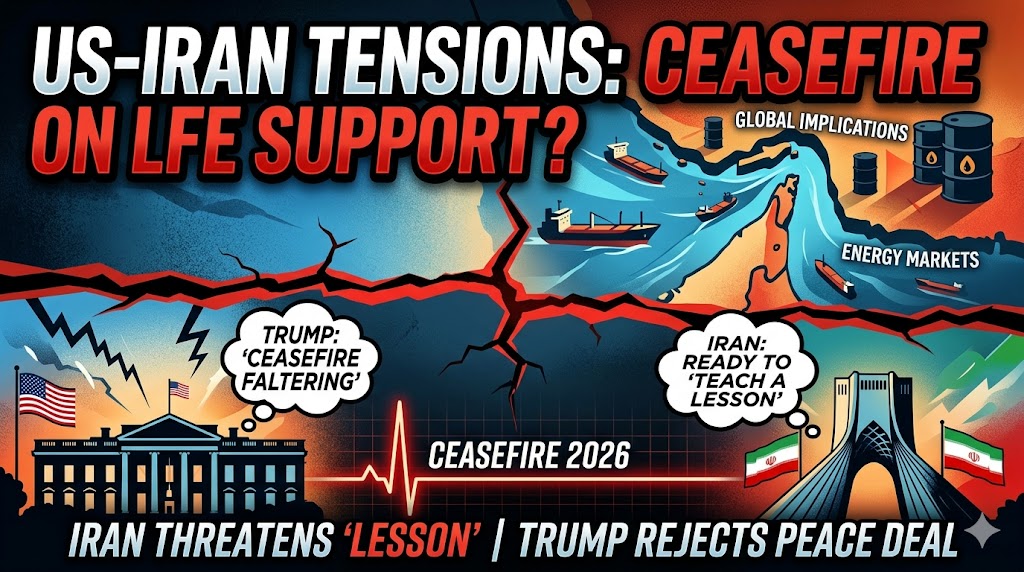
Tensions between the United States and Iran have escalated sharply once again, with Tehran issuing strong warnings of retaliation and President Donald Trump describing the fragile ceasefire as being "on life support." The latest exchange comes as diplomatic efforts to end the ongoing conflict appear to be stalling, raising concerns about a potential return to full-scale hostilities in the Middle East.
On May 12, 2026, Iran's parliament speaker Mohammad Bagher Ghalibaf stated that the country's armed forces stand ready "to teach a lesson" to any aggressor. This declaration followed President Trump's blunt rejection of Iran's latest response to a US peace proposal, in which he criticized the counteroffer as unacceptable and warned that the month-long ceasefire is hanging by a thread.
This article provides a detailed examination of the current crisis, background to the conflict, key statements from both sides, potential implications for global security and energy markets, and what may lie ahead.
Background of the 2026 US-Iran Conflict
The current tensions stem from a broader confrontation that intensified earlier in 2026. The conflict, which has involved direct military exchanges between US and Iranian forces, centers on critical issues including Iran's nuclear program, control of the strategically vital Strait of Hormuz, and longstanding sanctions.
A conditional ceasefire was established in early April 2026, mediated in part by Pakistan. This truce aimed to halt direct hostilities and reopen vital shipping lanes. However, the agreement has been repeatedly tested by incidents at sea, missile exchanges, and deep disagreements over core demands from both sides.
The Strait of Hormuz, through which approximately 20% of global oil trade passes, has been a focal point. Disruptions there have already driven up energy prices worldwide, affecting economies far beyond the region.
Trump's Rejection of Iran's Peace Proposal
President Trump, speaking to reporters, expressed clear frustration with Iran's latest counterproposal delivered through mediators. He described the document as "totally unacceptable" and indicated he did not even finish reading it, calling it a "piece of garbage."
In characteristic direct language, Trump stated that the ceasefire is "on massive life support," comparing its condition to a patient with only a slim chance of survival. He emphasized that any lasting agreement must include significant concessions on Iran's nuclear activities and measures to ensure the free flow of maritime traffic through the Strait of Hormuz.
This stance reflects the administration's firm position that Iran must roll back its nuclear program and cease actions perceived as threatening regional stability and international shipping. Trump has previously warned of resuming military operations if diplomatic efforts fail.
Iran's Strong Warning: Ready to "Teach a Lesson"
In direct response, Mohammad Bagher Ghalibaf, Speaker of the Iranian Parliament, posted on social media that Iran's military is fully prepared to respond decisively to any aggression. "Our armed forces are ready to respond and to teach a lesson for any aggression," he declared.
Iranian officials have also warned of "bad results" from any new US attacks and reiterated their determination to protect national interests, including sovereignty over key waterways. Tehran has accused Washington of making unreasonable demands and dragging out negotiations, while insisting on broader discussions that address sanctions relief and recognition of its security concerns.
This rhetoric underscores Iran's resolve not to appear weak in the face of pressure, even as the country faces significant economic and military challenges from prolonged conflict.
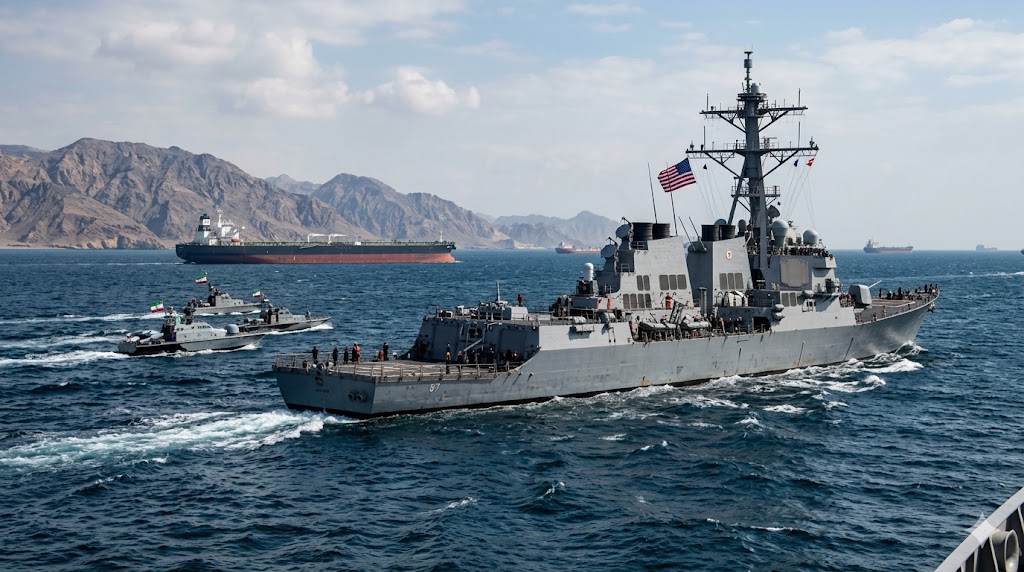
Tensions at Sea: An Arleigh Burke-class destroyer and an Iranian frigate maintain a high-alert stance near the Strategically crucial Strait of Hormuz
Timeline of Recent Developments
Early April 2026: Pakistan-mediated ceasefire takes effect after weeks of intense fighting.
Late April to Early May:Sporadic incidents test the truce, including naval exchanges in the region.
May 10, 2026:Iran delivers its formal response to the latest US peace proposal.
May 11-12, 2026: President Trump publicly rejects the proposal and warns the ceasefire is faltering. Iran's parliament speaker issues a strong retaliation threat.
Throughout this period, both sides have maintained military alertness while engaging in back-channel diplomacy.
Broader Regional and Global Implications
The renewed war of words comes against a backdrop of related tensions, including Israeli operations against Iranian-backed groups in Lebanon and concerns over wider escalation involving multiple actors in the Middle East.
Economic Impact: Oil prices have surged in response to uncertainty, contributing to higher fuel costs globally. Prolonged closure or threats to the Strait of Hormuz could exacerbate energy shortages and inflation.
Humanitarian and Strategic Concerns: A breakdown of the ceasefire could lead to renewed large-scale military action, with significant risks to civilian populations, shipping, and regional stability. International observers are closely monitoring the situation for any signs of imminent escalation.
Diplomatic Efforts: Pakistan continues to play a mediating role, while other international players watch developments carefully. The involvement of multiple stakeholders adds layers of complexity to finding a sustainable resolution.
Analysis: Why the Ceasefire Remains Fragile
Several factors contribute to the precarious nature of the current truce:
1. Core Disagreements: Fundamental differences persist over Iran's nuclear ambitions, ballistic missile capabilities, and regional influence.
2. Trust Deficit: Years of hostility and broken agreements have eroded confidence between the parties.
3. Domestic Pressures: Both leaders face internal expectations to project strength and protect national interests.
4. External Influences: Actions by proxy groups and involvement of other regional powers complicate direct US-Iran negotiations.
Experts note that while both sides appear interested in avoiding an all-out war, the margin for error is narrowing as patience wears thin.
Potential Paths Forward
Several scenarios could unfold in the coming days and weeks:
Renewed Diplomacy: Intensified mediation efforts might yield a revised proposal acceptable to both sides, possibly involving additional incentives or phased implementation.
Managed Tension: The ceasefire could limp along with occasional incidents but without full collapse, as both parties weigh the high costs of renewed conflict.
Escalation: If one side perceives a direct threat or unacceptable provocation, military action could resume, potentially drawing in more actors.
US officials have indicated that contingency plans exist for various outcomes, while Iran has signaled readiness for any contingency.
International Reactions and Stakeholder Views
The international community has expressed concern over the rising tensions. European nations and Asian powers dependent on Middle Eastern energy have urged restraint and a return to meaningful talks. China and Russia, traditional partners of Iran, have also called for de-escalation while criticizing aspects of US policy.
Within the United States, opinions remain divided along familiar lines, with some advocating a hardline approach and others pushing for renewed diplomatic engagement.
Conclusion
The latest exchange between Iran and the United States highlights the extreme fragility of the 2026 ceasefire. With Iran threatening to "teach a lesson" in response to any new attacks and President Trump declaring the truce "on life support," the region stands at a critical juncture.
As negotiations hang in the balance, the stakes extend far beyond the two primary parties. Global energy security, regional stability, and the prospects for long-term peace in the Middle East all depend on whether cooler heads can prevail and find common ground.
The coming days will be decisive. Continued diplomatic engagement, possibly with broader international involvement, offers the best hope for preventing a dangerous escalation. For now, all eyes remain on Washington and Tehran as the world waits to see whether the fragile ceasefire can be strengthened or if it will finally collapse under the weight of unresolved differences.
This situation continues to evolve rapidly. Reliable updates from official sources and reputable international news organizations will be essential for understanding further developments.