Iran Holds Trigger, Awaits Negotiated Settlement with US
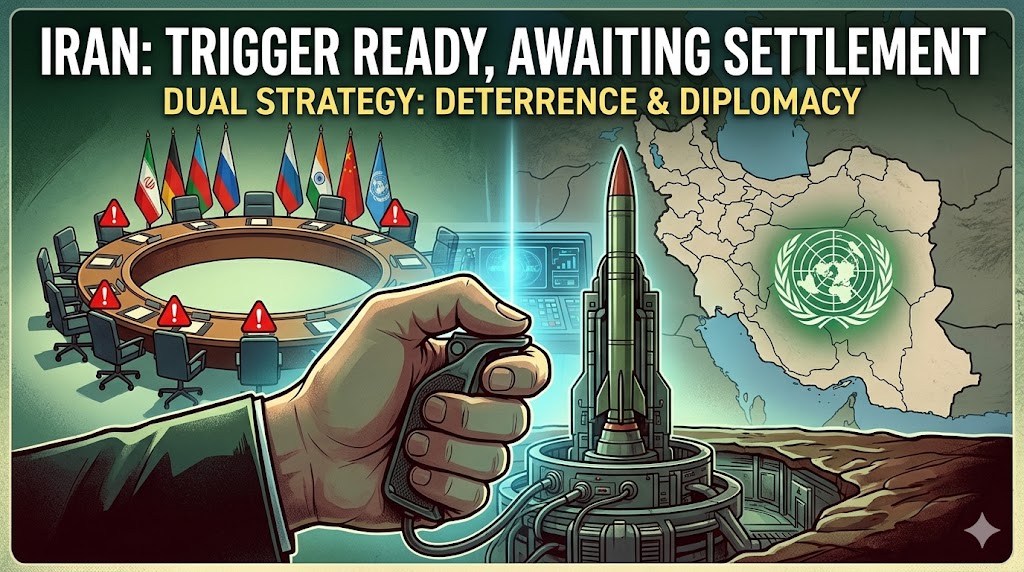
In a carefully worded public statement, an Iranian government spokesperson has signaled that Tehran remains ready for potential escalation while prioritizing a negotiated settlement to the current standoff. The remark “We are still holding the trigger” underscores Iran’s dual-track approach of maintaining military preparedness alongside openness to diplomacy following weeks of intense regional conflict.
This latest communication from Tehran comes as a fragile ceasefire holds across the region after U.S. and Israeli military operations under Operation Epic Fury. The statement reflects Iran’s strategic positioning as international mediators explore pathways toward a lasting resolution.
This comprehensive article examines the spokesperson’s comments in detail, the broader geopolitical context, Iran’s strategic calculus, potential negotiation frameworks, and the implications for regional stability and global energy markets.
The escalation that began in late February 2026 dramatically altered the security landscape in the Middle East. Coordinated strikes targeted Iranian nuclear sites, missile production facilities, and proxy networks, prompting retaliatory actions that brought the region to the brink of wider war.
Despite significant damage to its infrastructure, Iran has demonstrated resilience and a willingness to absorb pressure while keeping diplomatic channels open. The current ceasefire, though imperfect, has provided a window for both sides to reassess objectives.
Iranian officials have repeatedly emphasized that while they seek to avoid full-scale war, they will not accept what they describe as “humiliating dictates” imposed through military force. The spokesperson’s recent comments align with this long-standing position.
Full Analysis of the Spokesperson’s Statement
The phrase “We are still holding the trigger” carries layered meaning. On one level, it serves as a deterrent message, reminding adversaries that Iran retains significant retaliatory capabilities, including advanced missile systems, asymmetric warfare options through regional proxies, and potential disruption of maritime traffic in critical chokepoints.
Simultaneously, the emphasis on waiting for a “negotiated settlement” indicates strategic patience. Iranian leadership appears to calculate that time may work in their favor as international attention shifts toward de-escalation and economic recovery.
Key elements of the statement include:
Acknowledgment of military readiness without immediate intent to strike
Reaffirmation of preference for diplomatic solutions
Implicit warning against further provocative actions by opponents
Positioning Iran as a responsible actor open to talks under fair conditions
This balanced rhetoric is typical of Iranian diplomatic communication, designed to appeal to both domestic audiences and international observers.
Iran’s Strategic Position Post-Conflict
Despite sustaining losses, Iran maintains several advantages in the current environment:
Military Posture
Iran’s dispersed missile forces and underground facilities proved more resilient than some analysts predicted. Retaliatory salvos demonstrated the reach and sophistication of its arsenal, even if interception rates were high.
Economic and Energy Leverage*
As a major oil producer, Iran can influence global energy prices. Any renewed disruption in the Strait of Hormuz would carry severe consequences for the world economy.
Diplomatic Networks
Tehran continues to engage with Russia, China, and European powers, seeking to internationalize the issue and dilute unilateral pressures.
Domestic Resilience
While sanctions and conflict have strained the economy, Iranian leadership has historically used external threats to consolidate internal support.
These factors contribute to Tehran’s confidence in pursuing negotiations from a position of relative strength rather than desperation.
Potential Frameworks for a Negotiated Settlement
Several pathways toward resolution have emerged in recent weeks:
1. Nuclear-Related Agreement
Revival or modification of the JCPOA framework with updated verification mechanisms and sanctions relief timelines.
2. Regional Security Pact*
Broader discussions addressing Iran’s ballistic missile program, proxy activities, and Gulf security concerns in exchange for normalized relations and economic integration.
3. Step-by-Step De-escalation
Interim confidence-building measures, including mutual restraint on strikes, limited sanctions easing, and enhanced IAEA monitoring.
4. Multilateral Mediation
Involvement of neutral parties such as Oman, Qatar, or China to facilitate indirect talks between Iran, the United States, and Israel.
Iran has consistently signaled willingness to engage if core interests—particularly sovereignty and economic relief—are respected.
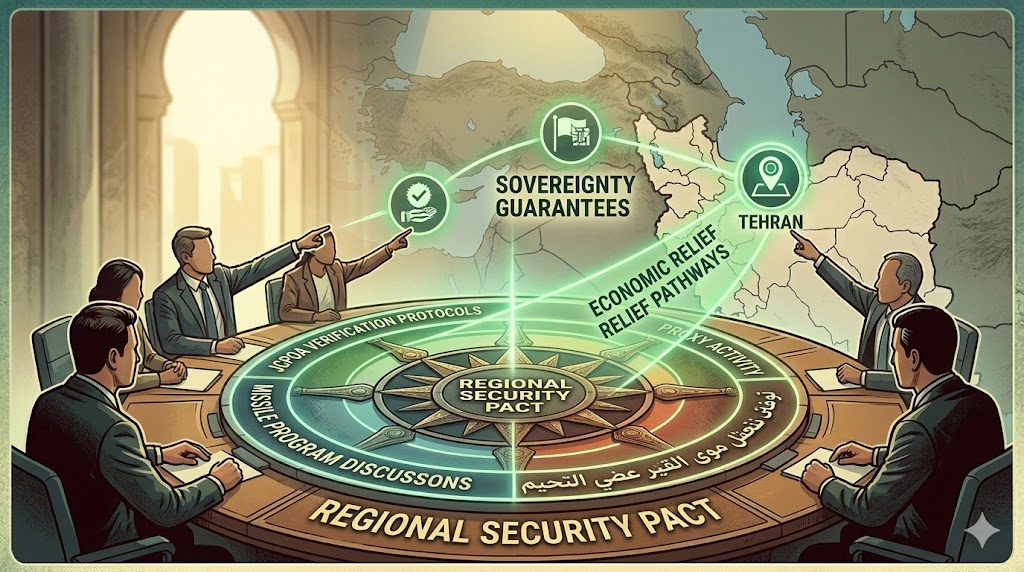
This diagram illustrates the complex, multi-layered round table required for a "Regional Security Pact
Challenges and Obstacles to Negotiations
Despite apparent openness, significant hurdles remain:
Trust Deficit
Years of broken agreements and mutual accusations have eroded confidence on all sides.
Domestic Politics
Hardliners in Iran and Israel may oppose concessions, complicating compromise.
Verification Issues
Ensuring compliance with any nuclear or military restrictions presents technical and political challenges.
Regional Proxy Dynamics
Containing tensions involving Hezbollah, Houthis, and other groups adds complexity beyond bilateral U.S.-Iran dynamics.
U.S. Political Calendar
Approaching elections and shifting congressional priorities could influence negotiation timelines.
Experts caution that while a settlement appears desirable, the path forward will likely involve protracted, difficult bargaining.
Economic and Humanitarian Dimensions
The conflict has inflicted substantial costs on the Iranian economy through damaged infrastructure, disrupted oil exports, and heightened sanctions enforcement. Reconstruction needs are estimated in the tens of billions of dollars.
Humanitarian concerns also loom large. Civilian casualties, displacement, and strain on medical systems have generated calls for targeted relief measures as part of any settlement package.
A successful negotiated outcome could unlock frozen assets, ease banking restrictions, and facilitate renewed trade—benefits Tehran clearly seeks while maintaining its strategic posture.
International Reactions and Stakeholder Perspectives
United States
U.S. officials have welcomed Iran’s expressed interest in negotiations while stressing that any deal must verifiably prevent nuclear weapon development and reduce regional threats.
Israel
Israeli leaders remain skeptical, emphasizing the need for concrete actions rather than statements. Jerusalem continues to monitor Iranian activities closely.
European Union and China
Both have expressed support for diplomatic resolution, with Europe focusing on nuclear non-proliferation and China prioritizing stability for energy security and Belt and Road interests.
Gulf Arab States
Many Gulf nations quietly support de-escalation while seeking guarantees against Iranian interference in their internal affairs.
This broad international interest creates both opportunities and complications for reaching a comprehensive settlement.
Looking Ahead: Scenarios and Strategic Implications
Several potential scenarios emerge:
Optimistic Path
Successful multilateral talks lead to a durable agreement within months, reducing tensions and allowing economic recovery across the region.
Pessimistic Path
Breakdown in communications leads to renewed incidents that could spiral into broader confrontation.
Most Likely Path
Prolonged, incremental negotiations with periodic flare-ups as both sides test boundaries while inching toward compromise.
For global markets, the trajectory of these talks carries significant weight. Energy prices, defense stocks, and shipping insurance rates all remain sensitive to developments in Tehran’s negotiating stance.
Conclusion: Balancing Deterrence and Diplomacy
Iran’s statement that it is “still holding the trigger” while awaiting a negotiated settlement encapsulates the complex reality of contemporary Middle East geopolitics. It reflects a sophisticated strategy that combines credible deterrence with diplomatic flexibility.
As stakeholders assess the path forward, the coming weeks and months will prove decisive. Successful negotiations could mark a turning point toward greater stability, while failure risks renewed violence with even higher costs for all parties involved.
The international community will continue watching closely as Iran balances its stated preference for diplomacy against its demonstrated willingness to defend core interests. Ultimately, any lasting settlement must address the legitimate security concerns of all regional actors while providing Iran with dignified pathways to economic and political reintegration.
The delicate balance between holding the trigger and pursuing talks defines the current moment—one that demands careful statesmanship from all capitals involved.