Pentagon official Updates US - Iran War Cost to $29 Billion
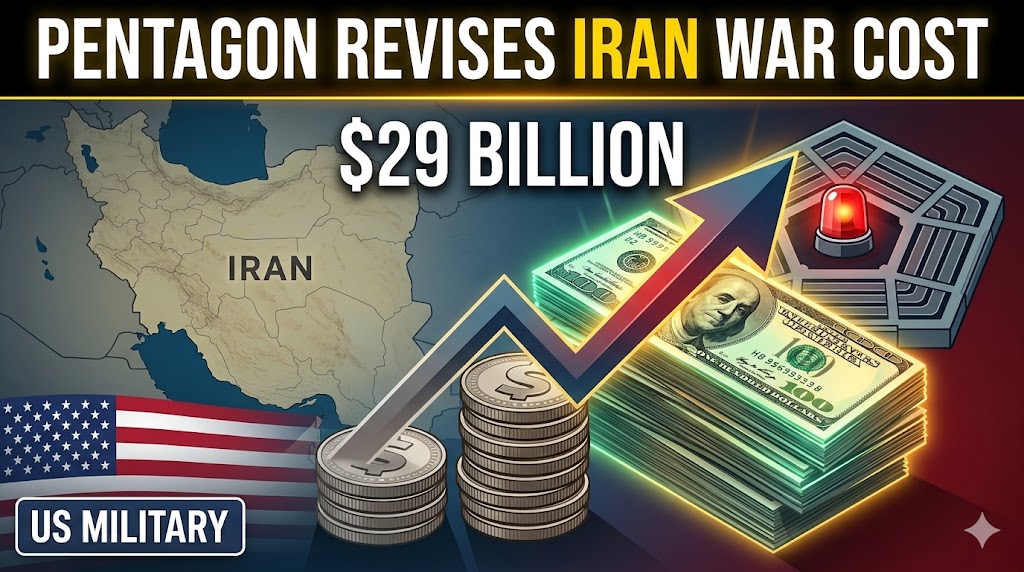
In a significant update delivered to lawmakers on Tuesday, a top Pentagon official revealed that U.S. military operations related to the conflict with Iran have now reached an estimated $29 billion. This marks a $4 billion increase from the $25 billion figure provided just weeks earlier in late April.
The disclosure comes amid ongoing scrutiny of the financial toll of Operation Epic Fury, the U.S.-led military campaign that began in late February 2026 alongside Israeli operations. As the situation evolves with a fragile ceasefire in place, this revised estimate underscores the high costs of modern warfare, particularly in munitions and sustainment.
This article provides a comprehensive analysis of the latest figures, their breakdown, strategic implications, historical comparisons, and what lies ahead for U.S. taxpayers and national security policy.
Background on the U.S. Involvement in the Iran Conflict
The conflict escalated rapidly in late February 2026 when U.S. and Israeli forces launched coordinated strikes against Iranian nuclear facilities, military infrastructure, and proxy forces across the region. Dubbed Operation Epic Fury by U.S. Central Command, the campaign aimed to degrade Iran's capabilities to develop nuclear weapons and disrupt its ballistic missile programs.
Initial days saw intense aerial and naval engagements, with U.S. forces expending significant stockpiles of precision-guided munitions. Early classified briefings to Congress indicated costs exceeding $11 billion in the first six days alone. Independent analyses from think tanks like the Center for Strategic and International Studies (CSIS) and the American Enterprise Institute (AEI) projected cumulative expenses climbing into the $25-35 billion range by mid-April.
By late April, acting Pentagon Comptroller Jules Hurst III testified that expenditures had reached approximately $25 billion, with the bulk attributed to munitions replenishment. The latest update to $29 billion reflects additional operational tempo, equipment repairs, and updated accounting for damages sustained at forward bases.
Detailed Breakdown of the $29 Billion Expenditure
Pentagon officials have emphasized that the majority of spending falls into several key categories:
1. Munitions and Weapons Systems (Primary Driver)
Precision strikes against hardened targets required extensive use of Tomahawk cruise missiles, Joint Direct Attack Munitions (JDAMs), and advanced air-launched weapons. Replenishing these inventories has proven costly due to production lead times and supply chain constraints. Estimates suggest munitions alone account for well over half the total.
2. Operational and Maintenance Costs
Sustained naval presence in the Persian Gulf, including carrier strike groups, and air operations from regional bases have driven fuel, logistics, and personnel expenses. Damage to U.S. facilities from Iranian retaliatory strikes added hundreds of millions in repairs.
3. Force Posture and Sustainment
Deployments of additional troops, intelligence assets, and defensive systems like Patriot and THAAD batteries contributed to the tally. The $4 billion upward revision since April incorporates refined estimates for these areas.
4. Indirect and Long-Term Costs
While not fully captured in the $29 billion figure, analysts note potential future liabilities including veteran care, base reconstruction, and alliance support reimbursements.
Independent analyst Stephen Semler previously estimated even higher daily burn rates in the opening phases, approaching $2 billion per day at peaks.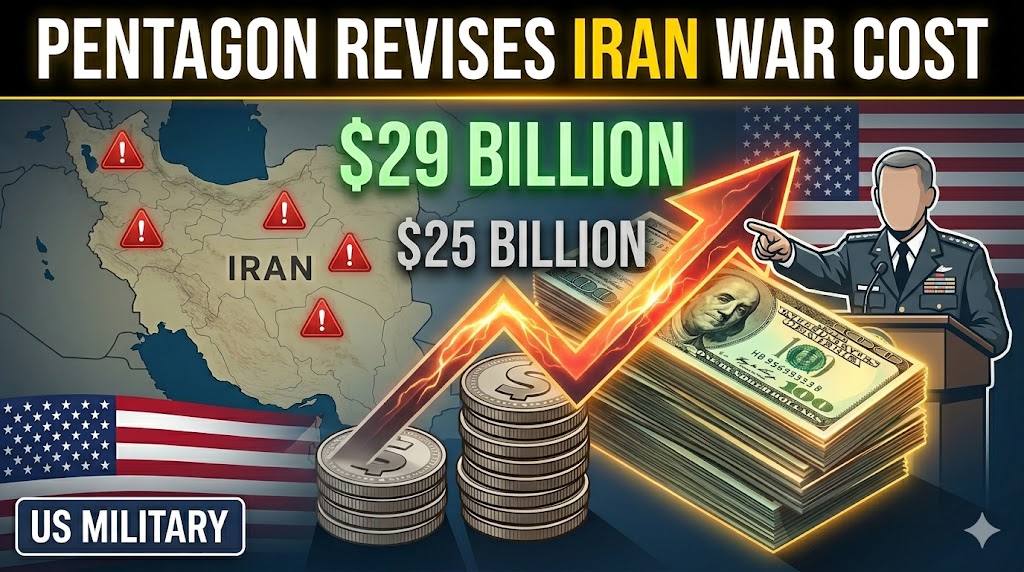
Breakdown of U.S. Military Spending on the Iran Conflict
Comparison with Previous Estimates and Historical Conflicts
The rapid climb from $25 billion to $29 billion highlights the fluid nature of wartime accounting. Earlier Pentagon disclosures aligned closely with external projections:
Day 6: ~$11.3 billion (DOD briefing)
Day 12: Projected ~$16.5 billion (CSIS)
Late April: $25 billion official
May 12: $29 billion updated
In historical context, this pace exceeds many recent operations on a per-day basis. For perspective:
The 1991 Gulf War cost approximately $61 billion (adjusted for inflation, far higher in today's dollars) but spanned a longer period with coalition burden-sharing.
Operations in Afghanistan and Iraq accumulated trillions over two decades.
The current Iran conflict, even in its relatively contained phase, demonstrates the expense of high-tech, peer-level engagements.
The $29 billion figure equates to roughly the annual budget of several major U.S. agencies combined, prompting questions about opportunity costs for domestic priorities.
Strategic and Economic Implications
Impact on Defense Budget and Readiness
The expenditures have drawn down certain munition stockpiles, raising concerns about readiness for other potential contingencies, such as in the Indo-Pacific. Pentagon leaders have prioritized replenishment in the proposed FY2027 defense budget, which requests $1.5 trillion—a substantial increase.
Economic Ripple Effects
Beyond direct costs, the conflict has influenced global energy markets, with temporary disruptions in oil flows through the Strait of Hormuz. U.S. naval actions reportedly cost Iran billions in lost revenue, creating asymmetric economic pressure.
Political and Oversight Considerations
Lawmakers from both parties have pressed for greater transparency. Democrats have questioned the sustainability and long-term strategy, while some Republicans emphasize the necessity of confronting Iran's nuclear ambitions. The updated figure arrives as Congress debates supplemental appropriations.
Human and Geopolitical Costs
Financial metrics tell only part of the story. The conflict has resulted in significant casualties on all sides, displacement, and heightened regional tensions. A fragile ceasefire holds, but sporadic incidents continue, potentially driving costs higher.
Expert Analyses and Future Projections
Defense experts offer varying outlooks:
AEI and CSIS reports suggest total costs could exceed initial projections if operations extend or escalate.
Rebuilding efforts and potential stabilization missions could add tens of billions more.
Optimistic scenarios hinge on a durable ceasefire and de-escalation, limiting further U.S. outlays.
Pentagon officials maintain that the current estimate remains preliminary and will be refined with full after-action reviews.
Broader Context: U.S. Defense Strategy in a Multipolar World
This conflict occurs against a backdrop of great power competition with China and Russia. The high cost of operations against Iran illustrates the challenges of maintaining deterrence across multiple theaters. Investments in next-generation technologies—drones, hypersonics, and integrated air defenses—aim to reduce future per-conflict expenses through efficiency.
Public opinion remains divided, with polls showing varied support for the operation depending on framing around national security versus fiscal responsibility.
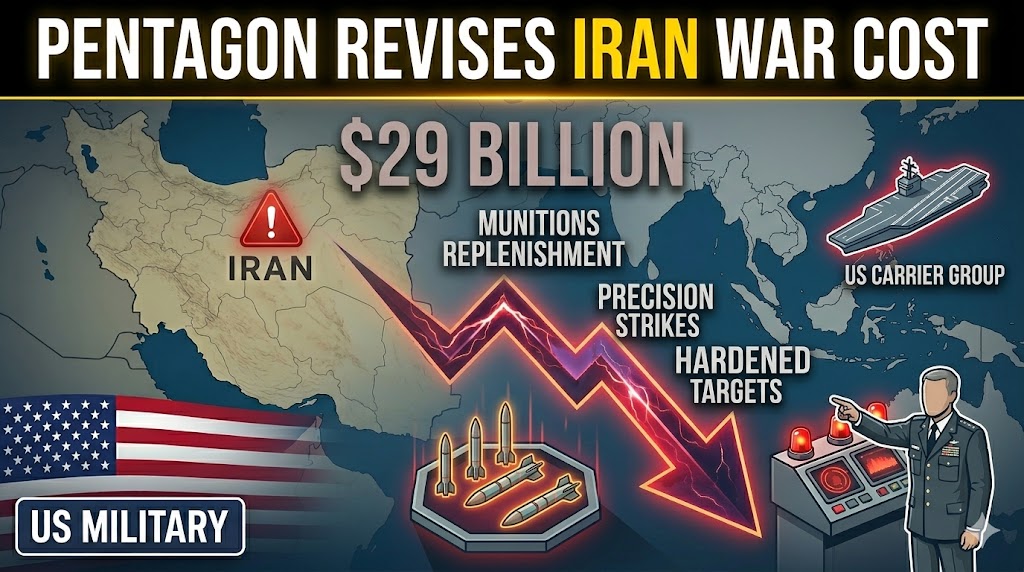
Impact of Munitions Expenditure on Stockpiles
Conclusion: Navigating Costs and Strategic Objectives
The Pentagon's announcement of $29 billion spent so far on Iran-related operations represents more than a budgetary update—it reflects the realities of projecting power in the 21st century. As officials continue to monitor the ceasefire and prepare for various contingencies, transparency with Congress and the American public will remain essential.
Taxpayers deserve clear accounting, while policymakers must weigh these expenditures against achieved security objectives. Whether the $29 billion investment yields lasting stability in the Middle East or serves as a down payment on prolonged engagement remains to be seen.
The coming months will prove critical as the U.S. balances immediate operational needs with long-term fiscal prudence and strategic positioning on the global stage.