India and Iran Hold High level Maritime Security Talks
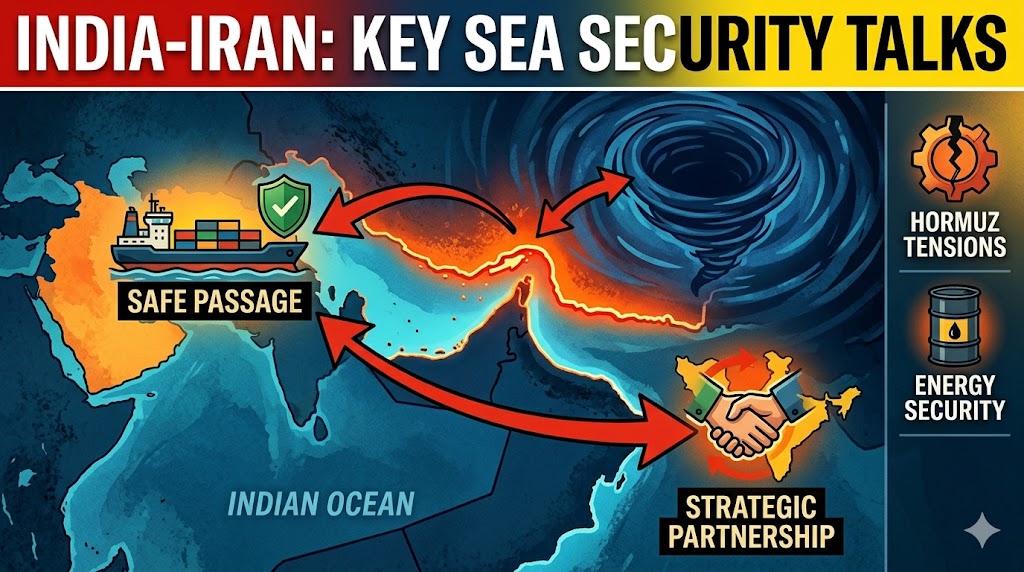
India and Iran have intensified diplomatic engagements focused on sea security, with senior officials from both nations holding multiple rounds of discussions aimed at ensuring safe maritime navigation and protecting vital shipping routes. These talks come at a critical juncture as tensions in the Persian Gulf region, exacerbated by the ongoing US-Iran conflict, continue to pose risks to global energy flows and commercial shipping.
The strategic dialogue underscores the importance both countries place on stability in the Indian Ocean and Western Indian Ocean regions. For India, a major importer of Iranian crude in the past and a key player in regional connectivity projects like Chabahar Port, maintaining robust sea security cooperation with Tehran is essential for economic resilience and energy security.
This comprehensive article delves into the background of these discussions, their strategic context within the broader geopolitical landscape, key outcomes, challenges, and long-term implications for bilateral relations and regional stability.
India and Iran share deep civilizational ties that extend to maritime history, with ancient trade routes connecting the Indian subcontinent to Persian ports. In modern times, this relationship has evolved to encompass energy trade, port development, and naval diplomacy.
The Chabahar Port project stands as a flagship initiative, providing India with direct access to Afghanistan and Central Asia while bypassing Pakistan. Maritime security has always been a cornerstone of this partnership, particularly in countering piracy, ensuring freedom of navigation, and addressing non-traditional threats in the Indian Ocean.
Previous collaborations include participation in multilateral naval exercises and information-sharing mechanisms. However, the recent US-Iran escalations have added urgency to these engagements, prompting focused bilateral talks on practical measures for sea security.
Drivers Behind the Current Sea Security Discussions
The primary catalyst for the latest India-Iran sea security dialogue is the disruption risks in the Strait of Hormuz, a chokepoint through which approximately 20% of global oil trade passes. With heightened tensions following military operations in the region, both nations recognize the need for coordinated approaches to safeguard shipping.
Key drivers include:
Protection of Indian-flagged vessels and crew operating in the Gulf
Assurance of energy supply stability for India’s growing economy
Prevention of spillover effects from proxy conflicts and asymmetric threats
Maintenance of operational connectivity for Chabahar and other trade corridors
Indian officials have emphasized the importance of de-escalation while working pragmatically with Iran to secure maritime domains critical to both economies.
Key Aspects of the India-Iran Maritime Security Dialogue
Recent rounds of talks, including high-level meetings between foreign ministry officials and potential discussions on the sidelines of multilateral forums like BRICS, have covered several critical areas:
Safe Passage Through Strategic Waterways
Iran has reportedly provided assurances regarding the safe transit of Indian vessels through the Strait of Hormuz. Discussions have addressed mechanisms for real-time coordination and de-confliction to avoid inadvertent incidents.
Energy Security Cooperation
Given India’s historical reliance on Iranian hydrocarbons and the potential for future trade resumption, both sides have explored ways to secure tanker movements and loading operations at Iranian terminals.
Countering Non-State Threats
The dialogue includes strategies to address piracy, smuggling, and potential disruptions by non-state actors, building on existing information-sharing protocols.
Port and Infrastructure Security
Enhancing the resilience of Chabahar Port against various threats forms an important component, ensuring it remains a viable hub for regional connectivity.
These discussions reflect a mature diplomatic approach where both nations prioritize practical outcomes over broader geopolitical alignments.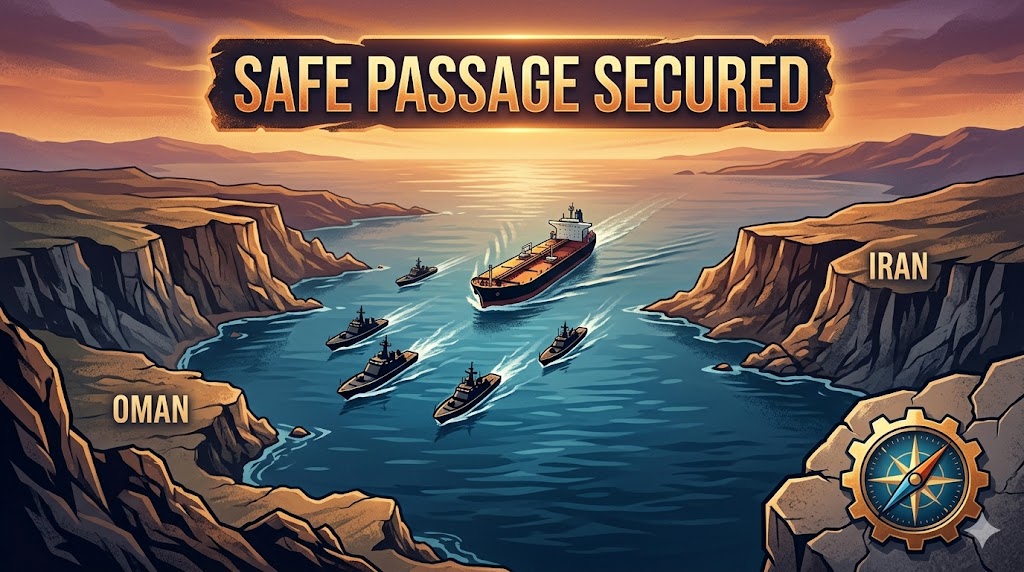
Safe page secured
Strategic Importance for India
For New Delhi, sea security talks with Iran serve multiple strategic objectives. India imports a significant portion of its energy needs and seeks to diversify routes and suppliers. Disruptions in the Gulf directly impact fuel prices, inflation, and industrial output.
Furthermore, India’s Indo-Pacific vision and SAGAR (Security and Growth for All in the Region) initiative emphasize a free, open, and inclusive Indian Ocean. Cooperation with Iran complements efforts with other partners like the Quad while maintaining strategic autonomy.
The talks also bolster India’s role as a responsible stakeholder in global maritime governance, demonstrating proactive diplomacy in crisis situations.
Iran’s Perspective on Maritime Cooperation
From Tehran’s viewpoint, engaging India on sea security offers several benefits. India represents a large and reliable market for energy exports when conditions permit. Strengthened ties with New Delhi also provide diplomatic leverage and help counter isolation efforts.
Iran has consistently expressed willingness to ensure safe navigation for friendly nations while reserving the right to defend its territorial waters and respond to perceived threats. The current dialogue allows Iran to project stability and cooperation amid challenging regional dynamics.
Challenges and Potential Obstacles
Despite positive momentum, several challenges persist:
Sanctions and Compliance Issues: Secondary sanctions complicate financial and insurance arrangements for shipping.
Geopolitical Cross-Pressures: India’s growing defense and technology partnerships with the United States and Israel create balancing challenges.
Trust-Building Needs: Historical fluctuations in relations require sustained confidence-building measures.
Operational Risks: The volatile security environment in the Gulf demands robust contingency planning.
Both sides appear committed to navigating these complexities through quiet diplomacy and technical-level engagements.
Linkages with Broader Regional Security Architecture
The India-Iran sea security discussions do not occur in isolation. They intersect with multilateral frameworks such as the Indian Ocean Naval Symposium (IONS), where both nations have participated actively. Recent naval exercises, including MILAN hosted by India, have provided additional platforms for professional military exchanges.
These efforts contribute to a layered approach to maritime security that combines bilateral, minilateral, and multilateral mechanisms. Experts view this as essential in an era of great power competition and hybrid threats at sea.
Economic and Trade Implications
Successful outcomes from these talks could have significant positive effects on bilateral trade. Beyond energy, opportunities exist in pharmaceuticals, agriculture, and infrastructure development. Secure sea lanes enhance the viability of the International North-South Transport Corridor (INSTC), a project of immense strategic value for both countries and Eurasian connectivity.
For global markets, reduced uncertainty around Hormuz transit supports price stability in oil and shipping rates, benefiting consumers worldwide.
Expert Views and Future Outlook
Defense and foreign policy analysts generally welcome the India-Iran maritime dialogue as a stabilizing factor. They note that such engagements can serve as confidence-building measures that extend beyond immediate security concerns to broader political understanding.
Looking ahead, potential developments may include:
Formalization of communication hotlines between naval authorities
Joint capacity-building initiatives for anti-piracy and search-and-rescue
Enhanced coordination at Chabahar and other ports
Exploration of trilateral or quadrilateral maritime forums involving additional regional players
The trajectory will depend on the broader evolution of the regional security situation and the ability of both sides to deliver tangible results from their discussions.
Conclusion: Charting a Course for Maritime Stability
The ongoing India-Iran discussions on sea security represent a pragmatic and forward-looking dimension of their bilateral relationship. In a region fraught with tensions, these talks highlight the enduring importance of diplomacy in safeguarding shared interests in open and secure sea lanes.
As both nations navigate complex geopolitical currents, their cooperation on maritime issues offers a pathway toward mutual benefit and regional resilience. For India, it reinforces energy security and strategic autonomy. For Iran, it demonstrates constructive engagement with key partners.
The success of these efforts will not only influence bilateral ties but also contribute to the larger goal of stability in the Indian Ocean and beyond. In an interconnected world where maritime security underpins global prosperity, initiatives like the India-Iran sea security dialogue play a vital role in fostering cooperation amid competition.
Stakeholders across the region and globally will continue to watch these developments closely, hopeful that sustained dialogue translates into safer waters and stronger partnerships for the years ahead.