Israel Intensifies South Lebanon Fresh Air Strikes amid war
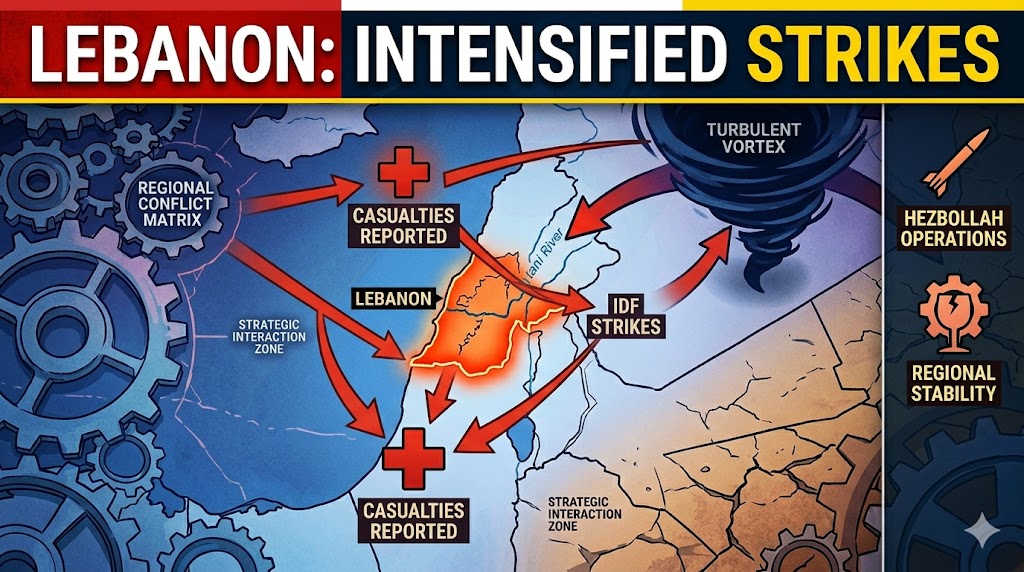
The Israel Defense Forces (IDF) have significantly intensified operations in southern Lebanon, launching a series of fresh strikes that have resulted in at least six fatalities according to Lebanese officials. These attacks come amid persistent cross-border tensions and represent a notable uptick in military activity even as broader ceasefire efforts continue in the region connected to the US-Iran conflict.
This escalation highlights the fragility of the current security arrangements and Israel’s determination to neutralize perceived threats from Hezbollah infrastructure near the border. As southern Lebanon once again becomes a focal point of violence, the humanitarian and diplomatic consequences are drawing international attention.
This comprehensive article provides an in-depth analysis of the latest developments, the operational context, casualty reports, strategic motivations, international reactions, and potential pathways toward de-escalation.
Background of the Ongoing Conflict in Southern Lebanon
The current cycle of violence traces its roots to the wider regional escalations that began in early 2026, involving direct confrontations between Israel, Iran, and Iranian-backed groups including Hezbollah. While major operations against Iran have paused under a fragile understanding, the Lebanon front has remained volatile with periodic exchanges of fire.
Hezbollah’s rocket capabilities and cross-border activities have prompted Israel to maintain a proactive posture. Previous special operations, including actions along the Litani River, aimed to create a buffer zone and degrade militant infrastructure. Despite these efforts, both sides continue to report violations of ceasefire understandings, leading to the intensified campaign now underway.
Details of the Recent Strikes
According to reports from Lebanese security sources and local authorities, Israeli strikes targeted multiple locations in southern Lebanon over the past 48 hours. The attacks included airstrikes and artillery barrages hitting areas near the Litani River and villages close to the Blue Line.
Key reported incidents include:
Precision strikes on suspected Hezbollah positions and weapons storage facilities
Drone operations supporting ground intelligence efforts
Targeted elimination of militant operatives involved in recent border activities
Lebanese health officials confirmed six deaths in the fresh strikes, with several others injured. Among the casualties were reported civilians and Hezbollah members, though exact breakdowns remain under verification. Rescue teams continue to search rubble in affected areas, raising concerns about additional victims.
The IDF has stated that all targets were military in nature and linked to imminent threats against Israeli communities in the north. Israel has expressed regret for any civilian harm while maintaining that Hezbollah’s embedding among civilian populations complicates operations.
Strategic Objectives Behind the Intensification
Israel’s decision to intensify south Lebanon attacks appears driven by several interconnected factors:
1. Force Protection and Deterrence
Continued intelligence indicating Hezbollah rearmament and repositioning efforts has prompted preemptive action to maintain the upper hand.
2. Buffer Zone Consolidation
Operations aim to enforce a stronger separation between Hezbollah forces and the Israeli border, building on earlier Litani River activities.
3. Response to Alleged Violations
Israeli officials cite specific Hezbollah attempts to infiltrate or launch attacks as justification for the current escalation.
4. Broader Regional Signaling
Actions in Lebanon send a message regarding Israel’s resolve across multiple fronts amid the lingering effects of the US-Iran confrontation.
Military analysts observe that these intensified strikes utilize advanced technology, including precision munitions and real-time intelligence, to minimize the scope of ground involvement while maximizing impact.
Humanitarian Impact and Civilian Concerns
The resumption of intense strikes has exacerbated an already dire humanitarian situation in southern Lebanon. Thousands remain displaced, unable to return to their homes due to security risks and destruction from previous rounds of fighting. Fresh attacks have damaged additional homes, roads, and agricultural fields, threatening livelihoods in a region heavily dependent on farming.
International aid organizations have called for immediate access to affected areas to provide medical assistance and assess needs. The Lebanese government has appealed to the United Nations and major powers to intervene and restrain further escalation.
Hezbollah’s Response and Capabilities
Hezbollah has condemned the Israeli strikes as blatant aggression and vowed a proportionate response. The group claims to have engaged Israeli forces with anti-tank missiles and other defensive measures during recent incidents. While casualty figures from the Hezbollah side remain opaque, the organization maintains strong popular support in parts of Lebanon despite the heavy toll of the conflict.
Analysts note that Hezbollah’s command structure has shown resilience, with surviving elements adapting to Israeli tactics through greater dispersion and use of underground facilities.
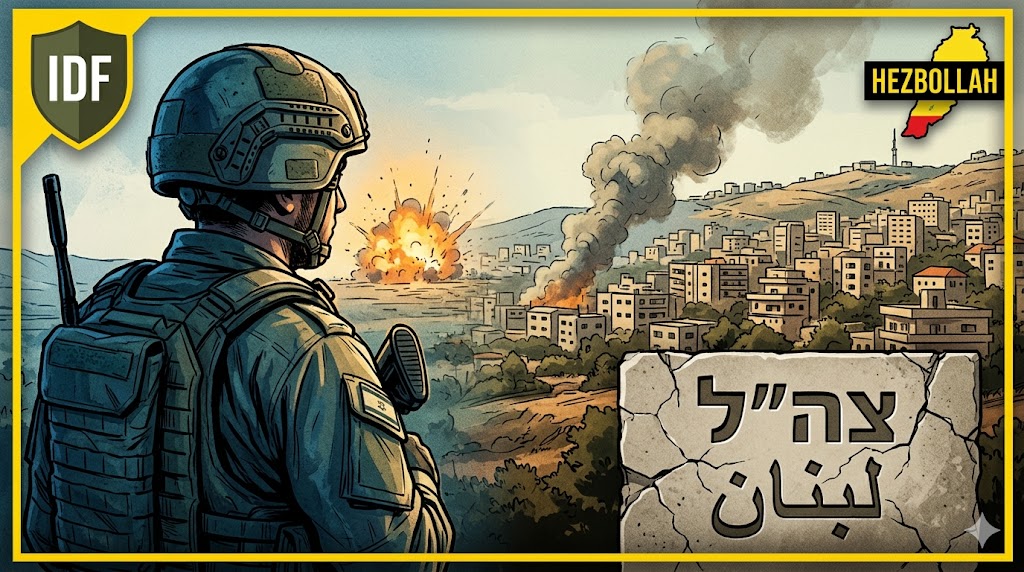
Israel Air Strikes in South Lebanon
International Reactions to the Escalation
United States: Washington has reiterated support for Israel’s right to defend itself while urging all parties to exercise maximum restraint. U.S. diplomats continue to work behind the scenes to support ceasefire implementation and Resolution 1701 enforcement.
United Nations:The UN Secretary-General and UNIFIL peacekeeping forces have expressed deep concern over the rising violence and called for an immediate return to calm. Reports of increased incidents along the Blue Line have been documented.
Iran: Tehran has strongly criticized the attacks and reaffirmed its commitment to supporting Hezbollah as part of the “axis of resistance.”
European Union and Arab States: Many European nations have called for de-escalation, while Gulf Arab countries monitor developments with a focus on preventing wider regional spillover that could affect energy security.
Lebanon: The Lebanese government and various political factions have united in condemning the strikes, though internal divisions complicate any unified response.
Link to the Broader US-Iran Regional Conflict
These intensified south Lebanon attacks occur against the backdrop of the larger US-Iran tensions. While direct US and Iranian engagements may have de-escalated, proxy battlegrounds like Lebanon remain active flashpoints. The financial and military resources already committed in the wider theater, including the reported $29 billion in US expenditures, add pressure on all parties to manage these secondary fronts carefully.
Sustained operations in Lebanon could further strain Israeli resources and influence diplomatic calculations regarding Iran negotiations.
Economic and Regional Stability Implications
Escalation in southern Lebanon carries risks for the wider Middle East. Any major disruption could affect investor confidence, energy markets, and refugee flows. For Lebanon, already facing severe economic challenges, further destruction compounds recovery difficulties and political instability.
Tourism, agriculture, and reconstruction efforts in the south face significant setbacks, with long-term costs likely running into billions of dollars.
Expert Analysis and Potential Future Scenarios
Security experts offer varied assessments of the current trajectory:
Short-term containment through backchannel diplomacy remains possible if both sides see mutual benefit in reducing intensity.
Prolonged tit-for-tat exchanges could risk miscalculation leading to wider confrontation.
A Comprehensive political agreement addressing Hezbollah’s weapons and border security could provide a more durable solution, though this requires significant concessions.
The coming days will be critical as mediators engage with both Israeli and Lebanese sides to prevent further escalation.
Path Forward: Diplomacy Versus Military Pressure
Achieving lasting stability in southern Lebanon requires addressing root causes rather than symptoms. Full implementation of UN Resolution 1701, combined with robust international guarantees and reconstruction support, offers one potential framework. However, deep mistrust and competing security narratives make progress challenging.
Both Israel and Hezbollah face difficult choices between continued military pressure and political compromise. The civilian populations on both sides of the border bear the heaviest burden of ongoing conflict.
Conclusion: Navigating a Fragile Security Environment
Israel’s intensification of attacks in southern Lebanon, resulting in six reported deaths in fresh strikes, underscores the persistent challenges in achieving regional calm. While Israel pursues legitimate security objectives, the human cost and risk of escalation demand urgent attention from all stakeholders.
As the situation evolves, the international community has a responsibility to support diplomatic initiatives that can translate fragile understandings into sustainable peace arrangements. For the people of southern Lebanon and northern Israel, the hope remains for a future where security does not come at the price of repeated cycles of violence and displacement.
The coming weeks will test the resolve of regional and global actors to prevent further deterioration while addressing the underlying issues fueling the conflict. In a region already strained by broader US-Iran tensions, restraint and dialogue represent the most viable path toward reducing suffering and building a more stable future.