Trump Warns Iran on Uranium Amid Regional Escalation
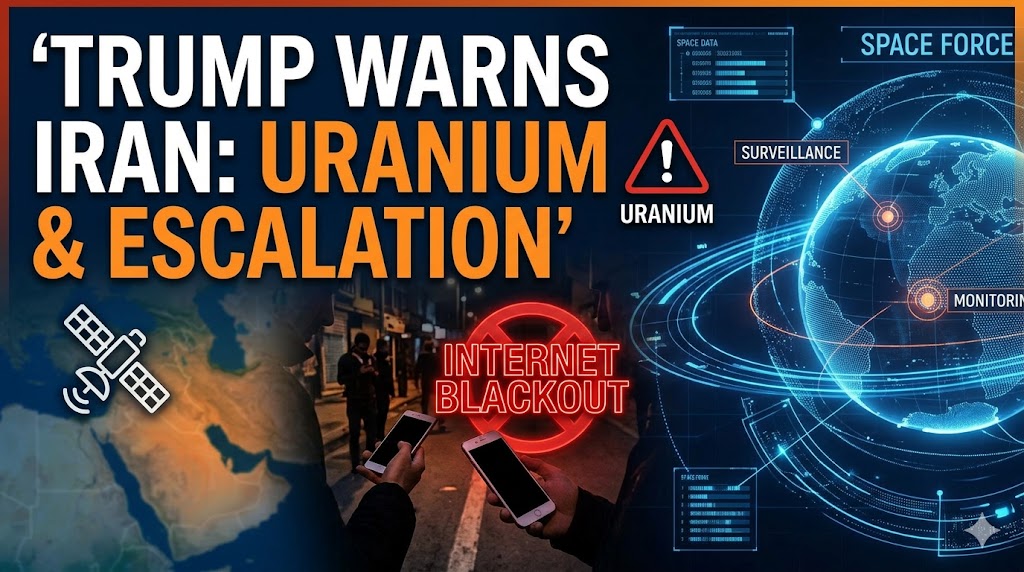
The Middle East remains a region of profound complexity and volatility, where diplomatic maneuvers, military posturing, and humanitarian challenges intersect daily. In recent days, President Donald Trump has issued pointed warnings to Iran regarding its remaining enriched uranium stockpile, even as the country grapples with a prolonged internet blackout, renewed violence in Lebanon, and heightened tensions across the Gulf.
These developments come against the backdrop of a fragile regional landscape following earlier military confrontations involving the United States, Israel, and Iran. As ceasefire efforts continue and negotiations unfold, the stakes could not be higher for global energy security, nuclear non-proliferation, and stability in one of the world’s most strategically vital areas.
This comprehensive analysis examines President Trump’s latest statements, the status of Iran’s nuclear materials, the ongoing digital blackout in Iran, flare-ups in Lebanon, and broader Gulf dynamics. Drawing on verified reports and expert context, it provides a balanced overview suitable for policymakers, analysts, and informed readers seeking clarity amid rapidly evolving events.
President Donald Trump has repeatedly emphasized the need for Iran to relinquish its stockpile of enriched uranium, describing it in characteristic terms as “nuclear dust” that must be secured or removed. In a recent interview aired on Full Measure with Sharyl Attkisson, the President stated that U.S. forces, supported by Space Force surveillance, are closely monitoring buried sites in Iran. He warned that any attempt by Iranian personnel to access the material would be met with decisive action, including potential strikes.
“We have it surveilled. You know, I did a thing called Space Force, and they are watching,” Trump remarked, adding that the United States would “get that at some point with whatever we want” and would “blow them up” if necessary. These comments underscore a core U.S. objective: preventing Iran from advancing toward nuclear weapons capability while pushing for a comprehensive agreement to end hostilities.
The enriched uranium in question includes significant quantities—reportedly hundreds of kilograms enriched to near-weapons-grade levels (up to 60%)—much of which is believed to be stored in underground facilities damaged during previous strikes. International Atomic Energy Agency (IAEA) assessments prior to disruptions had tracked these stockpiles closely, highlighting proliferation concerns. Trump’s administration views the removal or neutralization of this material as essential to any lasting deal.
Negotiations remain delicate. Iran has signaled willingness in some areas, such as down-blending higher-enriched material, but differences persist over enrichment rights, sanctions relief, and regional influence. Trump has described certain Iranian responses to U.S. proposals as “totally unacceptable,” while maintaining that a deal is possible if Tehran meets key conditions.
Iran’s Prolonged Internet Blackout: Causes and Consequences
Compounding the challenges is Iran’s extensive internet blackout, now stretching beyond 120 days in some reports and representing one of the longest disruptions in the country’s history. Initiated amid protests and security concerns in early 2026, the restrictions have severely limited external communications, with connectivity reportedly operating at a fraction of normal levels for most citizens.
Authorities cite national security needs during periods of conflict and unrest. Critics, including human rights organizations, argue the blackout serves to control information flow and obscure internal developments. A tiered access system has reportedly emerged, allowing limited connectivity for certain institutions, academics, and elites while ordinary Iranians face severe restrictions.
The humanitarian and economic toll is significant. Families struggle to contact relatives abroad, businesses dependent on digital platforms face paralysis, and the flow of independent news is heavily curtailed. This digital isolation adds another layer of complexity to diplomatic efforts, as verifying developments on the ground becomes more difficult for international observers.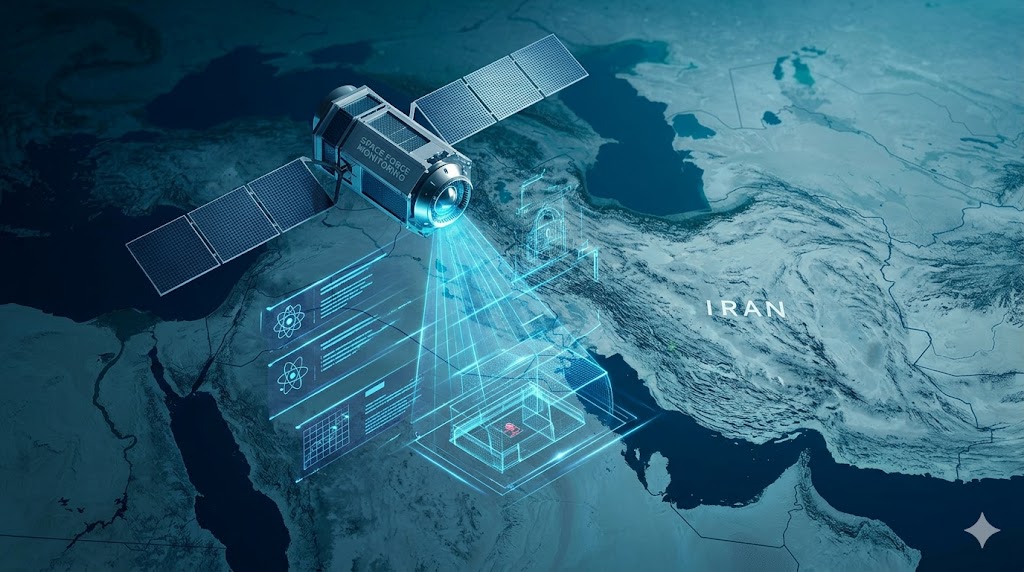
High-Tech Monitoring
Lebanon Violence and Hezbollah Dynamics
Tensions in Lebanon continue to test regional ceasefires. Despite U.S.-brokered pauses in hostilities, exchanges between Israeli forces and Hezbollah persist, with reports of drone attacks, rocket fire, and targeted strikes. Southern Lebanon has seen repeated incidents, including Israeli operations against alleged militant infrastructure and Hezbollah responses targeting positions across the border.
Recent flare-ups include strikes in Beirut suburbs and cross-border drone activity, resulting in casualties on both sides. These violations highlight the fragility of arrangements aimed at disarming or constraining Hezbollah south of the Litani River. Lebanese authorities have taken steps to assert control, but implementation remains challenging amid political divisions and external influences.
The situation in Lebanon is inextricably linked to broader Iran-related dynamics. As a key Iranian ally, Hezbollah’s actions influence—and are influenced by—developments in Tehran. Sustained violence risks drawing in more actors and undermining wider de-escalation efforts.
Gulf Tensions and Wider Regional Implications
The Gulf has witnessed sporadic incidents, including reported Iranian actions targeting shipping or infrastructure in response to perceived provocations. Maritime security remains a priority, with efforts like “Project Freedom” aimed at ensuring safe passage through critical waterways such as the Strait of Hormuz.
Energy markets watch these developments closely. Any major disruption could send oil prices soaring, with ripple effects on the global economy. Diplomatic initiatives seek to prevent escalation while addressing underlying grievances, including sanctions and security guarantees.
Historical Context and Nuclear Background
Iran’s nuclear program has long been a flashpoint in international relations. Under the Joint Comprehensive Plan of Action (JCPOA) and subsequent developments, enrichment levels and stockpiles have fluctuated. Strikes in 2025 damaged facilities, but questions remain about residual capabilities and material security.
President Trump’s approach prioritizes maximum pressure combined with negotiation opportunities. His emphasis on complete dismantlement of certain capabilities contrasts with Iran’s insistence on civilian nuclear rights. Progress toward a framework deal has been reported, yet core issues like uranium stocks and verification continue to pose hurdles.
Expert Analysis and Potential Scenarios
Analysts point to several factors that could shape outcomes. Effective surveillance and intelligence sharing are crucial for monitoring nuclear sites. Diplomatic intermediaries, including regional partners, play vital roles in bridging gaps. Humanitarian considerations, such as easing blackouts and addressing civilian needs in conflict zones, may build goodwill.
Possible paths forward include:
A phased agreement addressing uranium first, followed by broader security pacts.
Continued military vigilance if negotiations stall.
Multilateral involvement to legitimize and enforce any deal.
Risks of miscalculation remain high, particularly with non-state actors and proxy forces active across borders.
Humanitarian and Economic Dimensions
Beyond geopolitics, the human cost demands attention. Prolonged conflict and restrictions have displaced populations, strained resources, and disrupted livelihoods. International aid organizations call for greater access and support. Economically, reconstruction needs in affected areas are substantial, while global markets seek stability to avoid volatility in energy and trade.
Looking Ahead: Prospects for De-escalation
As of mid-May 2026, the situation remains fluid. President Trump’s firm stance on enriched uranium signals U.S. resolve, while regional actors navigate a complex web of alliances and rivalries. Successful diplomacy could yield a more stable Middle East; failure risks renewed confrontation with wider consequences.
Stakeholders emphasize the importance of verifiable commitments, confidence-building measures, and inclusive dialogue. For Iran, balancing sovereignty with economic relief is key. For the United States and allies, preventing nuclear proliferation while managing security threats defines the challenge.

Gulf Standoff
Conclusion
President Trump’s warnings over Iran’s enriched uranium highlight persistent nuclear concerns amid a multifaceted regional crisis. The internet blackout in Iran, ongoing violence in Lebanon, and Gulf tensions collectively underscore the interconnected nature of these issues. Progress requires patience, precision, and pragmatism from all parties.
The coming weeks will prove critical. Whether through decisive diplomacy or sustained pressure, the goal remains a durable reduction in hostilities that safeguards international security and offers hope for affected populations. Observers worldwide will continue monitoring developments closely, as outcomes in this pivotal region shape global affairs for years to come.
Readers are encouraged to follow reputable sources for the latest updates and engage thoughtfully with the complexities of Middle East geopolitics.