Trump Rejects Iran Peace Proposal as 'Unacceptable
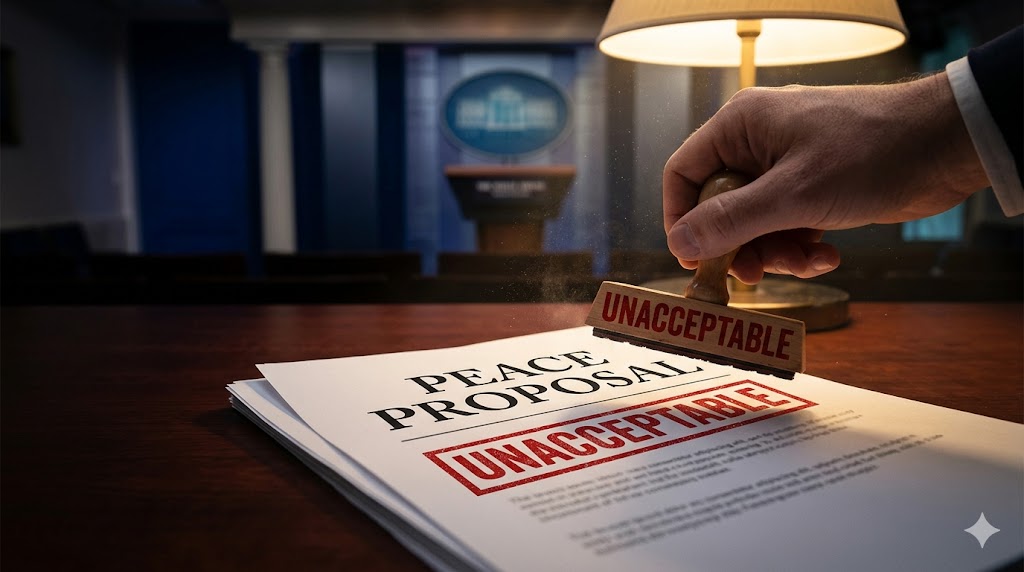
In a sharp escalation of diplomatic rhetoric, President Donald Trump has dismissed Iran’s latest counterproposal to end ongoing hostilities as “totally unacceptable.” The announcement, delivered via Truth Social on May 10, 2026, underscores deep divisions between Washington and Tehran despite mediated efforts to secure a lasting ceasefire.
This development arrives amid persistent disruptions in the Strait of Hormuz, fluctuating global energy prices, and fragile regional stability involving Lebanon and broader Gulf dynamics. As both sides dig in on core issues—including nuclear safeguards, maritime access, and sanctions relief—the path to de-escalation appears increasingly challenging.
This in-depth analysis explores President Trump’s rejection of the Iranian response, the specifics of the competing proposals, the strategic context of the US-Iran conflict, economic ramifications, and potential next steps. Drawing from verified reports and expert perspectives, it offers a clear, balanced overview for readers seeking to understand this critical moment in Middle East affairs.
Trump’s Strong Rejection of Iran’s Counterproposal
On Sunday, May 10, President Trump reacted swiftly to Iran’s formal response, conveyed through Pakistani mediators. In a pointed Truth Social post, he wrote: “I have just read the response from Iran’s so-called ‘Representatives.’ I don’t like it — TOTALLY UNACCEPTABLE!”
Trump’s statement offered no detailed breakdown of objections but aligned with longstanding US positions that Iran must address its nuclear program, reopen critical shipping lanes, and demonstrate verifiable commitment to peace. He has previously accused Tehran of “playing games” with the United States for nearly five decades, signaling little patience for proposals that fall short of American red lines.
The timing of the rejection is notable. It followed a US framework aimed at an initial ceasefire, reopening the Strait of Hormuz, and a 30-day window for broader negotiations on nuclear and security matters. Iranian state media described their counteroffer as focusing on ending the war, asserting sovereignty claims, and securing sanctions relief, while reportedly sidestepping direct nuclear concessions.
Details of Iran’s Response and Key Sticking Points
According to Iranian state broadcaster and multiple international reports, Tehran’s counterproposal included several core demands:
A permanent end to hostilities across fronts, including Lebanon.
US payment of war reparations to Iran.
Recognition of Iranian sovereignty over the Strait of Hormuz.
Lifting of American sanctions.
Limited or phased approaches to nuclear discussions rather than immediate dismantlement.
These elements contrast sharply with US expectations. Washington has insisted on verifiable limits to Iran’s nuclear program, including handling of enriched uranium stockpiles, reopening of the Strait without preconditions, and broader regional de-escalation. Iranian officials described their offer as “reasonable and generous,” while US Ambassador to the UN Mike Waltz emphasized that core red lines on the nuclear issue remain firm.
The gap highlights fundamental differences: the United States seeks concrete security guarantees and non-proliferation measures first, whereas Iran prioritizes sovereignty, economic relief, and an end to military pressure.
Strategic Flashpoint
Background on US-Iran Peace Efforts
The current round of negotiations builds on a fragile ceasefire established in early April 2026. Mediated talks, often involving Pakistan and other intermediaries, have sought to address immediate triggers such as maritime disruptions and proxy conflicts while laying groundwork for comprehensive agreements.
President Trump’s administration has maintained a dual track of maximum pressure and diplomatic openings. Recent US proposals reportedly outlined a phased approach: immediate cessation of hostilities and reopening of the Strait of Hormuz, followed by extended talks on Iran’s nuclear capabilities and regional influence.
Iran, facing internal pressures and economic strain from the conflict, has signaled openness to ending active fighting but resists what it views as capitulation on strategic assets like its nuclear program and control over vital waterways.
The Strait of Hormuz: Economic and Strategic Flashpoint
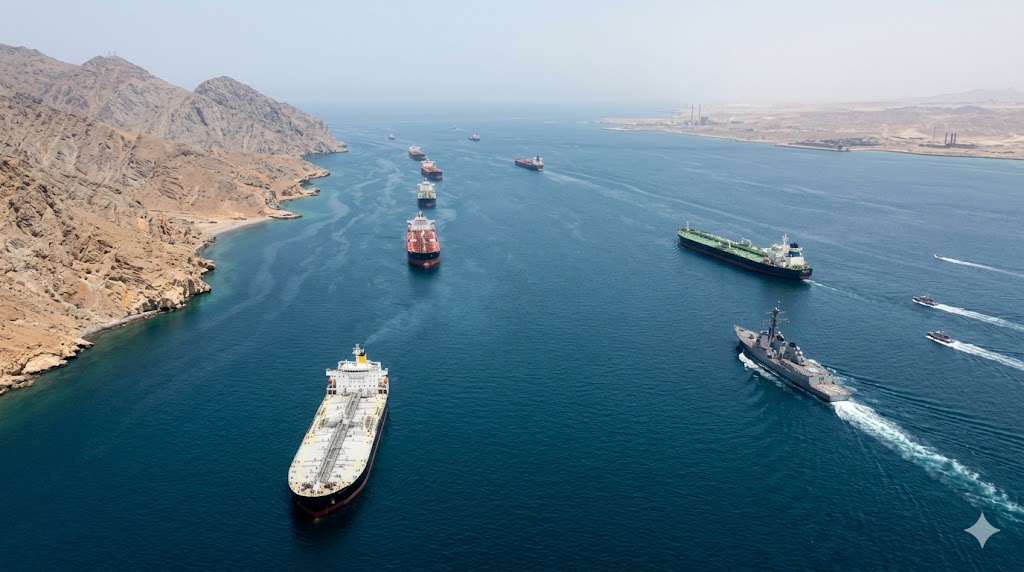
The Strait of Hormuz remains central to the impasse. Carrying roughly one-fifth of global oil trade, disruptions here have driven up energy prices and affected markets worldwide. Limited passages of vessels in recent days provided minor relief, yet the waterway’s status continues to fuel volatility.
Trump’s rejection has already contributed to rising oil prices, with analysts warning of further spikes if talks stall. For Iran, asserting influence over the Strait represents both strategic leverage and a matter of national pride. For the US and its allies, ensuring free navigation is non-negotiable for global energy security.
Enriched Uranium and Nuclear Concerns
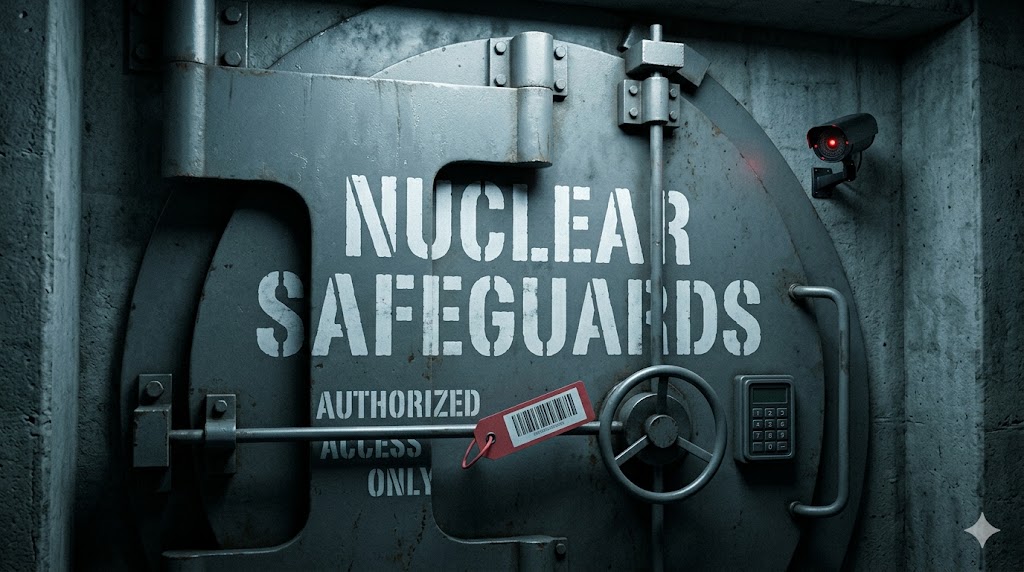
Parallel to peace talks, President Trump has issued firm warnings regarding Iran’s remaining enriched uranium stockpiles. In a recent interview, he emphasized US surveillance—supported by Space Force capabilities—over buried nuclear materials at damaged sites. Any attempt to access or move the material, he stated, would trigger decisive responses.
This issue forms a critical red line. The US seeks removal or neutralization of near-weapons-grade uranium, while Iran has proposed alternatives such as down-blending or third-country storage. Progress on this front could unlock broader sanctions relief but remains a major hurdle.
Regional Ramifications: Lebanon, Gulf, and Beyond
The US-Iran standoff cannot be isolated from developments in Lebanon, where exchanges involving Hezbollah and Israeli forces persist despite ceasefire frameworks. Broader Gulf tensions, including maritime incidents, add layers of complexity involving multiple state and non-state actors.
Allies and partners on both sides monitor these talks closely. Israel has expressed concerns over any deal that fails to neutralize long-term threats, while Gulf states weigh economic recovery against security risks. International bodies, including the IAEA, continue to stress the need for transparent verification mechanisms.
Economic and Humanitarian Impacts
The prolonged conflict has exacted a heavy toll. Rising energy costs burden households globally, while Iran faces significant reconstruction challenges and domestic pressures. Humanitarian access, internet connectivity issues, and displacement remain serious concerns that could influence public and diplomatic sentiment.
Markets reacted immediately to Trump’s statement, underscoring how diplomatic rhetoric translates into tangible economic consequences. Analysts suggest sustained uncertainty could delay recovery in affected sectors.
Expert Perspectives and Potential Pathways Forward
seasoned observers note that such public rejections are common in high-stakes negotiations and do not necessarily signal permanent deadlock. Backchannel communications may continue, with mediators seeking compromise language on contentious issues.
Possible scenarios include:
Revised proposals addressing uranium and Hormuz concerns more directly.
Phased agreements starting with humanitarian and maritime confidence-building measures.
Renewed pressure through sanctions or targeted actions if stalemate persists.
Success will likely depend on creative diplomacy, verifiable commitments, and mutual recognition of core interests. Failure risks renewed escalation with unpredictable consequences.
Historical Context of US-Iran Relations
Tensions between the United States and Iran date back decades, marked by periods of confrontation and tentative engagement. The current chapter reflects accumulated grievances, from nuclear ambitions and proxy conflicts to sanctions and regional power dynamics. President Trump’s approach echoes his first-term emphasis on maximum pressure while leaving room for deals he views as advantageous.
Looking Ahead: Implications for Global Stability
As of May 11, 2026, the situation remains fluid. President Trump’s firm stance reinforces US resolve, yet both sides have incentives to avoid full resumption of hostilities. The coming days and weeks will test diplomatic ingenuity as mediators work to bridge remaining gaps.
For the international community, outcomes carry weight far beyond bilateral relations. Stable energy flows, nuclear non-proliferation, and reduced regional violence serve broader peace and prosperity goals.
The Nuclear Red Line
Conclusion
President Trump’s declaration that Iran’s response to the US peace proposal is “totally unacceptable” marks a significant but not unexpected setback in efforts to resolve the ongoing conflict. Deep differences over nuclear issues, the Strait of Hormuz, sanctions, and reparations underscore the complexity of reaching a durable agreement.
While challenges abound, history shows that persistent diplomacy can yield breakthroughs even in seemingly intractable disputes. Stakeholders on all sides will continue weighing costs of confrontation against benefits of compromise. As developments unfold, close monitoring of official statements, market responses, and on-the-ground realities will be essential.
The stakes extend to global security and economic stability. Informed engagement with these issues remains vital as the international community seeks pathways toward reduced tensions in this vital region.