Kharg Island Oil Slick: Environmental Disaster Warning
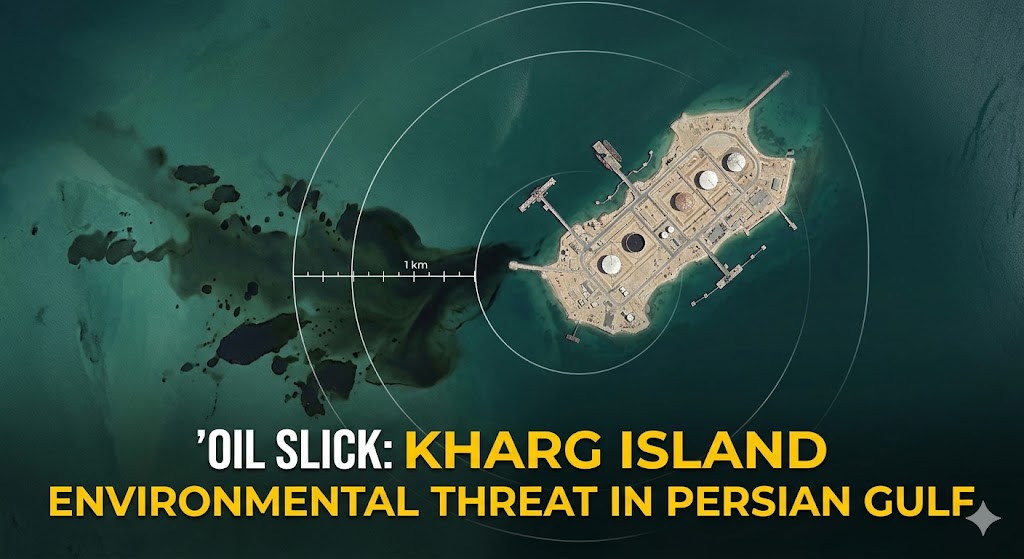
The Persian Gulf, a critical artery for global energy supplies, faces renewed environmental concerns following the detection of a significant oil slick off Iran’s Kharg Island. Satellite imagery captured between May 6 and 8, 2026, shows a spreading slick west of the island, Iran’s primary oil export terminal. While Iranian authorities have denied any leak from their facilities, experts are sounding alarms about the potential for a serious ecological incident in one of the world’s most sensitive marine environments.
Professor Chuk Okereke of the University of Bristol has issued a stark warning, stating that any environmental incident at Kharg Island could rapidly escalate into a broader ecological and even geopolitical disaster. His comments, made in a recent interview, highlight the fragile state of energy infrastructure in the region amid ongoing tensions. This article provides a detailed examination of the suspected spill, expert assessments, potential consequences, and the wider context surrounding Iran’s vital oil export hub.
Discovery of the Oil Slick: What Satellite Images Reveal
Independent analysis of data from the European Union’s Copernicus Sentinel satellites first brought the slick to international attention. The anomaly appeared as a grey and white patch spreading across dozens of square kilometers of seawater west of Kharg Island. Estimates suggest the affected area ranged from approximately 20 to over 70 square kilometers during the observation period.
Monitoring organizations, including Orbital EOS, have assessed the volume potentially reaching thousands of barrels. Some analyses from maritime intelligence sources indicate the possibility of even larger quantities, though exact figures remain uncertain without on-site verification. The slick has been observed drifting southward and southwestward, raising concerns about its path toward waters near Saudi Arabia and the United Arab Emirates.
A second suspected slick has also been reported near the same area, further heightening vigilance among regional observers and environmental agencies.
Iran’s Response and Official Denial
Iran’s Oil Terminals Company has firmly rejected reports of any leak. According to state media, comprehensive inspections of storage tanks, pipelines, loading facilities, and nearby tankers found no evidence of spillage. Officials stated that additional field checks and laboratory tests detected no traces of oil leakage in the vicinity.
The company also referenced assessments from the Marine Emergency Mutual Aid Centre (MEMAC), a regional body, which reportedly observed no signs of pollution. Iranian authorities attribute the satellite observations possibly to other phenomena or emphasize that their infrastructure remains secure despite challenging operational conditions.
Expert Warnings: Professor Chuk Okereke and Others
Professor Chuk Okereke has been among the most vocal voices. In his Al Jazeera interview, he emphasized that an incident at Kharg Island would “immediately cascade to an environmental and ecological and even geopolitical disaster.” He pointed to the island’s strategic importance and the vulnerability of the Persian Gulf’s interconnected ecosystems and economies.
Other specialists share similar concerns. Nima Shokri, professor at the Hamburg University of Technology, has linked the situation to strains on Iran’s oil infrastructure caused by external pressures, including naval blockades. He noted that oil wells and systems cannot be easily shut down and restarted without risking integrity issues.
Keyvan Hosseini from the University of Southampton and Dr. Kaveh Madani from the UN have also highlighted risks to marine habitats, fisheries, coastal communities, and critical desalination plants that supply fresh water to millions in the Gulf region. Even a seemingly manageable spill could escalate if response efforts are delayed or complicated by regional tensions.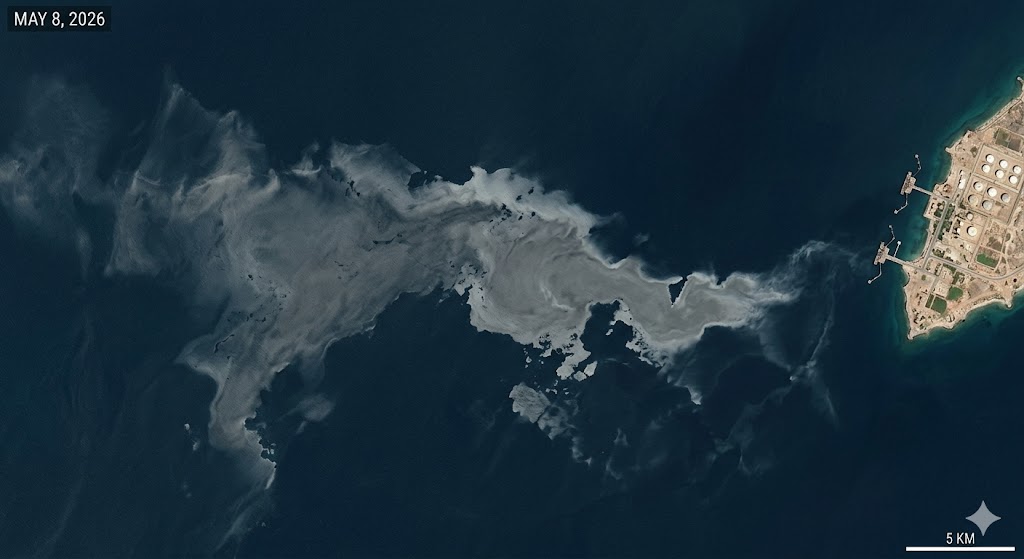
Satellite simulation illustrating the grey and white anomaly of the potential oil slick (approximately 50 km²) drifting west of Kharg Island’s extensive terminal infrastructure.
Kharg Island: Strategic Importance and Vulnerabilities
Kharg Island serves as the cornerstone of Iran’s oil export operations, handling roughly 90 percent of the country’s crude shipments. The 8-kilometer-long island hosts extensive terminals, pipelines, storage tanks, and loading infrastructure. Its location in the Persian Gulf makes it both essential for energy markets and exposed to operational hazards.
Decades of use, combined with sanctions-related maintenance challenges and recent geopolitical strains, have raised questions about the resilience of aging infrastructure. Experts point to factors such as stored crude in tankers, potential undersea pipeline issues, and operational congestion as contributing risks during periods of restricted exports.
Potential Environmental and Ecological Impacts
The Persian Gulf is a shallow, semi-enclosed sea with limited water exchange, making it particularly susceptible to pollution. An oil slick in these waters could threaten:
Marine Life and Habitats: Corals, fish stocks, and migratory species face acute risks from toxic exposure.
Fisheries and Local Economies: Coastal communities dependent on fishing could suffer long-term livelihood losses.
Desalination and Water Security: Intake systems for drinking water plants may require shutdowns or face contamination.
Mangroves and Coastal Ecosystems: Sensitive intertidal zones could experience prolonged damage.
Even as some observations suggest the slick may be dispersing, winds, currents, and wave action could still drive portions toward vulnerable areas. Preliminary assessments indicate varying degrees of risk depending on how the situation evolves in the coming days and weeks.
Geopolitical and Economic Context
The suspected spill occurs against a backdrop of heightened US-Iran tensions, including discussions around ceasefires, the Strait of Hormuz, and maritime security. Disruptions to oil flows from the region carry significant implications for global energy prices and supply stability.
A major incident at Kharg Island would not only pose environmental challenges but could also complicate diplomatic efforts and affect neighboring countries’ waters and economies. This intersection of environmental risk and geopolitics underscores Professor Okereke’s warning about cascading effects.
Response Challenges and Mitigation Efforts
Effective oil spill response in the Persian Gulf requires rapid coordination among regional states, specialized equipment, and international expertise. Factors such as ongoing tensions may hinder joint operations or information sharing. Environmental organizations have called for transparent monitoring and preparedness measures to minimize damage should the slick worsen.
Satellite technology, drone surveillance, and on-water sampling remain crucial tools for tracking the slick’s movement and composition. Independent analysts continue to monitor developments closely.
Historical Precedents and Lessons from Past Spills
The Gulf has experienced significant oil pollution events in the past, from wartime incidents to accidental discharges. These have demonstrated both the resilience and vulnerability of its ecosystems. Recovery can take years, with certain habitats showing persistent effects. Lessons from previous responses emphasize the value of early intervention and cross-border cooperation.
Broader Implications for Energy Infrastructure and Climate
This event highlights wider challenges facing fossil fuel infrastructure in volatile regions. Aging facilities, combined with conflict-related pressures and the global energy transition, create complex risk profiles. Experts advocate for investment in modernization, safety protocols, and diversified energy strategies to reduce such vulnerabilities.
Looking Ahead: Monitoring and Risk Assessment
As of mid-May 2026, the situation remains under close observation. While Iranian denials provide some reassurance, continued satellite and independent monitoring will be essential. The trajectory of the slick, weather conditions, and any further incidents will determine the scale of potential impact.
International bodies, including the UN Environment Programme and regional marine organizations, may play important roles in assessment and response if requested. For now, caution and preparedness define the approach of concerned stakeholders.
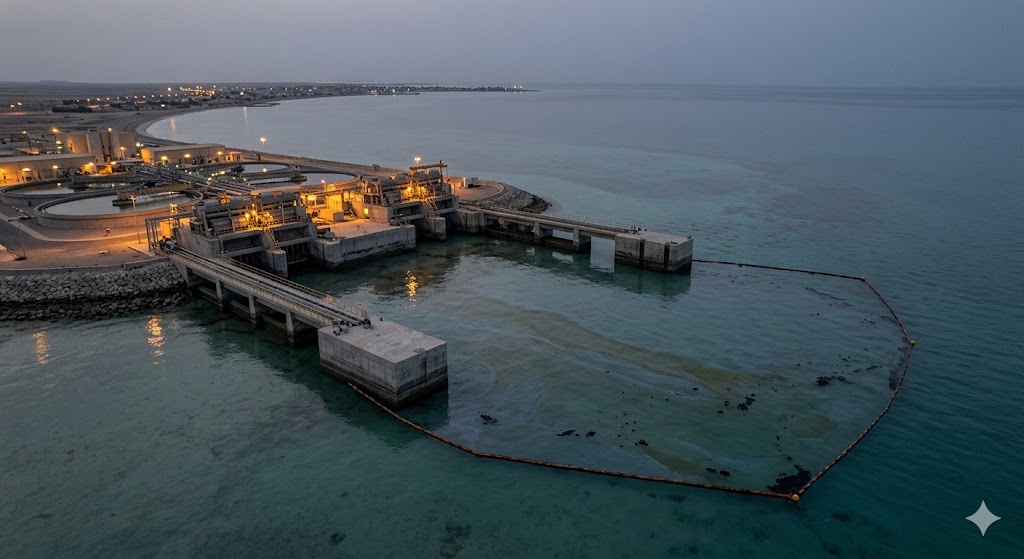
Vulnerable Ecosystems and Infrastructure
Conclusion
The oil slick detected off Iran’s Kharg Island serves as a timely reminder of the environmental risks inherent in the Persian Gulf’s critical energy corridor. Professor Chuk Okereke’s warning—that such an incident could rapidly become a multifaceted disaster—resonates strongly given the region’s ecological sensitivity and strategic importance.
While the full extent and cause remain subjects of analysis and debate, the episode underscores the need for robust infrastructure maintenance, transparent reporting, and effective regional cooperation. As the slick’s movement is tracked and experts continue to assess risks, the international community watches closely.
Protecting the Persian Gulf’s marine environment is not only an ecological imperative but also essential for the economic well-being and stability of millions who depend on its resources. Sustained vigilance and proactive measures will be key to preventing this incident from escalating into the broader catastrophe that specialists fear.
Ongoing developments will continue to shape responses and policy discussions in the weeks ahead. For those invested in energy security, environmental protection, and regional stability, the situation at Kharg Island merits careful attention.