"IRGC Warns US on Ships as Israel Strikes Lebanon"
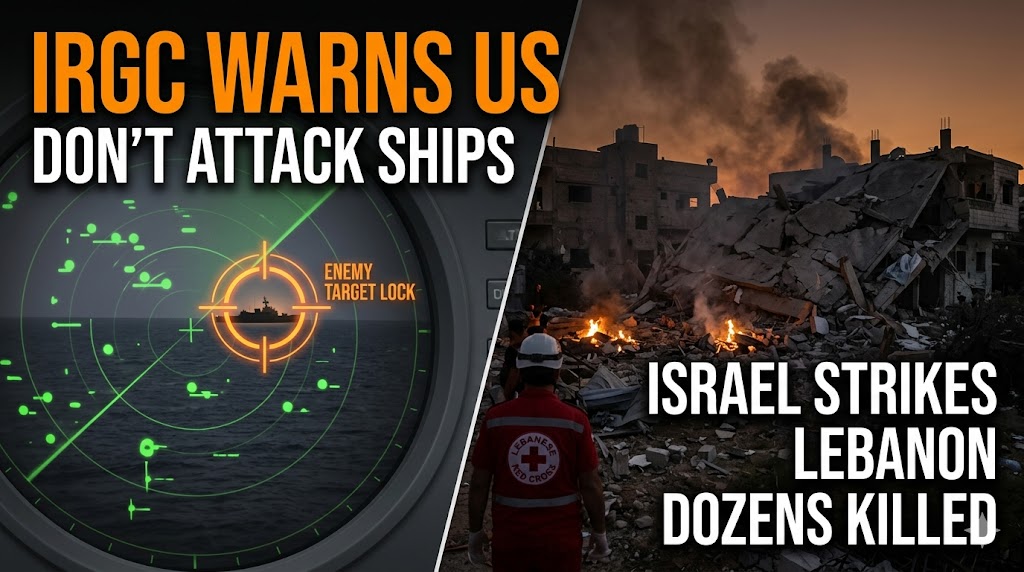
Tensions across the Middle East escalated once again on May 10-11, 2026, as Iran’s Islamic Revolutionary Guard Corps (IRGC) delivered a stern warning to the United States against any further attacks on Iranian vessels, while Israeli military operations in Lebanon resulted in significant casualties despite an existing ceasefire. These parallel developments highlight the fragile nature of current diplomatic efforts and the interconnected conflicts spanning the Persian Gulf to the Levant.
The IRGC’s statement came shortly after reported US actions against Iranian tankers, underscoring Tehran’s determination to protect its maritime interests. Simultaneously, Israeli strikes across southern Lebanon have killed at least two dozen people in recent days, testing the limits of a US-brokered truce with Hezbollah.
This in-depth analysis explores the latest incidents, their historical context, the strategic implications, international reactions, and potential paths forward. As the region stands at a critical juncture, understanding these events is vital for assessing risks to global energy security and broader stability.
The IRGC’s Warning to the United States
On May 10, 2026, the IRGC Navy Command issued a direct and forceful statement. It warned that any aggression against Iranian oil tankers or commercial vessels would trigger a “heavy attack” on US military centers in the region and “enemy ships.” The statement further noted that IRGC Aerospace Force missiles and drones have locked onto American targets.
This warning follows reports of US naval actions in the Gulf of Oman and near the Strait of Hormuz, where American forces reportedly engaged Iranian vessels amid enforcement of measures related to the ongoing standoff. Iranian officials described these incidents as provocations that threaten vital economic lifelines.
The IRGC emphasized that its response would be decisive, aimed at deterring what it views as economic warfare through maritime interdiction. Such rhetoric is not new but carries added weight given the current fragile ceasefire between the US and Iran.
Israeli Strikes in Lebanon: Latest Developments
In parallel, Israeli forces conducted multiple airstrikes and operations across southern Lebanon, resulting in at least 24 deaths according to Lebanese health authorities. One particularly severe strike in al-Saksakieh killed several members of a displaced family, including children. Additional attacks targeted areas near Sidon, Tyre, and other locations.
Lebanese officials and civil defense teams reported significant civilian impact, with hospitals strained by incoming casualties. Israel has justified the operations as necessary to neutralize Hezbollah infrastructure and threats along its northern border. Hezbollah, in turn, has claimed retaliatory actions, including rocket and drone strikes on Israeli positions.
These incidents occur despite a US-brokered ceasefire that took effect in mid-April 2026. While the truce has reduced the intensity of fighting, violations on both sides continue to undermine its credibility and raise fears of full collapse.
Historical Context of US-Iran Maritime Tensions
Maritime disputes in the Persian Gulf have long been a flashpoint. The IRGC, as a powerful military and economic force within Iran, has historically played a central role in protecting Iranian interests in these waters. Past incidents, including tanker seizures and naval confrontations, have repeatedly brought the US and Iran to the brink of direct conflict.
The current episode is linked to broader hostilities that intensified in early 2026, involving direct exchanges and proxy battles. The Strait of Hormuz, through which a substantial portion of global oil passes, remains the strategic focal point. Disruptions here carry immediate consequences for energy prices and international trade.
The Israel-Lebanon border has seen recurring violence for decades, with the latest major round beginning in March 2026. Hezbollah’s rocket attacks in solidarity with other regional actors prompted a strong Israeli response, including ground incursions into southern Lebanon.
While a ceasefire was announced, implementation has been uneven. Israel maintains that it must address remaining threats from Hezbollah’s military capabilities, while Lebanon and Hezbollah accuse Israel of occupying territory and conducting disproportionate strikes. Civilian populations on both sides continue to bear the brunt of these exchanges.
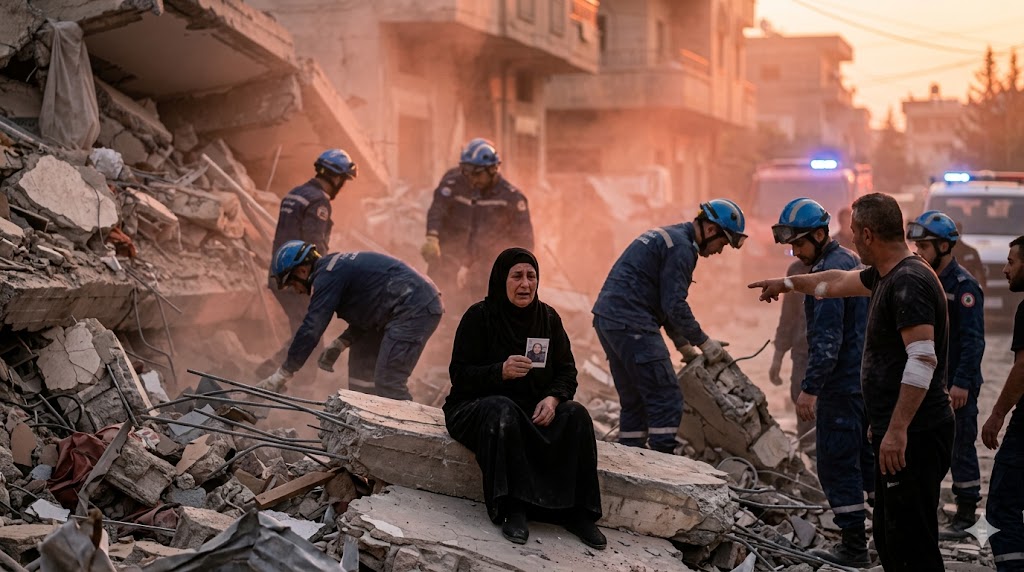
humanitarian aid and conditions
Strategic and Geopolitical Implications
The convergence of these events creates a complex strategic picture. The IRGC’s warnings serve both as deterrence and domestic signaling, reinforcing Iran’s resolve amid negotiations with the United States. For Israel, operations in Lebanon reflect longstanding security doctrines prioritizing the elimination of perceived existential threats.
These developments occur as the US awaits a more acceptable response from Iran on a broader peace proposal. Any escalation in either theater could derail diplomatic progress and widen the conflict, drawing in additional actors and affecting global markets.
International Reactions
The international community has expressed concern over the latest flare-ups. European nations and Arab states have called for restraint and full adherence to ceasefire terms. The United Nations has reiterated appeals for civilian protection and de-escalation.
Russia and China, traditional partners of Iran, have criticized what they describe as provocative actions by the US and Israel. Meanwhile, Western allies have largely supported Israel’s right to self-defense while urging measured responses.
Humanitarian Impact
The human cost remains significant. In Lebanon, repeated strikes have caused deaths, injuries, and further displacement in an already strained population. Families mourn loved ones while grappling with destroyed homes and infrastructure. In the Gulf, maritime tensions raise risks of environmental disasters from potential oil spills and disrupt livelihoods dependent on shipping and fishing.
Long-term effects include psychological trauma, economic setbacks, and challenges to reconstruction efforts in affected areas.
Challenges to Ceasefire and Diplomacy
Enforcing ceasefires in such polarized environments proves exceptionally difficult. Mutual distrust, differing interpretations of agreements, and the presence of non-state actors complicate matters. Technical issues, such as monitoring mechanisms and demarcation lines, add further hurdles.
The linkage between the US-Iran track and the Israel-Hezbollah front creates additional complexity. Progress on one may influence the other, but setbacks can cascade across theaters.
Economic Consequences
Beyond immediate security concerns, these events influence global economics. Threats to shipping in the Strait of Hormuz contribute to volatility in oil prices. Prolonged uncertainty affects investor confidence, supply chains, and energy-dependent economies worldwide.
Prospects for De-escalation
Despite the tensions, there are signs that both sides may prefer managed confrontation over all-out war. Diplomatic channels remain active, with mediators working behind the scenes. The coming days will be critical as Iran formulates responses and Israel assesses its northern border security needs.
Experts suggest that inclusive talks addressing core grievances — security for Israel, sovereignty for Lebanon, and economic relief for Iran — offer the best chance for sustainable calm.
Broader Regional Dynamics
The situation reflects deeper shifts in Middle East power balances. Iran’s “axis of resistance,” Israel’s security posture, and US strategic retrenchment or engagement all play roles. Outcomes here could influence conflicts elsewhere and shape future alliances.
Looking Ahead
As the IRGC maintains its vigilance over maritime routes and Israel continues operations in Lebanon, the risk of miscalculation remains real. Leaders on all sides face pressure to protect national interests while avoiding catastrophic escalation.
International diplomacy, backed by credible guarantees and monitoring, will be essential. For civilians in the region, the priority is an end to violence and the beginning of recovery.
Conclusion
The IRGC’s sharp warning to the US regarding attacks on ships, coupled with continued Israeli strikes in Lebanon, illustrates the precarious security environment in the Middle East as of May 2026. These events test the durability of existing ceasefires and the prospects for broader peace agreements.
While challenges abound, sustained dialogue and pragmatic compromises could still steer the region away from wider conflict. The coming weeks will reveal whether restraint prevails or if tensions spiral further. Global stakeholders have a vested interest in supporting de-escalation and long-term stability for the benefit of all peoples in the region.