US Awaits Iran Response to Peace Proposal and War 2026
.jpeg)
As of May 11, 2026, the United States continues to await Iran’s official response to a detailed peace proposal designed to bring an end to the recent conflict between the two nations. This latest diplomatic effort comes after more than two months of hostilities that have disrupted global energy markets, heightened regional tensions, and raised concerns about broader escalation in the Middle East.
The proposal, which includes a one-page memorandum of understanding, seeks to formalize a ceasefire, reopen the critical Strait of Hormuz to commercial shipping, and establish a framework for addressing longer-term issues such as Iran’s nuclear program and economic sanctions. President Donald Trump and senior U.S. officials have expressed cautious optimism, while Iranian leaders have indicated they are carefully reviewing the terms amid internal deliberations.
This article provides a thorough examination of the current diplomatic situation, the background of the conflict, the key elements of the proposal, potential challenges, and the wider implications for regional and global stability. Understanding these developments is essential for grasping the delicate balance of power in one of the world’s most volatile regions.
Current Status of Diplomatic Efforts
U.S. officials, including Secretary of State Marco Rubio, have stated that Washington expects a formal reply from Tehran in the near term. President Trump has publicly noted on multiple occasions that a response could come “very soon” or even “any minute,” while emphasizing that the United States remains committed to securing a deal that protects American interests and promotes lasting peace.
Mediators, particularly from Pakistan, have played a significant role in facilitating communication between the two sides. The current proposal builds on earlier ceasefire agreements reached in April 2026, which have held tenuously despite occasional flare-ups. Both nations have maintained that the ceasefire remains in effect even as indirect talks continue.
Iranian state media and officials have confirmed that the proposal is under review. Tehran has expressed interest in ending hostilities but has stressed the need for comprehensive concessions, including substantial sanctions relief and guarantees regarding its sovereignty and security concerns.
Background of the US-Iran Conflict
The recent war traces its immediate roots to escalating tensions that boiled over in early 2026. A series of confrontations, including incidents in the Strait of Hormuz, cyberattacks, and proxy conflicts, led to direct exchanges between U.S. and Iranian forces. The conflict, though limited in scope compared to full-scale wars, disrupted oil shipments and caused economic ripples worldwide.
For decades, relations between Washington and Tehran have been marked by deep mistrust stemming from the 1979 Iranian Revolution, the nuclear dispute, sanctions, and differing regional ambitions. Previous attempts at diplomacy, such as the 2015 Joint Comprehensive Plan of Action (JCPOA), faced repeated challenges and eventual withdrawal by the United States.
The 2025-2026 period saw renewed efforts at negotiation, but underlying issues — including Iran’s nuclear enrichment activities, ballistic missile development, and support for regional groups — prevented lasting agreements. The latest round of fighting prompted urgent international calls for de-escalation, with countries like China and European nations urging both sides toward dialogue.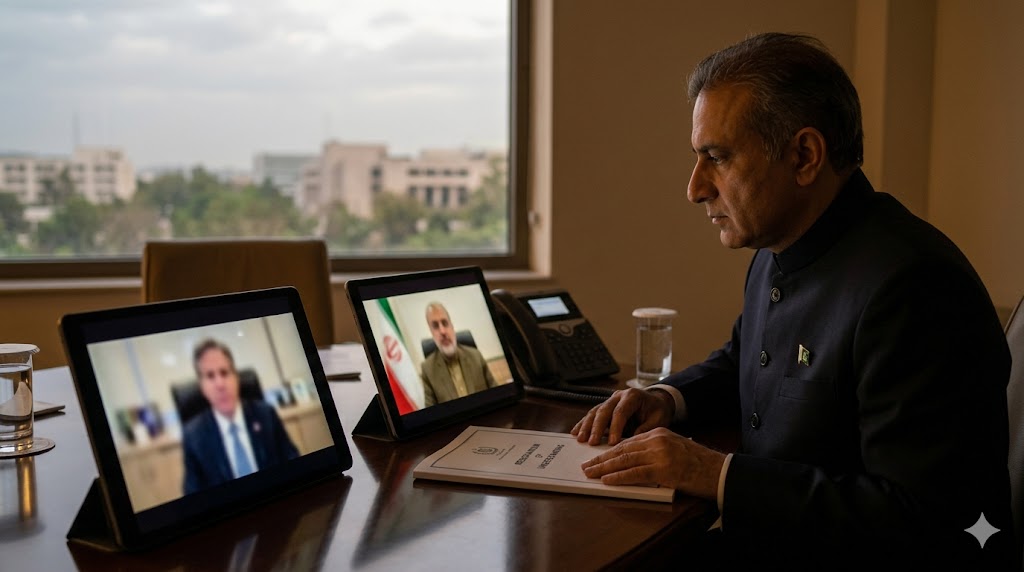
Facilitating Dialogue
Key Elements of the Current US Proposal
According to reports from multiple sources familiar with the negotiations, the U.S. proposal centers on a concise 14-point memorandum. Major components include:
Formal ending of active hostilities and confirmation of the ceasefire.
Mutual reopening of the Strait of Hormuz within 30 days, with both sides lifting blockades and ensuring safe passage for commercial vessels.
Commitments from Iran regarding its nuclear program, including a moratorium on uranium enrichment for an extended period and restrictions on stockpiles.
Gradual lifting of certain U.S. sanctions and potential release of frozen Iranian assets in exchange for verifiable compliance.
Framework for subsequent detailed negotiations on broader issues, including regional security and economic cooperation.
The proposal aims to separate immediate de-escalation measures from more complex long-term disputes, providing a phased approach that allows both sides space to build confidence.
Iran’s Perspective and Potential Response
Iranian officials have indicated that any final agreement must address what they view as core grievances, including economic relief and respect for national sovereignty. Tehran has previously submitted its own counter-proposals emphasizing the lifting of all sanctions and guarantees against future military actions.
Internal dynamics within Iran play a significant role. Hardline factions may resist concessions on the nuclear program, while more pragmatic voices recognize the economic toll of continued conflict. The leadership in Tehran is balancing these domestic considerations with the strategic need to secure relief from international pressures.
Analysts suggest that Iran may accept a modified version of the proposal but is likely to push back on certain nuclear-related demands. The response, when delivered, is expected to go through Pakistani mediators for further refinement.
Role of Mediators and International Involvement
Pakistan has emerged as a key intermediary, leveraging its relationships with both Washington and Tehran. Other actors, including Oman and China, have also contributed to backchannel communications. The involvement of multiple parties reflects the international stakes involved, particularly concerning global energy security.
The United Nations and various European countries have welcomed the diplomatic progress while calling for full implementation of any agreement reached. Israel, which maintains its own security concerns regarding Iran, has been closely monitoring developments.
Economic and Humanitarian Implications
The conflict has driven up global oil prices, affecting economies far beyond the Middle East. Reopening the Strait of Hormuz — through which a significant portion of the world’s oil passes — remains a priority for stabilizing energy markets.
On the humanitarian front, the war has caused casualties, displacement, and strain on civilian infrastructure in affected areas. A successful peace agreement could pave the way for increased aid and reconstruction efforts.
Challenges to Reaching a Final Agreement
Several obstacles remain. Deep-seated mistrust between the two governments means that verification mechanisms will be crucial. Differences over the timeline for sanctions relief and the extent of nuclear restrictions could prolong negotiations.
Domestic politics in both countries add another layer of complexity. In the United States, any deal must withstand scrutiny from Congress and various interest groups. In Iran, the supreme leadership’s approval is essential for any binding commitment.
Regional dynamics, including ongoing tensions involving Israel, Hezbollah, and other actors, could also influence the process. Recent incidents in Lebanon have highlighted how interconnected these issues are.
Strategic Importance of the Strait of Hormuz
The Strait of Hormuz represents a critical chokepoint for global trade. Disruptions here have immediate consequences for energy prices and supply chains. Both the U.S. and Iran have deployed naval assets in the area, making mutual de-escalation particularly significant.
Successful implementation of the proposal would not only ease immediate tensions but also demonstrate that diplomacy can resolve even highly charged confrontations.
Potential Outcomes and Scenarios
Optimistic scenarios envision a phased agreement leading to broader détente, economic recovery for Iran, and reduced U.S. military commitments in the region. Pessimistic views warn that failure could result in renewed escalation, further isolation of Iran, and higher risks of miscalculation.
Most experts anticipate a period of intense negotiation following Iran’s response, with both sides seeking to extract maximum advantage while avoiding full resumption of conflict.
Broader Geopolitical Context
This diplomatic engagement occurs against a backdrop of shifting global alliances. China’s growing influence in the Middle East, Russia’s ongoing international challenges, and evolving U.S. priorities under the current administration all shape the environment in which these talks take place.
A resolution could have ripple effects on nuclear non-proliferation efforts, energy markets, and future conflict prevention strategies worldwide.
Looking Ahead: Prospects for Peace
As the United States awaits Iran’s response, the coming days or weeks will be critical. Both sides appear motivated to avoid a return to full-scale confrontation, yet neither is willing to concede core principles without reciprocal gestures.
The path to lasting peace requires patience, creative diplomacy, and sustained international support. Should the current proposal succeed, it could mark a turning point in one of the modern era’s most enduring rivalries.
For now, global attention remains fixed on Tehran’s forthcoming communication and Washington’s reaction. The stakes are high, but so too is the potential reward of stability in a strategically vital part of the world.

Strategic Stakes
Conclusion
The ongoing wait for Iran’s response to the U.S. peace proposal encapsulates the complexities of modern international relations. With careful negotiation and mutual compromise, there remains a genuine opportunity to end the current conflict and lay foundations for more stable relations.
As developments unfold, the international community will be watching closely. Success in these talks could offer valuable lessons for addressing other protracted disputes, while failure risks renewed uncertainty and hardship. For the people of the region and beyond, the hope is that diplomacy ultimately prevails over continued confrontation.