Israel Strikes Lebanon Killing 19 as US Awaits Iran Response
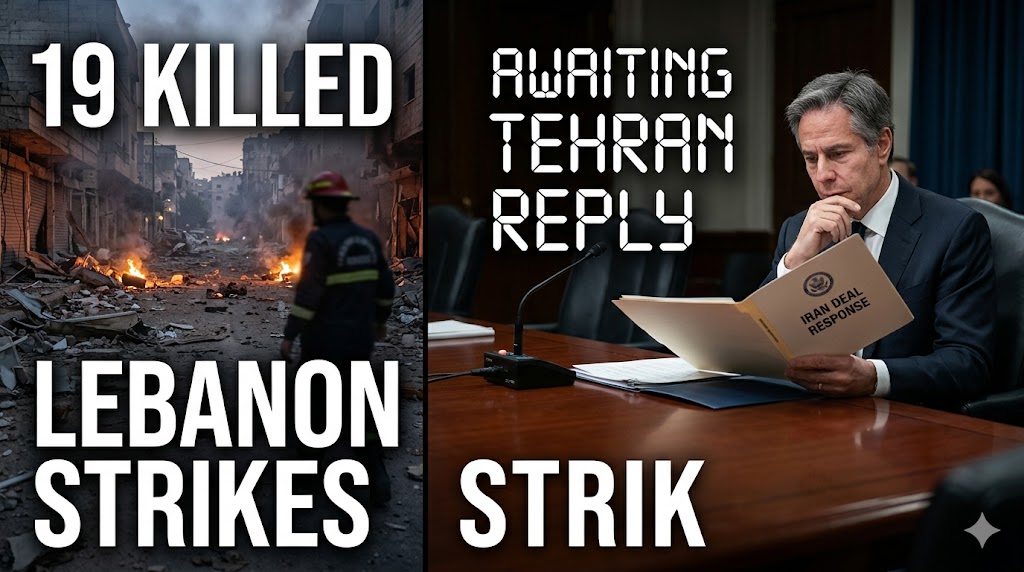
Tensions in the Middle East remain critically high as Israeli military operations in Lebanon have resulted in at least 19 deaths in recent strikes, even as diplomatic efforts between the United States and Iran appear to be reaching a pivotal moment. The latest violence comes against the backdrop of a U.S.-brokered ceasefire that many hoped would bring stability to the region but which continues to face significant challenges on the ground.
This incident highlights the complex interplay between bilateral negotiations and longstanding proxy conflicts. While Washington focuses on securing Iran’s response to a broader peace proposal, events in southern Lebanon underscore the fragility of current arrangements and the potential for escalation that could derail larger diplomatic initiatives.
In this detailed analysis, we examine the sequence of events, the human impact, the diplomatic context, and the wider implications for regional stability. Understanding these developments requires looking at both immediate triggers and deeper historical roots.
Timeline of the Latest Strikes
According to reports from Lebanese authorities and international media, Israeli forces conducted multiple airstrikes and operations across southern Lebanon on or around May 9-10, 2026. The attacks targeted various locations, resulting in the reported deaths of at least 19 individuals, with additional casualties and injuries documented in towns such as al-Saksakieh and areas near Sidon and Tyre.
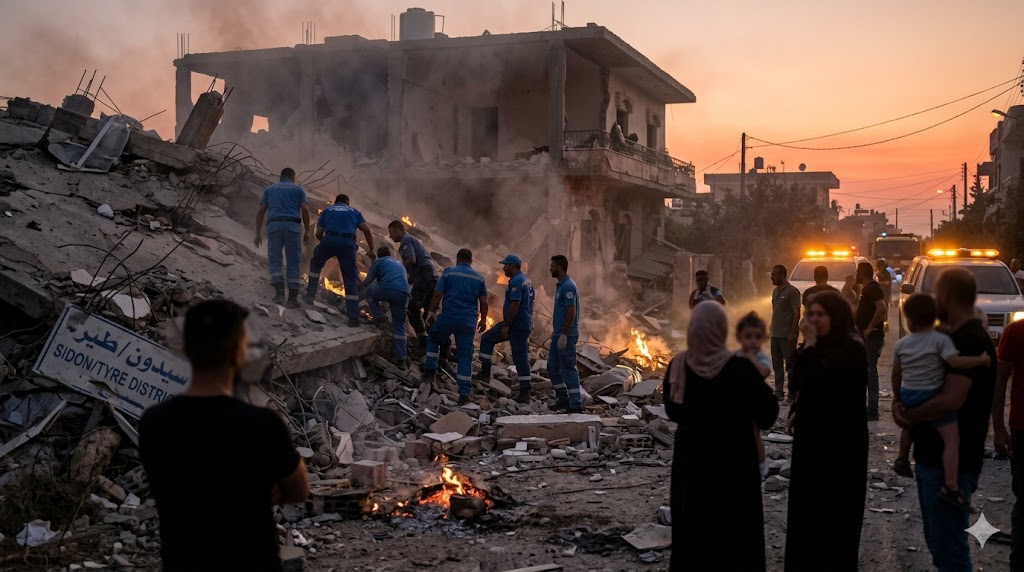
One particularly tragic strike in al-Saksakieh killed several members of a displaced family, including children, prompting widespread mourning and condemnation. Lebanese health officials and civil defense teams have been working amid ongoing challenges to recover bodies and treat the wounded. Eyewitness accounts describe scenes of rubble and emergency responders searching for survivors under difficult conditions.
Israel has stated that its operations were aimed at Hezbollah targets and infrastructure, claiming to have neutralized threats including commanders and military positions. The Israeli Defense Forces (IDF) have emphasized that such actions are defensive in nature and necessary to protect its borders and citizens from rocket and drone attacks. Hezbollah, for its part, has reported launching retaliatory strikes, with claims of damaging Israeli positions and inflicting casualties.
These exchanges occur despite the existence of a ceasefire agreement brokered earlier, which was intended to de-escalate hostilities following a period of intense conflict involving multiple regional actors.
At the heart of current regional dynamics is the ongoing dialogue between the United States and Iran. American officials are currently awaiting Tehran’s official response to a proposed deal that seeks to address key issues, including reopening the Strait of Hormuz, lifting certain sanctions, and establishing frameworks for longer-term peace.
The proposal, mediated in part through channels involving Pakistan and other intermediaries, aims to formally conclude aspects of recent hostilities while setting the stage for further negotiations on Iran’s nuclear program and maritime security. President Trump and his administration have expressed optimism about reaching an understanding, though key sticking points remain, particularly around enrichment activities and verification mechanisms.
Iran has indicated it is reviewing the terms and has submitted counterproposals emphasizing comprehensive security guarantees and an end to conflicts on multiple fronts, including Lebanon. Officials in Tehran have stressed that any agreement must address the safety of shipping lanes and provide relief from economic pressures. As of the latest updates, a formal reply is anticipated soon, with both sides signaling willingness to continue talks while maintaining firm positions on core interests.
The timing of the Lebanon strikes adds complexity, raising questions about coordination and the extent to which the ceasefire covers proxy theaters of conflict.
The Human Toll
Historical Background of the Israel-Hezbollah Conflict
The current flare-ups are part of a long-standing rivalry between Israel and Hezbollah, the Iran-backed Lebanese militant group. Hostilities date back decades, with major escalations in 2006 and renewed intensity following the events of October 2023. The 2024-2025 period saw significant exchanges, leading to a U.S.-brokered ceasefire in late 2024 that has been repeatedly tested.
In early 2026, broader regional war involving direct US-Iran confrontations further complicated the situation. Hezbollah’s involvement, including rocket barrages toward Israel, prompted Israeli responses that have included ground operations and extensive airstrikes. Casualty figures from the extended conflict run into the thousands on the Lebanese side, with substantial displacement and infrastructure damage reported across the country.
Both parties accuse the other of violations. Israel points to Hezbollah’s continued militarization and attacks near the border, while Lebanese officials and Hezbollah claim Israeli incursions and disproportionate force undermine the truce.
Humanitarian Impact and Civilian Toll
The human cost of these recurring strikes is profound. Lebanese authorities report that recent operations have affected civilian populations, including displaced families seeking shelter in southern villages. Incidents involving strikes near residential areas or on emergency responders have drawn particular concern from human rights observers.
Hospitals in affected regions are strained, and international aid organizations have called for unimpeded access to deliver assistance. The broader conflict has displaced over a million people in Lebanon at various points, exacerbating an already challenging economic and social situation.
On the Israeli side, rocket attacks and border incidents have caused injuries and heightened security alerts in northern communities. The cycle of violence continues to claim lives and create fear on both sides of the border.
International Reactions and Diplomatic Efforts
The international community has expressed alarm over the latest developments. The United States has reiterated support for Israel’s security while urging restraint and adherence to ceasefire terms. European nations and Arab states have called for de-escalation, emphasizing the need for a comprehensive political solution.
The United Nations and various humanitarian bodies have renewed appeals for protection of civilians and respect for international law. Some analysts suggest that progress in US-Iran talks could create positive momentum for Lebanon, provided that linked conflicts are addressed holistically.
Challenges remain in enforcing any agreements, given the multiple armed actors and differing interpretations of ceasefire provisions.
Strategic and Geopolitical Implications
The intersection of the Lebanon front with US-Iran negotiations illustrates the interconnected nature of Middle East security issues. The Strait of Hormuz, a critical chokepoint for global oil supplies, features prominently in diplomatic discussions. Disruptions there have economic repercussions far beyond the region.
For Israel, neutralizing perceived threats from Hezbollah and Iranian influence is a core national security priority. For Lebanon, the conflict brings devastation and political strain, with the government caught between domestic pressures and external alliances. Iran views its support for groups like Hezbollah as part of a broader axis of resistance, though it also seeks relief from sanctions and isolation.
A successful US-Iran deal could reshape alliances and open pathways to wider stability, but failure or partial implementation risks renewed escalation across multiple theaters.
Challenges to Ceasefire Implementation
Previous ceasefires have struggled due to mutual distrust, technical disagreements over demarcation lines, and the presence of advanced weaponry. Monitoring mechanisms are often limited, and incidents can quickly spiral if not contained through backchannel communications.
Experts highlight the importance of inclusive dialogue that addresses underlying grievances, including border disputes, arms flows, and political representation in Lebanon. Without addressing root causes, temporary halts in fighting may prove short-lived.
Looking Ahead: Prospects for Peace
As the United States reviews Iran’s anticipated response, the coming days could prove decisive. Optimists point to signs of pragmatic engagement from all parties, while realists caution that deep-seated differences will require sustained effort and compromises.
For the people of Lebanon and Israel, the priority remains an end to bloodshed and the ability to live without constant fear of attack. Rebuilding trust and infrastructure will take years, but diplomatic breakthroughs offer a glimmer of hope.
International stakeholders, including mediators from Pakistan and others, may play crucial roles in bridging gaps. Ultimately, any lasting resolution will depend on the political will of the primary actors and their willingness to prioritize long-term stability over immediate tactical gains.

The Diplomatic Standoff
Conclusion
The recent Israeli strikes in Lebanon that claimed at least 19 lives serve as a stark reminder of the volatile security environment in the Middle East. While the United States awaits Iran’s reply to a significant peace proposal, events on the ground in southern Lebanon illustrate how interconnected and fragile the current situation remains.
Moving forward, sustained diplomacy, careful management of ceasefire violations, and genuine efforts to protect civilian lives will be essential. The region stands at a crossroads where choices made today could determine whether escalation gives way to a more stable and prosperous future for all involved.
This ongoing story demands close attention from policymakers, analysts, and the global public alike. As developments unfold, the hope persists that dialogue will prevail over conflict and that the cycle of violence can finally be broken.