Hormuz Clashes Spark War Fears as UAE Intercepts Missiles
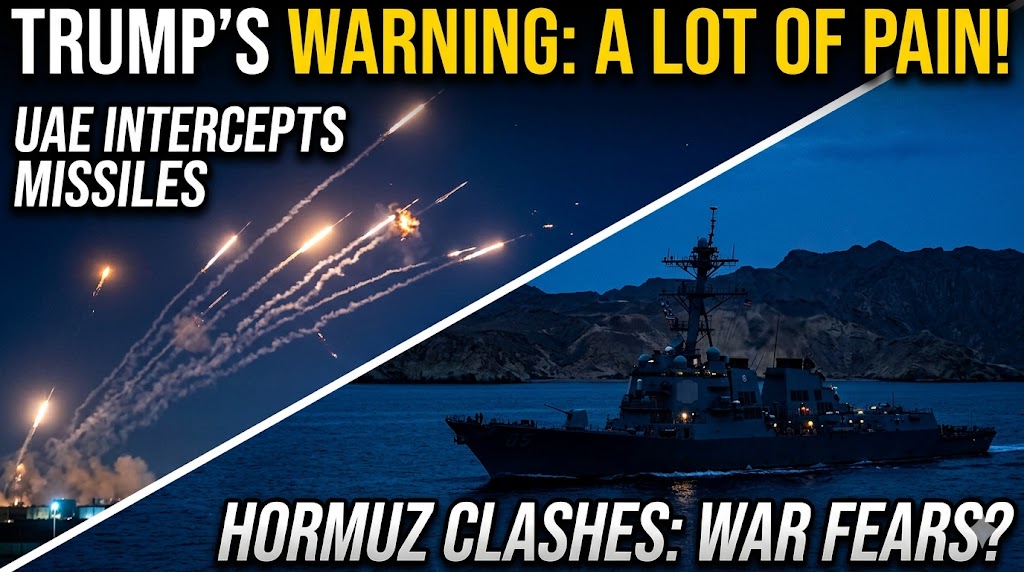
Tensions in the Middle East escalated sharply in early May 2026 as naval exchanges in the Strait of Hormuz triggered fresh Iranian attacks, prompting the United Arab Emirates to intercept multiple missiles and drones. President Donald Trump responded with strong warnings, stating that Iran would face “a lot of pain” if it failed to reach a comprehensive agreement. These developments have raised serious concerns about the stability of the fragile ceasefire and the potential for wider conflict.
The incidents highlight the precarious balance in the Gulf, where maritime security, energy flows, and regional alliances intersect. This article examines the sequence of events, technical details of the interceptions, Trump’s statements, broader geopolitical implications, and the human and economic costs affecting the region.
The latest flare-up began with reported exchanges between US and Iranian forces in the Strait of Hormuz. US Central Command described defensive actions against Iranian vessels and small boats attempting to disrupt commercial shipping. In response, Iranian forces allegedly launched missiles and drones toward Gulf targets, including the UAE.
On May 4-5, the UAE’s Ministry of Defence confirmed that its air defense systems engaged multiple threats, including ballistic missiles, cruise missiles, and drones. Explosions heard across the country were attributed to successful interceptions. A drone strike caused a fire at an oil facility in Fujairah, injuring three Indian nationals. Similar incidents continued into subsequent days, testing the Pakistan-mediated ceasefire established in early April.
These events occurred against the backdrop of US-led efforts to restore freedom of navigation through “Project Freedom,” aimed at protecting commercial vessels in the vital waterway.
UAE’s Robust Defense Response
The UAE demonstrated the effectiveness of its advanced multi-layered air defense network once again. Systems including Patriot and THAAD successfully intercepted the majority of incoming threats. Official statements noted the engagement of around 12-19 projectiles in the initial wave, with sounds of explosions resulting from defensive actions rather than impacts on the ground.
Despite high interception rates, falling debris and one drone strike caused limited damage and injuries. The UAE reserved the right to respond appropriately while calling for de-escalation and respect for its sovereignty. These incidents add to a cumulative total of hundreds of interceptions since February 2026, underscoring both the country’s preparedness and the persistent nature of the threat.
Trump’s Strong Warning: “A Lot of Pain”
President Donald Trump issued pointed remarks during public appearances and media interactions in early May. He described recent US actions as a “love tap” while cautioning that failure to reach a deal would result in significantly stronger measures. Trump emphasized that Iran “better hope” the ceasefire holds and warned of severe consequences if attacks on US assets or allies continued.
His comments combined reassurance about ongoing diplomatic talks with clear deterrence messaging. Trump reiterated the US commitment to protecting freedom of navigation and supporting regional partners while pressing for a comprehensive agreement addressing nuclear issues, regional proxies, and maritime security.
Strategic Significance of the Strait of Hormuz
The Strait of Hormuz remains the epicenter of these tensions. As a narrow chokepoint carrying approximately 20% of global oil trade, any disruption carries massive economic consequences. Recent naval incidents, including reported sinkings of Iranian boats and warnings to commercial shipping, have heightened risks for energy markets and international trade.
Iran has historically viewed the strait as a leverage point, while the US and its partners insist on unrestricted passage for commercial vessels. The latest Hormuz exchange has sparked renewed fears of a broader closure or escalation that could send oil prices soaring and trigger global economic ripples.
Impact on the Fragile Ceasefire
The Pakistan-brokered ceasefire, in place since early April, was intended to halt direct US-Iran hostilities following earlier strikes. However, repeated violations — through proxy actions, maritime clashes, and aerial attacks — have eroded confidence. Both sides accuse the other of provocation, complicating diplomatic efforts.
The involvement of the UAE, a key US ally, adds another layer of complexity. Attacks on Gulf states risk drawing them more directly into the conflict and internationalizing the dispute further.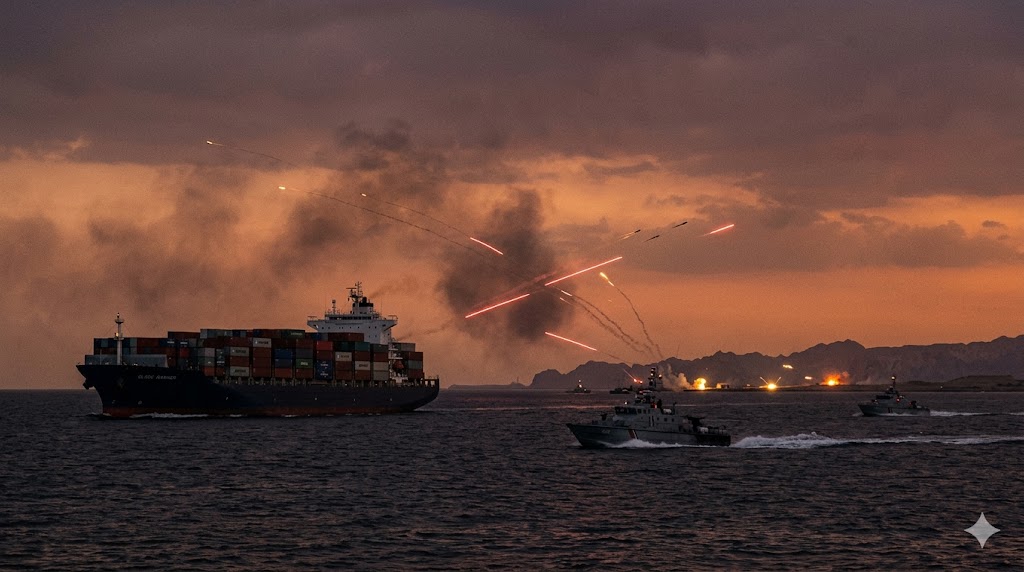
Impacts on Strait of hormuz
Regional and International Reactions
Gulf Cooperation Council countries have expressed concern and bolstered defenses while urging restraint. Saudi Arabia and others have called for dialogue to prevent wider instability. Iran has denied some specific attacks on the UAE while warning against alignment with US policies.
Internationally, major powers are monitoring developments closely. European nations and Asian economies dependent on Gulf energy have voiced worries about supply security. The United Nations and other forums continue to push for de-escalation, though progress remains slow amid deep mistrust.
Economic Consequences and Market Volatility
Energy markets reacted sharply to the news, with oil prices climbing amid fears of prolonged disruption. Insurance costs for shipping in the region have risen, and some operators have rerouted vessels or demanded higher premiums. The UAE’s diversification efforts provide some resilience, but prolonged tensions threaten investor confidence, tourism, and non-oil sectors.
Global ripple effects include higher fuel costs, inflationary pressures, and challenges for industries reliant on stable energy supplies. Long-term, sustained instability could accelerate shifts toward alternative energy routes and sources.
Humanitarian and Security Challenges
Even limited attacks have caused injuries and localized damage. The psychological impact on civilian populations, combined with the constant state of alert, adds strain. Broader humanitarian concerns include potential refugee flows, disruptions to food and medical supplies, and risks to critical infrastructure such as desalination plants.
Security experts highlight the dangers of miscalculation in a high-threat environment where rapid response times are critical.
Technical Aspects of Modern Air Defense
The UAE’s success in intercepting sophisticated threats demonstrates advancements in radar technology, command-and-control systems, and interceptor capabilities. Handling mixed salvos of ballistic missiles and drones requires integrated layered defenses and real-time intelligence sharing.
Challenges persist, including the high cost of interceptions, managing saturation attacks, and dealing with debris. Ongoing investments and international partnerships remain vital for maintaining effectiveness.
Diplomatic Pathways Forward
Despite the clashes, both sides have indicated openness to talks. Trump’s emphasis on a deal suggests potential for negotiated resolutions covering nuclear limitations, sanctions relief, and security guarantees. However, deep divisions over regional influence, proxy militias, and verification mechanisms complicate progress.
Successful diplomacy would require addressing core security concerns of all parties while ensuring freedom of navigation and economic stability.
Long-Term Outlook for Regional Stability
The current cycle of provocation and response risks entrenching divisions and accelerating an arms race in the Gulf. Conversely, it may create urgency for a more durable agreement. The coming weeks will be critical in determining whether tensions subside or escalate further.
For Gulf states, balancing security alliances with economic pragmatism remains a delicate task. Enhanced regional cooperation, diversified energy strategies, and robust diplomacy offer the best chances for long-term peace and prosperity.
Conclusion
The recent Hormuz exchange and subsequent UAE interceptions of missiles and drones have reignited war fears in an already volatile region. President Trump’s stark warning of “a lot of pain” for Iran if no agreement is reached underscores the high stakes involved. While defensive successes have limited immediate damage, the incidents expose the fragility of the ceasefire and the potential for rapid escalation.
Sustainable resolution demands clear communication, mutual compromises, and international support. As diplomatic efforts continue amid ongoing military posturing, the priority must remain preventing miscalculation and protecting the stability essential for regional and global prosperity. The coming days will test the resolve and wisdom of all parties involved in this complex crisis.