UAE Intercepts Iranian Missiles and Drones After US Strikes
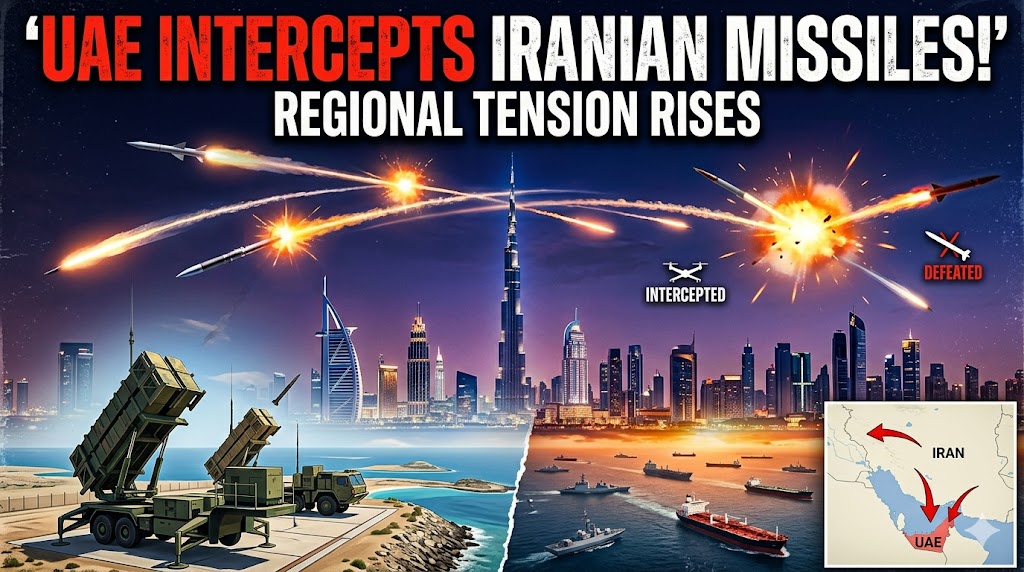
On May 8, 2026, the United Arab Emirates reported that its air defense systems successfully engaged and intercepted multiple Iranian-launched threats, including two ballistic missiles and three drones. The incident occurred just hours after renewed naval confrontations between US and Iranian forces in the Strait of Hormuz, further testing the fragile ceasefire that had been holding since early April.
Three individuals sustained moderate injuries from the engagement, though no fatalities were reported. Sounds of explosions heard across parts of the country were attributed to successful interceptions rather than direct impacts. This latest episode in the ongoing US-Iran tensions highlights the vulnerability of Gulf states and the complex web of proxy and direct actions shaping regional security.
This article examines the sequence of events, technical aspects of the interception, broader geopolitical context, and potential consequences for stability in the Middle East.
Timeline of Events on May 8, 2026
The day began with reports of US forces engaging Iranian vessels in the Strait of Hormuz. According to US statements, American naval units thwarted attacks on their ships and responded by disabling two Iranian oil tankers attempting to challenge the maritime restrictions.
Hours later, the UAE Ministry of Defence announced that its air defense systems were actively engaging incoming threats. The projectiles originated from Iran, prompting a swift and coordinated response from advanced systems including Patriot and THAAD batteries stationed across the emirates.
The UAE confirmed that the interceptions resulted in three moderate injuries, likely from falling debris or shrapnel. Authorities urged residents to avoid any fallen fragments and remain vigilant. This marked another instance of direct aerial threats against the UAE since the wider conflict erupted earlier in the year.
UAE Air Defense Capabilities
The UAE possesses one of the most sophisticated multi-layered air defense networks in the region. Integration of American-supplied Patriot and Terminal High Altitude Area Defense (THAAD) systems, alongside other advanced radars and interceptors, has enabled the country to neutralize hundreds of incoming threats since February 2026.
Official figures indicate that, cumulatively, UAE defenses have intercepted over 550 ballistic missiles, nearly 30 cruise missiles, and more than 2,260 drones. This latest successful engagement against two ballistic missiles and three drones underscores the effectiveness of these investments in protecting critical infrastructure, population centers, and economic assets.
The systems demonstrated rapid detection, tracking, and neutralization capabilities even in a high-tempo threat environment. Sounds of explosions reported in Abu Dhabi, Dubai, and other areas were confirmed as defensive actions, helping to reassure the public while minimizing panic.
Context of Renewed US-Iran Hostilities
The May 8 incidents follow a pattern of fragile peace punctuated by provocations. A Pakistan-mediated ceasefire had been in place since early April, yet sporadic violations have continued. US efforts to maintain freedom of navigation in the Strait of Hormuz — a critical chokepoint for global energy supplies — have repeatedly clashed with Iranian attempts to assert control or retaliate.
Iran has denied direct responsibility for some attacks, while continuing to support proxy actions and challenge maritime restrictions. The timing of the UAE incident, closely following US naval actions, suggests possible retaliation or signaling intended to impose costs on Gulf states perceived as aligned with Washington.
Strategic Importance of the Strait of Hormuz
The Strait of Hormuz remains the focal point of these tensions. Roughly 20% of global oil trade passes through this narrow waterway, making disruptions highly consequential for energy markets and international economies. Recent US operations aimed at protecting commercial shipping have heightened risks of escalation, with ripple effects felt across the Gulf.
The UAE’s exposure stems not only from its geographic proximity but also from its strategic alignment, extensive economic ties, and hosting of international military assets. Protecting its territory and vital infrastructure has become central to maintaining regional stability.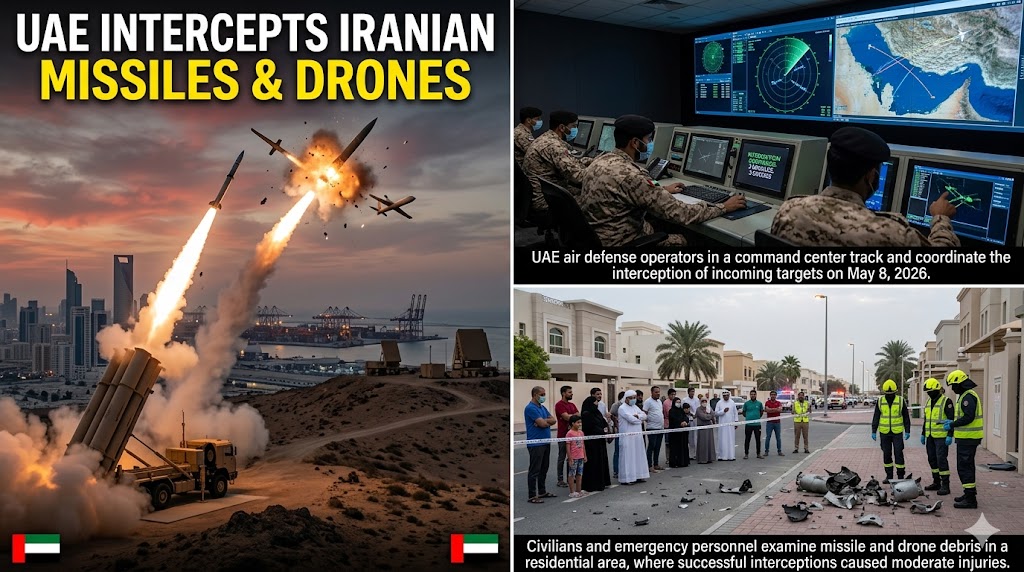
UAE intercepts Iranian dorne and missiles
Regional Reactions and Diplomatic Efforts
Gulf Cooperation Council members have expressed concern over the repeated violations, calling for de-escalation and respect for sovereignty. Saudi Arabia and other neighbors have quietly bolstered their own defenses while urging dialogue.
International responses have been measured but firm. The United States has reiterated its commitment to defending allies while cautioning against further Iranian aggression. European nations and Asian energy importers have monitored developments closely due to potential impacts on oil prices and supply chains.
Diplomatic channels, including efforts through the United Nations and intermediaries like Oman and Pakistan, continue in attempts to reinforce the ceasefire and prevent a return to full-scale confrontation.
Humanitarian and Economic Implications
While the May 8 interceptions resulted in limited casualties, the cumulative toll since February includes dozens of injuries and some fatalities across the UAE. Debris from interceptions has caused localized damage to infrastructure and sparked fires at industrial sites in previous incidents.
Economically, persistent threats have increased insurance premiums for shipping, disrupted supply chains, and contributed to volatility in energy markets. The UAE’s diversification efforts, including investments in renewables and non-oil sectors, provide some buffer, but prolonged insecurity poses risks to investor confidence and tourism.
Technical Analysis of the Interception
Ballistic missiles traveling at high speeds require sophisticated early-warning radars and rapid-response interceptors. The UAE’s success against both ballistic and drone threats on the same night demonstrates layered defense effectiveness — with longer-range systems handling missiles and shorter-range assets addressing slower-moving drones.
Challenges remain, including managing saturation attacks, debris fallout, and the high financial cost of each interception. Ongoing upgrades and international cooperation in intelligence sharing are likely priorities for UAE defense planners.
Broader Geopolitical Ramifications
This episode reinforces the interconnected nature of conflicts in the region. Actions in the Strait of Hormuz quickly translate into aerial threats against neighboring states. It also highlights the delicate balance Gulf countries must maintain — strengthening security partnerships while preserving economic and diplomatic channels with all parties.
For Iran, such operations may aim to deter further US involvement or impose political costs on Gulf states. However, they risk unifying opposition and inviting stronger international responses.
Future Outlook and Risk Mitigation
As of May 2026, the situation remains fluid. Both sides appear keen to avoid all-out war, yet miscalculations could rapidly escalate tensions. Strengthened air defenses, diplomatic engagement, and economic resilience measures will be essential for Gulf states navigating this challenging period.
The international community has a stake in preserving stability around critical maritime routes and supporting de-escalation initiatives that address underlying security concerns.
Conclusion
The UAE’s successful interception of Iranian missiles and drones on May 8, 2026, demonstrates both the professionalism of its defense forces and the persistent fragility of regional security. Occurring mere hours after US-Iran naval clashes, the event serves as a stark reminder of how quickly localized actions can reverberate across borders.
While the immediate threat was neutralized with minimal harm, the broader implications for the ceasefire, energy security, and Gulf stability warrant continued attention. Sustained diplomatic efforts, combined with robust defensive capabilities, offer the best path toward reducing risks and fostering a more secure environment for all nations in the region.
As developments unfold, the resilience and strategic foresight of Gulf states like the UAE will play a crucial role in shaping outcomes amid complex geopolitical pressures.