Krishnavataram: Satyabhama’s Lens on Krishna’s Journey
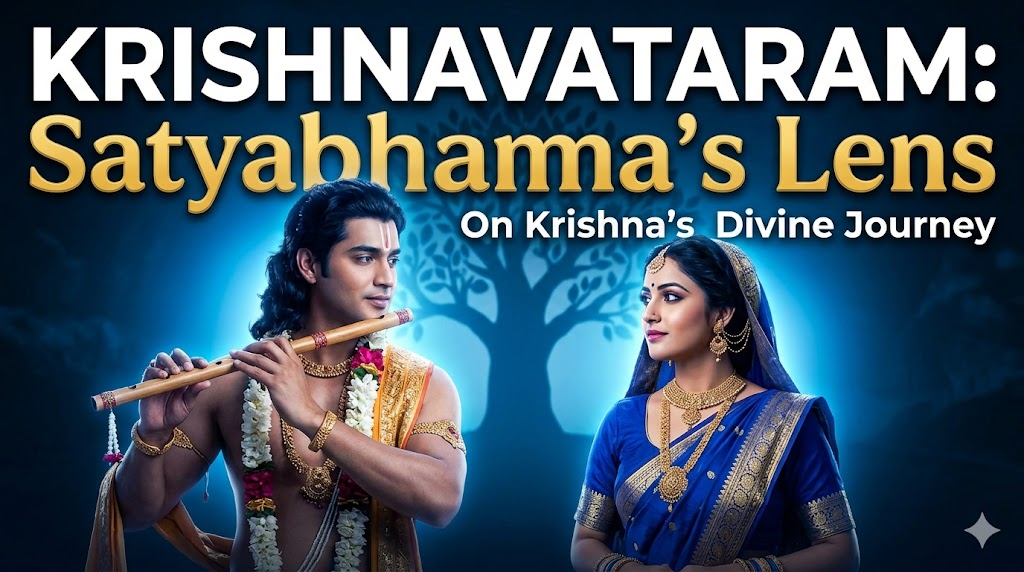
The recent release of Krishnavataram Part 1: The Heart (Hridayam) marks a significant addition to mythological cinema in India. Directed by Hardik Gajjar and released in May 2026, the film offers a deeply emotional and visually stunning retelling of Lord Krishna’s life, viewed primarily through the eyes of Satyabhama. This narrative choice has not only popularised Satyabhama’s character but also presented Krishna’s divine journey with remarkable intimacy and humanity.
What sets Krishnavataram apart is its balanced approach—blending devotional reverence with cinematic artistry. The film gracefully explores complex relationships while culminating in a poignant, beautiful depiction of Krishna’s departure from his earthly form. In doing so, it raises thoughtful questions about how such sacred stories should be portrayed on the big screen in a respectful yet engaging manner.
This comprehensive article examines the film’s strengths, Satyabhama’s elevated role, the sensitive handling of Krishna’s end, and broader lessons for mythological filmmaking.
Krishnavataram distinguishes itself by framing Krishna’s avatar through Satyabhama’s experiences and emotions. Rather than a conventional linear biography, the story unfolds as a personal reflection, revealing layers of love, devotion, pride, and surrender.
Satyabhama, traditionally known for her fiery temperament and deep bond with Krishna, emerges as a fully realized character. The film traces her journey from spirited princess to devoted queen, highlighting her unique dynamic with Krishna—one marked by playful challenges, fierce loyalty, and ultimate realization that the divine belongs to all who call upon him with pure hearts.
This perspective allows audiences to connect with Krishna not merely as an all-knowing deity but as a multifaceted personality who navigates human relationships while fulfilling his cosmic purpose. Viewers witness interactions with Radha’s gentle spiritual love, Rukmini’s graceful companionship, and Satyabhama’s passionate strength, each relationship portrayed with nuance and respect.
By centering Satyabhama, the film popularises her as more than a consort; she becomes an emotional anchor, embodying bhakti (devotion) intertwined with worldly emotions. This has resonated strongly with audiences, particularly women, who appreciate seeing a powerful female figure in Krishna’s leela.
Siddharth Gupta’s Portrayal of Krishna and Ensemble Performances
Siddharth Gupta delivers a serene and magnetic performance as Lord Krishna. He captures both the playful cowherd of Vrindavan and the wise strategist of Dwarka and Kurukshetra with conviction. His portrayal emphasizes Krishna’s compassion, wisdom, and subtle humor while maintaining an aura of divinity.
Sanskruti Jayana, in her notable acting debut as Satyabhama, brings authenticity and intensity to the role. Her depiction balances pride, jealousy, devotion, and eventual surrender, making the character relatable and inspiring. Supporting performances, including Sushmitha Bhat as Radha and Nivaashiyni Krishnan as Rukmini, enrich the narrative tapestry of divine relationships.
The ensemble cast effectively conveys the film’s core message: Krishna’s love manifests differently yet equally meaningfully in each connection.
Visual Grandeur and Cinematic Craftsmanship
Krishnavataram excels in its breathtaking visuals. From the lush landscapes of Vrindavan to the opulent halls of Dwarka, the film feels like a moving painting. Director Hardik Gajjar employs rich color palettes, intricate costumes, and grand sets that evoke a sense of timeless divinity.
Musical compositions enhance the emotional depth, with devotional songs and melodic tracks that linger long after the screening. While some visual effects occasionally draw attention, the overall cinematic experience remains immersive and reverent.
The film’s pacing allows space for introspection amid spectacle, striking a commendable balance between devotional storytelling and mainstream entertainment.
A Scene of Quiet Devotion
Popularising Satyabhama: A Fresh Cultural Impact
One of the film’s most notable achievements is the popularisation of Satyabhama’s role. In many traditional retellings, her character receives less emphasis compared to Radha or Rukmini. Krishnavataram rectifies this by presenting her as a queen who stands boldly beside Krishna—fierce in love, unyielding in devotion, and ultimately wise in surrender.
This portrayal has sparked widespread discussion on social media and among devotees. It highlights how different forms of love—gentle, passionate, companionate—coexist harmoniously in Krishna’s life. Audiences emerge with a more complete understanding of the divine feminine energy (Shakti) complementing the divine masculine.
The film’s success in this regard demonstrates cinema’s power to revive and reintroduce lesser-explored aspects of our rich mythological heritage to new generations.
The Beautiful Depiction of Krishna’s Human End
A particularly moving segment of the film addresses the end of Lord Krishna’s earthly incarnation. Rather than sensationalizing the event, the movie presents it with profound beauty, dignity, and spiritual insight.
The sequence draws from traditional accounts of the arrow wound at Bhalka Tirtha and the subsequent submergence of Dwarka. It portrays Krishna’s departure not as defeat but as a conscious transition—serene acceptance of his leela’s completion. The cinematography uses soft lighting, symbolic imagery, and minimal dialogue to convey transcendence, evoking both melancholy and hope.
This depiction respects scriptural essence while making the moment emotionally accessible. It emphasizes themes of impermanence, duty, and return to the divine source. Viewers often describe the scene as cathartic and uplifting, transforming what could have been a somber conclusion into a celebration of eternal consciousness.
By humanizing Krishna’s final moments without diminishing his divinity, the film achieves a rare sensitive balance.
How Mythological Movies Should Be Approached: Lessons from Krishnavataram
Krishnavataram offers valuable insights into responsible mythological filmmaking:
Respectful Creative Liberty: The film takes narrative liberties for emotional depth while remaining rooted in core philosophical truths.
Character-Driven Storytelling: Focusing on relationships and inner journeys proves more impactful than pure spectacle.
Inclusivity of Perspectives: Highlighting Satyabhama broadens appeal and enriches understanding.
Visual and Emotional Harmony: Grand production values should support, not overshadow, devotional essence.
Sensitivity in Key Moments: Sacred events like Krishna’s end require careful handling to inspire rather than distress audiences.
Future projects could learn from this model—blending authenticity, artistry, and accessibility while honoring cultural and spiritual sentiments.
Broader Cultural and Spiritual Significance
Beyond entertainment, Krishnavataram contributes to a renewed interest in Sanatan Dharma’s timeless wisdom. In an era of rapid change, such films remind audiences of eternal values: love without possession, duty without attachment, and devotion as the path to liberation.
The movie encourages reflection on Krishna’s teachings in the Bhagavad Gita, presented organically through life events. It fosters inter-generational dialogue about faith, mythology, and personal growth.
Audience Reception and Potential of the Trilogy
Early responses praise the film’s visual splendor, emotional resonance, and fresh perspective. As the first part of a planned trilogy, *Krishnavataram* sets a promising foundation for deeper explorations in subsequent installments.
Its multilingual release has broadened reach, introducing Krishna’s story to diverse audiences while strengthening cultural pride amongst. 
The final Transition
Conclusion: A Reverent Cinematic Offering
Krishnavataram Part 1 stands as a commendable effort in mythological cinema. Through Satyabhama’s popularised and powerfully realized role, it offers intimate access to Lord Krishna’s world. The beautiful, dignified depiction of Krishna’s human end further elevates the narrative, leaving audiences with a sense of peace and renewed devotion.
In showcasing how sacred stories can be told with both artistic excellence and spiritual integrity, the film sets a thoughtful benchmark. It reminds us that cinema, at its best, can serve as a bridge to the divine—illuminating ancient wisdom for contemporary hearts.
As we await future parts of this epic journey, Krishnavataram invites viewers to experience Krishna’s leela not just as history or myth, but as a living, loving presence that continues to guide and inspire.