" The Met Gala Event 2026: Fashion as Living Art "
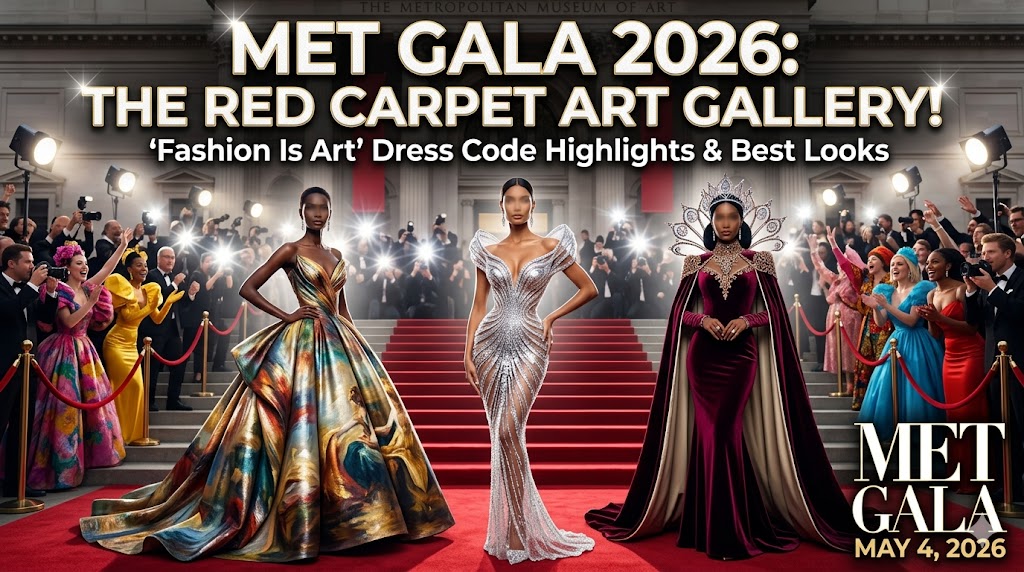
The Met Gala 2026 once again solidified its reputation as the most anticipated night in fashion, transforming the steps of the Metropolitan Museum of Art into a vibrant canvas of creativity and cultural expression. Held on May 4, 2026, the event celebrated the Costume Institute’s new spring exhibition titled “Costume Art,” with the accompanying dress code “Fashion Is Art.” This theme invited attendees to treat clothing as a living artwork, drawing inspiration from historical masterpieces, cultural heritage, sculptural forms, and the dressed body across centuries.
Co-chaired by Beyoncé, Nicole Kidman, Venus Williams, and Anna Wintour, with significant sponsorship from Jeff Bezos and Lauren Sánchez Bezos, the evening raised a record $42 million. Celebrities, business leaders, and international dignitaries arrived in ensembles that blurred the lines between fashion, fine art, and personal narrative. From painterly interpretations and living sculptures to regal tributes and cultural homages, the Met Gala 2026 offered a rich tapestry of styles that reflected both individual artistry and collective storytelling.
This article explores how prominent figures presented themselves, the unique approaches to dressing, and the most memorable highlights of the evening.
The Theme and Its Interpretation
The “Costume Art” exhibition examines the relationship between garments and the human form through artifacts spanning 5,000 years. The dress code encouraged guests to embody fashion as art—whether through direct references to famous paintings, sculptural silhouettes, or culturally significant attire reimagined in contemporary ways. Many attendees succeeded in merging high fashion with deeper meaning, creating looks that were not only visually striking but also conceptually profound.
The red carpet, styled with Northern Italian garden and Renaissance-inspired elements, set an atmospheric stage for the interpretations that followed.
Celebrity Presentations: Artistry on the Red Carpet
Celebrities embraced the theme with remarkable creativity, producing some of the most discussed looks in recent years.
Beyoncé, making her return after several years, delivered a show-stopping crystallized ensemble by Olivier Rousteing that captured light and movement like a living jewel. Her presence underscored the theme’s emphasis on the body as a canvas.
Rihanna arrived fashionably late in a Maison Margiela couture creation featuring over 115,000 crystal beads and antique jewels, evoking ornate historical tapestries and wearable sculpture. Her look exemplified opulent artistry.
Nicole Kidman, a co-chair, opted for a striking red sequined Chanel gown that combined classic elegance with modern drama, perfectly suiting her poised persona. She was accompanied by her daughter Sunday Rose, adding a touching familial element.
Other notable celebrity interpretations included:
Emma Chamberlain in a hand-painted vintage Mugler gown that many hailed as one of the night’s standout artistic achievements.
Kylie Jenner in a sculptural Schiaparelli corset that created an illusion of peeling layers, referencing classical draped forms.
Cardi B collaborating with Marc Jacobs on a dramatic, voluminous piece rich in embellishment.
Hunter Schafer in a custom Prada gown inspired by Gustav Klimt’s “Mäda Primavesi,” blending ethereal beauty with precise artistic reference.
Many stars leaned into “naked dress” trends or body-as-sculpture concepts, using sheer fabrics, molded silhouettes, and strategic embellishments to explore the dressed versus undressed body.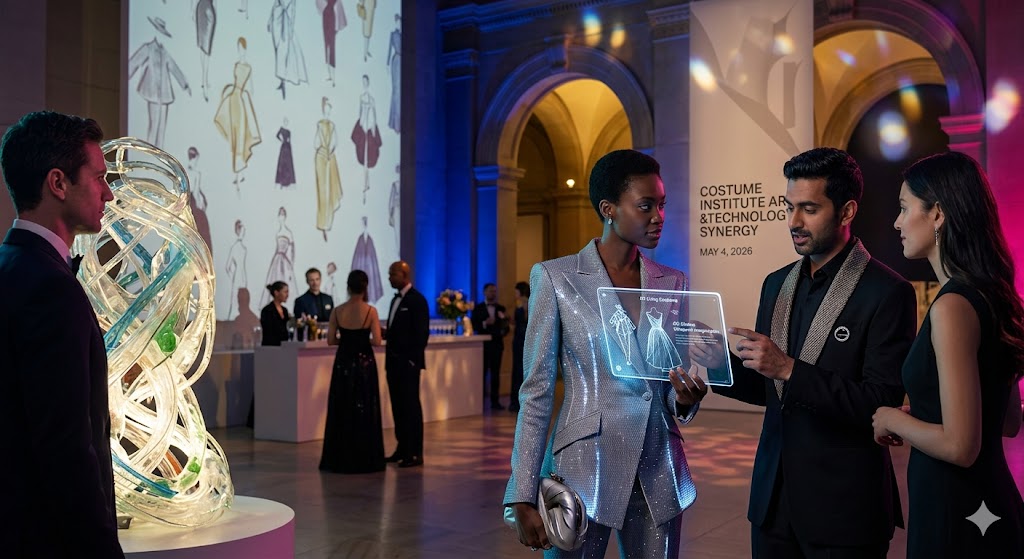
The Met Gala Event 2026
Business Tycoons and Tech Leaders: A New Chapter
The 2026 edition was notably marked by a strong presence of business tycoons and tech executives, reflecting evolving intersections between fashion, wealth, and influence. Jeff Bezos and Lauren Sánchez Bezos served as lead sponsors and honorary co-chairs, contributing a reported $10 million. Lauren walked the carpet in a custom Schiaparelli look, while Jeff and Meta’s Mark Zuckerberg opted for discreet entrances.
Other tech figures included executives from OpenAI, Snapchat, Instagram, and Google cofounder Sergey Brin. Their attendance highlighted how Silicon Valley is increasingly shaping cultural conversations, though it also sparked discussions about the event’s evolving character. These leaders brought tailored, often understated yet meticulously crafted attire that contrasted with the more avant-garde celebrity looks, emphasizing power dressing as its own form of contemporary art.
Royal and International Dignitaries: Prestige and Cultural Heritage
While traditional European royalty maintained a lower profile, several international royals, princes, and princesses from various states and cultural backgrounds added regal prestige. Attendees from royal families and aristocratic lineages incorporated elements of old-world elegance, national symbols, and historical court attire reinterpreted through modern lenses.
Some presented themselves in updated versions of ancestral garments, featuring intricate embroidery, rich fabrics, and symbolic motifs that paid homage to royal heritage. Others blended royal prestige with contemporary art references, creating hybrid looks that honored lineage while embracing the “Fashion Is Art” directive. A few drew directly from painting traditions associated with royal portraiture, using structured shoulders, dramatic trains, and jewel tones reminiscent of classical monarchy depictions.
K-pop star and host committee member LISA stood out with a custom Robert Wun gown incorporating elements inspired by Korean heritage, showcasing how global cultural royalty merged tradition with high fashion. Similarly, other Asian and Middle Eastern attendees brought nuanced interpretations of regal and ceremonial dress, transforming cultural symbols into artistic statements.
Unique Dressing Approaches: Paintings, Culture, and Royal Prestige
The diversity of interpretations was one of the evening’s greatest strengths:
Painterly and Artistic References: Many guests recreated or referenced specific artworks. Gracie Abrams channeled Gustav Klimt through a Chanel dress with shimmering gold accents. Others evoked Joan of Arc, Renaissance masters, or sculptural classics like the Venus de Milo (notably Chase Infiniti in Thom Browne).
Cultural and Heritage Interpretations: Attendees from various backgrounds honored their roots. Designs featured traditional embroidery, national motifs, and historical silhouettes updated for the modern red carpet. These looks celebrated identity as living art, merging ancestral techniques with innovative construction.
Old Royal Prestige: Certain ensembles evoked courtly grandeur through luxurious velvets, structured bodices, dramatic capes, and heirloom-style jewelry. These paid subtle tribute to historical monarchy while aligning with the exhibition’s exploration of the dressed body across eras.
The result was a red carpet that felt like a walking museum exhibition, where each guest contributed a unique chapter to the narrative of fashion as art.
Main Highlights and Broader Impact
Several moments defined the Met Gala 2026:
Record-breaking fundraising success amid growing tech influence.
Powerful mother-daughter appearances, including Nicole Kidman with Sunday Rose.
Standout cultural fusions that expanded the global conversation around fashion.
Memorable late arrivals and theatrical presentations that kept the evening dynamic.
Thoughtful debates sparked by the increased presence of business leaders, enriching discussions on art, commerce, and culture.
The event reinforced the Met Gala’s role not merely as a party but as a significant cultural platform that influences trends, supports museum initiatives, and fosters dialogue across industries.
The Met Gala 2026 will be remembered as a triumphant celebration of fashion’s artistic potential. Through the imaginative presentations of celebrities, the strategic elegance of business tycoons, and the dignified cultural expressions of royals and international figures, the evening created an unforgettable gallery of living art.
From painterly masterpieces worn on the body to regal tributes and heritage-inspired creations, attendees honored the theme with creativity and conviction. As the funds raised support the preservation and study of costume history, the Met Gala 2026 stands as both a spectacular visual feast and a meaningful contribution to the enduring relationship between fashion and art.