"US and Iran Near One-Page Memorandum to End War"
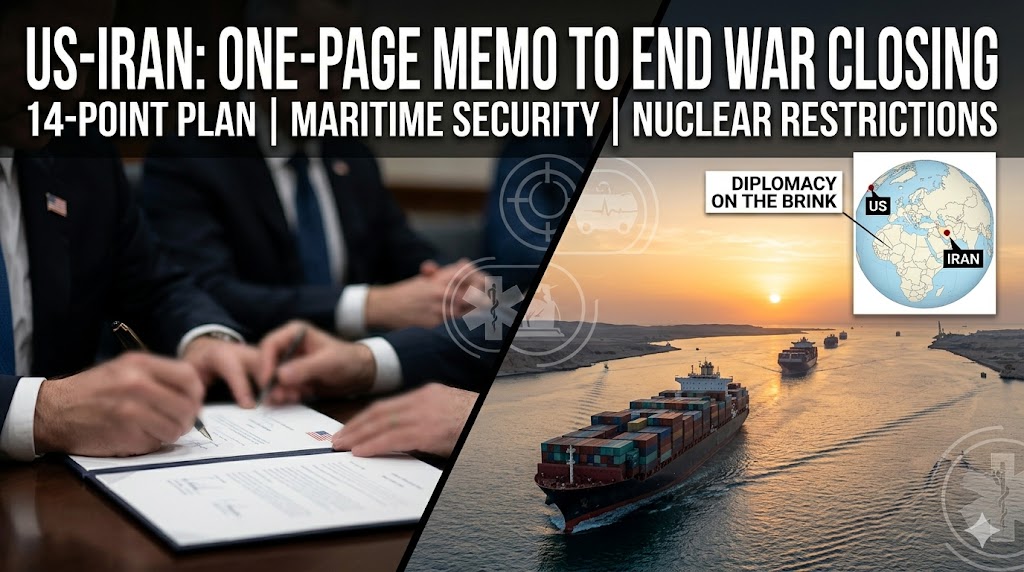
Diplomatic efforts between the United States and Iran have reached a promising yet delicate phase, with both sides reportedly closing in on a concise one-page memorandum aimed at ending the two-month-old conflict. According to multiple sources, including officials briefed on the talks, this 14-point document could serve as an initial framework to halt hostilities, restore shipping through the critical Strait of Hormuz, and lay the groundwork for more detailed negotiations on Iran's nuclear program.
The development comes amid a series of rapid shifts, including President Donald Trump's recent pause of the U.S. "Project Freedom" escort operation in the Strait of Hormuz and his simultaneous warning of escalated military action if an agreement is not reached. While optimism is growing, caution remains high as past efforts have faltered at the final stages.
This potential breakthrough represents a significant moment in one of the most serious U.S.-Iran confrontations in recent history, with broad implications for global energy markets, regional security, and international diplomacy.
Background of the Conflict
The current hostilities erupted in late February 2026 with the launch of Operation Epic Fury, involving U.S. and Israeli strikes on Iranian nuclear facilities, military sites, and related infrastructure. Iran responded with asymmetric measures, including disruptions to maritime traffic in the Strait of Hormuz, one of the world's most vital energy arteries.
The narrow waterway, through which approximately one-fifth of global seaborne oil passes under normal circumstances, saw sharply reduced traffic due to security concerns, insurance spikes, and direct restrictions. This led to elevated oil prices, strained supply chains, and economic ripple effects felt from Washington to Beijing.
Throughout the conflict, the Trump administration has maintained a dual approach of military pressure and openness to negotiations. Iran's leadership, facing domestic challenges and international isolation, has signaled willingness to explore de-escalation while insisting on sanctions relief and respect for its security concerns.
Details of the Emerging One-Page Memorandum
According to reports, the proposed one-page memorandum of understanding (MOU) contains 14 points and is being negotiated through direct channels and intermediaries, involving U.S. envoys Steve Witkoff and Jared Kushner on one side and Iranian representatives on the other.
Key elements under discussion include:
A formal declaration ending active hostilities in the region
Iranian commitment to a moratorium on uranium enrichment beyond agreed thresholds
Enhanced access for international inspectors, potentially through the IAEA
U.S. agreement to lift certain sanctions and release frozen Iranian funds
Mutual steps to restore unrestricted commercial shipping through the Strait of Hormuz
A 30-day window for follow-on negotiations on a more comprehensive nuclear and sanctions agreement
The document is intentionally brief, designed to secure immediate de-escalation while deferring thornier technical details to subsequent talks. U.S. officials expect Iranian responses on outstanding issues within the next 48 hours, describing the current moment as the closest the parties have come to an agreement since fighting began.
Trump's Dual Message: Pause and Pressure
President Trump's recent Truth Social post announcing the pause in Project Freedom cited "great progress" toward a complete agreement, along with requests from countries such as Pakistan. At the same time, he issued a clear ultimatum: failure to reach terms could result in bombing at a "much higher level and intensity" than before.
This combination of diplomatic flexibility and military readiness appears calculated to maintain leverage. The ongoing U.S. blockade of Iranian ports remains in effect, preserving pressure even as escort operations are temporarily suspended.
Secretary of State Marco Rubio and other administration figures have echoed the need for verifiable commitments from Tehran, particularly regarding nuclear restrictions and freedom of navigation.
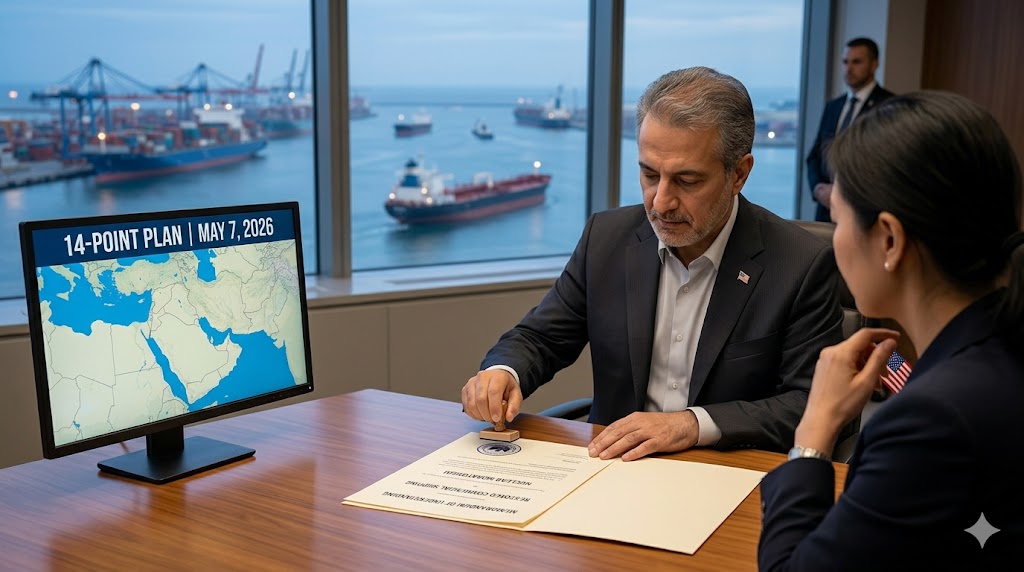
14 Point plan for peace deal
Role of Mediators and International Involvement
Pakistan has played a notable mediating role, with sources indicating its input helped facilitate the current momentum. China has also engaged actively, with recent meetings between Iranian Foreign Minister Abbas Araghchi and Chinese officials in Beijing focusing on ceasefire efforts and regional stability.
The upcoming summit between President Trump and Chinese President Xi Jinping is expected to address the Iran situation, highlighting how great-power dynamics intersect with this bilateral conflict.
European nations, Gulf states, and other regional actors continue to monitor developments closely, many urging a swift resolution to prevent broader economic damage or spillover violence.
Economic and Energy Market Implications
Markets reacted positively to news of the potential memorandum, with oil prices easing and U.S. stock futures extending gains. However, volatility persists as traders weigh the possibility of renewed escalation.
Sustained disruption in the Strait of Hormuz has already driven up global energy costs, contributing to higher gasoline prices in the United States and inflationary pressures elsewhere. A successful agreement promising reopened shipping lanes would offer considerable relief to consumers, industries, and economies worldwide.
For Iran, sanctions relief and access to frozen assets could provide much-needed economic breathing room. For Gulf producers and Asian importers alike, restored stability in the strait is paramount to long-term energy security.
Military Context and Risks
Operation Epic Fury demonstrated U.S. capabilities in precision strikes against hardened targets. Iran, meanwhile, has relied on its arsenal of missiles, drones, and naval asymmetric tactics suited to the confined waters of the strait.
While both sides appear motivated to avoid a wider war, the risk of miscalculation remains. Clear communication channels and third-party assurances will be essential during any implementation phase to build confidence and prevent incidents.
Analysts note that the memorandum, if signed, would not immediately resolve all underlying issues but could create the space needed for more durable arrangements.
Challenges and Potential Obstacles
Despite the apparent progress, several hurdles persist. Hardliners in both Washington and Tehran may resist perceived concessions. Verification mechanisms for nuclear commitments will require careful design. Implementation of sanctions relief and maritime security arrangements must be sequenced to maintain trust.
Past negotiations between the U.S. and Iran have shown that last-minute breakdowns are possible. Officials on both sides have cautioned against over-optimism even as they pursue the current opening.
Domestic political considerations in Iran, regional rivalries involving Israel and Gulf states, and broader U.S. strategic priorities add further layers of complexity.
Historical Parallels
Tensions in the Strait of Hormuz and over Iran's nuclear program have flared periodically for decades. The 1980s Tanker War, incidents in 2019-2020, and multiple rounds of nuclear diplomacy each offer lessons about the interplay of pressure, diplomacy, and timing.
The current effort stands out for its compressed timeline, direct military involvement, and the streamlined format of the proposed initial agreement. Success could set a precedent for pragmatic, limited-scope deals in otherwise intractable conflicts.
Stakeholder Perspectives
Iranian officials have described their engagement as focused on defending national interests while seeking an end to what they term aggressive policies. U.S. leaders emphasize the need for Iran to abandon pathways to nuclear weapons and respect international maritime norms.
Gulf Arab states generally support measures ensuring secure shipping while expressing concerns about long-term Iranian capabilities. Global business leaders and energy executives are watching developments with keen interest, hopeful for stability that enables renewed investment and trade.
Looking Ahead: Possible Outcomes
Several scenarios appear plausible in the coming days and weeks:
1. Rapid Breakthrough: Quick Iranian responses lead to signing of the memorandum, followed by initial steps to reopen the strait and pause military operations.
2. Incremental Progress: Extended consultations refine the text, with confidence-building measures implemented during the 30-day negotiation window.
3. Stalemate or Setback: Disagreements on key points prompt renewed pressure, potentially including resumed U.S. escort operations or strikes.
The next 48 hours, as U.S. officials await Iranian feedback, will be particularly telling. Even partial success could significantly ease immediate tensions and open pathways for broader regional de-escalation.
Conclusion
The reported progress toward a one-page memorandum between the US and Iran marks a hopeful turn in a conflict that has already reshaped energy markets and tested international diplomacy. While challenges remain substantial, the alignment of military, economic, and diplomatic factors has created a rare window for resolution.
Should the memorandum materialize, it would not end all differences but could halt active fighting and establish a framework for addressing the most pressing concerns, including nuclear issues and freedom of navigation in the Strait of Hormuz.
The world has much at stake in the outcome. Markets, governments, and ordinary citizens alike will be watching closely as negotiators work toward what could become a pivotal agreement in Middle East affairs. Careful implementation and sustained commitment from all parties will ultimately determine whether this opening leads to lasting stability or becomes another missed opportunity.