Israeli Strikes Hit South Lebanon and Beirut Suburbs
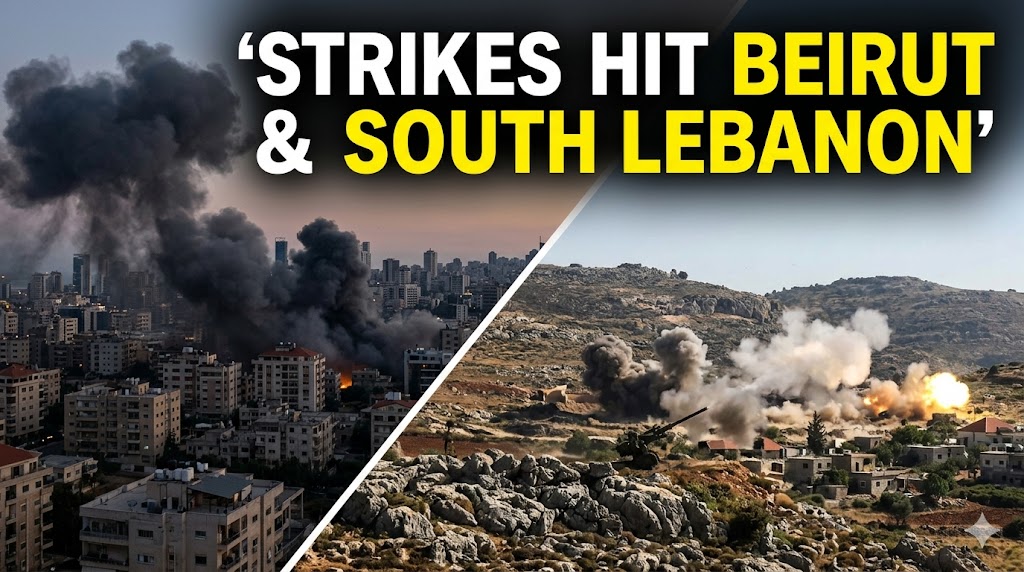
Tensions along the Israel-Lebanon border escalated once again on May 6, 2026, as Israeli forces conducted artillery shelling and airstrikes across multiple towns in southern Lebanon, while also carrying out a significant strike in Beirut’s southern suburbs. These actions, which occurred amid a fragile U.S.-brokered ceasefire established in mid-April, resulted in multiple casualties and heightened fears of a return to full-scale conflict.
This latest wave of violence underscores the precarious nature of the truce between Israel and Hezbollah. While both sides continue to accuse each other of violations, the strikes on May 6 marked the first Israeli attack on Beirut’s southern suburbs since the ceasefire took effect. This article provides a detailed, balanced examination of the events, their immediate consequences, the broader historical context, and the potential implications for regional stability.
The day unfolded with reports of intensified military activity. In southern Lebanon, Israeli artillery and airstrikes hit several locations, including areas in the Nabatieh, Tyre, and Bint Jbeil districts. Towns such as Mayfadoun, Siksikiyah, Khirbet Selm, and others came under fire, with Lebanese state media reporting significant damage to residential areas.
Simultaneously, in eastern Lebanon’s Bekaa Valley, an airstrike on the town of Zellaya claimed several lives, including a local municipal leader and family members. By evening, the death toll from strikes in southern and eastern Lebanon had reached at least 13, with more than a dozen others wounded.
The most notable development was the strike in Beirut. Israeli warplanes targeted the Ghobeiri area in the predominantly Shia southern suburbs (Dahiyeh), an area that had largely been spared since the April 17 ceasefire. The Israeli military and Prime Minister Benjamin Netanyahu confirmed the operation, stating it eliminated Malek Balou (also referred to as Malek Balut), a senior commander of Hezbollah’s elite Radwan Force, along with his deputy and other operatives.
Netanyahu emphasized that the Radwan Force had been responsible for attacks on Israeli communities and soldiers, declaring that “no terrorist has immunity.”
Casualties and Immediate Impact
Lebanon’s National News Agency (NNA) and health ministry provided preliminary figures: at least 13 killed across southern and eastern regions on May 6. Specific incidents included artillery shelling in Mayfadoun killing two, multiple deaths in Siksikiyah, and strikes in Khirbet Selm. The attack on Zellaya in the Bekaa Valley added to the toll, with local officials among the victims.
In Beirut’s southern suburbs, the strike caused extensive damage to a building. While exact casualty figures from the Beirut strike were still being clarified as of the latest reports, the psychological and symbolic impact was profound, as it broke an unwritten understanding that the capital’s suburbs would be off-limits during the ceasefire period.
Civil defense teams and residents worked through the night to search for survivors and assess damage. Videos circulating on social media showed smoke rising over affected areas and emergency responders at the scenes.
Background: The Fragile Ceasefire
The current round of hostilities traces back to March 2, 2026, when Hezbollah launched rockets into Israel in solidarity with Iran following regional escalations. Israel responded with widespread airstrikes, a ground incursion into southern Lebanon, and intensive operations aimed at degrading Hezbollah’s capabilities.
A U.S.-brokered ceasefire came into effect on April 17, 2026, with both sides agreeing to halt major hostilities. However, the agreement has been repeatedly tested. Israel has conducted numerous strikes in southern Lebanon, citing threats from Hezbollah, while the group has claimed responsibility for operations against Israeli forces.
The May 6 strikes represent a notable escalation, particularly the return to targeting Beirut suburbs. Israeli officials maintain these are precise operations against imminent threats, whereas Lebanese authorities and Hezbollah describe them as blatant ceasefire violations that endanger civilians and infrastructure.
Israeli Perspective and Military Objectives
From Israel’s standpoint, the operations are defensive and necessary. The military argues that Hezbollah continues to reposition forces, rebuild infrastructure, and launch attacks, necessitating preemptive action. The targeting of Malek Balou, a commander in the Radwan Force — Hezbollah’s elite unit trained for cross-border operations — aligns with Israel’s long-standing policy of eliminating high-value targets to disrupt enemy command structures.
Israeli leaders have repeatedly stated that security for northern communities remains a top priority and that they reserve the right to act against perceived threats regardless of the ceasefire framework.
Lebanese and Hezbollah Response
Lebanese officials condemned the strikes as aggressive violations that undermine ongoing diplomatic efforts. Prime Minister Nawaf Salam and others have called for international intervention to preserve the truce. Hezbollah has vowed to respond appropriately while avoiding actions that could lead to full resumption of war, though it has claimed several operations against Israeli positions in southern Lebanon.
The strikes have also affected civilian populations, exacerbating an already severe humanitarian situation. Since March, over 2,700 people have been killed in Lebanon, with more than a million displaced at the peak of the fighting. Many residents who had begun returning home after the ceasefire are now facing renewed uncertainty.
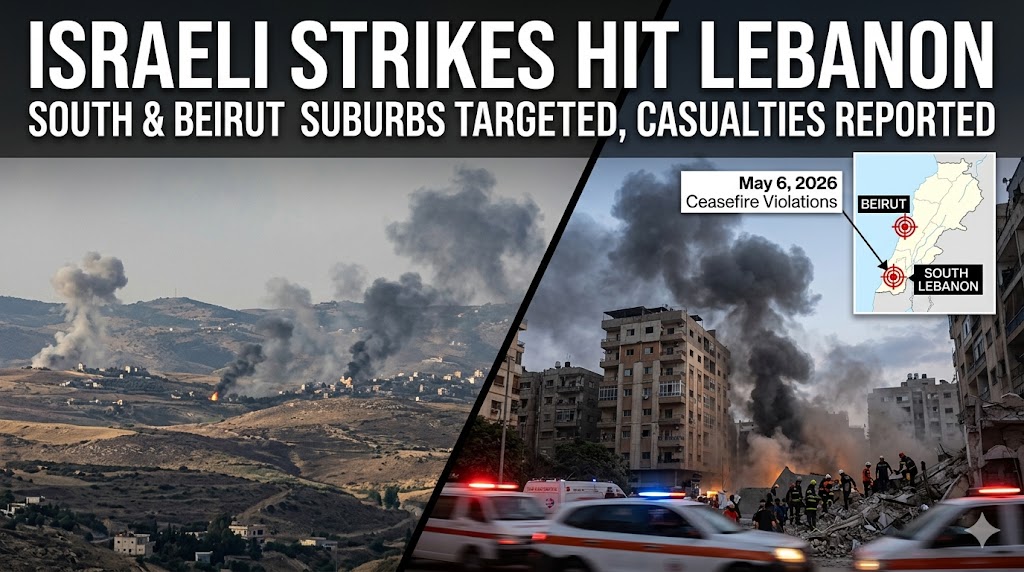
Israel Air Strikes in Southern Lebanon
International Reactions and Diplomatic Context
The United States, which brokered the ceasefire, has been urging restraint from both sides while pushing for direct talks between Israeli and Lebanese leaders. However, the latest incidents complicate these efforts. European nations and the United Nations have expressed concern over the civilian toll and called for de-escalation.
The broader regional picture, including developments involving Iran, adds layers of complexity. Any significant escalation in Lebanon risks drawing in other actors and destabilizing an already volatile Middle East.
Humanitarian and Economic Consequences
Repeated strikes have devastated southern Lebanon, destroying homes, roads, and agricultural land. Reconstruction efforts remain stalled amid ongoing insecurity. International aid organizations have warned of a growing humanitarian crisis, with shortages of medical supplies and challenges in delivering assistance to affected villages.
Economically, Lebanon — already grappling with a severe crisis — faces further setbacks as investor confidence wanes and tourism potential in safer areas diminishes.
Analysis: Risks of Escalation
The events of May 6 highlight the inherent fragility of the current ceasefire. Key challenges include:
Interpretation of the Truce: Disagreements over what constitutes a violation.
Hezbollah’s Presence: Israel demands stronger measures to limit the group’s activities south of the Litani River.
Domestic Politics: Pressures on leaders in both Israel and Lebanon influence military decisions.
Evacuation Orders: Israel’s issuance of new displacement warnings for multiple villages adds to civilian hardship.
Experts caution that while neither side appears eager for all-out war, miscalculations could rapidly change the situation.
Historical Context of Israel-Hezbollah Confrontations
This is not the first time the two sides have clashed. Previous major conflicts in 2006 and escalations in subsequent years have followed similar patterns of cross-border incidents, retaliatory strikes, and eventual uneasy truces. The 2026 chapter fits into this long cycle but occurs against a more complex regional backdrop involving Iran and other actors.
Each round leaves deeper scars, with civilian suffering accumulating over time and trust between communities eroding further.
Looking Ahead: Paths to Stability
Sustainable peace requires addressing root causes, including border security, disarmament issues, and implementation of relevant UN resolutions. Diplomatic initiatives, possibly involving stronger international guarantees, could help stabilize the situation.
For now, residents in southern Lebanon and Beirut’s suburbs remain on edge, hoping that the latest strikes do not signal the collapse of the fragile ceasefire.
Conclusion
The Israeli artillery barrages, airstrikes on southern Lebanese towns, and the targeted strike in Beirut’s southern suburbs on May 6, 2026, have once again brought the Israel-Lebanon border into sharp focus. While Israel achieved its stated objective of neutralizing a high-ranking Hezbollah figure, the human and political costs add pressure on all parties to prevent further deterioration.
As diplomatic channels remain active, the coming days will be critical in determining whether this incident leads to renewed calm or a dangerous escalation. The people of Lebanon and Israel deserve security and stability — goals that remain elusive but worth pursuing through careful negotiation and mutual restraint.