Brahmavaivarta Purana: Sacred Love of Radha and Krishna
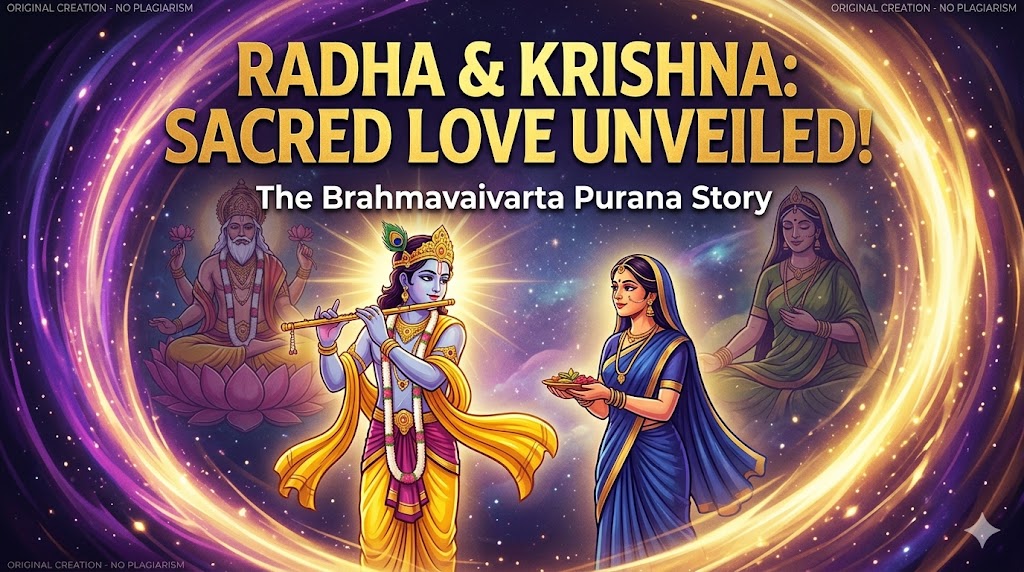
The Brahmavaivarta Purana holds a special place among the eighteen Mahapuranas of Hinduism. Its name combines "Brahma," referring to the creator or the ultimate reality, and "Vaivarta," meaning transformation or change, pointing to the dynamic nature of creation emerging from the divine. This scripture stands out for its profound emphasis on the eternal love between Radha and Krishna, presenting them not merely as historical or mythological figures but as the supreme embodiments of divine masculine and feminine principles.
Composed in Sanskrit and traditionally attributed to the sage Vyasa, the Brahmavaivarta Purana is a rich tapestry of cosmology, theology, mythology, and devotional poetry. It glorifies Lord Krishna as Parabrahman, the ultimate source of all existence, while elevating Radha as his inseparable Shakti or energy. For devotees on the path of bhakti, this Purana serves as both a philosophical guide and an emotional inspiration, revealing the intimate pastimes (leelas) that symbolize the soul's yearning for union with the divine.
In an era where spiritual seekers search for deeper meaning beyond rituals, the Brahmavaivarta Purana offers timeless wisdom on love, devotion, respect for the feminine divine, and the transformative power of pure bhakti. This article delves into its origins, structure, central narratives, theological insights, and enduring relevance, inviting readers to appreciate its beauty and depth.
Historical Background and Composition
Scholars generally date the Brahmavaivarta Purana to between the 8th and 16th centuries CE, though its oral traditions may stretch further back. Like other Puranas, it evolved over time, incorporating layers of teachings that reflect the devotional movements of medieval India, particularly the rise of Vaishnavism and the worship of Radha-Krishna in regions like Vrindavan and Bengal.
Traditional accounts hold that Vyasa compiled it to make Vedic knowledge accessible to people in the Kali Yuga. The text positions itself as a dialogue, often narrated by sages like Narada or directly by divine personalities, making complex ideas engaging through stories and hymns. It contains approximately 18,000 verses, though manuscript variations exist in length and content.
What distinguishes this Purana is its strong Vaishnava orientation, where Krishna is declared the supreme reality from whom even Brahma, Vishnu, and Shiva emerge. It also shows influences from Shakta traditions by celebrating the divine feminine through Prakriti and Radha. This synthesis reflects the inclusive spirit of Hindu thought, where different paths converge in devotion.
The Purana is systematically divided into four Khandas (sections), each building upon the previous to create a comprehensive spiritual framework. This organization guides the reader from abstract cosmology to intimate devotional experiences.
Brahma Khanda: This foundational section, with around 30 chapters, explores the nature of Parabrahman and the process of creation. It describes Krishna as the supreme source, from whose divine form emerges various deities and cosmic principles. Stories here include the origins of Brahma and discussions on dharma, establishing Krishna's primacy in the cosmic order.
Prakriti Khanda: Comprising about 67 chapters, this part is dedicated to the divine feminine. It glorifies Prakriti – the primordial nature – through manifestations like Durga, Lakshmi, Saraswati, Savitri, and especially Radha as Mula Prakriti, the root energy. Legends of goddesses and their relationships with divine consorts highlight the essential balance between Purusha (consciousness) and Prakriti (creative power). The text strongly advocates respect for women as embodiments of the divine feminine.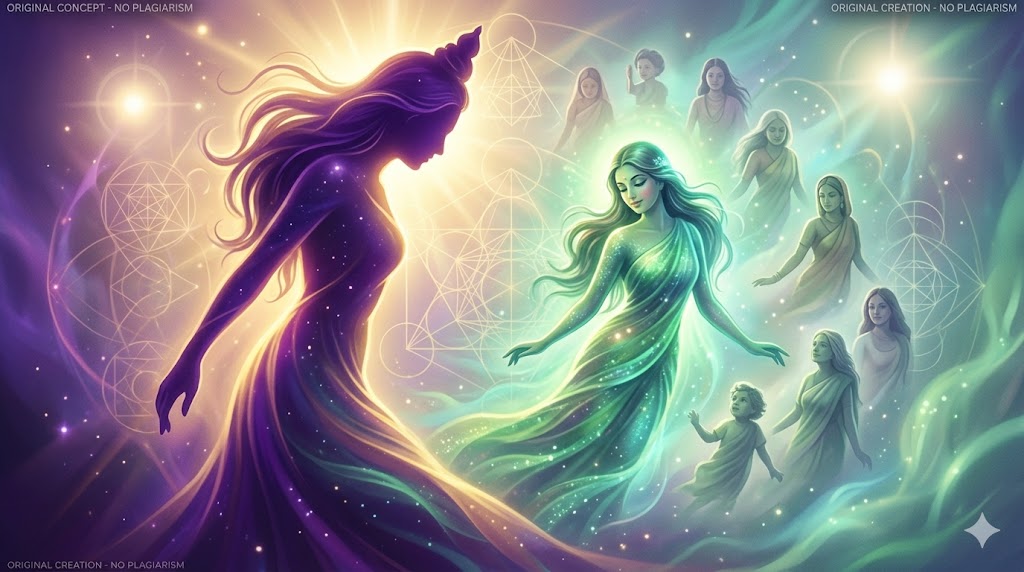
Prakriti’s Emergence (The Theological View)
Ganesha Khanda (or Ganapati Khanda): With approximately 46 chapters, this section narrates the birth, deeds, and glory of Lord Ganesha. It includes philosophical dialogues, such as those between Ganesha and sages like Bhrigu, and underscores Ganesha's role as the remover of obstacles in the path of devotion to Krishna.
Krishna Janma Khanda: The longest and most celebrated section, spanning over 130 chapters, forms the heart of the Purana. It details the divine birth and pastimes of Krishna in Vrindavan, with extensive focus on his eternal relationship with Radha. This Khanda is filled with enchanting descriptions of leelas, rasas (devotional emotions), hymns, and the transcendental realm of Goloka. It is here that the erotic-spiritual symbolism of Radha-Krishna love reaches its poetic peak, representing the soul's blissful union with God.
This progressive structure moves the reader from intellectual understanding to emotional immersion in divine love.
The Central Theme: Divine Love of Radha and Krishna
At its core, the Brahmavaivarta Purana celebrates the inseparable bond between Radha and Krishna. Radha emerges from the left side of Krishna, symbolizing their oneness – like body and soul, or energy and its possessor. All gopis (cowherd maidens) are said to originate from Radha, while gopas come from Krishna, underscoring her supreme position among the divine feminine.
The text describes their Gandharva marriage in Vrindavan, performed in the presence of celestial beings. Detailed accounts of their playful interactions, secret meetings, and the rasa dance portray a love that transcends ordinary boundaries. These narratives are not mere romantic tales; they carry profound philosophical meaning. The separation and union in their leelas mirror the jiva (individual soul)'s journey of longing and fulfillment in bhakti.
Hymns in the Purana praise Radha's name as a powerful mantra capable of granting protection and liberation. Devotees are encouraged to meditate on the divine couple, chant their glories, and cultivate qualities like humility and selfless love. The erotic elements, often misunderstood, symbolize the intense, all-consuming passion of spiritual surrender rather than worldly desire.
Key Stories and Narratives
The Purana is rich with captivating episodes. In the Prakriti Khanda, one finds tales of goddesses and their devotional service. The emergence of Radha is vividly portrayed: from Krishna's splendor, she appears as the embodiment of perfect devotion and beauty.
In the Krishna Janma Khanda, readers encounter the childhood pranks of Krishna, his flute playing that enchants all of Vrindavan, and the deep emotional bonds with Radha and the gopis. Stories of curses and their resolutions, such as those involving Sridama and Radha, explain karmic dynamics while highlighting forgiveness and divine grace.
Another significant narrative involves the prophecy of a golden age within Kali Yuga. Krishna assures Mother Ganga that after 5,000 years of Kali, a 10,000-year period of spiritual renaissance will dawn, marked by widespread chanting of the holy names, bringing peace and devotion across the world. This prophecy has inspired many modern Vaishnava movements.
Philosophical dialogues address creation, the illusory nature of the material world, and the supremacy of bhakti over other paths. The text also covers geography of sacred places, rituals, and ethical living aligned with devotion.
Theological Significance and Unique Teachings
The Brahmavaivarta Purana presents a monistic yet personalistic theology. Krishna is the Svayam Bhagavan, the original Personality of Godhead, with all other deities as his expansions. Radha represents the highest Shakti, embodying hladini (bliss-giving energy). Their union in Goloka, the highest spiritual planet, is the model for all existence.
A striking feature is its egalitarian view toward women. The Purana declares that insulting a woman is equivalent to offending Radha herself, positioning feminine dignity as central to dharma. It promotes the idea that all women are manifestations of the divine Prakriti, deserving reverence.
The emphasis on bhakti as the easiest and most effective path in Kali Yuga resonates deeply. Through love for Radha-Krishna, one can transcend material limitations and attain the eternal realm of Goloka. The text integrates elements of Tantra, Vedanta, and devotional poetry, creating a holistic spiritual system.
Relevance in Contemporary Times
In our modern world of rapid change and spiritual disconnection, the Brahmavaivarta Purana offers solace and direction. Its message of divine love encourages healthy relationships grounded in respect and spirituality. The focus on Radha teaches the power of feminine energy and emotional intelligence in devotion.
Many practitioners today draw inspiration from its prophecies and practices, engaging in nama-sankirtana (congregational chanting) and studying the leelas to cultivate inner joy. The Purana's call for environmental reverence, seen in its glorification of Vrindavan and sacred rivers, aligns with current ecological concerns.
For scholars, it provides valuable insights into the evolution of Vaishnava theology and the interplay between different Hindu traditions. Devotees find in it a practical manual for transforming everyday life into a celebration of divine presence.
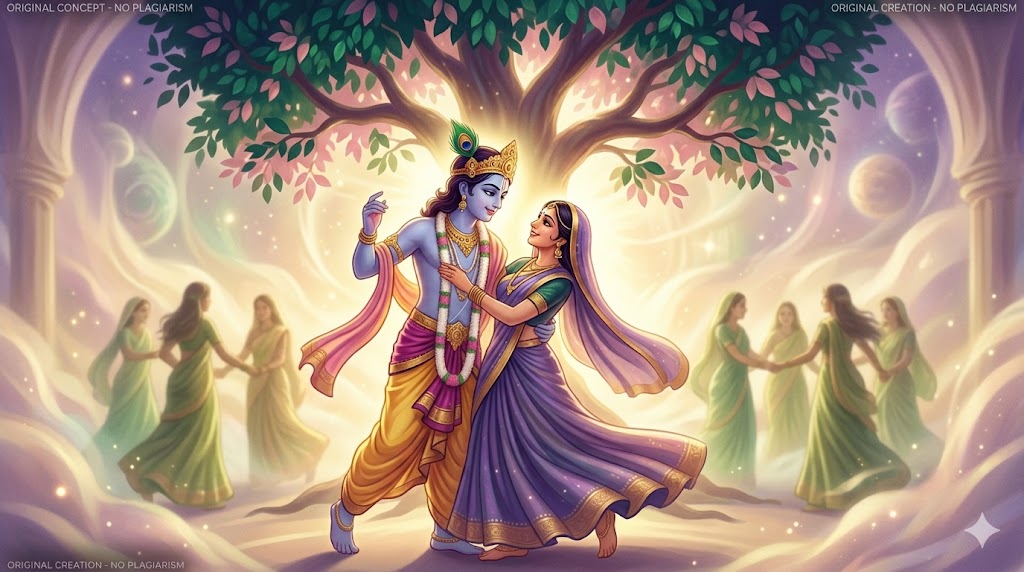
The Rasa of Union (The Devotional Goal)
Conclusion
The Brahmavaivarta Purana remains a luminous beacon of Radha-Krishna devotion. Through its vivid narratives, philosophical depth, and heartfelt hymns, it invites every soul to experience the sweetest form of spirituality – the path of loving surrender. As we navigate the complexities of contemporary life, its teachings remind us that true fulfillment lies in recognizing the divine play in all things and cultivating unconditional love.
Whether one approaches it as sacred scripture or a profound literary work, the Brahmavaivarta Purana continues to touch hearts and elevate minds. By immersing oneself in the eternal love of Radha and Krishna as depicted here, seekers can discover the transformative joy that has inspired millions across centuries. May the divine couple's blessings guide us toward greater harmony, devotion, and spiritual awakening.