US-Iran-Israel War: Economic Strain on American Superpower
The United States has long stood as the world's preeminent superpower, boasting unmatched military capabilities and the largest economy driven by innovation, consumerism, and global influence. Yet, the ongoing conflict involving the US, Israel, and Iran that erupted in late February 2026 has tested this dominance in unexpected ways. What began as targeted military operations has evolved into a protracted standoff, particularly around the critical Strait of Hormuz, creating ripple effects that are weighing on American economic strength.
Despite America's status as a net energy exporter thanks to its shale revolution, the war has driven up global oil prices, fueled inflation, strained supply chains, and imposed significant military and fiscal costs. These pressures come at a time when the US economy was already navigating post-pandemic recovery challenges, tariffs, and shifting global trade dynamics. This article examines how the US-Iran-Israel war is contributing to economic headwinds, the reasons behind slowing GDP growth, impacts on industrialization, and broader implications for America's position as a global leader.
The conflict intensified on February 28, 2026, with coordinated US and Israeli strikes on Iranian targets, including leadership, security infrastructure, and missile capabilities. Iran responded with retaliatory actions, including disruptions in the Strait of Hormuz — a vital chokepoint for approximately one-fifth of global oil supply. A fragile ceasefire took hold in early April, but tensions persist with ongoing naval operations, blockades, and sporadic incidents as of May 2026.
President Trump's administration has pursued a strategy of maximum pressure combined with diplomatic overtures, including efforts to reopen shipping lanes through initiatives like "Project Freedom." While US military involvement has been relatively contained compared to full-scale ground wars, the economic reverberations have proven harder to isolate.
Military Costs and Strain on US Defense Resources
One immediate impact stems from heightened military expenditures. Operations in the region, including naval escorts, air support, and logistical efforts, have added billions to the Pentagon's budget. Reports suggest costs have already reached significant figures, with some estimates placing direct war-related spending in the tens of billions within the first two months.
This diverts resources from other priorities and contributes to larger federal deficits. While the US military remains the world's most advanced, sustained deployments strain personnel, equipment maintenance, and readiness for other potential hotspots. Public and congressional scrutiny over these expenditures adds political pressure, potentially influencing future defense appropriations and overall fiscal policy.
Energy Shock and Rising Oil Prices
The core economic transmission mechanism has been the disruption to global energy markets. Attacks and threats around the Strait of Hormuz have reduced oil flows, pushing Brent crude prices significantly higher — at times surging over 40% from pre-war levels. US gasoline prices climbed above $4 per gallon in many areas, directly hitting consumers and businesses.
Although America is a net exporter, higher global prices create a mixed effect. Domestic producers benefit, but refiners, transporters, and everyday consumers face increased costs. This "tax" on mobility reduces disposable income, dampens consumer spending — which drives about 70% of US GDP — and feeds into broader inflationary pressures.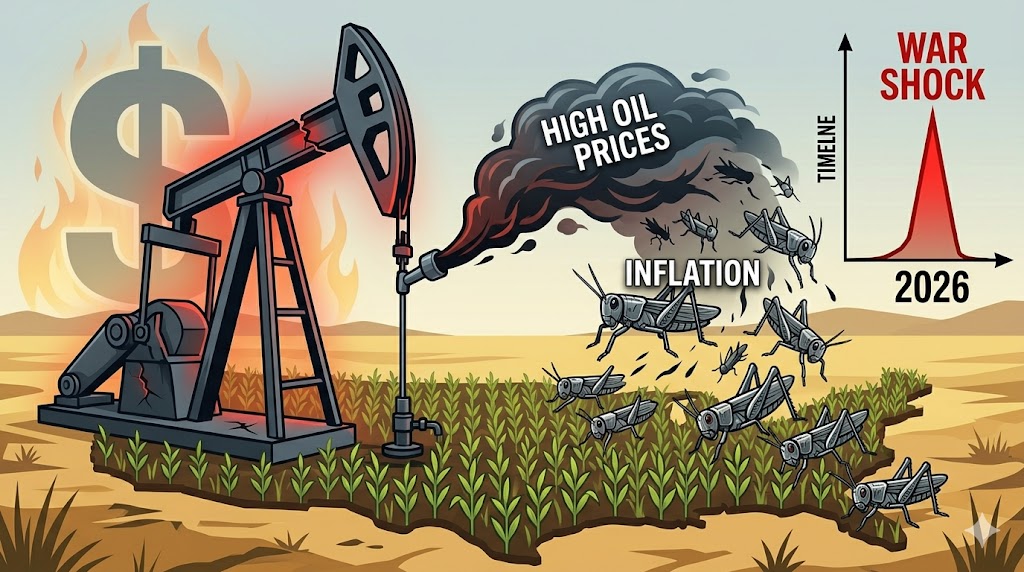
Visualizing the Energy Shock and Inflation
Inflation Surge and Monetary Policy Challenges
Elevated energy costs have complicated the Federal Reserve's efforts to manage inflation. Headline inflation rose notably in early 2026, with expectations climbing as households anticipate persistent high fuel and transportation expenses. This dynamic forces the Fed into a difficult balancing act: raising rates to combat inflation risks slowing growth further, while holding steady could allow price pressures to embed.
Higher borrowing costs from this environment affect mortgages, business loans, and consumer credit, cooling sectors like housing and retail. The conflict has thus exacerbated existing inflationary tendencies from tariffs and supply chain issues, eroding purchasing power and consumer confidence.
GDP Growth Slowdown and Economic Resilience Tested
US GDP expanded at a 2% annual rate in the first quarter of 2026, showing resilience even as the conflict began. However, forecasts for the full year have been revised downward, with some economists projecting growth around 1.6-1.8%, down from earlier expectations. The war is estimated to shave 0.3 percentage points or more off annual growth through energy costs and uncertainty.
Key reasons for this decline include:
Reduced consumer spending due to higher energy bills.
Business hesitation on investments amid uncertainty.
Supply chain disruptions affecting manufacturing inputs.
Global spillover effects reducing demand for US exports.
While not yet triggering a recession, the cumulative drag challenges America's economic supremacy narrative, especially as other nations feel varying degrees of pain.
Impact on Industrialization and Manufacturing
American industrialization, particularly in energy-intensive sectors like chemicals, plastics, steel, and automotive, faces direct headwinds. Higher energy and transportation costs raise production expenses, squeezing margins and competitiveness. Some manufacturers have reported scaled-back operations or delayed expansions.
The conflict has also disrupted global supply chains for critical materials, compounding issues from earlier trade tensions. Industries reliant on stable international shipping through affected routes experience delays and increased insurance premiums. This environment risks slowing the reshoring momentum that had been rebuilding US manufacturing capacity, potentially affecting employment in industrial heartlands.
Longer-term, prolonged uncertainty could deter capital investment in factories and infrastructure, hindering productivity growth — a key driver of sustained economic superiority.
Broader Economic and Geopolitical Implications
Beyond direct metrics, the war undermines confidence in US leadership. Allies and markets question the sustainability of extended engagements, while adversaries may perceive opportunities in American distraction. Stock market volatility, though contained, reflects these concerns.
On the positive side, higher energy prices provide a boost to US oil and gas producers, supporting jobs in those sectors and contributing to export revenues. However, these gains are unevenly distributed and do not fully offset widespread consumer and industrial burdens.
The situation also highlights vulnerabilities in global energy dependence, prompting discussions on accelerating domestic production, renewables, and strategic reserves — areas where America holds advantages but requires policy consistency.
Reasons Behind Economic Pressures Despite Superpower Status
Several factors explain why the US feels these effects despite its strengths:
1. Global Interconnectedness: Even a superpower cannot fully insulate itself from worldwide energy markets and trade networks.
2. Asymmetric Conflict Costs: Low-intensity but prolonged operations accumulate expenses without decisive victories.
3. Inflationary Transmission: Energy shocks quickly pass through to consumer prices in a service- and consumption-heavy economy.
4. Policy Constraints: Existing fiscal deficits and monetary tightening limits room for stimulus.
5. Uncertainty Premium: Businesses and investors demand higher returns amid geopolitical risks, slowing activity.
These dynamics challenge the perception of effortless dominance, reminding policymakers that military actions carry domestic economic trade-offs.
Path Forward and Lessons for Economic Resilience
As ceasefire efforts continue and negotiations unfold, the duration of disruptions will determine the full economic toll. A swift resolution could limit damage, while prolongation risks deeper slowdowns.
For the US, this episode underscores the need for diversified energy strategies, robust supply chain resilience, and careful calibration of foreign policy with economic realities. Strengthening alliances for shared security burdens and investing in technological edges — from AI to advanced manufacturing — can help maintain superpower advantages.
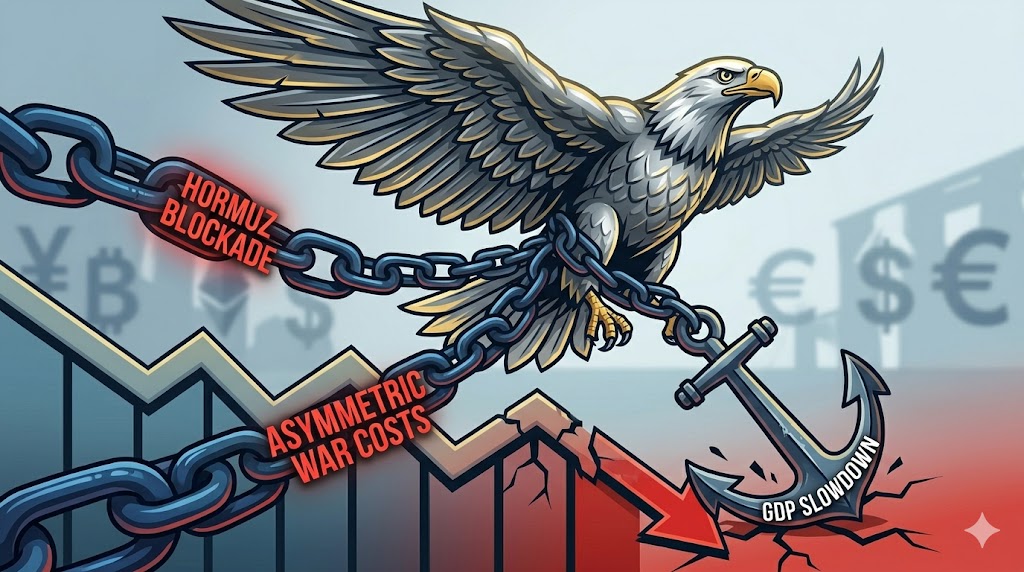
Strained Superpower and Slowing GDP
Conclusion
The US-Iran-Israel conflict of 2026 illustrates the complex interplay between military power and economic vitality. While America retains its foundational strengths, the war has contributed to higher inflation, moderated GDP growth, strained industrialization, and increased fiscal pressures. These challenges stem not from weakness but from the inherent costs of global leadership in an interconnected world.
As developments in the Middle East evolve, the true test will be how effectively US policymakers mitigate these impacts while safeguarding long-term prosperity. The conflict serves as a reminder that sustaining superpower status requires balancing strategic ambitions with prudent economic stewardship. In navigating this period, America has the opportunity to emerge with enhanced resilience, provided lessons on energy security and fiscal discipline are heeded.