Trump on Iran: "Wave White Flag" But Ready for Deal
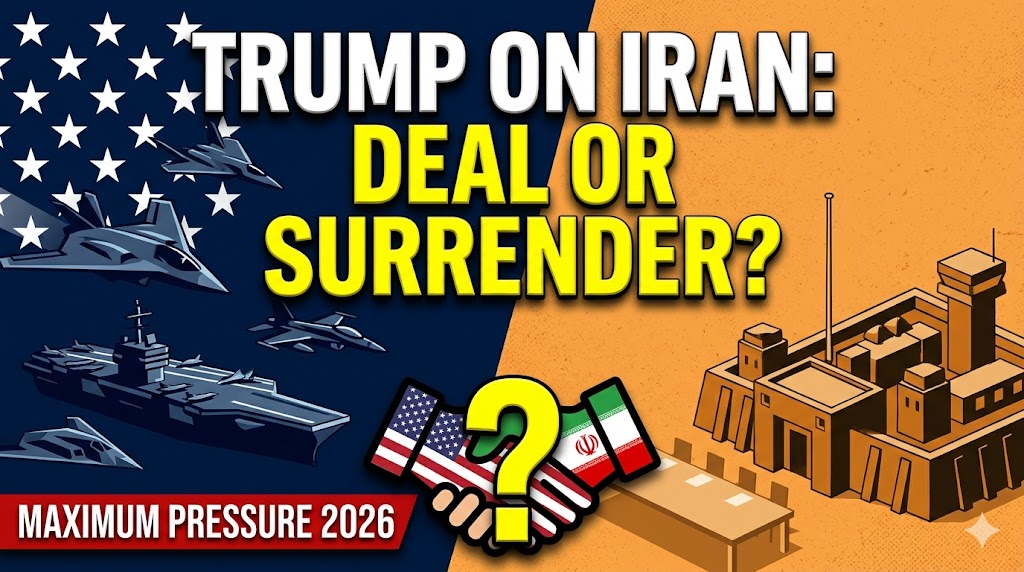
President Donald Trump delivered characteristically blunt remarks on May 5, 2026, regarding the ongoing standoff with Iran. Speaking to reporters in the Oval Office, he urged Tehran to "wave the white flag of surrender," while simultaneously suggesting that Iranian leaders are eager for a negotiated deal despite their public posturing. This dual message encapsulates Trump's approach to foreign policy: maximum pressure combined with openness to pragmatic agreements.
The comments come at a sensitive juncture in US-Iran relations, marked by military tensions in the Strait of Hormuz, a fragile ceasefire, and broader concerns over Iran's nuclear ambitions and regional influence. Trump's assertion that Iran's military has been significantly weakened and is now reduced to "peashooters" reflects his confidence in US leverage, yet his acknowledgment that Tehran "wants to make a deal" opens the door for diplomacy.
This article provides a detailed examination of Trump's statements, the geopolitical context, historical background, reactions from various stakeholders, potential outcomes, and the broader implications for international relations in the Middle East.
Trump's Exact Remarks and Immediate Context
During the Oval Office session, President Trump dismissed Iran's remaining military capabilities and criticized what he described as their pattern of playing games. "They play games, but let me just tell you, they want to make a deal. And who wouldn't, when your military is totally gone?" he stated. He further emphasized that Iran "should wave the white flag of surrender," adding that pride prevents them from doing so openly.
Trump likened the situation to a fight where the opponent knows they should stop, using phrases like "cry uncle" to underscore his point. He noted that while a formal white flag might not be raised, Iran's actions already indicate a weakened position. These comments followed updates from Defense Secretary Pete Hegseth on recent exchanges of fire and efforts to secure shipping lanes in the Strait of Hormuz.
The timing is significant. A shaky ceasefire has held tenuously after recent escalations, with the US maintaining a blockade on certain Iranian ports while pausing some operations to facilitate talks. Trump's remarks blend toughness with a clear invitation for negotiations, consistent with his "peace through strength" doctrine.
Background of Current US-Iran Tensions
US-Iran relations have been strained for decades, punctuated by periods of intense confrontation and fleeting attempts at engagement. The 2015 Joint Comprehensive Plan of Action (JCPOA), or Iran nuclear deal, under President Obama represented a major diplomatic effort. Trump withdrew the US from the agreement in 2018 during his first term, reimposing sanctions and adopting a maximum pressure campaign.
In the current 2026 context, tensions have escalated around key issues: Iran's nuclear program, its support for regional proxies, and disruptions to global energy supplies through the Strait of Hormuz, a critical chokepoint carrying about 20% of the world's oil. Recent military actions, including US operations to escort vessels and Iranian responses, have heightened fears of broader conflict.
Trump's administration has emphasized preventing Iran from acquiring nuclear weapons, a red line repeatedly highlighted in his statements. The combination of military posturing and economic sanctions has reportedly left Iran economically strained, with its currency weakened and military resources depleted according to US assessments.
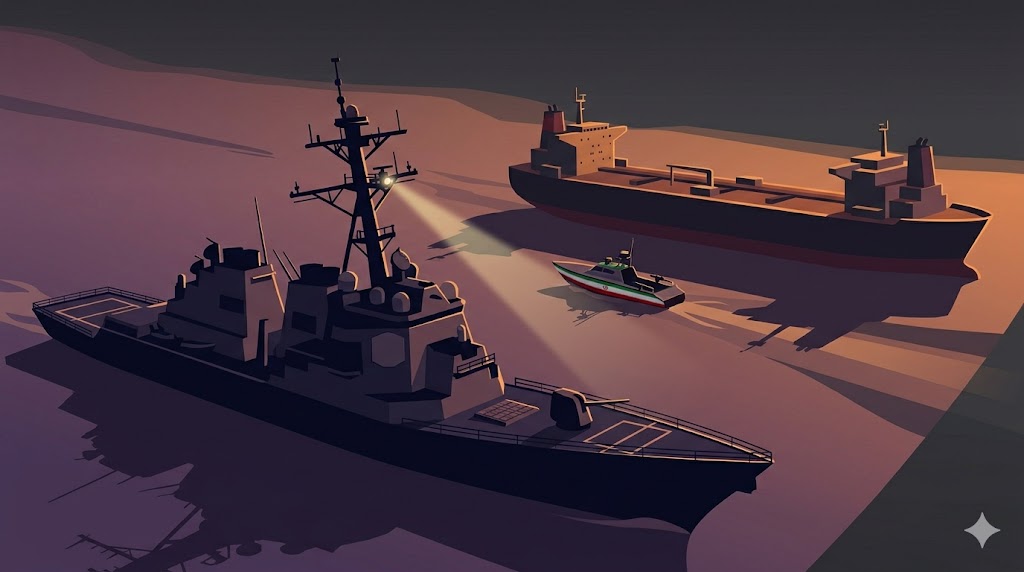
The View from the Strait (Tension)
Analysis of Trump's Strategy: Pressure and Pragmatism
Trump's "wave the white flag" rhetoric serves multiple purposes. It projects strength to domestic audiences and allies, signals to Iran the high cost of continued defiance, and frames any future agreement as a concession from Tehran rather than a compromise by the US. By publicly downplaying Iran's capabilities while acknowledging their desire for a deal, he aims to improve negotiating leverage.
This approach mirrors tactics used successfully in other diplomatic arenas during his previous term, such as with North Korea. Critics argue it risks escalation or humiliation that could provoke hardliners in Tehran. Supporters view it as realistic assessment backed by American military and economic superiority.
The mention of a potential new deal being "far better" than the previous JCPOA suggests Trump envisions stricter terms, possibly including limits on ballistic missiles, regional behavior, and more robust verification mechanisms.
Iranian Perspective and Reactions
Iranian officials have rejected calls for surrender, with President Masoud Pezeshkian and others emphasizing national sovereignty and resilience. Tehran maintains that its military remains capable and that any negotiations must respect its rights, particularly regarding its nuclear program for civilian purposes.
Public statements from Iran often portray US actions as aggression while signaling openness to diplomacy if sanctions are lifted and security guarantees are provided. The internal dynamics in Iran — balancing reformist and hardline factions — complicate responses to Trump's overtures. Economic pressures from sanctions and isolation may push pragmatists toward talks, even as pride and strategic interests discourage visible capitulation.
International Reactions and Regional Implications
Allies and partners have shown mixed responses. Some Gulf states quietly support a firm stance against Iran, while European nations traditionally favor diplomatic engagement and worry about escalation affecting energy markets and migration. China and Russia, as partners to Iran, have criticized US unilateralism and called for de-escalation.
The situation in the Strait of Hormuz carries global economic weight. Disruptions here could spike oil prices, affecting inflation worldwide. Trump's pause on certain naval operations to prioritize a deal indicates awareness of these broader consequences.
For Israel, a key US ally, preventing Iranian nuclear advancement remains paramount. The interplay between US policy and Israeli security considerations adds another layer of complexity.
Potential Paths Forward: Deal or Continued Confrontation
Several scenarios emerge from the current impasse. A successful negotiation could yield a revised agreement addressing nuclear, missile, and proxy issues, potentially stabilizing the region. Failure to reach terms might lead to renewed military actions, further sanctions, or proxy conflicts.
Trump has indicated he will clearly communicate violations of the ceasefire, maintaining flexibility while keeping pressure high. Factors influencing outcomes include Iran's economic situation, domestic politics in both countries, and the role of intermediaries like Oman or Qatar.
Experts suggest that any deal would require careful balancing: sufficient concessions to Iran for buy-in, while satisfying US and allied demands for verifiable security improvements.
Historical Parallels and Lessons
Trump's current approach echoes elements of past US strategies toward adversarial nations — combining sanctions, military deterrence, and diplomatic engagement. The Libya model under Gaddafi, where disarmament led to improved relations (before later reversal), and the ongoing North Korea engagements offer comparative insights, each with mixed results.
The key challenge remains building trust, given decades of mutual suspicion. Trump's personal negotiating style — bold public statements paired with private pragmatism — may prove decisive or counterproductive depending on execution.
Broader Geopolitical Significance
This episode fits into larger shifts in global power dynamics. As the US focuses on great power competition with China, resolving or managing Middle East tensions becomes strategically important to avoid distractions. Energy security, counter-proliferation, and alliance credibility are all at stake.
For the Middle East, a US-Iran understanding could reshape alliances, economic corridors, and security architectures. Conversely, prolonged conflict risks wider instability, affecting everything from Yemen to Lebanon.
Conclusion
President Trump's May 5, 2026, comments urging Iran to "wave the white flag of surrender" while affirming their interest in a deal highlight the high-stakes blend of confrontation and negotiation defining current US policy toward Tehran. His remarks underscore a belief in American strength and the potential for a transformative agreement that secures long-term regional stability.
As developments unfold, the world watches whether bold rhetoric will pave the way for diplomacy or escalate tensions further. The coming weeks and months will test the effectiveness of this approach, with profound implications not only for US-Iran relations but for global peace and prosperity.
The situation remains fluid, demanding careful navigation by all parties. A well-crafted deal could mark a significant foreign policy achievement, while miscalculations carry substantial risks. In this complex geopolitical landscape, Trump's blend of pressure and openness may yet define the trajectory of one of the Middle East's most enduring rivalries.