Trump Launches Project Freedom in Strait of Hormuz
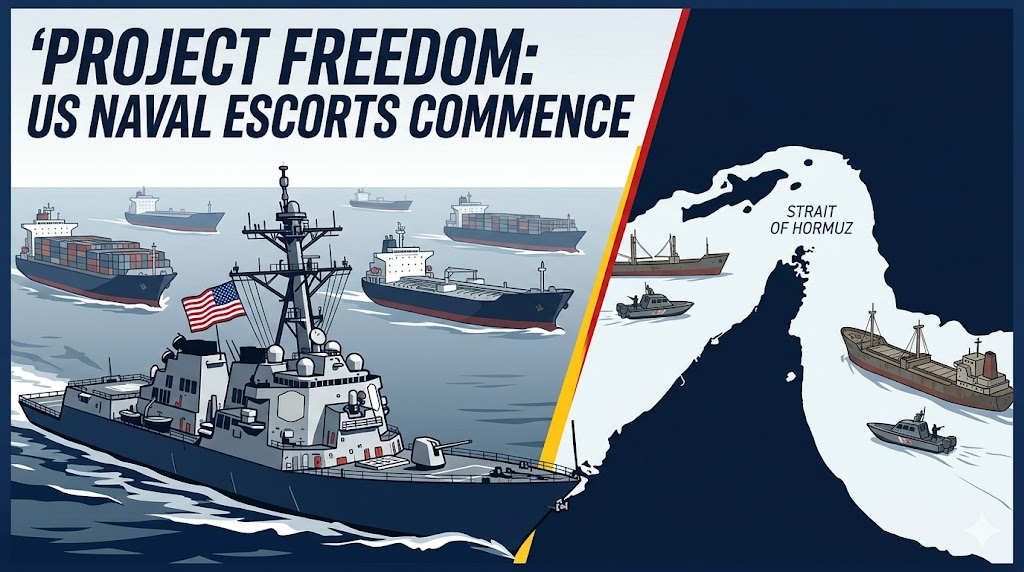
In a significant development that could reshape maritime security in the Persian Gulf, US President Donald Trump has officially launched Project Freedom, a naval mission designed to escort and guide dozens of stranded commercial vessels out of the Strait of Hormuz. Operations began on May 4, 2026, with US forces already supporting the transit of American-flagged merchant ships through the vital waterway.
The announcement comes at a delicate moment, just weeks after a fragile ceasefire took hold between the United States and Iran following intense hostilities. While the White House describes the effort as a humanitarian initiative to assist neutral vessels and their crews running low on supplies, Tehran has issued stern warnings that such actions could violate the ceasefire agreement.
This comprehensive analysis explores the background of the mission, its strategic objectives, immediate operational developments, international reactions, and the broader implications for global energy security and regional stability.
The Strait of Hormuz has long served as the world’s most critical energy chokepoint. Approximately 20 percent of global oil and significant volumes of liquefied natural gas pass through its narrow channels each day under ordinary conditions. The recent period of conflict dramatically altered this flow, with blockades, naval engagements, and heightened security risks leaving numerous commercial ships stranded in and around the Gulf.
Following the ceasefire that went into effect on April 8, 2026, shipping lanes remained restricted. Reports indicated that many vessels faced shortages of food, fuel, and essential provisions, creating a humanitarian concern alongside massive economic losses for international trade.
President Trump, addressing the situation via his Truth Social platform, emphasized the need to restore normal operations. He highlighted that many affected ships belonged to “neutral and innocent” countries not directly involved in the regional disputes. In his announcement, Trump stated that the United States would step in to guide these vessels safely out of the restricted waters, dubbing the initiative Project Freedom.
US Central Command (CENTCOM) quickly backed the president’s directive, outlining substantial military support for the operation. This includes guided-missile destroyers, over 100 aircraft, unmanned platforms, and approximately 15,000 service members. The mission focuses on coordination, information sharing, and ensuring safe passage rather than direct confrontation, according to official statements.
Details of the Operation and Initial Actions
As operations commenced on Monday, May 4, early reports confirmed progress. Two American-flagged merchant vessels successfully transited the strait with US Navy support. CENTCOM stated that guided-missile destroyers were actively operating in the area to facilitate these movements as a first step in restoring commercial shipping.
The approach appears measured. US officials have indicated that while naval assets provide oversight and security, the mission emphasizes coordination with international partners through initiatives like the Maritime Freedom Construct. Ships are advised to utilize enhanced security areas, potentially routing through Omani waters where possible.
President Trump has framed the entire effort as a humanitarian gesture, noting the plight of roughly 20,000 crew members affected by the disruptions. However, he also warned that any interference would be met with appropriate force, underscoring the administration’s commitment to protecting freedom of navigation.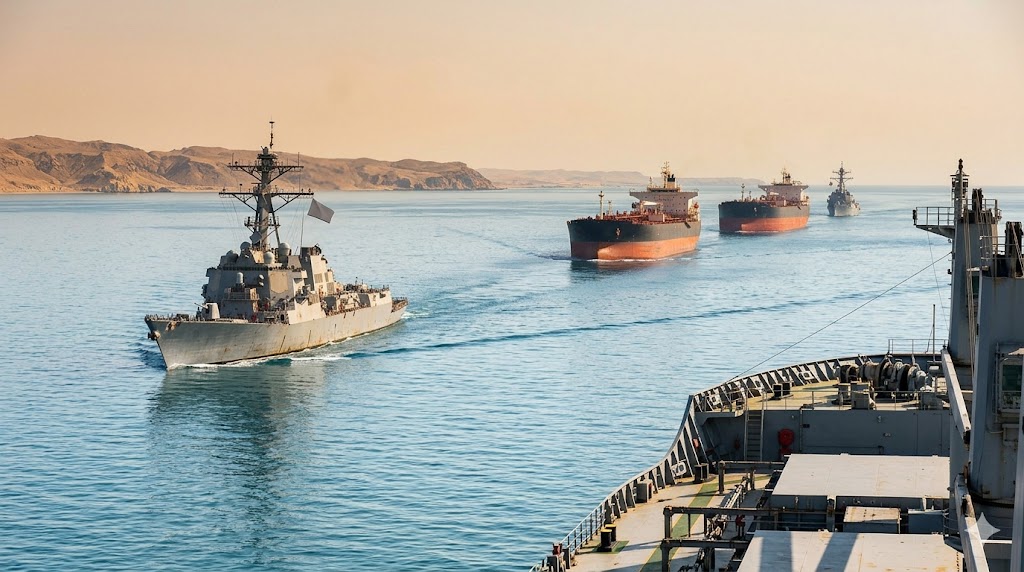
Escort Operation in the Strait of hormuz
Iran’s Response and Ceasefire Concerns
Iranian officials reacted swiftly and firmly to the launch of Project Freedom. Military commanders warned that any unauthorized foreign armed forces, particularly those of the United States, entering or approaching the strait would face attack. State media reported that Iranian naval units had issued warnings, including firing shots near US destroyers.
Tehran maintains that the strait falls under its maritime security responsibilities and that US intervention represents a breach of the April ceasefire. Lawmakers such as Ebrahim Azizi described the move as unacceptable interference in what they termed the new post-conflict maritime regime.
Despite these tensions, conflicting claims emerged regarding specific incidents. Iranian sources alleged missile strikes on a US frigate, while CENTCOM categorically denied any damage or successful hits on American vessels. Such exchanges highlight the persistent risks of miscalculation in this confined maritime space.
Strategic and Economic Significance
The stakes in the Strait of Hormuz extend far beyond regional politics. Major economies in Asia and Europe depend heavily on uninterrupted oil flows from the Gulf. Disruptions have already contributed to volatility in global energy markets, with analysts monitoring oil prices closely as the operation unfolds.
Project Freedom aims not only to free stranded ships but also to signal resolve in upholding international maritime norms. By facilitating safe passage, the United States hopes to alleviate pressure on global supply chains and prevent further economic fallout from the recent conflict.
For shipping companies, the mission offers a potential return to normalcy, though elevated insurance premiums and cautious routing decisions are likely to persist in the short term. Nations such as China, India, Japan, and South Korea, which import substantial volumes through the strait, are watching developments with keen interest.
International Reactions and Diplomatic Context
The global response has been mixed. Gulf Arab states have expressed quiet support for measures that ensure open shipping lanes, given their own economic vulnerabilities. European and Asian partners have called for restraint to avoid reigniting full-scale hostilities.
Diplomatic channels remain active. Iran recently presented a 14-point proposal for broader de-escalation, which the Trump administration is reviewing but has described as falling short in key areas. Behind-the-scenes efforts involving third parties continue, seeking ways to stabilize the situation without compromising core security interests.
NATO allies have shown limited appetite for direct involvement, placing the primary burden on US forces for now. This dynamic echoes past operations in the region where burden-sharing has been a point of discussion.
Operational Challenges and Risk Assessment
Navigating the Strait of Hormuz presents inherent difficulties. At its narrowest, the waterway measures about 21 miles across, with shipping lanes further constrained. In an environment of high tension, even routine transits carry elevated risks.
Military experts point to the potential for accidents or misunderstandings, particularly with Iranian fast-attack boats and shore-based missile systems still operational. The presence of advanced US assets, including destroyers and extensive air cover, is intended to deter aggression while minimizing direct engagements.
Project Freedom also raises questions about long-term arrangements. Will it evolve into a sustained international escort regime? How will coordination with regional actors develop? These remain open issues as the operation progresses.
Historical Parallels and Lessons from the Past Crises
The current situation recalls earlier challenges in the Persian Gulf, such as the Tanker War of the 1980s, when international forces intervened to protect shipping. More recent incidents involving vessel seizures and attacks have repeatedly demonstrated the vulnerability of this critical artery.
What sets the present episode apart is the scale of prior direct US-Iran confrontations and the explicit framing of the mission under a presidential initiative. Lessons from those earlier periods emphasize the importance of clear communication, robust rules of engagement, and diplomatic off-ramps to prevent escalation.
Broader Implications for US-Iran Relations
Project Freedom occurs against the backdrop of unresolved issues, including sanctions, regional influence, and security concerns. While the ceasefire provided temporary relief, underlying mistrust continues to influence decision-making on both sides.
Success in this maritime endeavor could open avenues for further confidence-building measures. Conversely, any serious incident might complicate ongoing diplomatic reviews of Iran’s peace proposals and prolong regional instability.
For the Trump administration, the mission represents a practical demonstration of its approach to international challenges: prioritizing American leadership in protecting global commons while encouraging other nations to support shared security responsibilities.
Impact on Global Markets and Energy Security
Energy analysts anticipate continued price sensitivity as long as uncertainty lingers around Hormuz transits. Successful implementation of Project Freedom could help moderate upward pressure on oil, benefiting consumers and industries worldwide.
Longer-term, diversified supply routes and investment in alternative energy sources may gain renewed attention. However, for the immediate future, the efficient functioning of the strait remains indispensable for global economic stability.
Voices from Stakeholders
Ship operators and crew members have welcomed the initiative, hoping for resolution to their prolonged predicament. Regional analysts stress the need for pragmatic solutions that respect sovereignty concerns while ensuring safe passage for legitimate commercial traffic.
Iranian perspectives emphasize national security and the right to manage adjacent waters, while US statements focus on universal principles of navigation freedom that benefit all trading nations.
Looking Ahead: Potential Scenarios
Several trajectories are possible in the coming days:
Smooth facilitation of additional transits with minimal interference, gradually normalizing shipping.
Limited incidents leading to heightened alertness without full breakdown of the ceasefire.
Diplomatic breakthroughs that integrate Project Freedom into a more comprehensive maritime security framework.
The coming hours and days will be telling as initial operations provide clearer indications of Iranian responses and the effectiveness of US coordination efforts.
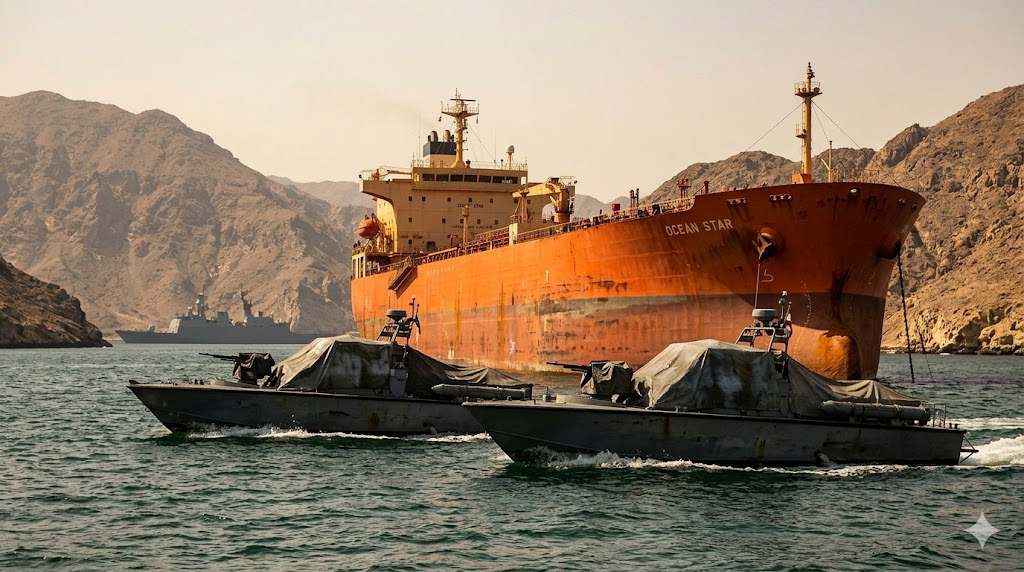
Iran’s Warning and Regional Proximity
Conclusion
President Trump’s launch of Project Freedom marks a bold step toward restoring vital maritime traffic in the Strait of Hormuz at a time when global trade can ill afford further disruptions. Balancing humanitarian needs, security imperatives, and diplomatic sensitivities, the operation tests the resilience of the recent ceasefire while underscoring the enduring strategic importance of this narrow waterway.
As US forces support the safe passage of stranded vessels, the world watches closely. The outcome will influence not only immediate energy flows but also the broader trajectory of stability in the Middle East and international efforts to safeguard critical sea lanes.
For now, the priority remains clear: ensuring the safe movement of commercial shipping while preventing missteps that could unravel fragile progress toward lasting de-escalation.