Iran Proposal Review Amid $8B US Arms Sales to Allies
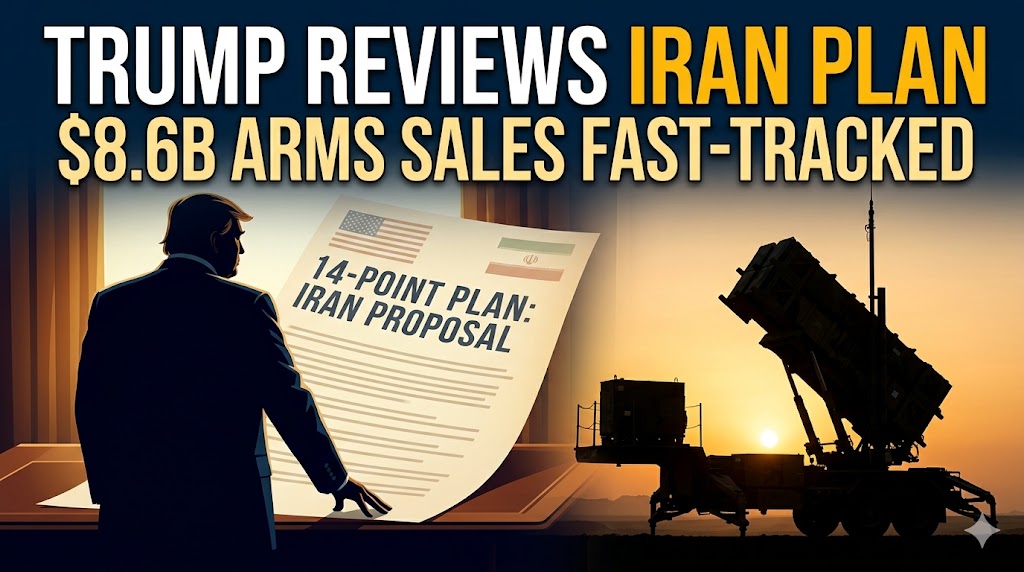
In a significant development amid fragile regional dynamics, President Donald Trump has stated he will personally review a new proposal submitted by Iran. This announcement coincides with the US State Department's fast-tracking of over $8 billion in arms sales to key Middle Eastern allies, including Israel, Qatar, Kuwait, and the United Arab Emirates.
The moves come against the backdrop of a recent US-Israel military engagement with Iran, a subsequent ceasefire, and ongoing diplomatic efforts to stabilize the Persian Gulf. As tensions persist, these parallel actions underscore the Trump administration's dual-track approach: keeping diplomatic channels open while bolstering the defensive capabilities of its partners. This article provides a comprehensive examination of the latest developments, their historical context, strategic implications, and potential paths forward.
Background on Current US-Iran Tensions
The relationship between the United States and Iran has long been complex, marked by periods of confrontation and tentative diplomacy. Following the US withdrawal from the 2015 Joint Comprehensive Plan of Action (JCPOA) during Trump's first term, tensions escalated over Iran's nuclear program, ballistic missiles, and regional influence.
Recent events, including direct military actions earlier in 2026, have heightened stakes. A ceasefire has held tenuously, but underlying issues—particularly Iran's nuclear ambitions and control over vital shipping routes like the Strait of Hormuz—remain unresolved. Iran's latest 14-point response appears aimed at addressing immediate concerns such as reopening maritime passages while seeking concessions on sanctions and broader talks.
President Trump's willingness to review the proposal signals a pragmatic stance, consistent with his preference for deal-making. However, administration officials have emphasized that any agreement must prevent Iran from developing nuclear weapons.
Details of Iran's New Proposal
According to reports, Iran submitted a comprehensive 14-point plan in response to US overtures. Key elements reportedly include:
Measures to ensure safe navigation through the Strait of Hormuz, a critical chokepoint for global oil supplies.
Proposals for phased de-escalation and potential sanctions relief.
Suggestions to address nuclear concerns, though details on enrichment limits and inspections remain points of contention.
Frameworks for broader regional security discussions involving proxies and ballistic missiles.
Trump's response has been measured. He indicated the proposal contains elements worthy of consideration but falls short in key areas, particularly regarding long-term nuclear safeguards. This review process allows time for internal assessment while maintaining pressure through military preparedness.
US Fast-Tracks Arms Sales to Middle East Allies
Simultaneously, the US State Department approved military sales exceeding $8.6 billion, bypassing standard congressional review by invoking emergency provisions for national security reasons. The packages target several allies:
Qatar: Approximately $4 billion for Patriot air and missile defense systems and related support.
Kuwait: Around $2.5 billion for an Integrated Battle Command System.
Israel and UAE: Advanced Precision Kill Weapon Systems (APKWS), laser-guided rockets, and other munitions totaling over $2 billion.
These sales represent the latest in a series of emergency waivers used since the onset of heightened conflict. Proponents argue they replenish stocks depleted during operations and strengthen deterrence against potential threats. Critics, including some lawmakers, question the timing, costs, and impact on US domestic readiness and other alliances.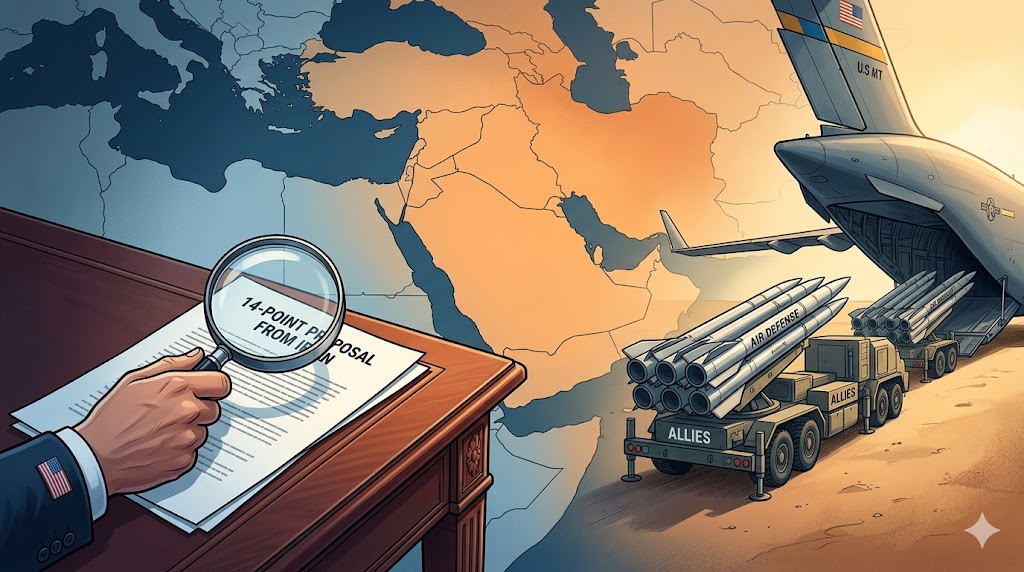
The Diplomatic Dual-Track
Strategic Implications for Regional Security
This dual approach—diplomatic review paired with military support—reflects a classic strategy of "peace through strength." By arming allies, the US aims to:
1. Deter further aggression and stabilize the region post-ceasefire.
2. Ensure partners can contribute to collective security, reducing direct US burden.
3. Maintain leverage in negotiations with Iran by demonstrating resolve.
For Israel, enhanced munitions bolster defenses against multiple fronts. Gulf states like Qatar, Kuwait, and the UAE gain advanced systems to protect energy infrastructure and airspace. Collectively, these moves signal to Tehran that alternatives to diplomacy carry high costs.
However, risks include escalation spirals, arms race dynamics, and strains on US manufacturing and stockpiles. Long-term, sustainable security may require broader diplomatic frameworks involving more regional players.
Historical Context of US Arms Sales in the Middle East
The United States has been a leading arms supplier to the region for decades, driven by strategic interests in energy security, counterterrorism, and containing adversarial influences. Major packages to Saudi Arabia, Israel, and Gulf Cooperation Council members have shaped alliances but also drawn scrutiny over human rights and conflict perpetuation.
In the current context, the use of emergency authorities echoes past practices during crises. The scale—over $8 billion in one tranche—highlights the intensity of recent events and the administration's prioritization of rapid response.
Potential Outcomes of Trump's Iran Review
Several scenarios could emerge from the proposal review:
Optimistic Path: Negotiations advance toward a revised nuclear framework with robust verification, leading to de-escalation and economic reopening.
Cautious Continuation: Incremental confidence-building measures, such as maritime agreements, while core disputes linger.
Stalemate or Setback: Rejection of key elements prompts renewed pressure, potentially including additional sanctions or military posturing.
Experts note that Iran's economic pressures and the costs of recent conflict may incentivize compromise, but domestic politics in both nations complicates flexibility.
Expert Analysis and Reactions
Analysts from think tanks and former officials offer varied perspectives. Some praise the arms sales as necessary reassurance to allies wary of US commitment fatigue. Others caution that over-reliance on military tools could undermine diplomatic credibility.
Congressional voices have expressed concerns over bypassing review processes, fiscal impacts, and alignment with broader foreign policy goals. International reactions range from support among Gulf partners to calls for restraint from European allies.
Broader Geopolitical Ramifications
These developments intersect with global issues:
Energy Markets: Stability in the Strait of Hormuz directly affects oil prices and global economies.
Great Power Competition: Actions in the Middle East influence dynamics with China and Russia, who maintain ties to Iran.
US Domestic Politics: Foreign policy successes or challenges could shape midterm and future electoral landscapes.
Alliance Management: Balancing support for Israel and Arab partners while navigating intra-regional rivalries remains delicate.
Looking Ahead: Paths to Lasting Stability
Achieving enduring peace requires addressing root causes—nuclear proliferation, proxy conflicts, and economic disparities. A successful US-brokered deal could serve as a model for multilateral engagement. Conversely, prolonged uncertainty risks renewed violence.
Stakeholders emphasize the importance of inclusive dialogue, economic incentives, and verifiable commitments. For the Trump administration, balancing firmness with pragmatism will be key to any breakthrough.
Conclusion
President Trump's review of Iran's latest proposal, set against the backdrop of substantial US arms support to regional allies, illustrates the multifaceted nature of contemporary diplomacy. These steps aim to protect American interests, safeguard partners, and open avenues for resolution in one of the world's most volatile regions.
As events unfold, close monitoring of negotiation outcomes and implementation of arms agreements will prove critical. The coming weeks may determine whether this moment marks a turning point toward stability or another chapter in prolonged tension. For policymakers, analysts, and global citizens alike, the stakes could hardly be higher.