Iran’s 14-Point Proposal: Trump Reviews Latest Peace Offer
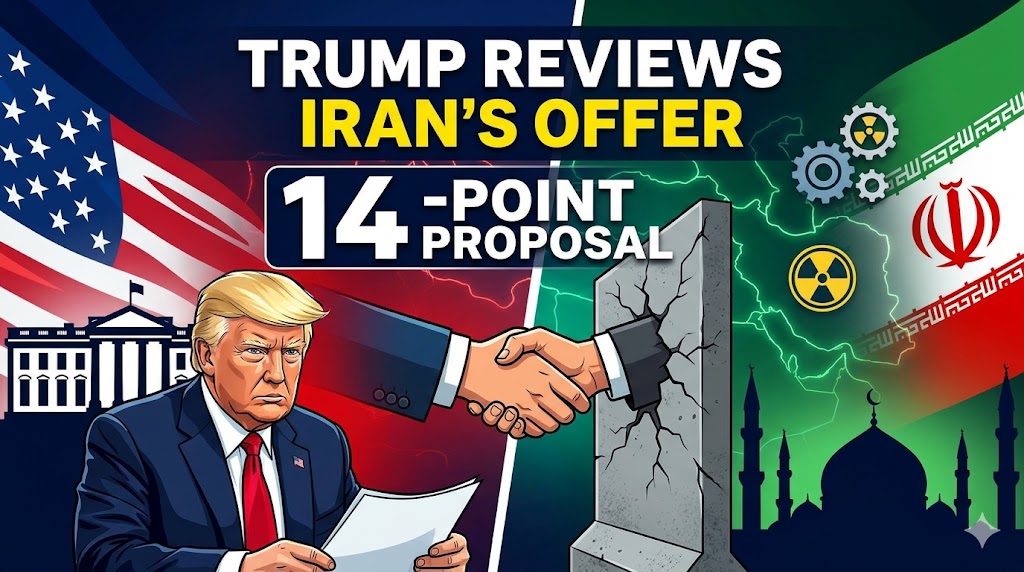
In a significant development in the complex US-Iran relationship, Tehran has forwarded a comprehensive 14-point proposal aimed at ending hostilities and establishing a framework for lasting peace. President Donald Trump has confirmed he is personally reviewing the document, which was delivered through Pakistani mediators. This latest initiative underscores Iran's persistent diplomatic engagement, even as military and economic pressures persist in the region.
The proposal arrives against the backdrop of a fragile ceasefire following escalated conflicts involving Iranian nuclear sites, regional proxies, and critical maritime chokepoints like the Strait of Hormuz. As analysts watch closely, this moment highlights a recurring pattern: Iran's willingness to present detailed offers contrasted with the US demand for substantial concessions, particularly on its nuclear ambitions and regional influence.
This article examines the contents and context of Iran's 14-point proposal, Trump's initial reactions, the history of Iranian diplomatic overtures, and the broader implications for Middle East stability and global energy security.
The recent chapter in US-Iran tensions traces back to intensified confrontations in early 2026. Following a series of strikes and counterstrikes, a ceasefire took hold, though it remains tenuous. The United States, alongside Israel, targeted key Iranian facilities, while Iran leveraged its network of allies and control over vital shipping lanes.
Central to the current impasse is the Strait of Hormuz, through which a significant portion of the world's oil passes. US-imposed naval measures disrupted flows, driving up global energy prices and adding urgency to diplomatic talks. Iran has repeatedly signaled openness to de-escalation, provided its core security and economic concerns are addressed.
Pakistan has emerged as a key intermediary, facilitating the exchange of proposals between Washington and Tehran. This channel reflects the challenges of direct communication amid deep mistrust accumulated over decades.
Details of Iran’s 14-Point Proposal
According to reports from Iranian state-linked media, including outlets close to the Revolutionary Guard, the 14-point plan responds directly to an earlier US nine-point framework. While the full text has not been publicly released in its entirety, key elements reportedly include:
Immediate Cessation of Hostilities: A call to end the war on all fronts, including operations in Lebanon and other regional theater.
Security Guarantees: Formal assurances from the US and Israel against future military aggression.
Military Withdrawals: Demands for the pullback of US forces from areas surrounding Iran.
Naval Blockade Lift: Reopening of Iranian ports and lifting of restrictions in the Strait of Hormuz, with Iran committing to secure shipping lanes.
Economic Relief: Release of frozen Iranian assets, lifting of sanctions, and potential reparations discussions.
Sequenced Negotiations: Addressing immediate humanitarian and economic issues first, with more complex topics like Iran's nuclear program deferred to subsequent rounds of talks.
Sovereignty and Recognition: Provisions affirming Iran's rights in its territorial waters and peaceful nuclear activities under international oversight.
Iranian officials have framed the proposal as a pragmatic step toward de-escalation within a 30-day timeline, contrasting with longer US-proposed pauses. By separating urgent maritime and ceasefire matters from the nuclear file, Tehran aims to build momentum and demonstrate good faith.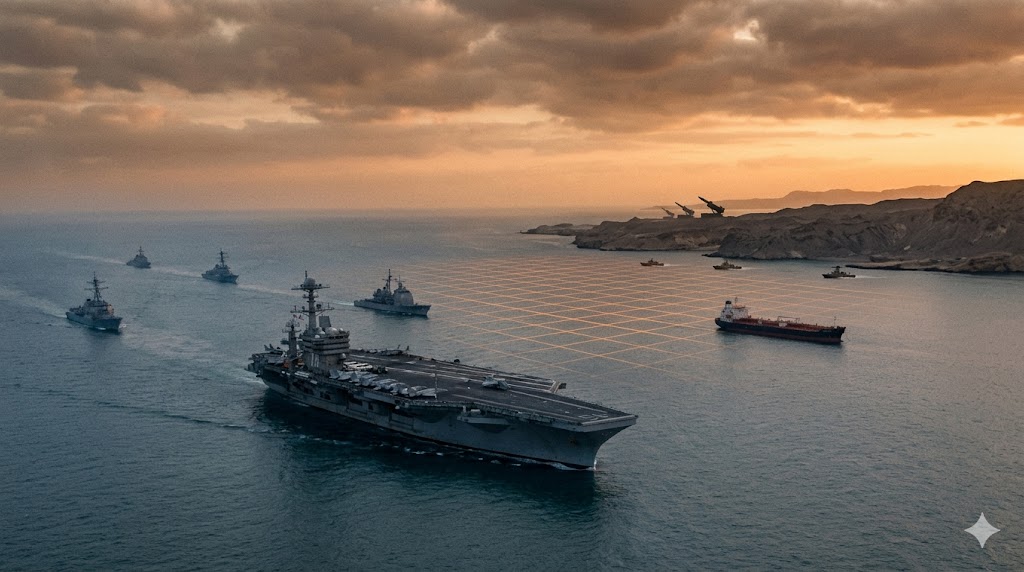
The strait of hormuz and the impact of the naval Blockade
Trump’s Response: Review with Skepticism
President Trump has been candid about his assessment. In public statements, he acknowledged receiving the proposal and stated he would review it thoroughly. However, he expressed dissatisfaction, noting that Iran "wants to make a deal" but that the current offer falls short.
On Truth Social and in remarks to reporters, Trump highlighted Iran's historical actions, suggesting Tehran has "not yet paid a big enough price" for its conduct over nearly five decades. He emphasized that military options remain on the table if a satisfactory agreement cannot be reached, while preferring a diplomatic resolution that serves American interests and regional stability.
This measured yet firm stance aligns with the administration's "maximum pressure" approach refined over time. US officials have stressed that any deal must include verifiable limits on Iran's nuclear enrichment, missile programs, and support for proxy groups—issues not fully resolved in the latest Iranian points.
Iran’s Pattern of Diplomatic Engagement
Iran’s submission of the 14-point proposal is not an isolated event but part of a consistent strategy of offering frameworks for negotiation. Over the years, Tehran has presented various plans through intermediaries like Oman, Qatar, and now Pakistan.
Historical Context:
Post-JCPOA era saw Iran propose adjustments when the US withdrew from the 2015 nuclear deal.
In response to sanctions, Tehran floated ideas linking economic relief to compliance steps.
Recent rounds included three-step plans for enrichment reductions in exchange for asset access and oil exports.
This persistence reflects Iran's dual-track approach: maintaining strategic capabilities while signaling readiness for talks when costs mount. Critics argue some offers serve to buy time or divide international opinion, while supporters see them as genuine attempts at peaceful coexistence amid existential threats.
The current 14-point effort builds on earlier counterproposals, such as five-point responses emphasizing non-aggression pacts and sovereignty over key waterways. By continuously refining and presenting detailed documents, Iran positions itself as the more flexible party in the eyes of international observers, even as core disagreements persist.
Strategic Implications for the Region and Beyond
Energy Markets and Global Economy: Any resolution involving the Strait of Hormuz carries massive weight. Successful implementation could ease oil prices strained by recent disruptions. Failure risks prolonged volatility, affecting consumers worldwide.
Nuclear Non-Proliferation: The deferred nuclear discussions in Iran's proposal test the US red line. Washington insists on addressing enrichment and inspections upfront, while Tehran seeks sanctions relief as a precondition for deeper commitments.
Alliances and Proxies: Ending fighting "on all fronts" implicates Hezbollah, Houthis, and other groups. A deal could reshape the Middle East security architecture but requires buy-in from multiple actors.
Pakistan’s Mediating Role: Islamabad’s involvement highlights its balancing act between major powers and its own security interests.
For the Trump administration, the review process weighs domestic political considerations, alliance commitments (especially with Israel and Gulf states), and the desire to claim a historic diplomatic victory.
Challenges and Potential Pathways Forward
Several hurdles remain. Trust deficits run deep. Iran's fractured leadership, as noted by Trump, complicates unified decision-making. Verification mechanisms for any agreement would need robust international involvement, possibly through the IAEA or new multilateral formats.
Optimists point to precedents where sustained backchannel talks yielded breakthroughs. Pessimists warn that maximalist positions on both sides could lead to renewed escalation.
Iran’s track record of repeated proposals suggests it will likely continue refining offers if the current one stalls. This iterative diplomacy keeps communication alive but risks fatigue and miscalculation.
Expert Perspectives and Analysis
Seasoned diplomats emphasize the importance of sequencing. Addressing immediate pain points—like maritime security and humanitarian access—could create space for thornier issues. Others stress "compliance first" to prevent Iran from leveraging partial relief without irreversible steps on its nuclear program.
Regional analysts note that economic pressures from sanctions and blockade have arguably strengthened Iran's hand in framing itself as a victim of aggression, rallying domestic support and some international sympathy.
Conclusion: A Critical Juncture for Diplomacy
Iran’s 14-point proposal represents another chapter in its ongoing efforts to engage the United States through structured offers. As President Trump reviews the document, the world watches to see whether this initiative can bridge divides or join previous attempts on the shelf of unfulfilled potential.
The stakes extend far beyond bilateral relations. Success could herald a new era of reduced tensions in the Gulf, stabilized energy flows, and diminished nuclear risks. Setbacks might prolong uncertainty and invite further conflict.
Ultimately, the path forward depends on mutual willingness to compromise on sequencing, verification, and guarantees. Iran’s persistence in presenting proposals demonstrates one side’s commitment to dialogue. Whether this translates into a durable agreement rests on the review process now underway in Washington and the hard negotiations sure to follow.
As developments unfold, staying informed on the nuances of these talks remains essential for understanding the future of Middle East geopolitics and global security.