India LPG Tanker Brave Hormuz Crossing Amid US-Iran War
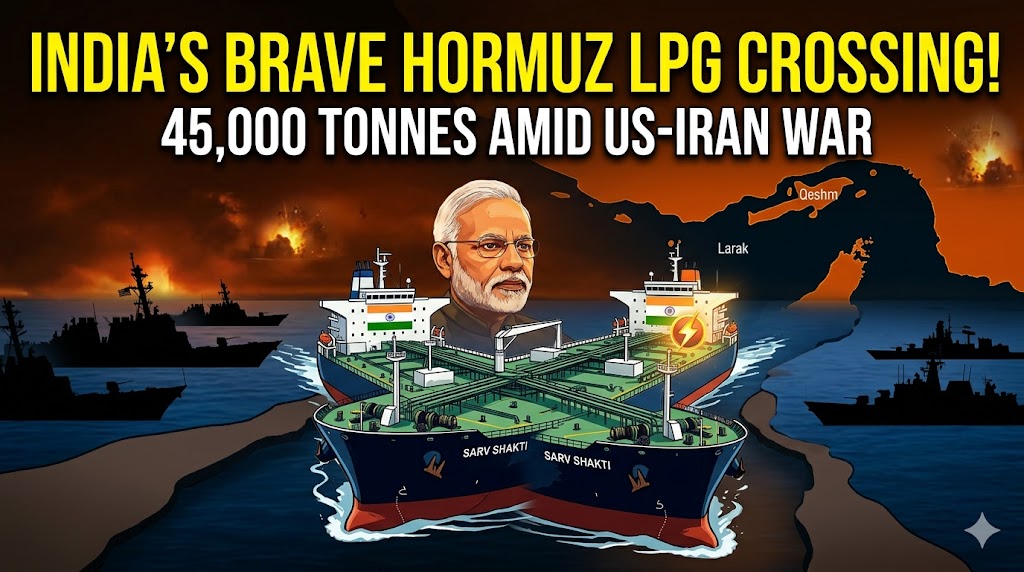
In a significant development underscoring the persistent challenges in global energy routes, an India-linked supertanker carrying approximately 45,000 tonnes of liquefied petroleum gas (LPG) has attempted to navigate the Strait of Hormuz. This rare transit occurs against the backdrop of the ongoing US-Israel-Iran war and associated blockades that have severely disrupted maritime traffic in one of the world’s most critical choke point.
The Marshall Islands-flagged vessel Sarv Shakti represents India’s continued efforts to secure vital cooking gas supplies amid a domestic energy crunch exacerbated by regional conflict. As tensions between the US, Israel, and Iran fluctuate between ceasefire periods and underlying hostilities, such attempts highlight the delicate balance of diplomacy, naval risks, and economic necessities shaping international shipping in 2026.
This article offers a detailed exploration of the incident, its broader context within the US-Iran conflict, implications for India’s energy security, the strategic importance of the Strait of Hormuz, and potential future scenarios for global energy flows.
The Incident: Sarv Shakti’s Bold Attempt
According to ship-tracking data reported on May 2, 2026, the *Sarv Shakti* was observed moving northward through the Strait of Hormuz, passing near Iran’s Larak and Qeshm islands before heading toward the Gulf of Oman. Laden with around 45,000 tonnes of LPG—a crucial fuel for household cooking in India—the vessel’s journey reflects coordinated diplomatic and operational efforts to maintain supply lines.
This is not an isolated event. India has successfully moved several LPG vessels through the strait through bilateral understandings with Tehran, even as commercial traffic has plummeted due to US naval blockades and Iranian countermeasures. The Sarv Shakti’s attempt comes as India grapples with historic energy pressures, including elevated global prices and constrained imports.
Maritime experts note that such transits often involve careful routing, real-time coordination, and adherence to safety protocols to minimize risks from mines, drones, or naval encounters in the contested waters.
Strategic Importance of the Strait of Hormuz
The Strait of Hormuz, a narrow waterway connecting the Persian Gulf to the Gulf of Oman, serves as the gateway for approximately 20-30% of global oil and LNG shipments under normal conditions. Its geography—roughly 21 miles wide at the narrowest point—makes it highly vulnerable to disruption.
In the context of the 2026 US-Israel-Iran war, the strait has become a focal point of tension. Following initial strikes in late February, Iran threatened to close the passage, while US forces imposed blockades on Iranian ports. These actions led to a sharp decline in shipping, skyrocketing insurance premiums, and rerouting that added significant costs and delays to global energy supplies.
For energy-import-dependent nations like India, which sources substantial portions of its crude oil and LPG from the Gulf region, uninterrupted access is non-negotiable. Disruptions contribute directly to higher domestic fuel prices and inflationary pressures.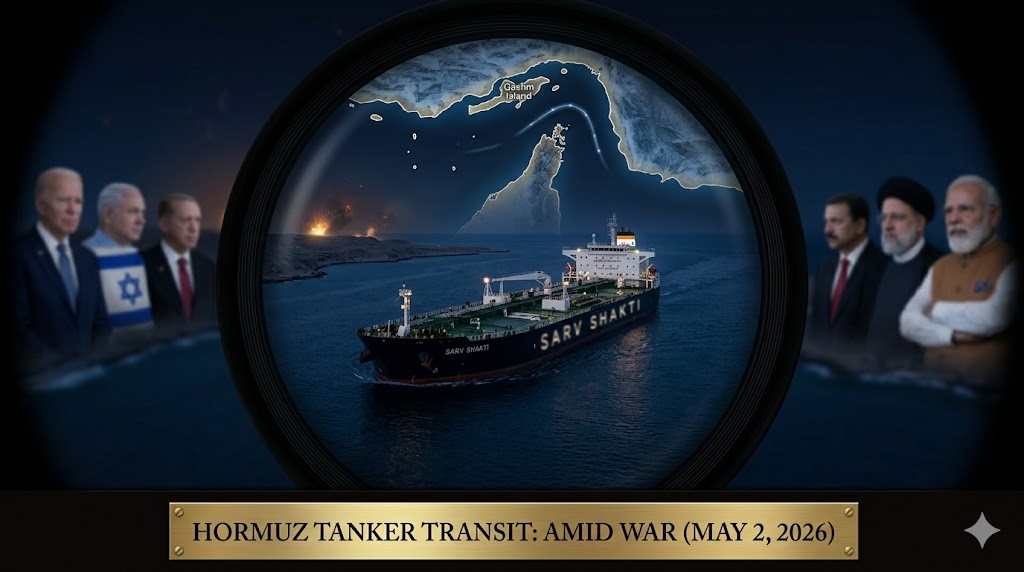
Geopolitical Tension in the Strait
India’s Energy Security Challenges in the Conflict
India, the world’s third-largest energy consumer, relies heavily on imported LPG to meet domestic cooking needs for millions of households. The war has compounded existing vulnerabilities:
Supply Disruptions: Blockades and threats have stranded vessels and delayed cargoes.
Price Volatility: Global LPG and oil benchmarks surged, impacting subsidies and consumer costs.
Diplomatic Navigation: New Delhi has engaged with all parties, securing exemptions or permissions for “friendly nation” vessels where possible.
The successful or attempted transits of vessels like Sarv Shakti, jag Vikram, Pine Gas, and others demonstrate proactive measures, including naval escorts in some cases and alternative routing strategies. These efforts form part of a broader “Operation Urja Suraksha” or similar initiatives aimed at safeguarding energy lifelines.
Technical and Operational Aspects of the Transit
LPG tankers require specialized handling due to the cargo’s volatility. The Sarv Shakti, a supertanker, must maintain precise navigation in confined waters while monitoring for threats. Modern vessels use advanced AIS (Automatic Identification System) tracking, though operators sometimes limit transmissions for security in high-risk zones.
Routes near Iranian islands, as taken by the *Sarv Shakti*, may offer certain advantages in terms of permitted passages but introduce proximity risks. Coordination with international naval forces, insurance providers, and flag state authorities adds layers of complexity to each voyage.
Broader Context: US-Israel-Iran War Dynamics
The 2026 conflict originated from escalating strikes on Iran’s nuclear and military infrastructure by US and Israeli forces starting February 28. Iranian retaliatory actions, including missile barrages and maritime harassment, transformed the Persian Gulf into a high-threat environment.
Despite a ceasefire declared in April, underlying issues persist, with President Trump emphasizing strong positions while engaging in negotiations. Naval blockades and residual threats continue to suppress normal shipping volumes, with some reports indicating over 90% reduction in routine commercial traffic.
In this environment, India’s ability to secure passages for LPG tankers highlights its neutral yet pragmatic foreign policy, maintaining relations with Iran while strengthening energy ties with Gulf Arab states and the US.
Global Economic Ripple Effects
Disruptions in the Strait of Hormuz have far-reaching consequences:
Oil and Gas Prices: Elevated costs affect economies worldwide.
Inflation and Growth: Developing nations face a particular strain.
Alternative Routes: Increased reliance on costlier paths around Africa or via pipelines.
Insurance and Freight Markets: War risk premiums have soared, impacting trade viability.
For India specifically, sustained higher energy prices risk widening the current account deficit and pressuring foreign exchange reserves.
Historical Precedents and Lessons
The current situation echoes past crises, such as the 1980s Tanker War and various Gulf conflicts. Each episode reinforces the strait’s vulnerability and the need for diversified supply sources and robust diplomatic channels.
India has learned from previous disruptions, investing in strategic petroleum reserves, renewable energy transitions, and diversified imports from the US, Russia, and elsewhere. The current LPG tanker efforts build on this resilience framework.
Diplomatic and Naval Dimensions
Successful transits often result from quiet diplomacy. Iran has reportedly allowed passage for vessels from “friendly” nations like India and China under specific conditions. Meanwhile, US naval presence provides deterrence against outright closure while enforcing sanctions-related measures.
India’s navy has enhanced its presence in the region for protection of merchant vessels, reflecting growing blue-water capabilities and commitment to safeguarding national interests abroad.
Environmental and Humanitarian Considerations
Maritime incidents in confined waters carry spill risks with severe ecological impacts on marine life and coastal communities. Additionally, seafarer safety remains paramount, with hundreds of Indian crew members potentially affected by delays or heightened dangers.
International maritime organizations continue to call for de-escalation to protect civilian shipping and global trade.
Future Outlook: Risks and Opportunities
Several scenarios could unfold:
Sustained Ceasefire: Gradual normalization of shipping with enhanced monitoring.
Renewed Tensions: Further attempts at closure, forcing longer disruptions.
Technological Adaptations: Greater use of drones for surveillance or alternative energy transport methods.
Long-term Diversification: Accelerated push for domestic production and renewables in consuming nations.
For India, success with tankers like the *Sarv Shakti* provides short-term relief while longer-term strategies mature.
Expert Perspectives on Maritime Security
Analysts emphasize the need for multilateral frameworks to secure sea lanes. Former naval officers highlight the role of credible deterrence and intelligence sharing. Economists stress building buffer stocks and flexible supply chains.
Regional specialists note that while the US-Israel-Iran conflict dominates headlines, its spillover on neutral shipping underscores the interconnected nature of global security.
India’s Comprehensive Response Strategy
Beyond individual tanker transits, India has:
Engaged in high-level diplomacy with all stakeholders.
Diversified import sources.
Ramped up domestic exploration and refining capacity.
Utilized strategic reserves judiciously.
Supported crew welfare and insurance mechanisms for affected vessels.
These multifaceted approaches demonstrate a mature handling of complex geopolitical-energy intersections.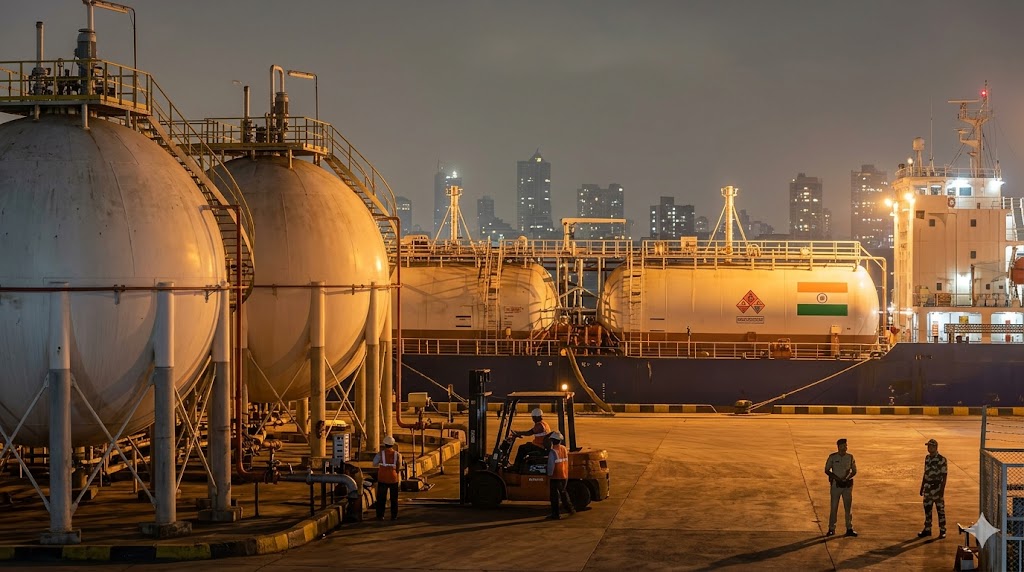
India's Domestic Energy Security Hub
Conclusion
The attempt by the India-linked Sarv Shakti tanker to cross the Strait of Hormuz with 45,000 tonnes of LPG exemplifies the real-world challenges nations face amid the US-Israel-Iran war of 2026. It reflects both the vulnerabilities of global energy architecture and the determination of stakeholders to maintain essential flows through diplomacy and operational ingenuity.
As the conflict evolves, with its mix of military posturing, ceasefires, and economic warfare, incidents like this will continue to shape policy responses. For India and the world, ensuring secure maritime passages remains critical to stability and prosperity. Vigilance, adaptability, and international cooperation will be key to navigating these turbulent waters in the months and years ahead.