United States Approves $8.6B Middle East Arms Sales
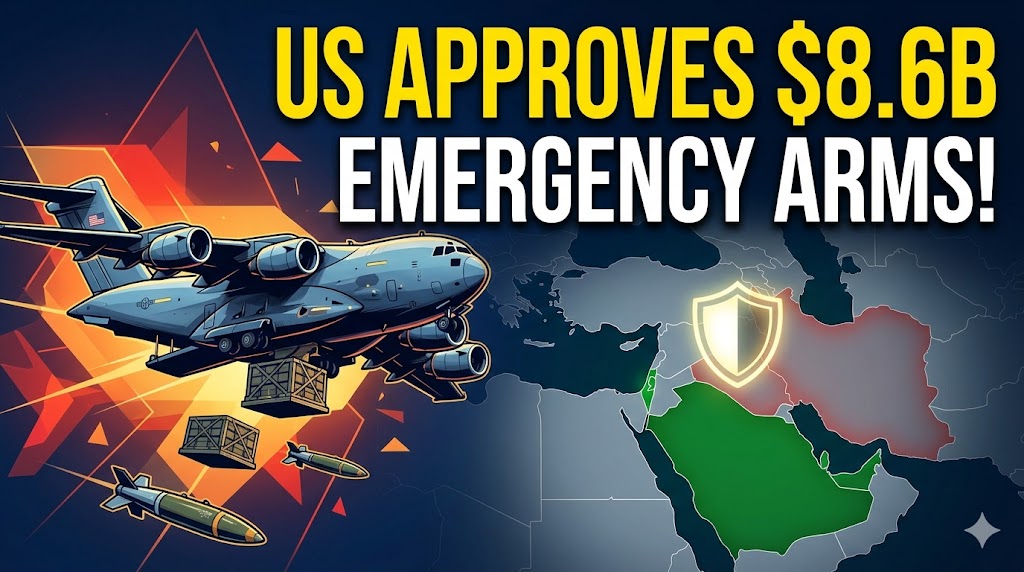
The United States has approved military sales totaling more than $8.6 billion to key Middle Eastern allies, including Israel, the United Arab Emirates, Qatar, and Kuwait. This decision, announced on May 1, 2026, bypasses standard congressional review procedures by invoking emergency provisions, reflecting the heightened security concerns stemming from the ongoing US-Israel-Iran war.
In a move authorized by Secretary of State Marco Rubio, the Trump administration cited an urgent need to bolster the defensive capabilities of regional partners amid fragile ceasefires and persistent threats. The package includes advanced precision munitions, air defense systems, and command technologies designed to address evolving battlefield requirements.
This article provides an in-depth examination of the arms sales, their specific components, the legal and strategic rationale, broader implications for the Iran conflict, and the future of US policy in the Middle East.
Details of the Arms Package
The $8.6 billion package encompasses several major transactions:
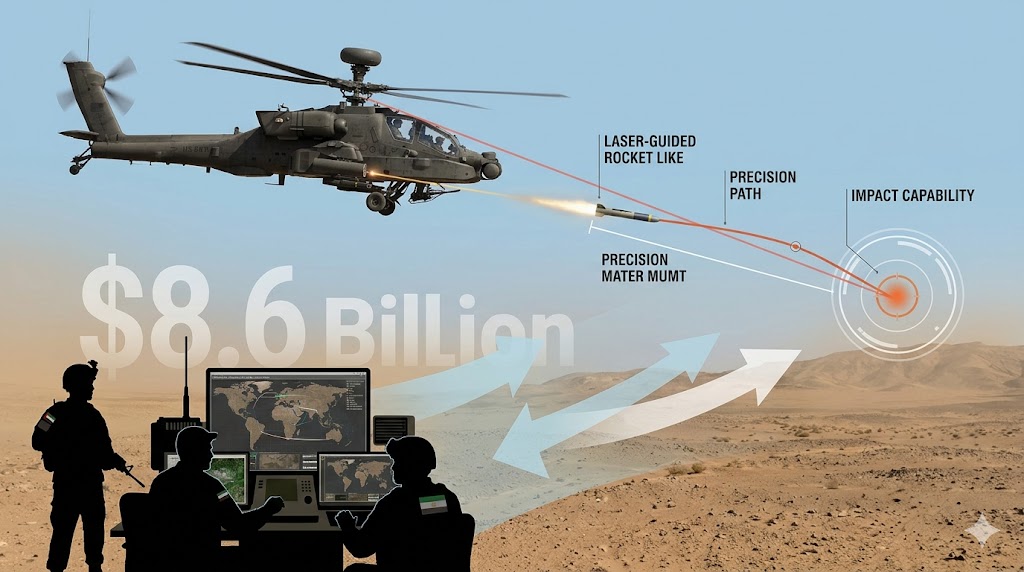
Israel: Approximately $992.4 million for Advanced Precision Kill Weapon Systems (APKWS), laser-guided rockets enhancing aerial strike accuracy.
Qatar: Significant portion allocated for Patriot missile interceptors and related support, strengthening air and missile defense.
Kuwait: Around $2.5 billion for an integrated battle command system, improving coordination of military assets.
UAE: $147.6 million for APKWS systems, complementing earlier transfers like Iron Beam technology from Israel.
These sales aim to replenish stockpiles depleted during active phases of the conflict and enhance deterrence against potential renewed Iranian aggression or proxy activities.
Legal Basis: Emergency Waiver Explained
Under US law, arms sales to foreign nations typically require congressional notification and review periods. However, the Arms Export Control Act allows the executive branch to waive these requirements in cases of emergency.
Secretary Rubio determined that the regional situation constituted such an emergency, enabling immediate approval. This mechanism has been used in past crises but draws scrutiny regarding oversight and long-term policy implications.
The timing—nine weeks into the US-Israel-Iran engagements and several weeks into a ceasefire—suggests a focus on sustaining partner readiness during a volatile pause in hostilities.
Geopolitical Tensions & Integration
Strategic Context Within the US-Israel-Iran War
The 2026 conflict escalated with US and Israeli strikes on Iranian targets in late February, prompting Iranian retaliation across multiple domains, including missile attacks on Gulf states. Although a ceasefire has been in place since early April, underlying tensions persist, with concerns over nuclear capabilities, proxy militias, and maritime security in the Strait of Hormuz.
These arms sales serve multiple strategic purposes:
Replenishment: US and allied forces have expended significant munitions.
Deterrence: Stronger defenses discourage provocations.
Alliance Reinforcement: Signals unwavering US commitment to partners facing shared threats.
Regional Stability: Bolstered capabilities may prevent escalation by altering threat calculations.
Impact on Key Recipients
Israel: As the primary US partner, additional precision weapons enhance operational flexibility in high-intensity scenarios.
Gulf States (UAE, Qatar, Kuwait): These nations faced direct Iranian attacks. Enhanced air defenses protect economic infrastructure and populations, while command systems improve interoperability with US forces.
The sales align with broader efforts to create an integrated regional defense architecture, potentially linking with systems like Israel’s Iron Beam recently deployed in the UAE.
Congressional and Domestic Reactions
Bypassing review has sparked debate in Washington. Supporters argue the emergency justification is valid given real-time threats. Critics raise questions about transparency, potential for escalation, and the balance of powers between branches of government.
Public opinion remains divided on US involvement in Middle East conflicts, with concerns over costs, entanglement risks, and impacts on domestic priorities.
Global Reactions and Geopolitical Ramifications
Allies such as European nations monitor these developments closely, particularly regarding potential delays in their own procurements due to US prioritization. Adversaries like Iran view the sales as provocative, while China and Russia may accelerate their own regional engagements.
The decision reinforces US influence in the Gulf while testing the durability of the fragile ceasefire. It also highlights the intersection of arms transfers with energy security, as stable Gulf partners help secure global oil flows.
Historical Parallels in US Arms Policy
The United States has a long record of major arms packages to the Middle East, from Cold War-era deals to post-9/11 support. Emergency provisions were invoked during the 1991 Gulf War and other flashpoints. The current $8.6 billion package fits this pattern but occurs in a more multipolar environment with great power competition.
Lessons from previous transfers emphasize the importance of end-use monitoring and alignment with broader diplomatic goals.
Economic Dimensions of the Sales
Beyond security, the deals support the US defense industrial base, preserving jobs and technological edge. For recipient nations, investments in advanced systems represent significant budget commitments with long-term maintenance and training requirements.
Global defense markets may see ripple effects, including heightened demand for compatible technologies and potential shifts in supplier relationships.
Technological Focus: Precision and Integration
The inclusion of APKWS and battle command systems underscores a shift toward precision-guided munitions and networked warfare. These technologies reduce collateral damage, improve effectiveness, and enable better joint operations across allied forces.
In the context of drone swarms and missile barrages seen in the Iran conflict, such capabilities provide critical advantages.
Energy Security and Broader Stability Links
Arms sales to Gulf states help safeguard critical energy infrastructure. Disruptions in the region have already affected global prices and shipping, as evidenced by tanker transits through the Strait of Hormuz. Stronger defenses contribute indirectly to market stability.
Challenges and Criticisms
Potential concerns include:
Escalation Risks: Further arming could fuel an arms race.
Human Rights Considerations: Standard reviews often address these; waivers may limit scrutiny.
Sustainability: Ensuring effective use and maintenance of sophisticated equipment.
Congressional Oversight: Long-term implications for legislative-executive relations.
Balanced policy requires addressing these while meeting immediate security needs.
Future Prospects for US Middle East Policy
The sales may presage additional support packages or shifts in basing and cooperation agreements. As the Iran situation evolves, US strategy will likely combine military readiness with diplomatic initiatives aimed at durable agreements.
Regional integration efforts, building on frameworks like the Abraham Accords, could incorporate enhanced multilateral defense elements.
Expert Analysis and Strategic Assessments
Defense analysts view the move as a pragmatic response to current threats. Regional specialists note its role in maintaining balance amid power vacuums. Economists highlight benefits to US industry alongside costs to taxpayers and global stability.
Long-term success depends on complementary diplomatic efforts to reduce underlying tensions.
Technological Precision & Regional Interoperability
Conclusion
The US approval of $8.6 billion in arms sales to Middle Eastern allies, justified by emergency provisions, represents a significant development in the ongoing US-Israel-Iran war dynamics of 2026. By enhancing partner capabilities with precision weapons and advanced systems, the United States aims to strengthen deterrence and regional security during a precarious ceasefire period.
While the decision addresses immediate needs, it also raises important questions about oversight, escalation management, and the path toward sustainable peace. As the situation continues to unfold, the interplay between military support and diplomatic engagement will determine outcomes for stability in one of the world’s most vital regions.
This comprehensive approach underscores the complexities of modern geopolitics, where rapid action must be balanced with strategic foresight.