"Trump's Cuba Remark Signals 'War-Ending' Strategy"
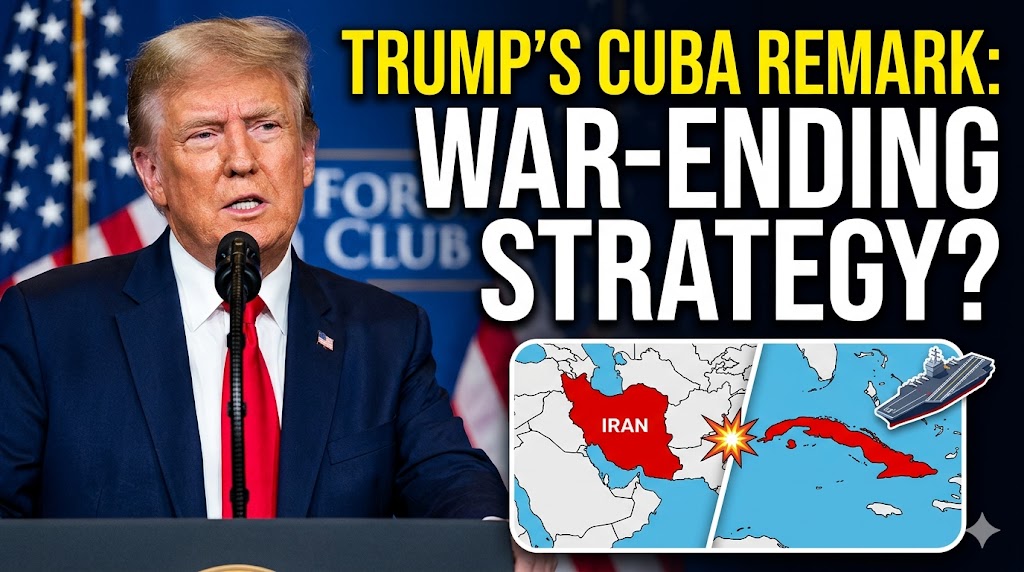
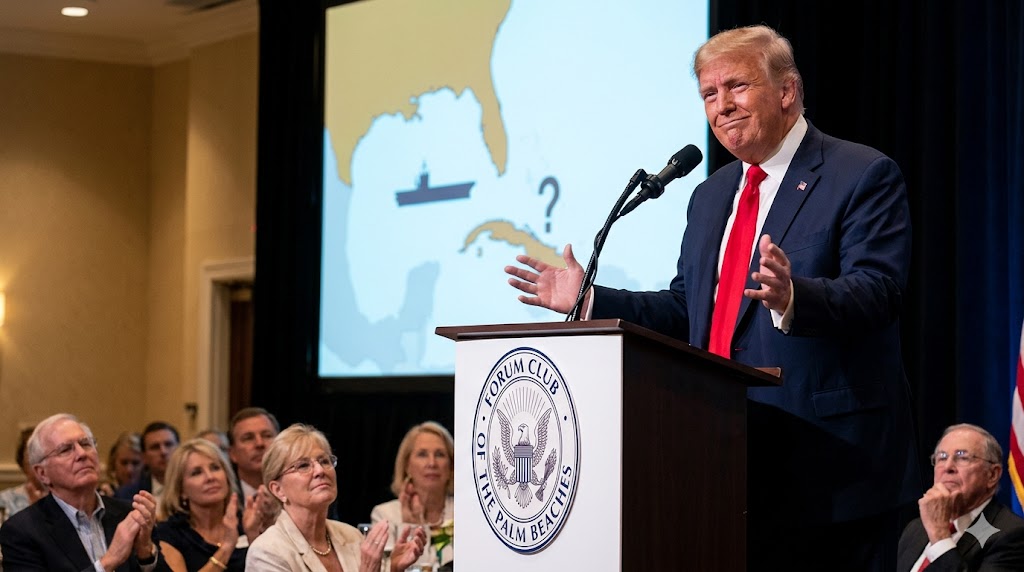
In a characteristically bold and theatrical speech at the Forum Club of the Palm Beaches in Florida on May 2, 2026, President Donald Trump made headlines with a quip that blended military confidence, geopolitical strategy, and his signature humor. Referring to ongoing operations linked to the Iran conflict, Trump stated that on the way back from Iran, the US Navy could "take" Cuba.
This remark, delivered amid a fragile ceasefire in the US-Israel-Iran tensions, has sparked intense debate. Is it mere jest, a veiled warning, or part of a broader "war-ending" doctrine? This article examines the context, Trump's stated plan, expert reactions, and potential ramifications for global stability.
The Speech: Context and Key Quotes
Trump addressed supporters and dignitaries in West Palm Beach, reflecting on US military achievements and future priorities. He highlighted successes against Iran, including the dismantling of significant military capabilities, and transitioned into comments on Cuba.
"Cuba's got problems," Trump said. "We'll finish one first. I like to finish a job. On the way back from Iran... we'll have one of our big, maybe the USS Abraham Lincoln aircraft carrier, the biggest in the world... stop about 100 yards offshore, and they'll say, 'Thank you very much. We give up.'"
The comment came as Trump notified Congress that hostilities with Iran had "terminated" due to the ceasefire, sidestepping War Powers Act deadlines. He simultaneously expressed dissatisfaction with Iran's latest peace proposals, insisting on no nuclear weapons for Tehran.
Background: The US-Israel-Iran Conflict in 2026
The current tensions escalated dramatically earlier in 2026. US and Israeli forces launched strikes on February 28 targeting Iran's nuclear and missile programs. What began as precision operations expanded into a broader confrontation involving naval blockades in the Strait of Hormuz, impacts on global oil prices, and diplomatic maneuvering.
A ceasefire took hold in early April, yet underlying issues persist: Iran's nuclear ambitions, proxy networks, and regional influence. Trump has framed US involvement as necessary to prevent a nuclear Iran, while emphasizing quick victories and deal-making.
Cuba, long a point of US concern due to its economic struggles, alliances, and proximity, has faced renewed scrutiny. Trump's remarks tap into decades of policy debates over Havana, especially under sanctions and amid shifting Latin American dynamics.
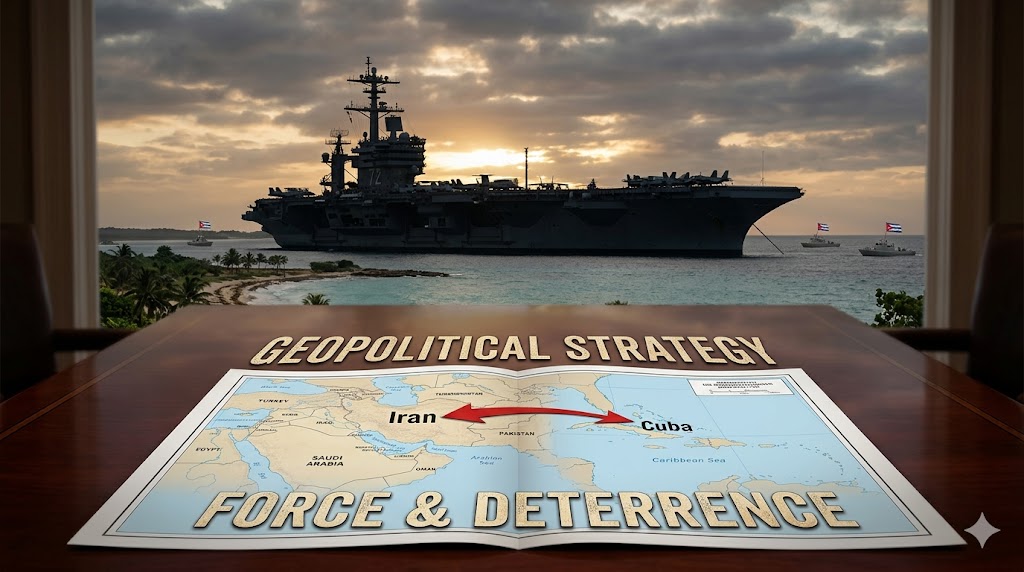
Trump's 'War-Ending' Plan: Strength, Deals, and Deterrence
Trump's Florida speech outlined what analysts describe as a pragmatic, results-oriented approach:
1. Overwhelming Military Superiority: Demonstrated through references to aircraft carriers and rapid dominance, aimed at forcing capitulation without prolonged engagements.
2. Maximum Pressure with Negotiation: Trump reiterated dissatisfaction with Iran's proposals but left the door open for deals. "Blast them or make a deal" remains his binary choice.
3. Finishing Jobs Sequentially: The Cuba reference suggests prioritizing one theater before addressing others, projecting an image of methodical strength rather than endless wars.
4. Economic Leverage: Seized assets, like Iranian oil tankers, and pressure on adversaries' economies form key pillars.
Critics view the Cuba comment as inflammatory, potentially signaling overreach. Supporters see it as classic Trump—projecting unyielding American power to deter foes and rally allies.
Expert Analysis and International Reactions
Foreign policy experts offer divided perspectives. Some interpret the statement as rhetorical flair designed for domestic audiences, noting Trump's history of colorful language. Others warn it risks escalating tensions in the Western Hemisphere, where Cuba maintains ties with Russia, China, and others.
In the Middle East, Iranian officials have dismissed US claims of victory while navigating internal pressures. Israel continues to monitor threats closely. European allies urge de-escalation, concerned about oil market volatility and refugee flows.
Latin American responses to the Cuba remark have been cautious, with some governments expressing alarm over perceived interventionism. Domestically, the statement fuels ongoing debates about executive war powers and congressional oversight.
Geopolitical Implications: Does This Indicate War Restart?
The core question remains: Does Trump's rhetoric point toward restarting or expanding conflicts?
Short-term: The Iran ceasefire holds, with Trump framing hostilities as terminated. Focus appears on diplomacy backed by credible threat.
Medium-term: Naval posturing and comments on Cuba could test responses from Havana and its partners. Economic woes in Cuba make it vulnerable, but military action would face significant hurdles.
Broader Strategy: Trump's approach emphasizes "peace through strength." By signaling readiness to act decisively, he aims to extract better concessions. However, miscalculations could lead to unintended escalations in multiple regions.
Oil markets have reacted sensitively, with prices fluctuating on blockade news and Hormuz concerns. Global supply chains watch developments closely.
Historical Parallels and Strategic Doctrine
Trump's comments echo elements of past US policies—Monroe Doctrine influences in the Americas, Reagan-era pressure on adversaries, and his own first-term "maximum pressure" on Iran. Yet the multi-theater context (Middle East and Caribbean) introduces complexity unseen in recent decades.
Analysts note similarities to "Art of the Deal" tactics applied geopolitically: high demands, public posturing, and willingness to walk away or escalate.
Public Opinion and Domestic Politics
Polls indicate mixed American views on the Iran engagement—praise for limited ground involvement contrasts with concerns over costs and gas prices. Trump's base largely supports assertive foreign policy, while opponents question legality and wisdom of new fronts.
The 60-day War Powers milestone has intensified congressional scrutiny, though partisan divides complicate unified responses.
What Lies Ahead: Scenarios and Outlook
Several paths emerge:
Diplomatic Resolution: Iran offers acceptable terms; US eases certain pressures in exchange for verifiable nuclear limits.
Sustained Ceasefire with Vigilance: Tensions simmer without full peace, allowing economic tools to dominate.
Escalation Risks: Renewed incidents in the Gulf or provocative actions elsewhere could unravel the pause.
Cuba developments warrant monitoring. While Trump's remark was humorous in delivery, it underscores long-standing US frustrations with the regime.
Conclusion: Bold Rhetoric in Turbulent Times
President Trump's Florida speech, particularly the Cuba quip, encapsulates his foreign policy worldview: decisive action, American primacy, and a preference for swift resolutions. Whether it foreshadows expanded operations or serves as strategic signaling remains to be seen.
As the US-Israel-Iran dynamics evolve and global attention turns to potential new flashpoints, one thing is clear—Trump's approach prioritizes strength and results. The coming weeks will test whether this formula delivers enduring peace or invites further challenges.
In an era of great power competition, such statements remind allies and adversaries alike of US capabilities and resolve. Policymakers worldwide will parse every word for clues about the road ahead in this complex geopolitical landscape.