Hiroshima and Nagasaki: Legacy of the 1945 Atomic Bombings
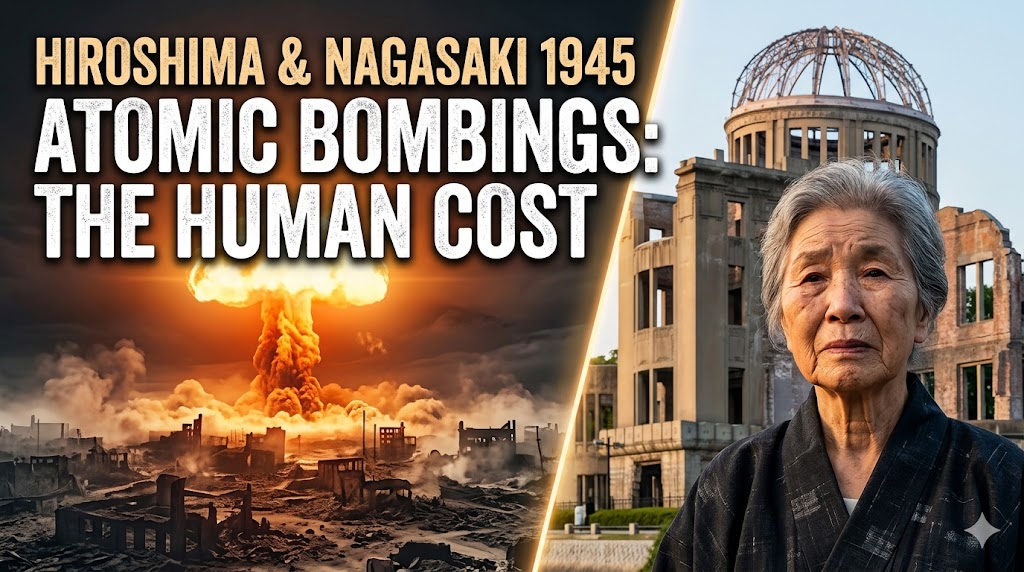
The atomic bombings of Hiroshima and Nagasaki in August 1945 stand as pivotal and tragic events in human history. On August 6, the United States dropped the first atomic bomb on Hiroshima, followed by a second on Nagasaki on August 9. These strikes not only accelerated the conclusion of World War II but also introduced the world to the terrifying destructive power of nuclear weapons. The immediate devastation was catastrophic, yet the true scale of suffering extended far beyond the initial blasts, affecting generations through radiation exposure and psychological trauma.
Today, more than eight decades later, the survivors known as *hibakusha* continue to embody resilience amid ongoing health challenges. Their stories, supported by extensive scientific research from the Radiation Effects Research Foundation (RERF), provide invaluable insights into the long-term effects of nuclear radiation. This article delves deeply into the events of those fateful days, the immense human losses, the persistent suffering in Japan, and the broader implications for Japan and the international community. By examining these aspects, we honor the memory of the victims and underscore the urgent need for nuclear disarmament in an increasingly tense global landscape.
The bombings occurred against the backdrop of a brutal war in the Pacific. Japan’s military leadership showed no signs of unconditional surrender, prompting the US to deploy weapons developed under the top-secret Manhattan Project. While the decision remains controversial, the human consequences are undeniable and continue to shape policies, ethics, and collective memory worldwide.
Historical Context Leading to the Bombings
By mid-1945, World War II had claimed millions of lives. The Allied forces had defeated Nazi Germany, but the war against Japan raged on. Conventional firebombing campaigns had already devastated Japanese cities like Tokyo, yet the Imperial Japanese Army prepared for a prolonged defense of the home islands. US leaders faced the prospect of a costly invasion, estimated to result in hundreds of thousands of casualties on both sides.
The Manhattan Project, initiated in 1942, produced two bomb designs: "Little Boy," a uranium-based weapon, and "Fat Man," using plutonium. President Harry S. Truman authorized their use after the Potsdam Declaration’s call for surrender went unanswered. Hiroshima was selected as a target due to its military significance and relatively intact infrastructure, allowing clear assessment of the bomb’s effects. Nagasaki, an industrial port, became the secondary target.
These choices reflected strategic calculations, but they would unleash forces beyond conventional warfare—unprecedented heat, blast, and radiation.
Detailed Account of the Hiroshima Bombing – August 6, 1945
At 8:15 a.m. local time, the B-29 Superfortress Enola Gay, piloted by Colonel Paul Tibbets, released "Little Boy" over Hiroshima. The bomb detonated approximately 580–600 meters above the city with a force equivalent to 15,000 tons of TNT. The explosion generated a brilliant flash visible for miles, followed by a mushroom cloud rising over 10 kilometers into the sky.
Ground temperatures at the hypocenter reached 4,000°C or higher, vaporizing people near the epicenter. The blast wave traveled at supersonic speeds, flattening wooden structures within 2 kilometers and severely damaging reinforced buildings farther out. Fires ignited by the thermal pulse merged into a firestorm that consumed much of the city. Approximately 70% of Hiroshima’s buildings were destroyed or heavily damaged.
Hiroshima’s population at the time was estimated between 340,000 and 350,000, including civilians, soldiers, and Korean laborers. The immediate death toll was staggering, with tens of thousands killed instantly. Many who survived the blast suffered horrific burns, with skin peeling in large sheets, and blindness from the intense light. Others wandered in shock through the ruins, searching for family members.
Black rain—radioactive fallout mixed with soot and debris—fell shortly afterward, contaminating water sources and survivors who sought relief from thirst and burns.
Solitude and Hope Amidst Ruins
The Nagasaki Bombing – August 9, 1945
Weather conditions complicated the second mission. The primary target, Kokura, was obscured by clouds, leading the Bockscar to divert to Nagasaki. At 11:02 a.m., "Fat Man" detonated at about 500 meters altitude with a yield of roughly 21 kilotons. The plutonium implosion design proved more powerful, but Nagasaki’s hilly terrain limited the affected area to around 6.7 square kilometers compared to Hiroshima’s flatter expanse.
Nagasaki had a population of approximately 250,000–270,000. The bomb struck near the Urakami district, home to many Christians and industrial facilities. Destruction was concentrated but no less horrifying. Factories collapsed, homes were obliterated, and fires spread rapidly. Many survivors recounted the surreal silence immediately after the blast, broken only by the cries of the injured.
Quantifying the Major Loss: Casualties and Immediate Aftermath
By the end of 1945, Hiroshima saw between 90,000 and 166,000 deaths, while Nagasaki recorded 60,000 to 80,000. Total combined fatalities by year’s end ranged from 150,000 to over 240,000. These figures include deaths from blast trauma, burns, acute radiation syndrome, and subsequent infections exacerbated by destroyed medical infrastructure and malnutrition.
Acute radiation syndrome affected thousands who appeared uninjured initially. Symptoms progressed from nausea and fever to internal bleeding and immune system collapse, claiming lives weeks later. Medical personnel, many of whom were also victims, struggled with limited supplies in makeshift hospitals.
The bombings disproportionately affected civilians. Children, the elderly, and women comprised a large portion of casualties. Entire families vanished, and community structures dissolved overnight. The psychological shock was profound, with many describing a loss of faith in humanity or the divine.
Acute and Long-Term Health Consequences of Nuclear Radiation
Radiation exposure differentiated these events from conventional bombings. Initial gamma and neutron radiation, followed by fallout, caused DNA damage at the cellular level. The RERF’s Life Span Study, tracking over 120,000 survivors, remains the gold standard for understanding these effects.
Leukemia emerged first, with rates rising sharply two years after the bombings and peaking around 1950. Solid cancers followed, with elevated risks for thyroid, breast, lung, and gastrointestinal cancers appearing 10–40 years later. Younger survivors faced higher relative risks due to longer life expectancy and greater tissue sensitivity.
Non-cancer effects include increased cardiovascular disease, stroke, cataracts, and chronic inflammation. Psychological impacts—PTSD, depression, and survivor’s guilt—persist. Many hibakusha report lifelong anxiety about developing illnesses or passing risks to children, though studies show no significant hereditary effects in the second generation.
As of 2025–2026, fewer than 100,000 officially recognized hibakusha remain alive, with an average age exceeding 85. Annual deaths from age-related and radiation-linked conditions continue. Hospitals in both cities still treat survivors for cancer and related complications, highlighting that the atomic bombs’ lethal legacy endures.
Personal Stories of Hibakusha: Voices of Survival and Suffering
Survivor testimonies bring statistics to life. Sadako Sasaki, exposed at age two in Hiroshima, developed leukemia and folded paper cranes in hope of recovery, inspiring the Children’s Peace Monument. Others, like those who entered the cities shortly after to search for relatives, faced secondary radiation exposure.
Many hibakusha faced social ostracism. Employers hesitated to hire them, and families worried about "contaminated" bloodlines. Despite this, many became vocal advocates for peace, sharing painful memories to prevent future use of nuclear weapons.
One recurring theme in accounts is the "black rain" and its oily, radioactive residue that caused additional illnesses. Long-term monitoring reveals that even low-to-moderate doses carried risks, informing global radiation protection standards.
Reconstruction, Resilience, and Societal Transformation in Japan
In the years following 1945, both cities undertook monumental rebuilding. Hiroshima’s Peace Memorial Park, featuring the preserved Genbaku Dome (a UNESCO site), symbolizes hope amid ruins. Nagasaki developed its own memorials and museums.
Japan’s post-war economic miracle ("Miracle on the Rubble") transformed the nation into a global leader in technology and industry. However, the bombings influenced its pacifist constitution and Three Non-Nuclear Principles (no possession, production, or introduction of nuclear weapons).
Culturally, literature, art, films like Black Rain, and annual commemoration ceremonies on August 6 and 9 keep the memory alive. Education curricula emphasize the human cost, fostering a strong anti-war sentiment among younger generations.
The Japanese government provides medical and financial support to certified *hibakusha*, though advocacy groups continue pushing for broader recognition, including for those exposed in utero or through black rain.
Global Ramifications: Science, Policy, and the Nuclear Age
The bombings birthed the nuclear arms race during the Cold War, leading to thousands of warheads worldwide. Yet they also spurred the Nuclear Non-Proliferation Treaty and disarmament efforts. Scientific data from RERF studies guide IAEA safety protocols, medical radiology limits, and emergency planning.
Ethically, the events fuel debates: Did they save more lives by ending the war swiftly? Or were alternatives like demonstration detonations or continued blockade viable? Historians and ethicists revisit these questions, especially in modern conflicts.
The legacy extends to environmental awareness. While residual radioactivity in the cities decayed rapidly and is now negligible, the events underscore risks of nuclear accidents like Chernobyl or Fukushima.
Current Relevance and Lessons for Today’s World
In 2026, with ongoing geopolitical tensions, the messages from Hiroshima and Nagasaki resonate strongly. Hibakusha and peace activists urge leaders to prioritize dialogue over escalation. International organizations host exhibitions and youth programs to pass on testimonies before the last survivors pass.
The bombings highlight humanity’s capacity for both destruction and renewal. Japan’s journey from devastation to peace advocate offers a model of hope. Continued investment in survivor care, historical preservation, and disarmament diplomacy honors their sacrifice.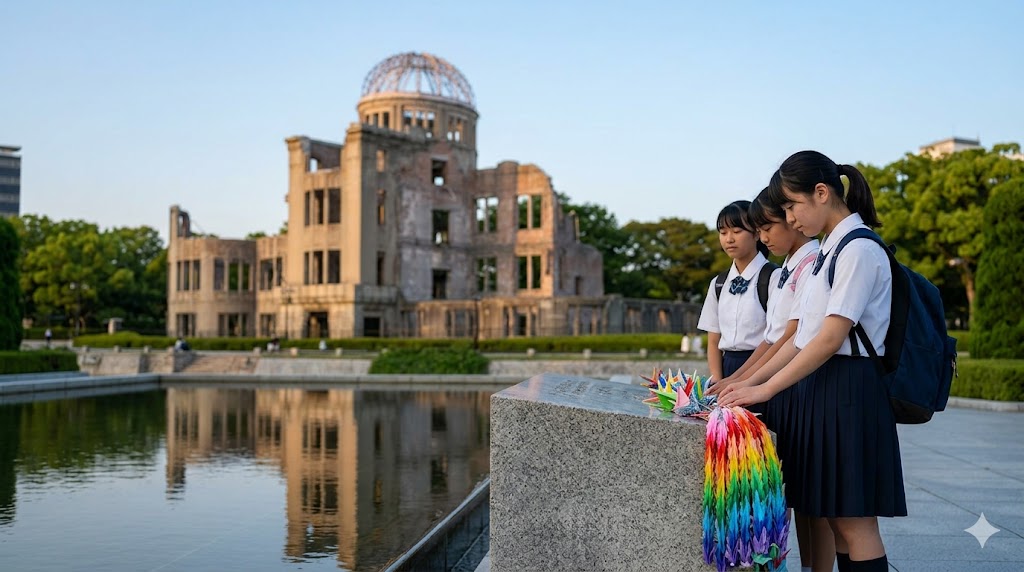
Contemporary Remembrance and Pacifism
Conclusion: A Call for Remembrance and Action
The atomic bombings of Hiroshima on August 6 and Nagasaki on August 9, 1945, caused immediate losses of immense scale and initiated decades of suffering from nuclear radiation. Hibakusha still confront health challenges, while Japan and the world grapple with the moral and strategic implications. Through museums, research, and advocacy, their legacy endures as a powerful deterrent against nuclear war.
As we reflect on these events, let us commit to a future where such tragedy is never repeated. The voices of the survivors remind us that peace is not merely the absence of war but the active pursuit of understanding and humanity’s shared survival. Their endurance calls every generation to choose dialogue, disarmament, and compassion over the shadow of the mushroom cloud.