America Returns Indian Artifacts: Restoring Heritage
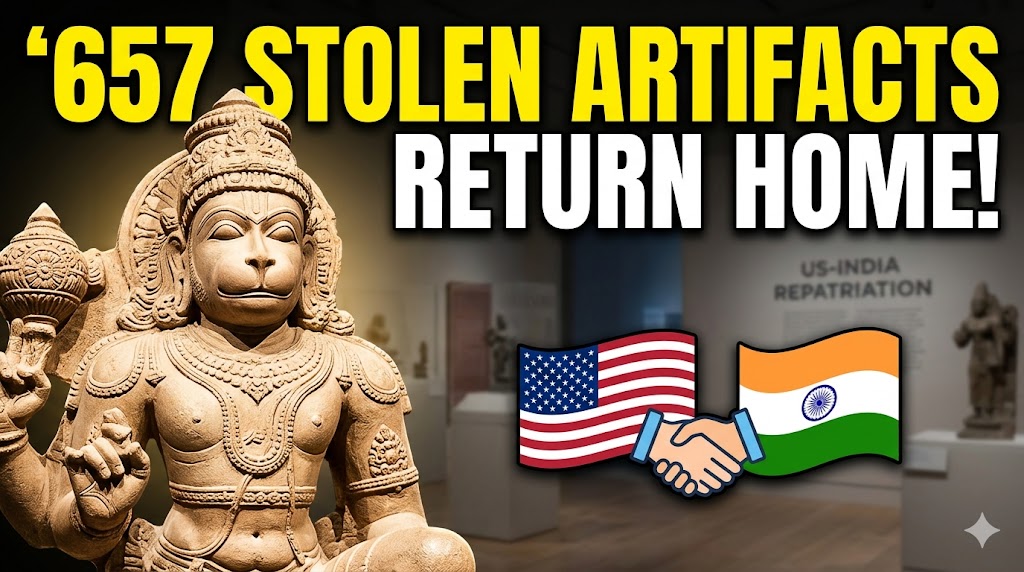
In a landmark victory for cultural heritage preservation, the United States has returned 657 stolen Indian antiquities valued at nearly $14 million to India. This significant repatriation, announced in late April 2026, underscores growing international momentum to rectify historical injustices related to looted artifacts. The artifacts, recovered through investigations into global smuggling networks, include sacred sculptures, idols, and historical objects taken from temples and archaeological sites across India.
This development comes amid heightened global awareness about colonial-era plunder. While the US action highlights successful bilateral cooperation, many Indian artifacts remain in institutions like the British Museum in London. This article examines the recent US returns, the broader context of Indian cultural property abroad, ongoing repatriation efforts, and the significance for Indian heritage and identity.
India's rich civilization has produced countless masterpieces in stone, bronze, and other materials. From ancient Chola bronzes to Gupta-era sculptures, these objects represent not just artistic excellence but living embodiments of spiritual and historical traditions. Their theft and display in foreign museums have long been points of contention.
In one of the largest restitutions in recent years, US authorities handed over 657 antiquities to India in three phases: 612 items in November 2024, 26 in July 2025, and the final 19 on April 28, 2026. Manhattan District Attorney Alvin Bragg's office led investigations linked to notorious traffickers such as Subhash Kapoor and Nancy Wiener. The collection's total value approaches $14 million.
These artifacts encompass a wide range of periods and styles, including Hindu, Buddhist, and Jain sculptures. Many originated from temple thefts or unauthorized excavations in states like Tamil Nadu, Rajasthan, and Uttar Pradesh. Sacred murtis, such as those of deities central to Indian worship, hold profound religious importance for millions.
Earlier successes, like the return of a 500-year-old Lord Hanuman bronze statue stolen from a Tamil Nadu temple, set precedents. Such returns allow communities to reinstall deities in temples, restoring spiritual continuity disrupted by theft.
The process involves close collaboration between Indian authorities, US law enforcement, and diplomatic channels. The Consulate General of India in New York played a key role in the latest handover ceremony. Indian officials have welcomed the move while noting that more work remains in tracing and recovering additional pieces.
Understanding Colonial-Era Loot and Its Mechanisms
During the British colonial period (roughly 1757–1947), numerous artifacts left India through conquest, unequal treaties, "gifts," or outright looting. British officers, administrators, and collectors acquired items ranging from everyday tools to grand temple sculptures. The East India Company and later the Crown facilitated systematic extraction of cultural wealth alongside economic resources.
Notable examples include items from Tipu Sultan's treasury after the 1799 fall of Seringapatam and artifacts removed during various campaigns. Many found their way into private collections before entering public museums. While some acquisitions occurred through legitimate trade or exploration, a significant portion involved coercion or violation of local sentiments.
Post-independence, India has pursued diplomatic and legal avenues for restitution. The Antiquities and Art Treasures Act, 1972, strengthened domestic protections, but recovering items already abroad remains challenging due to statutes of limitations, museum policies, and differing legal frameworks.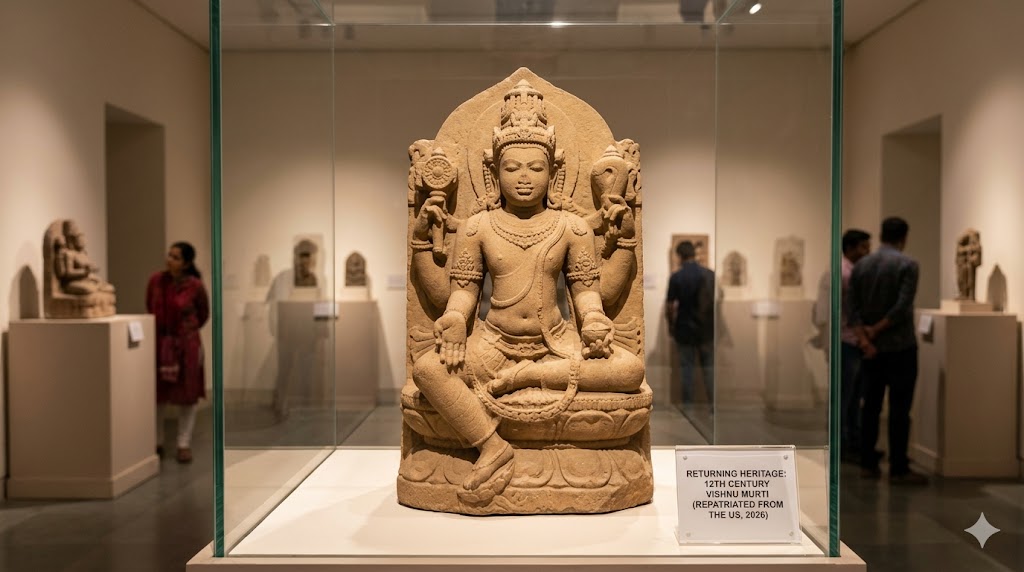
An ancient stone Vishnu murti, repatriated from the United States in 2026, is showcased within a secure, well-lit exhibition case in a museum, likely in India.
The British Museum and London's Indian Treasures
The British Museum in London houses one of the world's most extensive collections of Indian artifacts. Visitors encounter magnificent sculptures, coins, manuscripts, and everyday objects spanning millennia of Indian history. Highlights include Amaravati marbles from a Buddhist stupa, Hindu deities in stone and bronze, and items linked to various regional kingdoms.
The Victoria and Albert Museum (V&A) also boasts impressive holdings, such as Tipu Sultan's mechanical tiger. These collections attract scholars and tourists but raise questions about provenance and ethical ownership. Many objects arrived during the height of imperial expansion, often without clear consent from originating communities.
India has engaged in discussions with UK institutions, though large-scale returns face legal hurdles under acts like the British Museum Act 1963, which restricts deaccessioning. Recent proposals for long-term loans or "sharing" have been met with mixed reactions—some view them as steps toward collaboration, while others see them as insufficient substitutes for permanent repatriation.
Similar debates occur globally regarding artifacts from Africa, Greece, and elsewhere. The British Museum has acknowledged contested objects and engaged in dialogues, but progress on physical returns has been gradual.
Other Notable Recoveries and Discoveries
India's repatriation journey includes successes beyond the US. Australia, the UK, Canada, and other nations have returned idols and artifacts in recent years. Domestically, discoveries like the ancient Vishnu murti and Shivling from the Krishna River in Karnataka's Raichur district remind citizens of the wealth still within India's soil and waters. Such finds, often during infrastructure projects, highlight the need for better site protection.
These murtis, featuring Dashavatara depictions, connect modern India to its ancient devotional traditions. Proper conservation and study allow researchers to expand knowledge of historical artistry and iconography.
Private initiatives and citizen sleuths have also aided recovery by monitoring auction houses and galleries for suspicious items. Books like The Idol Thief by S. Vijay Kumar has raised public awareness about smuggling networks.
Cultural, Spiritual, and Economic Significance
For Indians, these artifacts are more than museum pieces. Murtis embodies divine presence in Hindu tradition; their return enables worship and community rituals. Culturally, they preserve narratives of India's philosophical, artistic, and scientific achievements.
Repatriation fosters national pride and educational opportunities. Indian museums can showcase returned items in context, enhancing visitor experiences and research. Economically, strengthened heritage tourism benefits local economies around historical sites.
On a global scale, these efforts promote ethical museum practices and international cooperation against illicit trafficking. UNESCO conventions and bilateral agreements provide frameworks, though enforcement varies.
Challenges in the Repatriation Process
Repatriation involves complex legal, logistical, and diplomatic hurdles. Proving provenance after decades or centuries requires extensive documentation, often fragmented due to historical disruptions. Museums argue for universal access—"encyclopedic" collections—while source nations emphasize cultural rights and healing from colonial legacies.
Conservation concerns arise: some argue artifacts are safer in controlled Western environments, but advances in Indian museum infrastructure counter this. Funding, expertise sharing, and joint exhibitions offer middle-ground solutions.
Public opinion in India increasingly supports assertive claims, amplified by social media campaigns using hashtags like #BringBackOurHeritage or #MurtiReturns. Diaspora communities in the US, UK, and elsewhere play vital roles in advocacy.
India's Broader Heritage Preservation Strategy
The Indian government has enhanced monitoring of archaeological sites, digitized records, and trained enforcement agencies. International partnerships with Interpol and foreign governments target smuggling routes. Museums like the National Museum in Delhi and state institutions are being upgraded to house returned treasures appropriately.
Educational programs emphasize heritage value in schools and universities, cultivating respect for the past among younger generations. Initiatives celebrating Indian culture abroad, including exhibitions of loaned or returned artifacts, build soft power.
The Path Forward: Collaboration and Justice
The US repatriation of 657 artifacts marks a positive step, demonstrating that persistent diplomacy and law enforcement yield results. Similar successes with other nations could accelerate momentum. For the British Museum and UK collections, constructive dialogues focusing on shared stewardship, loans, capacity building, and selective returns could address concerns respectfully.
Ultimately, cultural property belongs where it holds the deepest meaning. Returning artifacts does not erase history but enriches it by reconnecting objects with their origins. India, with its vibrant living traditions, offers ideal contexts for these treasures to inspire and educate.
As global consciousness evolves, nations increasingly recognize the moral imperative of cultural restitution. India's experience contributes valuable lessons to this international conversation, balancing preservation, access, and justice.
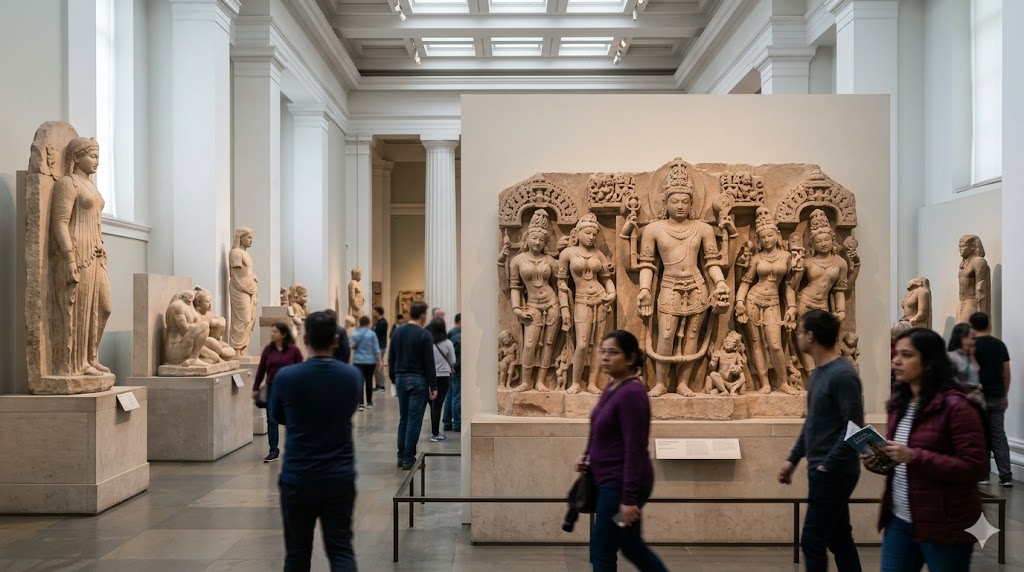
Indian Treasures in London
Conclusion
The recent return of valuable Indian sculptures, murtis, and antiquities from the United States represents a beacon of hope for countless stolen heritage items worldwide. From colonial-era collections in London museums to smuggled pieces in American holdings, the journey toward reclamation continues. Each successful repatriation heals historical wounds and reaffirms the importance of safeguarding civilization's shared treasures.
Indians at home and in the diaspora celebrate these victories while remaining vigilant. By strengthening laws, fostering international cooperation, and investing in cultural infrastructure, India honors its ancestors and secures its heritage for future generations. The murtis and statues, once separated from their homeland, are gradually finding their way back—symbols of resilience, faith, and cultural sovereignty.
This ongoing story reminds us that heritage transcends borders yet finds its truest expression in its place of origin. As more artifacts return, they will continue telling India's timeless story of creativity, spirituality, and endurance.