US-Iran Standoff: Hormuz Crisis and Fragile Ceasefire
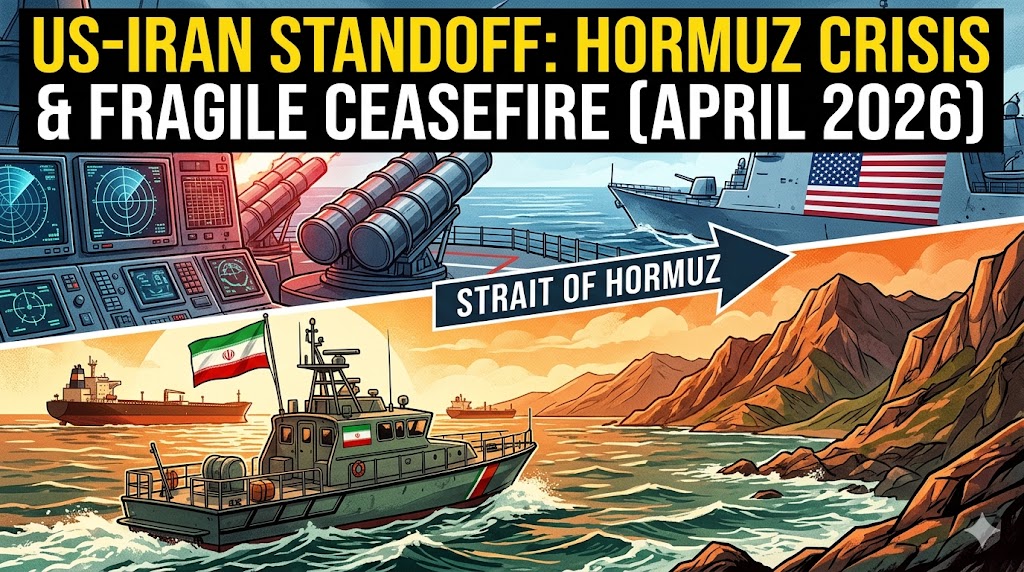
The Ongoing US-Iran Tensions
The relationship between the United States and Iran has long been marked by deep mistrust, competing regional interests, and disagreements over Tehran's nuclear program. In 2026, these tensions escalated into direct conflict, known as the 2026 Iran war, which began with coordinated US and Israeli strikes on February 28. The war caused significant damage, loss of life, and disruption to global energy markets, particularly through restrictions in the Strait of Hormuz.
By early April, a fragile ceasefire was brokered, primarily through Pakistani mediation. However, as of April 28, 2026, negotiations have reached a critical impasse. Iran has signaled willingness to stop the immediate fighting and reopen vital maritime routes, yet it remains firm on its own conditions. The United States, under President Donald Trump, appears open to a deal but rejects any agreement perceived as neutral or one that postpones core issues like Iran's nuclear capabilities. This dynamic has created a high-stakes diplomatic and military standoff with far-reaching implications for regional stability and the global economy.
This article examines the current situation as of late April 2026, the positions of both sides, the role of the Strait of Hormuz, and what the path forward might entail.
Background: From War to Fragile Ceasefire
The 2026 Iran war erupted after months of escalating rhetoric and failed diplomatic efforts. US concerns centered on Iran's advancing nuclear program, its support for regional proxies, and threats to international shipping. Strikes targeted Iranian military infrastructure, nuclear sites, and leadership figures, prompting Iranian retaliation with missiles and drones across the region.
After weeks of intense fighting that disrupted oil flows and raised global energy prices, both sides agreed to a conditional two-week ceasefire on April 7-8, 2026. Pakistan played a pivotal mediating role, with additional influence from China and other regional actors. The ceasefire was later extended as talks continued, but it has remained tenuous due to ongoing disagreements.
Direct negotiations, including high-level talks in Islamabad involving US Vice President JD Vance, failed to produce a breakthrough. The core dispute revolves around sequencing: what must be addressed immediately versus what can be deferred. Economic pressure has intensified through a US naval blockade of Iranian ports, aimed at limiting Iran's oil exports and imports while compelling concessions.
Iran's Position: Willing to Pause but on Its Terms
As of April 28, 2026, Iran has presented a new proposal to the United States. According to multiple reports, Tehran has offered to reopen the Strait of Hormuz— a critical chokepoint for roughly one-fifth of global oil and gas trade—and effectively end active hostilities. In exchange, Iran seeks the lifting of the US naval blockade and an end to the war.
Notably, Iran's plan would postpone detailed negotiations on its nuclear program, including highly enriched uranium stockpiles and enrichment activities, to a later stage. This approach allows Iran to address immediate economic pain from the blockade and restricted shipping while preserving leverage on its strategic capabilities.
Iranian officials, including Foreign Minister Abbas Araghchi, have emphasized that threats, blockades, and sanctions hinder genuine dialogue. Tehran portrays its stance as pragmatic: ready to de-escalate the current crisis but unwilling to accept one-sided demands that compromise its sovereignty or long-term security interests. Internal divisions within Iran's leadership, particularly between more pragmatic diplomats and hardline elements within the Islamic Revolutionary Guard Corps (IRGC), appear to influence this calibrated position.
By offering to ease the Hormuz restrictions without upfront nuclear concessions, Iran is leveraging its geographic advantage while signaling openness to broader talks later. However, this "step-by-step" or staged approach has met resistance in Washington, where it is viewed as delaying the resolution of the most pressing security concern.
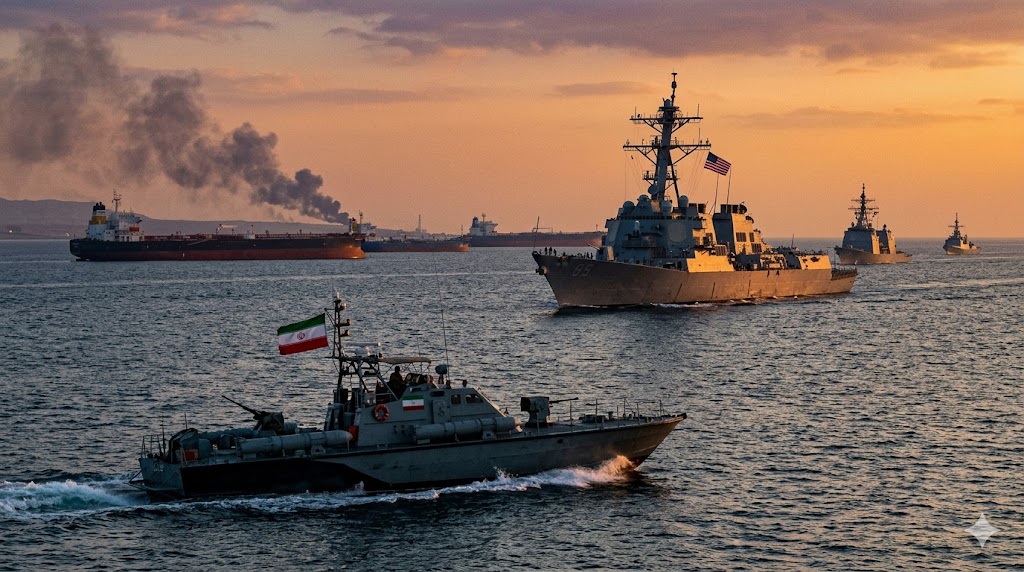
Strait of Hormuz
The US Stance: Open to Deal but Rejecting Neutral Terms
The Trump administration has reviewed Iran's latest proposal but signaled strong dissatisfaction. President Trump described earlier versions as "much better" than previous offers yet maintained that they fall short of what is required. US officials, including Secretary of State Marco Rubio, have stressed that any lasting agreement must address Iran's nuclear program head-on, including verifiable limits on enrichment and the removal of highly enriched uranium.
The United States insists on a comprehensive rather than neutral or partial deal. Washington argues that postponing nuclear discussions risks allowing Iran to continue advancing its capabilities under the cover of a temporary peace. The naval blockade remains in place as leverage, redirecting vessels and pressuring Iran's economy by limiting oil storage and exports.
Trump has repeatedly emphasized freedom of navigation through the Strait of Hormuz and the elimination of Iran's pathway to a nuclear weapon. While the US has extended the ceasefire to allow for proposals, it has prepared contingency plans for renewed strikes if talks collapse entirely. This firm posture reflects a broader "maximum pressure" strategy combined with willingness to negotiate—but only on terms that deliver tangible security gains.
The rejection of a purely neutral agreement underscores the asymmetry in priorities: the US views nuclear issues as non-negotiable and immediate, whereas Iran seeks economic relief and de-escalation first.
The April 28, 2026 Scenario: Key Developments
On or around April 28, 2026, the Trump administration held meetings with top national security advisers to evaluate Iran's proposal. Early indications pointed to its likely rejection in current form, primarily due to the deferral of nuclear talks. Reports highlighted that while the offer addresses the immediate Hormuz and blockade issues, it does not satisfy US red lines on enrichment and weapons potential.
Global oil prices have surged amid the uncertainty, with concerns over prolonged disruption to energy flows. The dual restrictions—Iran's earlier limitations and the US blockade—have created a complex maritime standoff. Shipping traffic through the strait has been severely curtailed, affecting not only Iran but also broader international trade.
Analysts note that Iran's depleting oil storage capacity adds urgency to its push for blockade relief, while the US aims to sustain pressure without immediately resuming full-scale military operations. No new direct meetings were confirmed immediately after April 28, and the situation remains fluid with mediators continuing back-channel efforts.
This moment represents a classic brinkmanship scenario: both sides express interest in ending the active conflict yet dig in on fundamental conditions, raising the risk of miscalculation.
Challenges and Risks Moving Forward
Several factors complicate the path ahead. First, mutual distrust runs deep, rooted in past experiences such as the US withdrawal from the 2015 JCPOA. Iran fears that any concessions could lead to further demands or renewed pressure, while the US worries that partial deals allow Iran to regroup.
Second, internal politics play a role. In Iran, hardliners may resist perceived weakness; in the US, domestic expectations for a strong stance on nuclear proliferation shape negotiating limits.
Third, regional dynamics add layers. Proxies like the Houthis in Yemen have shown restraint but could complicate matters through actions in the Red Sea or Bab el-Mandeb Strait. Gulf states and Israel monitor developments closely, wary of any agreement that leaves Iranian capabilities intact.
The economic toll—higher energy prices, disrupted supply chains, and humanitarian impacts—creates incentives for compromise but also raises stakes if escalation resumes. Potential US strike plans remain on the table as a deterrent, while Iran warns of painful responses.
Possible Pathways and Broader Implications
A breakthrough would likely require creative sequencing: perhaps initial confidence-building measures on maritime security and limited sanctions relief, paired with a clear timetable for nuclear verification. Mediators from Pakistan, Oman, or others may facilitate phased agreements.
Without progress, the fragile ceasefire could unravel, leading to renewed restrictions, higher oil prices, and possible military action. The situation as of late April 2026 underscores that while both the US and Iran appear motivated to avoid all-out war, their incompatible "red lines" make a quick resolution challenging.
For the international community, the standoff highlights vulnerabilities in global energy security and the difficulties of diplomacy amid power asymmetries. Long-term stability in the Middle East will depend on addressing not only nuclear concerns but also broader issues of regional influence, sanctions, and mutual security guarantees.
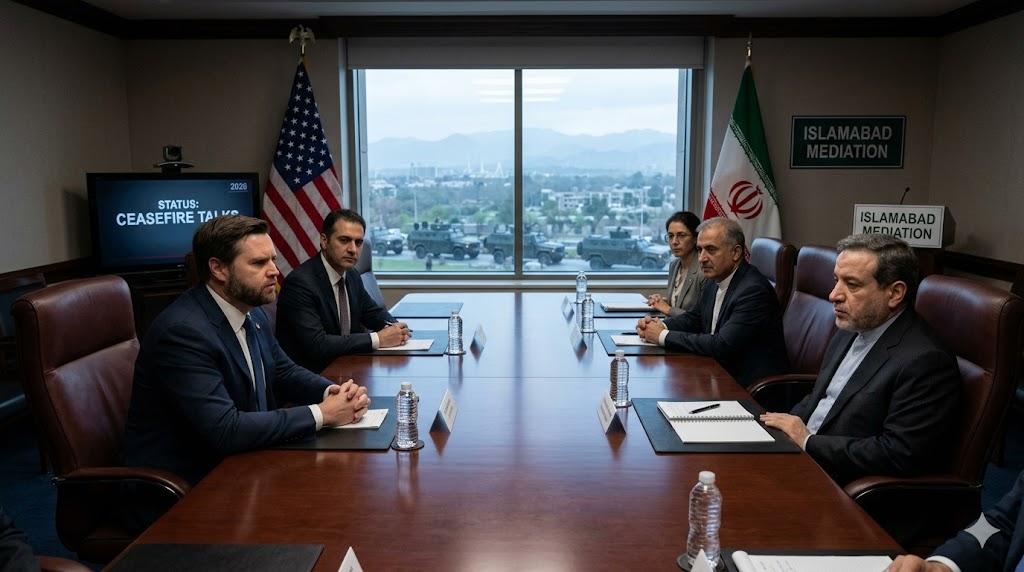
US and Iran ceasefire talks
Conclusion: A Precarious Balance
As April 2026 draws to a close, the US-Iran relationship stands at a crossroads. Iran has shown flexibility on ending immediate disruptions and reopening the Strait of Hormuz, yet it holds firm on deferring nuclear matters. The United States, while open to dialogue, rejects any deal that feels neutral or insufficiently addresses its core demands for verifiable nuclear limits.
This stubborn adherence to respective terms reflects deep strategic calculations on both sides. The coming weeks will test whether diplomatic ingenuity or sustained pressure can bridge the gap. For now, the Hormuz crisis and extended ceasefire define a tense equilibrium—one that carries significant risks for escalation but also faint hopes for a negotiated off-ramp.
Observers worldwide will watch closely as mediators work behind the scenes. The outcome will shape not only bilateral ties but also energy markets, regional alliances, and the future of nuclear non-proliferation efforts in a volatile world.