UAE Bans Travel to Iran, Lebanon, Iraq on April 30, 2026
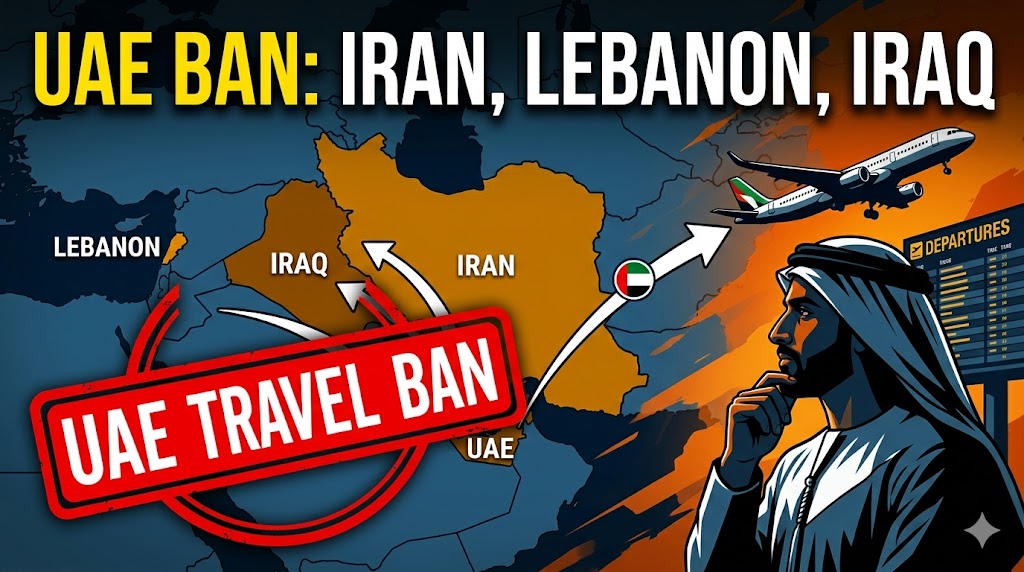
The United Arab Emirates has taken a decisive step to safeguard its citizens by imposing a travel ban on three countries in West Asia. On April 30, 2026, the UAE Ministry of Foreign Affairs (MoFA) announced that Emirati nationals are prohibited from travelling to the Islamic Republic of Iran, the Lebanese Republic, and the Republic of Iraq. The ministry has also strongly urged all UAE citizens currently present in these countries to return home at the earliest opportunity.
This announcement, issued through official channels including the state news agency WAM, reflects growing caution amid the complex and rapidly evolving security situation in the region. The directive emphasizes the UAE government’s commitment to monitoring the well-being of its nationals abroad and ensuring their safety during a period of heightened regional uncertainty.
The move comes as the fragile ceasefire between the United States and Iran continues to hold tenuously following months of direct confrontation that began in February 2026. Disruptions in the Strait of Hormuz, ongoing low-level incidents involving proxies, and broader geopolitical tensions have prompted several countries to review their travel advisories and citizen safety protocols.
This article examines the details of the UAE travel ban, the stated reasons behind it, the broader regional context, potential implications for Emirati nationals and international travel, and what this development reveals about the Gulf states’ approach to risk management in an uncertain security environment.
Official Statement from the UAE Ministry of Foreign Affairs
According to the Ministry of Foreign Affairs, the travel ban was issued “in light of current regional developments.” While the statement does not provide specific details of particular incidents, it aligns with a pattern of precautionary measures taken by Gulf countries when tensions escalate.
The ministry explicitly called on all UAE nationals in Iran, Lebanon, and Iraq to “expedite their immediate return to the UAE.” It also provided an emergency contact number (+971 800 44444) for citizens requiring assistance and urged full compliance with official guidance.
This is not the first time the UAE has adjusted its travel policies in response to regional events. However, the simultaneous ban covering Iran, Lebanon, and Iraq — countries with varying degrees of direct involvement or proximity to the current US-Iran standoff — signals a comprehensive assessment of risks across multiple fronts.
Reasons Behind the Travel Ban
Although the official statement uses the broad phrase “current regional developments,” several interconnected factors likely influenced the decision:
US-Iran Ceasefire Fragility: The ceasefire established in early April 2026 remains vulnerable. Reports of ongoing military briefings in Washington on potential strike options, Iranian assertions regarding the Strait of Hormuz, and sporadic incidents involving proxies have created an atmosphere of uncertainty.
Risks in Lebanon: Persistent tensions along the Israel-Lebanon border, including Israeli operations targeting Hezbollah infrastructure and occasional cross-border incidents, continue to pose risks to civilians and foreign nationals.
Situation in Iraq: Iraq’s complex internal dynamics, the presence of various armed groups, and its geographic position between Iran and the Gulf states make it susceptible to spillover effects from regional conflicts.
Citizen Safety Priority: The UAE, home to a large and mobile expatriate population as well as its own nationals working and travelling abroad, consistently places high importance on protecting its citizens. With thousands of Emiratis potentially present in or travelling through West Asia for business, family, or religious reasons, proactive measures help minimize exposure to unforeseen security incidents.
Alignment with Regional Partners: Many Gulf Cooperation Council (GCC) countries monitor developments closely and often coordinate or align their citizen safety policies during periods of heightened tension.
The ban serves as both a practical safety net and a diplomatic signal that the UAE is closely watching the situation and prioritizing stability.
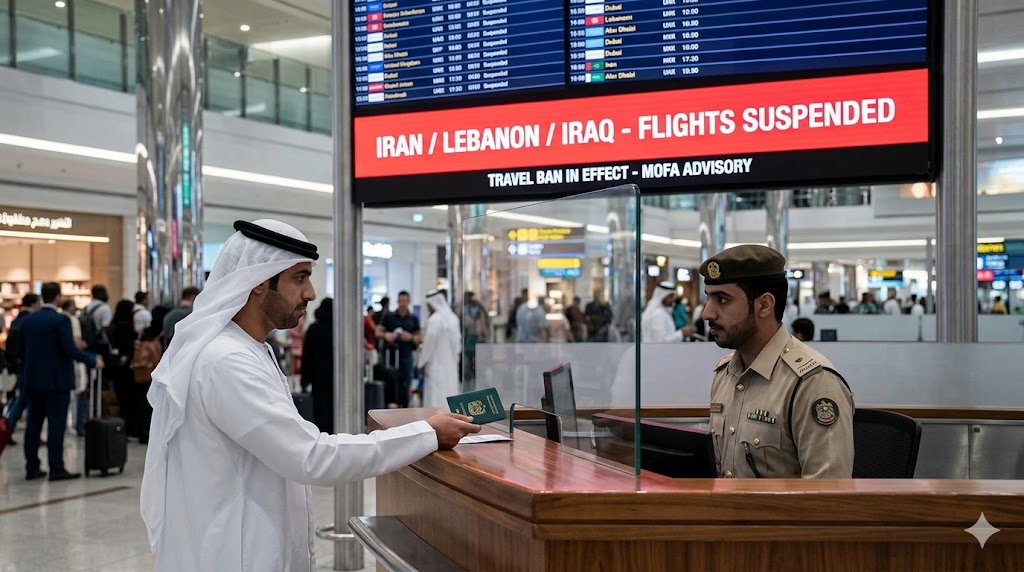
A visualization of the travel ban's implementation: A prominent digital display in a UAE airport terminal counter confirms that flights to Iran, Lebanon, and Iraq have been suspended, following the Ministry of Foreign Affairs advisory on April 30, 2026.
Immediate Practical Implications for UAE Nationals
The travel ban has several direct consequences:
New Travel: UAE citizens are no longer permitted to travel to Iran, Lebanon, or Iraq until the restriction is lifted. Airlines and travel operators are expected to enforce this policy.
Citizens Already Abroad: Those currently in the three countries are advised to arrange their departure as soon as commercially feasible. The ministry’s emergency line is available for coordination and support.
Business and Personal Travel: Individuals with ongoing commitments in these countries may need to reassess plans, explore remote alternatives, or accelerate returns.
Family and Community Impact: Many Emirati families have ties across the region. The advisory may affect family visits, educational exchanges, or religious pilgrimages.
Travel agencies in the UAE have reported increased inquiries and last-minute booking changes following the announcement.
Broader Regional Context and Security Environment
The UAE’s decision occurs against a backdrop of multiple overlapping challenges in West Asia:
The US-Iran military exchanges and subsequent ceasefire have created volatility in energy markets and maritime security, particularly around the Strait of Hormuz.
Persistent low-intensity conflicts involving non-state actors, including Hezbollah in Lebanon and various militias in Iraq, add layers of unpredictability.
Humanitarian and economic pressures in the affected countries compound risks for foreign nationals.
Great-power dynamics, including involvement or statements from Russia, China, and Western nations, influence the overall security calculus.
Gulf states, including the UAE, have invested heavily in diplomatic engagement, economic diversification, and defence capabilities to navigate such volatility. The travel ban reflects a prudent risk-management approach rather than a permanent policy shift.
Comparison with Other Countries’ Advisories
Several nations have issued heightened travel warnings for parts of West Asia in recent months. The United States, for instance, has maintained elevated alerts for multiple countries in the region, including calls for citizens to reconsider or avoid non-essential travel.
The UAE’s measure stands out for its outright ban on travel to three specific countries combined with an active call for immediate departure. This approach demonstrates a more restrictive stance, consistent with the country’s emphasis on proactive citizen protection.
Potential Long-Term Implications
While the current ban is framed as a response to immediate developments, its duration will depend on how the regional situation evolves. Key factors that could influence its lifting include:
Progress toward a more durable US-Iran agreement.
Reduction in cross-border incidents involving Lebanon and Israel.
Stabilization of security conditions in Iraq.
Broader de-escalation efforts across the region.
In the meantime, the advisory may encourage greater diversification of travel destinations for UAE nationals and prompt businesses to strengthen contingency planning for operations in West Asia.
The move also highlights the interconnected nature of security and mobility in the Gulf. As a major hub for international travel and business, the UAE’s policies can influence regional perceptions and economic flows.
UAE’s Commitment to Citizen Safety
The UAE has a well-established reputation for placing high priority on the welfare of its citizens and residents abroad. Through its network of embassies, consulates, and crisis response mechanisms, the government maintains robust systems for monitoring and assisting nationals during emergencies.
This latest advisory reinforces that commitment. By issuing clear guidance and providing dedicated contact channels, the Ministry of Foreign Affairs aims to ensure that citizens have the information and support needed to make informed decisions.
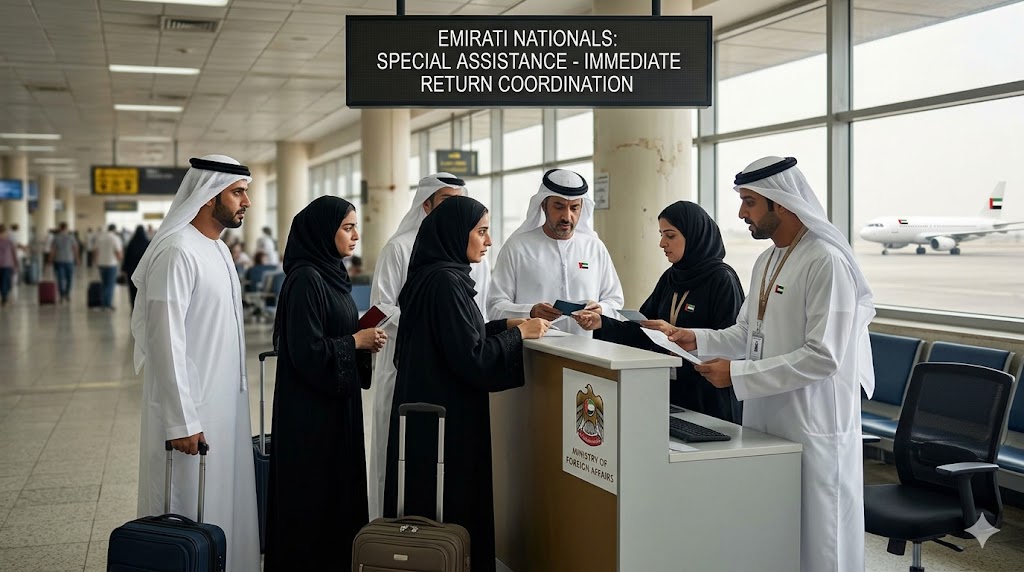
Urged Immediate Return
Conclusion: Prudent Caution in a Complex Region
The United Arab Emirates’ decision to ban travel to Iran, Lebanon, and Iraq, while urging citizens in those countries to return home immediately, represents a measured and responsible response to the current regional security environment. Announced on April 30, 2026, by the Ministry of Foreign Affairs, the directive prioritizes the safety and well-being of Emirati nationals amid ongoing uncertainties in West Asia.
As the situation continues to develop, the UAE’s proactive stance serves as both a protective measure for its citizens and a reflection of the broader challenges facing the region. While the ban may cause short-term inconvenience for some, it underscores the government’s commitment to safeguarding its people in an increasingly complex geopolitical landscape.
Travellers and residents are encouraged to stay informed through official channels and to comply with all guidance issued by the authorities. The coming weeks will be critical in determining whether diplomatic efforts can ease tensions and allow for a return to more normal patterns of regional travel and engagement.