Putin Warns Trump on Iran Strikes in High stakes Phone Call
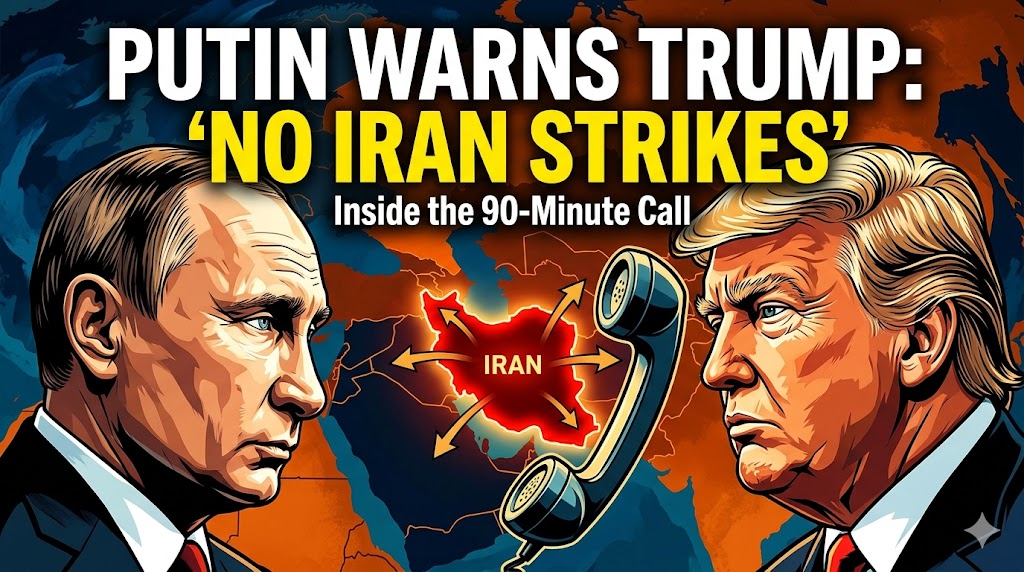
On April 29, 2026, Russian President Vladimir Putin and US President Donald Trump held a lengthy telephone conversation lasting over 90 minutes. During the call, Putin explicitly warned his American counterpart against launching new military actions in Iran, cautioning that any resumption of hostilities would lead to “inevitable and extremely damaging consequences” not only for Iran and its neighbors but for the entire international community.
The discussion, described by the Kremlin as “frank and businesslike,” occurred amid a fragile ceasefire between the United States and Iran that has held since early April but remains under pressure. Kremlin aide Yuri Ushakov, who briefed reporters afterward, revealed that Putin highlighted the risks of further US or Israeli strikes, particularly any potential ground operations on Iranian soil.
This exchange comes at a critical juncture in the 2026 US-Iran conflict, as the Trump administration reviews military options while pursuing diplomatic leverage through sanctions and a naval blockade. The call also touched upon the situation in Ukraine, reflecting the interconnected nature of global flashpoints involving the two major powers.
This article provides a detailed overview of the Putin-Trump conversation, the specific warnings issued regarding Iran, the current state of the US-Iran standoff, Russia’s strategic interests, and the wider implications for international relations.
Context of the US-Iran Conflict in 2026
The direct military confrontation between the US and Iran escalated dramatically on February 28, 2026, with coordinated strikes on Iranian military and nuclear-related sites. Iran responded with missile and drone attacks, leading to disruptions in the Strait of Hormuz and a sharp rise in global energy prices.
A conditional ceasefire was brokered in early April, later extended by the Trump administration to allow space for negotiations. However, core disagreements persist over Iran’s nuclear enrichment program, the lifting of sanctions, and freedom of navigation in the Persian Gulf. The US has maintained economic pressure through a naval blockade, while Iran has offered to reopen shipping lanes in exchange for relief but resisted immediate concessions on its nuclear capabilities.
It is within this tense environment that Putin and Trump spoke. The conversation occurred shortly after reports that President Trump had been briefed on potential “final blow” strike options, including targeted operations and possible actions to secure highly enriched uranium stockpiles.
Details of Putin’s Warning to Trump
According to the Kremlin readout, Putin emphasized that any resumption of large-scale military action against Iran would be “dangerous and unacceptable.” He particularly stressed the risks associated with ground operations on Iranian territory, warning of severe regional destabilization and broader international fallout.
Yuri Ushakov noted that Putin highlighted the “inevitable and extremely damaging consequences” for Iran, neighboring countries, and the global community. The Russian leader reportedly welcomed Trump’s decision to extend the ceasefire, viewing it as an opportunity for diplomatic progress rather than escalation.
Putin also put forward “a number of considerations” and ideas aimed at resolving disagreements over Iran’s nuclear program. While specific proposals were not publicly detailed, Russian officials indicated Moscow’s willingness to play a constructive role in facilitating dialogue, though Trump reportedly preferred focusing Russian efforts on ending the war in Ukraine.
The US side described the call positively, with President Trump later stating it was a “very good conversation.” He suggested that resolutions to the conflicts in Iran and Ukraine could potentially follow similar timelines, though he rebuffed Putin’s offer to assist directly with securing Iran’s enriched uranium.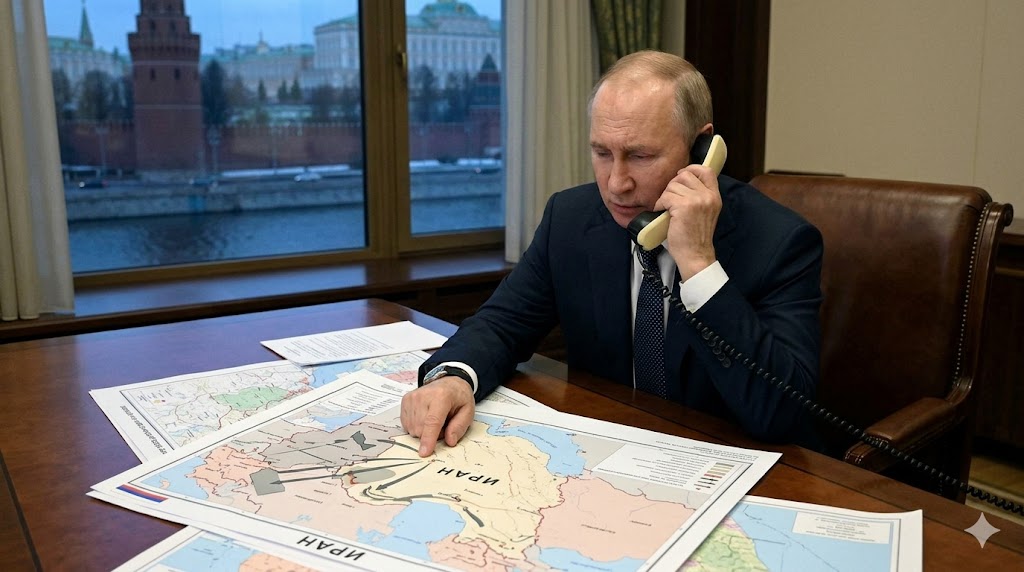
The Moscow Readout
Russia’s Strategic Interests in the Iran Crisis
Russia’s position reflects a mix of geopolitical calculation and long-standing alliances. Moscow has maintained close ties with Tehran, cooperating in areas such as energy, arms, and regional influence, particularly in Syria. Iran’s resistance to Western pressure aligns with Russia’s broader narrative of opposing US hegemony.
By warning against further military action, Putin aims to:
Prevent a wider regional war that could disrupt global energy markets and affect Russian oil revenues.
Protect a key partner that has provided support in circumventing Western sanctions.
Position Russia as an influential mediator capable of shaping outcomes in the Middle East.
Link discussions on Iran with progress on Ukraine, seeking leverage in its own conflict.
At the same time, Russia has reportedly taken actions to support Iran’s military resistance, according to US military assessments, though details remain classified. This dual approach—public calls for restraint combined with practical backing—illustrates Moscow’s nuanced strategy in a multipolar world.
Trump Administration’s Approach and Domestic Considerations
President Trump has projected confidence in handling the Iran situation, maintaining maximum pressure while keeping diplomatic channels open. The extension of the ceasefire demonstrates a willingness to explore negotiated outcomes, but the continued review of military options signals that the US is prepared to act decisively if talks stall.
Trump’s emphasis on linking Iran negotiations with Ukraine reflects his transactional style of diplomacy. By suggesting parallel timelines for resolution, he aims to encourage Putin to exert influence where it benefits US interests.
Domestically, the administration faces pressure from allies like Israel, which remains deeply concerned about Iran’s nuclear advances and regional proxies. Balancing these relationships while managing risks of escalation remains a central challenge.
Broader Geopolitical Implications
The Putin-Trump call highlights the complex interplay between major powers in managing regional crises. It underscores how conflicts in the Middle East and Europe are increasingly viewed through a lens of great-power competition.
For the international community, the stakes are high. Renewed fighting in Iran could lead to:
Further disruptions in global oil supply and higher energy prices.
Humanitarian crises and refugee flows.
Increased involvement of proxy actors and potential spillover into neighboring countries.
Challenges to nuclear non-proliferation efforts.
The conversation also illustrates the limits of bilateral diplomacy. While direct leader-to-leader engagement is valuable, deep-seated mistrust and competing interests make breakthroughs difficult. Third-party mediation or multilateral frameworks may eventually prove necessary.
Reactions and Analysis from Experts
Analysts have noted that Putin’s strong warning serves both as genuine concern over regional instability and as a strategic signal to deter US escalation. Some observers suggest Russia benefits from a prolonged but contained conflict that ties down US resources.
Others point to the call as evidence of pragmatic engagement between Washington and Moscow despite ongoing differences over Ukraine. The willingness to discuss multiple issues in one conversation reflects a recognition that isolated solutions are unlikely in today’s interconnected security environment.
Energy markets reacted with cautious volatility following reports of the call, as any indication of de-escalation tends to ease price pressures, while warnings of potential renewed conflict keep traders on edge.
The Road Ahead: Diplomacy or Escalation?
As of early May 2026, the ceasefire continues to hold tenuously. Both the US and Iran face domestic and international pressures that influence their negotiating postures. Russia’s intervention through high-level diplomacy adds another layer to an already complex situation.
Success will depend on whether the parties can find creative solutions—such as phased agreements on maritime security paired with verifiable nuclear steps—that address core concerns without appearing as capitulation.
For now, the Putin-Trump conversation serves as an important diplomatic touchpoint. It demonstrates that even amid rivalry, major powers recognize the need for communication to prevent uncontrolled escalation.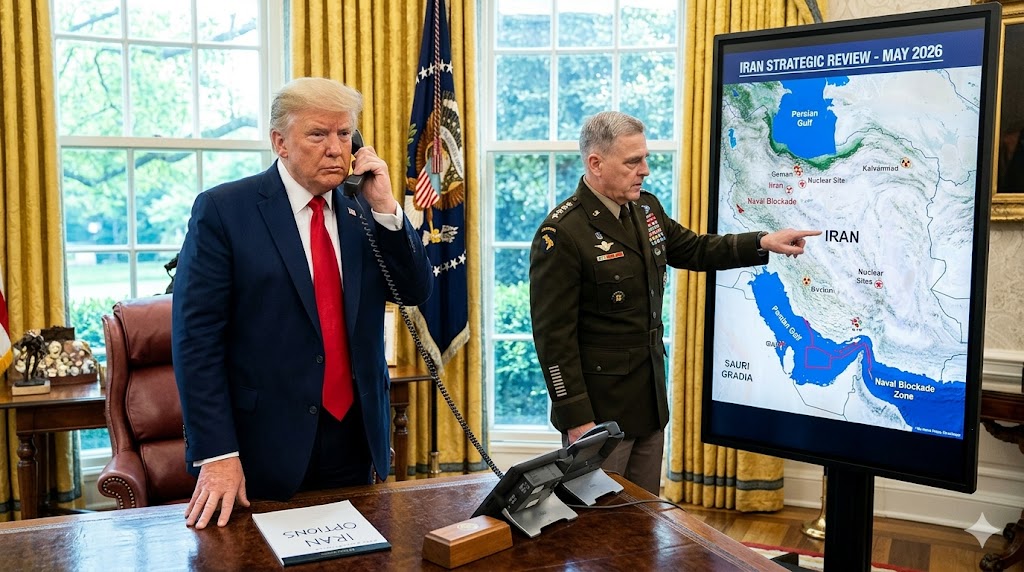
Strategic Review in the Oval Office
Conclusion: A Delicate Balance in Global Affairs
Vladimir Putin’s warning to Donald Trump against new military action in Iran during their April 29, 2026, phone call underscores the high stakes involved in the ongoing West Asia crisis. By highlighting the “extremely damaging consequences” of resumed hostilities, Russia has positioned itself as a voice for restraint while advancing its own strategic interests.
The conversation reflects the intricate web of relationships shaping contemporary geopolitics. As the US weighs military options and diplomatic pathways, and Iran defends its sovereignty and capabilities, the role of external actors like Russia will remain significant.
Ultimately, preventing further escalation will require sustained engagement, mutual compromises, and a shared recognition that the costs of renewed conflict far outweigh any potential short-term gains. The coming weeks will test whether this high-level dialogue can translate into tangible progress toward a more stable regional order.