Oil Prices Surge Economic crises: Iran-US War Impact 2026
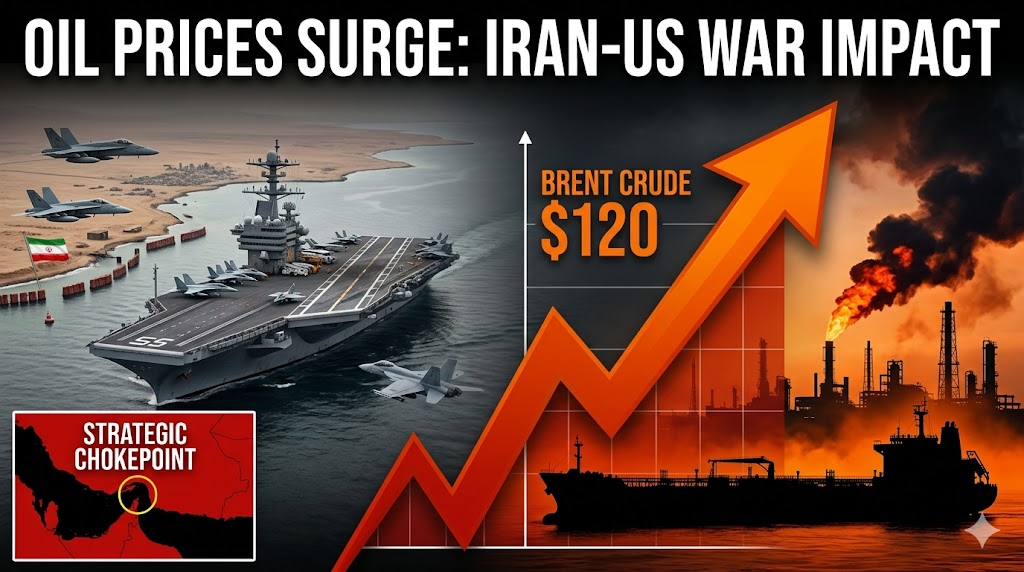
As the Iran-US conflict transitions into its third month in May 2026, global energy markets continue to grapple with significant volatility. The war, which began with strikes on February 28, has triggered one of the most severe supply disruptions in modern history, primarily through restrictions in the Strait of Hormuz — the critical chokepoint responsible for roughly one-fifth of the world’s oil and substantial LNG shipments.
Oil prices, which surged more than 55% since late February, remain elevated despite a fragile ceasefire. Brent crude has traded in the $110-120 range in recent weeks, while LPG and related energy products have also seen sharp increases. These developments have fueled global inflation concerns, raised transportation and manufacturing costs, and created uncertainty for economies worldwide.
The situation is compounded by the US naval blockade of Iranian ports and Iran’s retaliatory restrictions on Hormuz traffic. Even as diplomatic efforts continue, the prolonged uncertainty has kept energy prices high and volatile. This article examines the current state of oil and LPG markets, the drivers of price fluctuations, the broader economic fallout, and what the future may hold as the Iran-US (and related Israel) tensions persist.
Current Oil Market Situation Entering May 2026
Brent crude, the global benchmark, experienced dramatic swings following the outbreak of hostilities. From around $72 per barrel in late February, prices climbed rapidly, peaking near $120 or higher in March amid fears of a complete closure of the Strait of Hormuz. As of early May 2026, Brent has settled in a volatile band, often trading above $110, reflecting persistent supply risks even after partial ceasefire extensions.
West Texas Intermediate (WTI) has followed a similar pattern, remaining well above pre-conflict levels. The dual blockade — US restrictions on Iranian ports and Iranian control over Hormuz traffic — has reduced effective supply flows, forcing traders to price in ongoing uncertainty.
Analysts note that while some shipping has resumed on a limited basis, commercial confidence remains low. Insurance costs have skyrocketed, and many major tanker operators continue to avoid the route, resulting in a de facto reduction in available supply. This has kept the market in backwardation, with near-term contracts commanding higher premiums than longer-dated ones, signaling expectations of short-term tightness.
LPG and Related Energy Product Prices
Liquefied Petroleum Gas (LPG) markets have also been severely affected. The Persian Gulf region is a major exporter of LPG, and disruptions have tightened global supply, particularly for key importers in Asia such as India and China. Prices for LPG have surged, with some regions experiencing increases of 30-50% or more since February, contributing to higher costs for household cooking, industrial uses, and petrochemical feedstocks.
The ripple effects extend to related products. Jet fuel and diesel prices have risen sharply, impacting aviation and logistics sectors. Fertilizer prices, which rely on natural gas and energy inputs, have also climbed, raising concerns for global food production and agricultural costs in the coming seasons.
These increases are not isolated; they form part of a broader energy cost shock that is feeding into consumer prices across multiple categories.
Drivers of Price Volatility: The Iran-US Conflict in May 2026
The conflict’s impact on energy markets stems from several interconnected factors:
Strait of Hormuz Disruptions: Even with ceasefire extensions, full commercial traffic has not resumed. Shipping volumes remain far below normal levels due to security concerns, insurance issues, and lingering restrictions. Any hint of renewed escalation sends prices spiking.
US Naval Blockade: The ongoing blockade of Iranian ports has curtailed Iran’s oil exports, adding to global supply tightness. Iran has responded with its own measures, creating a challenging dual-restriction environment.
Geopolitical Uncertainty: Speculation about potential new strikes, the status of nuclear talks, and involvement of regional actors (including Israel) keeps risk premiums elevated. Statements from both US and Iranian officials contribute to daily swings.
Market Psychology and Speculation: Traders are pricing in various scenarios, from gradual de-escalation to prolonged disruption. This has led to sharp up-and-down movements — phrases like “prices surge then ease on ceasefire hopes” have become common in market commentary.
As the conflict enters May, these dynamics show no immediate signs of full resolution, keeping the market on edge.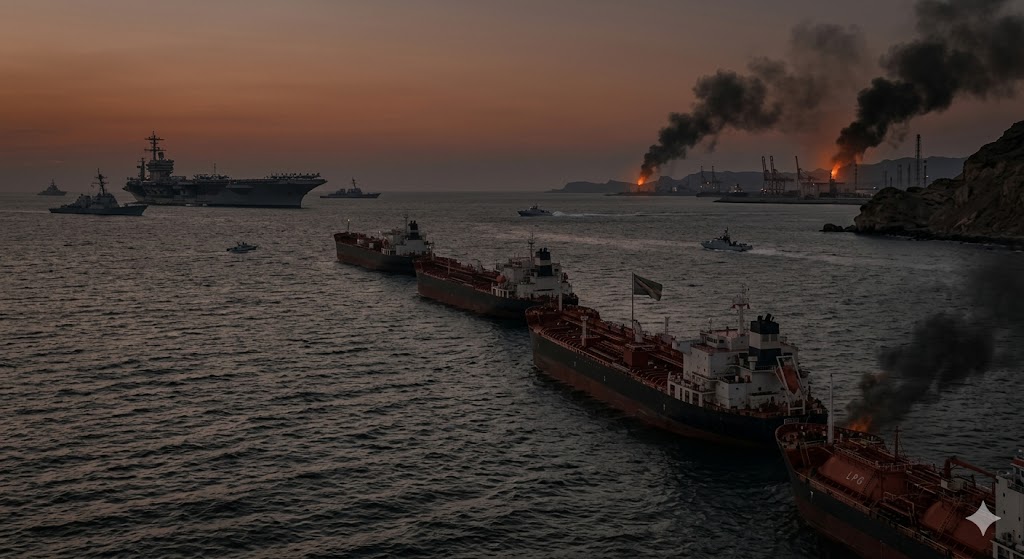
Blockade and Disruption in the Strait of Hormuz
Impact on Global Inflation and Economic Stability
Higher energy costs are transmitting directly into broader inflation. In the United States and Europe, gasoline and diesel prices have risen noticeably, increasing transportation expenses that feed into the cost of goods and services. Emerging economies, particularly those heavily dependent on imported energy, face even greater pressure, with risks of currency depreciation and reduced growth.
Central banks worldwide are monitoring the situation closely. Persistent energy-driven inflation could complicate monetary policy decisions, potentially delaying rate cuts or forcing tighter measures in some regions. Economists warn of “warflation” — inflation triggered or exacerbated by conflict-related supply shocks — which could tip vulnerable economies toward slowdown or recession if prolonged.
The crisis has also affected related sectors. Higher jet fuel costs have pushed up airfares, while increased shipping expenses contribute to supply chain pressures. Agricultural inputs, including fertilizers derived from energy sources, are becoming more expensive, raising long-term concerns for food security and prices.
Future Outlook: Volatility, Risks, and Potential Scenarios
Looking ahead, several scenarios could shape energy markets:
Gradual De-escalation: If diplomatic efforts yield a more durable ceasefire and the Strait of Hormuz returns to safer commercial operations, prices could moderate over the coming months. However, full normalization may take time due to insurance and confidence issues.
Prolonged Standoff: A long US blockade, as reportedly prepared by the Trump administration, combined with Iranian resistance could sustain elevated prices through the second half of 2026. Analysts project Brent could average well above $90-100 in such conditions.
Renewed Escalation: Any breakdown in the ceasefire or new military actions involving the US, Israel, or Iran could trigger another sharp spike, potentially pushing oil toward or beyond previous highs.
LPG markets are expected to remain tight as long as Gulf supply disruptions persist, with seasonal demand adding further pressure in certain regions.
The interplay between geopolitics and energy markets will continue to drive volatility. Investors and policymakers must prepare for scenarios where prices surge on bad news and ease on positive diplomatic signals — the classic “up and down” pattern observed repeatedly in recent weeks.
Broader Geopolitical Context: Iran, US, and Israel Dimensions
The energy crisis cannot be separated from the wider Iran-US-Israel tensions. Israel’s security concerns regarding Iran’s nuclear program and regional proxies add another layer of complexity. Any developments on these fronts — whether military, diplomatic, or rhetorical — can immediately influence market sentiment.
The involvement of multiple actors, including potential proxy responses and statements from major powers, keeps the risk environment elevated. This interconnectedness means that energy prices will likely remain sensitive to news flow from the region for the foreseeable future.
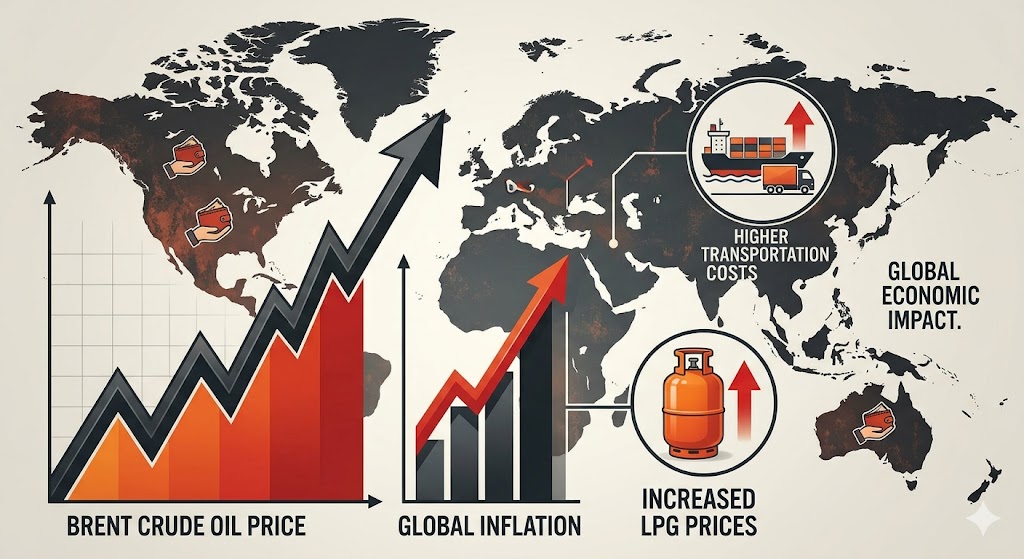
Charting the Global Economic Shock
Conclusion: Navigating Uncertainty in Energy Markets
As the Iran-US conflict enters May 2026, global oil and LPG markets reflect the deep and ongoing impact of geopolitical tensions. Elevated prices, driven by disruptions in the Strait of Hormuz and the US naval blockade, continue to fuel inflation concerns and economic challenges worldwide.
While some easing has occurred on hopes of diplomatic progress, the fundamental uncertainties — around nuclear negotiations, maritime security, and the potential for renewed escalation — suggest that volatility will persist. The “up and down” movements in prices highlight how sensitive markets are to every development in this complex standoff.
For businesses, governments, and consumers alike, the coming months will require careful navigation. Diversification of energy sources, strategic reserves, and diplomatic efforts to stabilize the region will be crucial in mitigating longer-term risks. The Iran-US (and related Israel) conflict serves as a stark reminder of how interconnected global energy security and geopolitics truly are — and how quickly distant events can affect everyday prices and economic stability around the world.