US-Russia Talks on Ukraine and Middle East Tensions
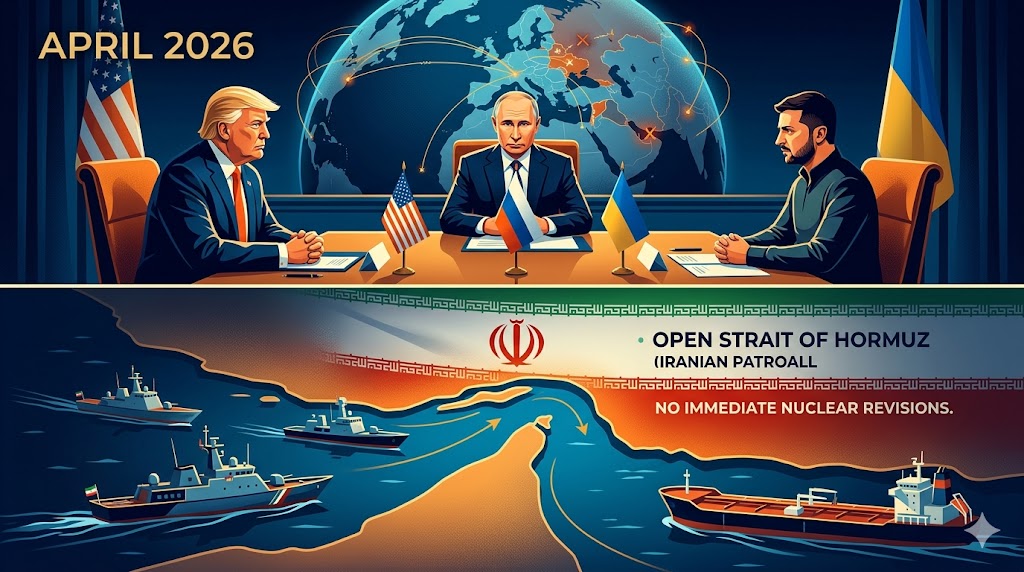
As evening falls on April 27, 2026, the global landscape remains shaped by intertwined conflicts in Eastern Europe and the Middle East. The United States continues its diplomatic push to resolve the prolonged war in Ukraine through trilateral discussions with Russia and Ukraine. At the same time, escalating tensions in the Persian Gulf and southern Lebanon highlight the fragility of recent ceasefires and the complex web of alliances involving major powers.
Recent developments show Iran floating a new proposal to ease restrictions on the strategically vital Strait of Hormuz, while maintaining its stance against immediate nuclear concessions. US President Donald Trump has reiterated that any lasting agreement must address Iran's nuclear program head-on. Meanwhile, Israeli military actions against Hezbollah positions in Lebanon have intensified, prompting sharp responses from Russia, which positions itself as a defender of regional stability in West Asia.
This article examines the current state of the US-involved Ukraine conflict, diplomatic engagements between Russian and Iranian leaders, Israel's ongoing operations, and expert assessments of potential future trajectories.
The Ongoing Ukraine Conflict: US-Brokered Talks and Stalled Progress
The war in Ukraine, now entering its fifth year, has seen periodic US-mediated negotiations aimed at finding a sustainable ceasefire. Trilateral meetings involving the United States, Russia, and Ukraine have taken place in locations such as Geneva, Abu Dhabi, and Istanbul, focusing on territorial issues, security guarantees, and prisoner exchanges.
Recent rounds, including those in early 2026, have yielded limited results, primarily prisoner swaps facilitated with help from the US and partners like the United Arab Emirates. However, core disagreements persist over territory, neutrality provisions, and long-term security arrangements for Ukraine. Russian officials have expressed openness to further talks when conditions allow, while Ukrainian leaders emphasize the need for concrete security assurances.
The conflict has been influenced by parallel crises elsewhere. US attention shifting toward the Middle East has reportedly slowed momentum on Ukraine negotiations. Ukrainian President Volodymyr Zelenskyy has noted that progress may remain limited until the situation with Iran stabilizes. Battlefield dynamics continue, with both sides reporting advances and setbacks amid heavy use of drones and long-range strikes.
As of late April 2026, the front lines show incremental movements, particularly in eastern regions, but no decisive breakthroughs. Diplomatic efforts remain active, though expectations for an imminent comprehensive deal are tempered by entrenched positions on both sides.
Iranian Foreign Minister Abbas Araghchi arrived in Russia on April 27 for high-level talks with President Vladimir Putin. This visit follows stops in Pakistan and Oman, signaling Tehran's efforts to build diplomatic support amid its standoff with the US and Israel.
Russian leaders have welcomed Iran's ceasefire-related gestures and expressed hope that de-escalation in the Middle East could free up US bandwidth for renewed Ukraine discussions. Moscow has consistently called for an end to hostilities in the region, positioning itself as a potential mediator committed to the legitimate interests of all parties.
During these engagements, Russia has underscored its commitment to protecting regional security and stability in West Asia. Officials in Moscow have stated they will use upcoming meetings to advocate for balanced solutions that respect sovereignty and prevent further destabilization. This stance aligns with Russia's broader foreign policy emphasizing multipolar diplomacy and opposition to unilateral actions that could escalate conflicts.
The timing of the Moscow meeting coincides with Iran's latest overture on the Strait of Hormuz, adding weight to discussions on energy security and global trade routes.
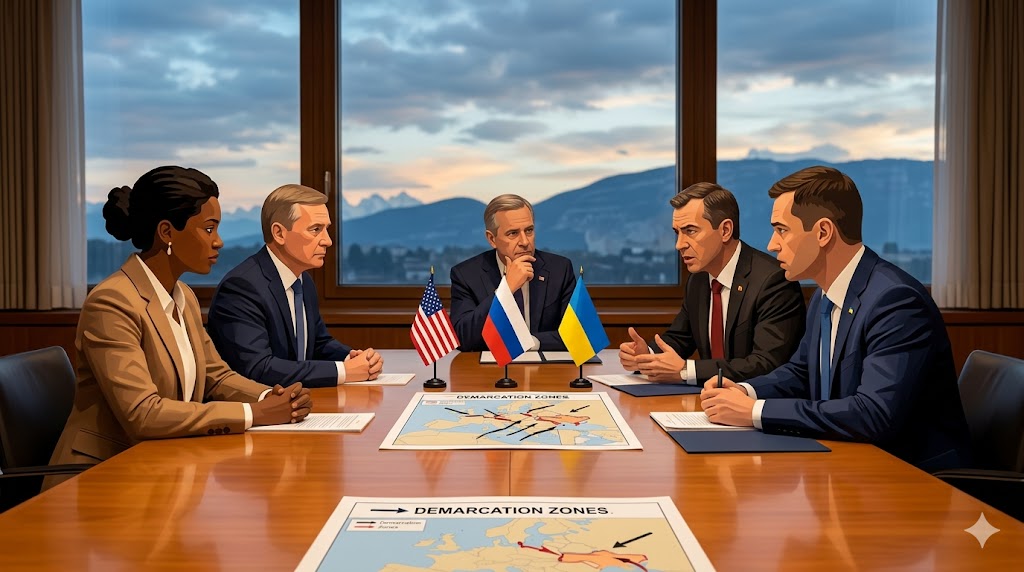
Stalled Ukraine Diplomacy and battlefield realities
Iran's Proposal on the Strait of Hormuz: Openness Without Nuclear Concessions
In a significant development reported on April 27, Iran has proposed reopening the Strait of Hormuz—a critical chokepoint carrying about one-fifth of global oil trade—without tying it directly to immediate nuclear program revisions. According to regional officials, the offer, conveyed through Pakistani mediators, aims to end the current restrictions and US-imposed blockade in exchange for lifting sanctions-related measures and concluding the active phase of hostilities.
Iranian authorities have indicated readiness to facilitate safe passage for international shipping, including vessels from various nations, while deferring deeper nuclear talks to a subsequent phase. This approach seeks to alleviate immediate economic pressures from the disrupted maritime traffic while preserving leverage on sensitive security issues.
The proposal comes against the backdrop of a fragile ceasefire following earlier US and Israeli military operations targeting Iranian capabilities. Control over the strait has been described by some Russian commentators as a strategic asset comparable in impact to nuclear deterrence due to its potential to influence global energy markets.
Trump's Firm Stance: No Agreement Without Nuclear Commitments
US President Donald Trump has maintained a clear position that any comprehensive deal with Iran must include verifiable steps to prevent the development of nuclear weapons. In recent statements, Trump emphasized that Washington will not accept arrangements that allow Tehran to retain or advance its atomic program, describing it as a non-negotiable red line.
Trump has noted Iran's interest in reaching an understanding but stressed that talks have encountered obstacles precisely on nuclear-related matters. He has warned against any "blackmail" tactics involving energy routes or other leverage points. The US has enforced measures, including naval actions around Iranian ports, to maintain pressure until core demands are met.
This approach reflects the administration's broader objectives: neutralizing threats from Iranian proxies, securing maritime freedom of navigation, and ensuring long-term regional stability without compromising on proliferation concerns. Analysts suggest that while short-term de-escalation on the Strait of Hormuz may be possible, bridging the gap on nuclear issues will require sustained, multifaceted diplomacy.
Israel's Continued Operations Against Hezbollah in Lebanon
Despite a declared ceasefire, Israeli forces have conducted repeated strikes targeting Hezbollah infrastructure and fighters in southern Lebanon. On Sunday, April 26, Israeli airstrikes killed at least 14 people and wounded dozens more, according to Lebanese health authorities. The attacks hit areas north of the Litani River, prompting evacuation warnings for several villages.
The Israeli military has justified these actions as responses to alleged Hezbollah violations, including rocket fire and attempts to reposition forces. Strikes have focused on rocket launchers, command facilities, and militant movements, with Israel asserting that operations will continue "forcefully" as needed to protect its borders.
Casualty figures from Lebanese sources indicate dozens killed in recent days alone, contributing to a cumulative toll exceeding 2,400 since intensified hostilities began earlier in 2026. Hezbollah has reported counteractions, including drone strikes on Israeli positions.
These developments underscore the tenuous nature of the truce and the risk of renewed escalation along the Israel-Lebanon border.
Russian Criticism: Accusations Against the US and Calls for Protection of Regional Security
Russian officials have attributed ongoing violence in Lebanon and broader regional instability to US policies and support for Israeli actions. Moscow has described the situation as resulting from external interventions that undermine sovereignty and fuel proxy conflicts.
In statements surrounding the Moscow meetings, Russia has pledged to advocate vigorously for the security and territorial integrity of nations in West Asia. Emphasis has been placed on diplomatic solutions that address root causes rather than military escalations. Russian leaders have warned that continued strikes could derail fragile ceasefires and called on all parties to exercise restraint.
This position fits into Russia's narrative of promoting a balanced international order, where great powers collaborate to prevent localized conflicts from spiraling into wider confrontations.
Future Outlook: Potential Trajectories as of April 27 Evening
Looking ahead, several factors will shape developments in the coming weeks and months:
1. Ukraine Track: Success of US-brokered talks may hinge on whether Middle East de-escalation allows greater diplomatic focus. Prisoner exchanges could build confidence, but territorial and security issues remain major hurdles.
2. Hormuz and Iran Negotiations: Iran's proposal offers a potential pathway to ease immediate energy market strains. However, US insistence on nuclear safeguards suggests protracted bargaining. Mediation by countries like Pakistan and Oman may play a key role.
3. Lebanon Dynamics: Persistent Israeli operations risk reigniting full-scale fighting with Hezbollah. International calls for ceasefire adherence are likely to intensify.
4. Russia's Role: Moscow's engagements with Tehran and its broader diplomatic outreach could influence outcomes, particularly if Russia leverages its relationships to facilitate dialogue across theaters.
Overall, the interconnected nature of these conflicts means progress in one area could positively affect others—or, conversely, setbacks could cascade. Analysts caution that while diplomatic windows exist, underlying mistrust and strategic imperatives on all sides make rapid resolutions challenging.
Global energy prices, already volatile due to Hormuz disruptions, will likely remain sensitive to any shifts in negotiations or military actions. Humanitarian concerns in affected regions continue to mount, underscoring the urgent need for de-escalation.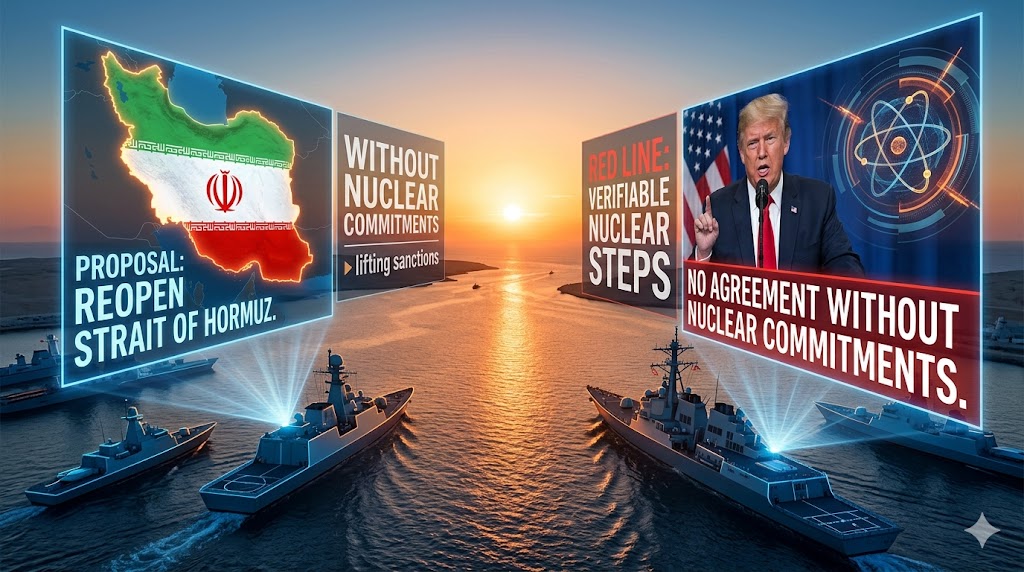
Iran’s Hormuz Overture and the Stiff Nuclear Red Line
Conclusion
The evening of April 27, 2026, finds the international community navigating a delicate balance between ongoing wars and active diplomacy. US efforts on Ukraine proceed amid competing priorities, while Iran's Hormuz proposal tests the boundaries of compromise with the Trump administration's firm nuclear stance. Israel's strikes in Lebanon highlight unresolved security dilemmas, even as Russia asserts its commitment to regional stability through high-level talks in Moscow.
These developments reflect the complex realities of modern geopolitics, where military actions, economic levers, and multilateral negotiations intersect. Sustained dialogue, respect for international norms, and pragmatic concessions will be essential if lasting peace is to take root in these volatile regions.
As events unfold rapidly, close monitoring of official statements and on-ground realities remains crucial for understanding potential shifts in this multifaceted crisis.