Trump Cancels Pakistan Talks with Iran: Diplomatic Setback
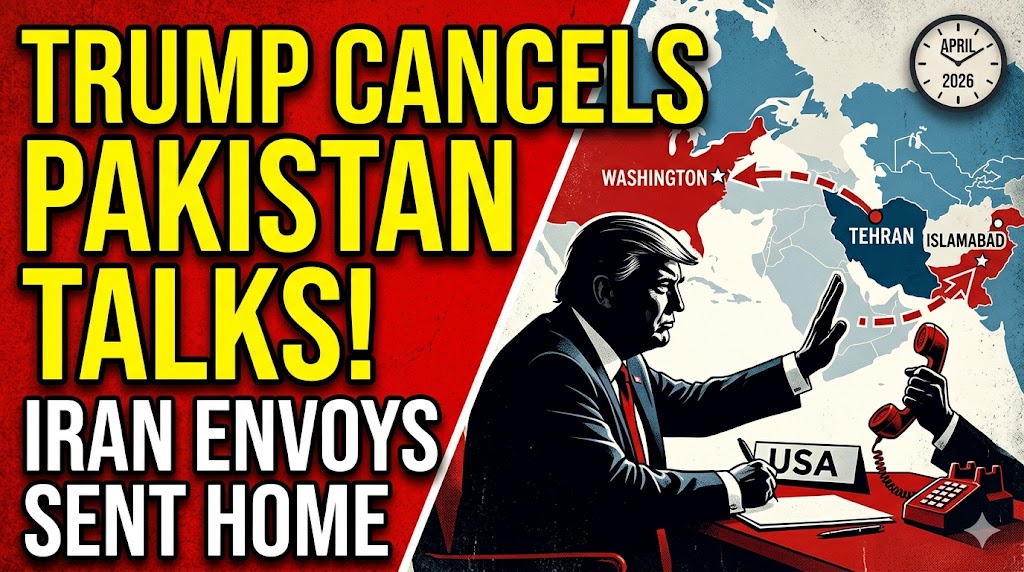
In a surprising turn of events on April 25, 2026, President Donald Trump called off the planned visit of his special envoy Steve Witkoff and senior adviser Jared Kushner to Islamabad for indirect peace talks with Iran. The decision came shortly after Iran’s Foreign Minister Abbas Araghchi concluded meetings with Pakistani officials and departed Pakistan, leaving hopes for a quick breakthrough in the ongoing US-Iran conflict dashed once again.
This development highlights the complexities of backchannel diplomacy in one of the most volatile regions. Pakistan, playing the role of a neutral mediator, had positioned itself as a key facilitator between Washington and Tehran. However, differences over the format of talks—direct versus indirect—and the substance of proposals appear to have stalled progress.
The US-Iran war, which erupted earlier in 2026, has already caused significant regional instability, disruptions in the Strait of Hormuz, and fluctuations in global energy markets. As both sides navigate a fragile ceasefire, the latest episode in Islamabad underscores the challenges of achieving a lasting resolution.
Background: The US-Iran Conflict and Pakistan’s Mediation Role
The conflict between the United States and Iran escalated in early 2026, involving military actions that targeted key Iranian facilities and led to a naval dimension affecting shipping routes. A temporary ceasefire was established following initial diplomatic overtures, with Pakistan emerging as an unlikely but effective intermediary.
Pakistani Prime Minister Shehbaz Sharif and military leadership, including figures like General Asim Munir, actively engaged both parties. Islamabad hosted the first round of talks in April 2026, where US Vice President JD Vance participated alongside other American officials. Those discussions, mediated by Pakistani diplomats, focused on ceasefire terms, regional security, and potential pathways to de-escalation.
Pakistan’s involvement marked a notable shift in its international standing. Once viewed with skepticism in certain Western circles, the country leveraged its geographical proximity to Iran and longstanding ties to position itself as an honest broker. Pakistani officials repeatedly emphasized their commitment to “durable peace and lasting stability” in the region.
By late April, momentum seemed to build for a second round. Iran dispatched Foreign Minister Abbas Araghchi to Islamabad with a small delegation. The White House announced that Witkoff, Trump’s special envoy to the Middle East, and Jared Kushner would travel to Pakistan to engage indirectly through Pakistani channels, as Iran had ruled out direct face-to-face meetings with US representatives at that stage.
Iran’s Delegation Arrives and Departs: A Brief Window of Diplomacy
Araghchi landed in Islamabad on April 24-25, 2026, and held a series of “fruitful” meetings with Pakistani leadership, including Prime Minister Sharif. These sessions reportedly involved exchanging messages and proposals aimed at reviving stalled negotiations.
Iranian officials stressed that any engagement with the US would remain indirect, with Pakistan conveying positions between the two sides. Araghchi expressed cautious optimism but questioned whether Washington was “truly serious about diplomacy.” Shortly after these consultations, the Iranian delegation departed Pakistan, signaling no immediate breakthrough.
This move created uncertainty. US logistics teams were already in place in Islamabad, and preparations for the American envoys’ arrival were underway. White House Press Secretary Karoline Leavitt had publicly confirmed the trip, describing it as an opportunity “to hear the Iranians out.”
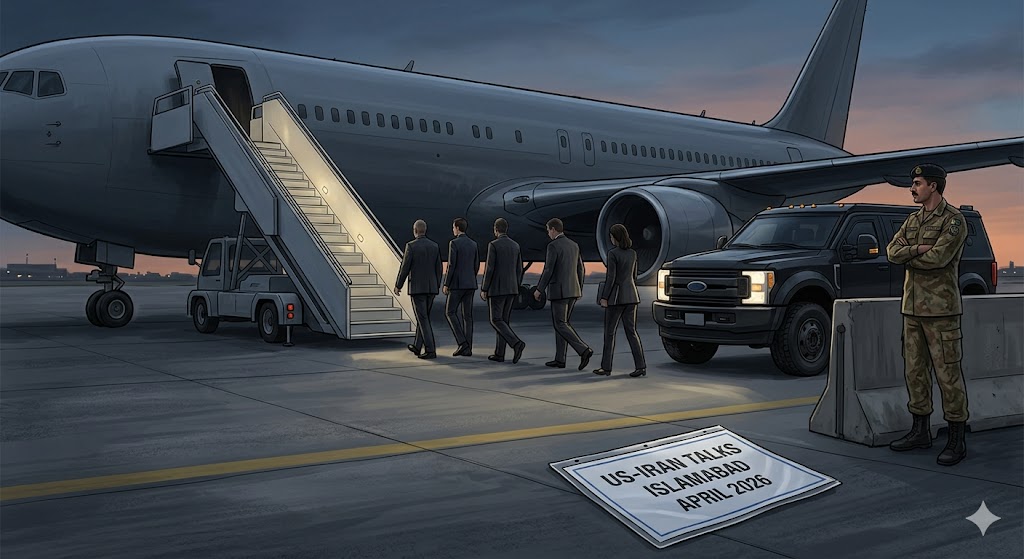
The arrival logistics for US envoys Steve Witkoff and Jared Kushner were already in motion on the Islamabad tarmac (April 2026) when President Trump abruptly cancelled their mission, forcing an advance team to somberly turn back.
In a swift and characteristic response, President Trump announced via social media and statements to reporters that he had instructed Witkoff and Kushner not to proceed with the journey. He cited practical reasons—long travel times and the perceived lack of progress—but also pointed to dissatisfaction with Iran’s negotiating posture.
Trump stated: “I just cancelled the trip of my representatives going to Islamabad, Pakistan, to meet with the Iranians. Too much time wasted on traveling, too much work!” He added that if Iran wanted to talk, “they can call us anytime,” emphasizing that “we have all the cards.”
Shortly after the cancellation, Trump claimed that Iran submitted a revised, “much better” proposal within minutes. However, he described it as still insufficient. The president insisted the move did not signal a return to active hostilities, maintaining that the ceasefire remained in place for now.
This decision reflected a broader pattern in Trump’s approach: a preference for direct, high-leverage communication over prolonged multilateral shuttling when results appear elusive.
Trump’s Strategic Calculus: Strength, Leadership, and Negotiation Tactics
From a political and critical perspective, Trump’s cancellation appears rooted in several interconnected factors. First, he views Iran as not yet ready to accept terms that align with US interests—terms he describes as “fair and reasonable.” Analysts note that the administration seeks concessions on nuclear issues, regional proxies, and security guarantees that Tehran has so far resisted.
Second, the move underscores Trump’s emphasis on dominant leadership. By refusing to send high-level envoys on what he called an unproductive 18-hour flight, he signals that the United States will not chase negotiations indefinitely. “We have all the cards,” he repeatedly asserts, projecting strength and patience while keeping the door open for direct contact.
Observers describe this as smart, calculated diplomacy. Rather than appearing eager or desperate, Trump positions America in a position of advantage, forcing the other side to initiate or improve offers. It also avoids the optics of prolonged talks yielding little, which could be politically costly domestically.
Critics argue the abrupt shift risks undermining Pakistan’s mediation efforts and prolonging uncertainty. Supporters counter that it prevents wasteful diplomacy and maintains pressure for a genuinely beneficial deal. Trump has balanced threats of resumed action with openness to dialogue, a dual track that has defined much of his foreign policy style.
Current War Situation: Fragile Ceasefire Amid Lingering Tensions
As of April 26, 2026, the US-Iran ceasefire holds, though it remains tenuous. The conflict, spanning roughly two months, has involved strikes on Iranian nuclear and military sites, naval incidents in the Strait of Hormuz, and broader regional ripple effects involving Israel and other actors.
Global oil prices have shown volatility due to threats to shipping lanes. Humanitarian concerns persist, with calls from international quarters for a durable resolution to prevent further escalation.
Pakistan continues to express commitment as a mediator. Prime Minister Sharif reiterated that his country stands ready to facilitate honest dialogue. However, with the Iranian delegation having left and US envoys grounded, the immediate path forward appears to rely on telephone or backchannel communications rather than in-person summits in Islamabad.
The situation remains fluid. Trump has indicated willingness to engage if Iran presents a stronger proposal, while Iranian officials continue to assess US seriousness. No immediate resumption of hostilities has been announced, but both sides retain military options on standby.
Implications for US-Pakistan Relations and Regional Stability
Pakistan’s role as mediator has bolstered its diplomatic profile, even as it navigates complex relationships with major powers. Successful facilitation could strengthen ties with the Trump administration, while failure might test those bonds.
For the broader Middle East, stalled talks raise questions about long-term stability. A comprehensive deal would need to address not only bilateral US-Iran issues but also wider concerns involving nuclear non-proliferation, proxy militias, and energy security.
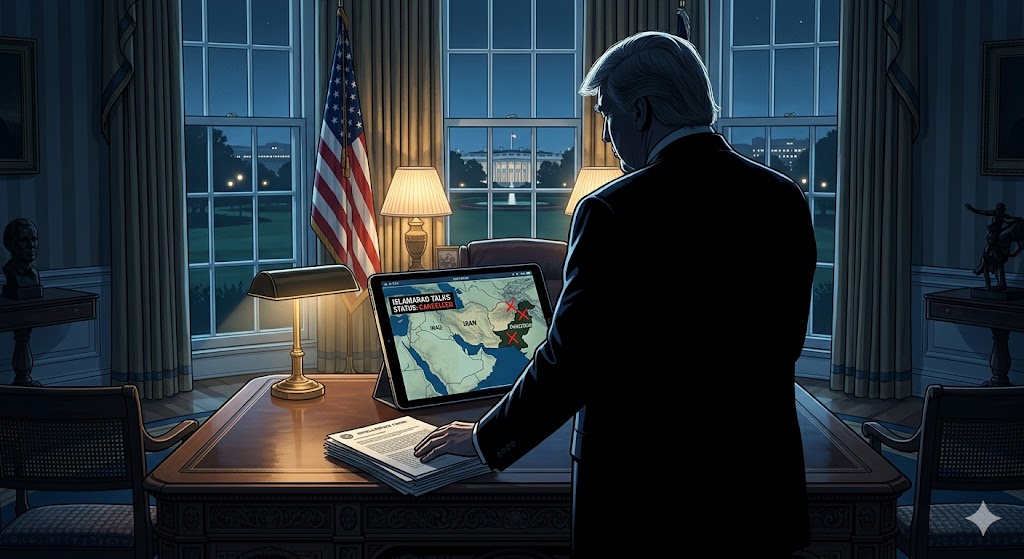
President Trump, viewing the stalled diplomatic progress on a secure tablet from the Oval Office, decides to cancel the mission to Islamabad, reinforcing his stance that "we have all the cards."
Looking Ahead: What’s Next in US-Iran Diplomacy?
The cancellation marks a setback but not necessarily an endpoint. Trump’s insistence that Iran can “call anytime” leaves a direct line open. Future developments may hinge on revised proposals, internal Iranian politics, and external pressures from regional allies.
Pakistan is likely to remain engaged, urging both sides toward compromise. International observers will watch closely for any signs of resumed military activity or renewed diplomatic momentum.
In this high-stakes environment, Trump’s blend of assertiveness and pragmatism continues to shape the narrative. Whether this leads to a stronger deal or prolonged stalemate remains to be seen, but the latest events in Islamabad illustrate the delicate balance required in modern great-power negotiations.