Earth Day 22 April 2026: Celebrating Our Blue Planet
News• April 24, 2026• Global Edition
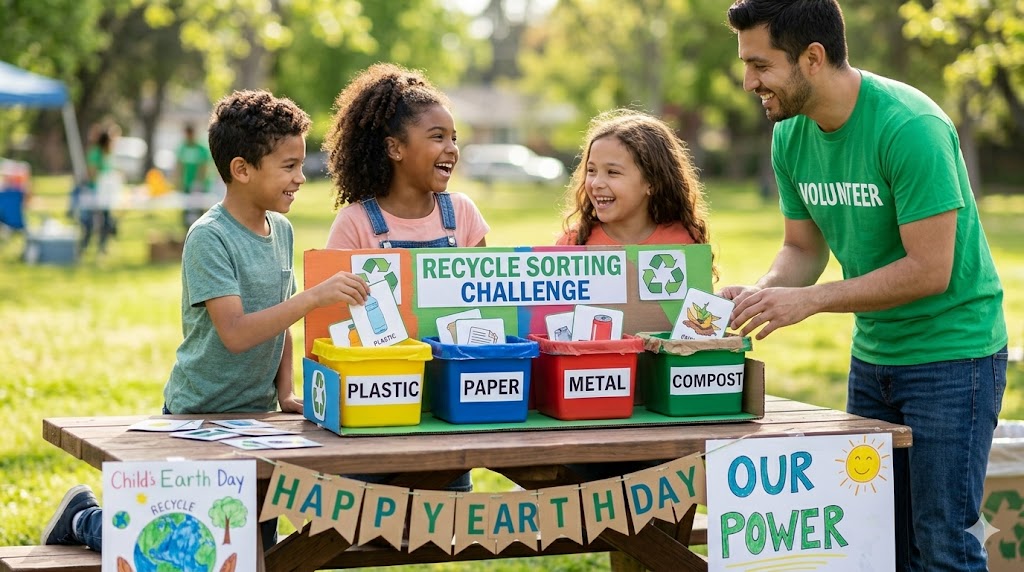
Every year on April 22, people around the world pause to honor our shared home. Earth Day serves as a powerful reminder of the beauty and fragility of our planet. In 2026, this annual observance falls on a Wednesday, continuing a tradition that began over five decades ago. With the official theme "Our Power, Our Planet," the focus shifts to the collective strength of individuals, communities, and everyday actions that drive meaningful environmental change.
This day is not just about celebration; it is a call to reflection and responsibility. From massive rallies in its early years to today's global events involving over a billion participants across 193 countries, Earth Day has evolved into one of the largest secular movements worldwide. Whether you are searching for Earth Day ideas, songs, or lessons for kids, this guide offers practical insights to make your observance impactful and memorable.
Earth Day is an annual global event dedicated to raising awareness about environmental protection, sustainability, and the urgent need to address issues like climate change, pollution, and biodiversity loss. It encourages education, activism, and simple lifestyle changes that contribute to a healthier planet.
The date remains fixed: April 22 each year. In 2026, Earth Day falls on Wednesday, April 22. Many communities extend celebrations into Earth Week, with major activities often beginning on Saturday, April 18, to accommodate families, students, and working professionals.
The question "When is Earth Day?" frequently arises because the observance aligns with spring in the Northern Hemisphere, symbolizing renewal and growth. "What is Earth Day?" at its core is a platform for uniting people in support of environmental stewardship—no single government or policy holds all the power; instead, it lies in our hands.
The History of Earth Day
The roots of Earth Day trace back to the late 1960s, a time of growing public concern over pollution and environmental degradation in the United States. A massive oil spill off the coast of Santa Barbara in 1969 served as a wake-up call, highlighting the devastating effects of industrial activity on air, water, and wildlife.
U.S. Senator Gaylord Nelson from Wisconsin, inspired by the anti-Vietnam War teach-ins on college campuses, proposed a nationwide environmental teach-in. He recruited young activist Denis Hayes as national coordinator, and together with Republican Congressman Pete McCloskey, they organized the first Earth Day on April 22, 1970. The date was chosen strategically—between spring break and final exams—to maximize student participation.
On that historic day, approximately 20 million Americans took to the streets, parks, and auditoriums for rallies, cleanups, and educational events. The response was overwhelming and led to significant policy changes, including the creation of the U.S. Environmental Protection Agency (EPA) later that year, followed by key legislation like the Clean Air Act and Clean Water Act.
By 1990, Earth Day had gone global, with participation from over 140 countries. Today, it mobilizes more than one billion people annually. The movement's founder, Senator Nelson, envisioned it as a way to force environmental issues onto the national agenda—and it succeeded beyond expectations.
For context on recent observances, Earth Day 2023 centered on the theme "Invest in Our Planet," emphasizing restoration and financial commitment to green initiatives. Events included community cleanups, educational programs, and calls for ending fossil fuel dependence.
Earth Day Activities for Kids
Earth Day 2026 Theme: Our Power, Our Planet
The 2026 theme, "Our Power, Our Planet," underscores a vital message: environmental progress depends on the daily actions of ordinary people, not solely on governments or elections. It builds on previous years by highlighting community-driven solutions, renewable energy transitions, and civic engagement.
This theme encourages individuals to recognize their influence—whether through voting, supporting clean energy, participating in local cleanups, or educating others. It reflects the idea that "one billion hands make light work." Activities during Earth Week 2026 will focus on clean air, clean water, protected resources, and climate stability, with events starting as early as April 18.
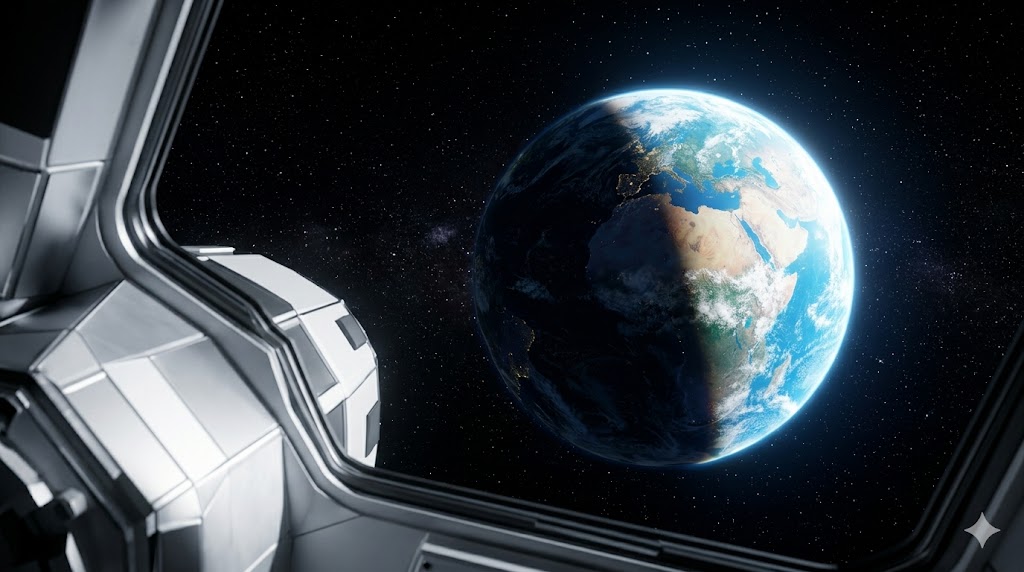
NASA marked the occasion by sharing previously unseen images from the Artemis II mission, offering breathtaking views of Earth from deep space. These photos, including striking images of the planet's terminator line and auroras, serve as a poignant reminder of our planet's uniqueness and the importance of protecting it.
Happy Earth Day: Fun Facts to Inspire Action
Here are some engaging Earth Day fun facts to share with family and friends:
- The first Earth Day in 1970 helped spark the modern environmental movement and led directly to the establishment of the EPA.
- Over 20 million Americans participated in the inaugural event—more than attending the first moon landing broadcast.
- Earth Day is now celebrated in more than 193 countries, making it the world's largest secular observance.
- Before 1970, there were no comprehensive federal laws in the U.S. regulating air and water pollution in the way we know today.
- More than 100 countries have implemented bans or restrictions on single-use plastic bags to combat ocean pollution.
- The planet's biodiversity is astonishing: Earth hosts millions of species, many still undiscovered, underscoring why conservation matters.
These facts highlight both progress and the ongoing work needed. "Earth Day everyday" is the ideal mindset—small, consistent actions compound over time.
Earth Day for Kids: Songs, Stories, Games, and Lessons
Making Earth Day engaging for children ensures the message resonates across generations. Popular resources include:
Earth Day Songs:
- Blippi's "Earth Day Song" celebrates animals, plants, and caring for the planet with catchy lyrics and visuals perfect for young learners.
- Sesame Street features Elmo in fun Earth Day songs that cover recycling, gardening, and nature appreciation. Titles like "Happy Earth Day" with Elmo and friends teach simple lessons through music and puppetry.
Earth Day Stories and Books:
- "It's Earth Day" by Mercer Mayer follows Little Critter on an eco-friendly adventure.
- Classic recommendations include Dr. Seuss's "The Lorax," Todd Parr's "The EARTH Book," and newer titles focused on activism and wonder at nature.
- Animated read-alouds of stories like "Earth Yay!" or "How the Crayons Saved the Earth" makes learning interactive.
Games, Puzzles, and Activities:
- Recycling sorting games, Earth Day puzzles, and spot-the-difference challenges help kids understand waste reduction.
- Hands-on projects include planting seeds, creating art from recycled materials, or simple science experiments on pollution and clean water.
- Earth Day lessons for classrooms often cover topics like the water cycle, biodiversity, and personal actions such as turning off lights or using reusable bags.
Blippi and Elmo Earth Day Content:
Educational videos from Blippi and Elmo combine fun with facts, making concepts like conservation accessible. Search for "Blippi Earth Day" or "Elmo Earth Day song" on trusted platforms for age-appropriate material.
Parents and teachers can incorporate Earth Day dance parties with nature-themed music or organize a backyard scavenger hunt for leaves, insects, and recyclable items.
Creative Earth Day Ideas and Activities
Looking for inspiration? Here are practical Earth Day ideas suitable for individuals, families, schools, and communities:
- Outdoor Events: Join or organize an Earth Day run, 5K walk, or "Earth Day chase" fun run. Many locations host Earth Day People Chase runs or bee-themed events combined with river cleanups.
- Creative Expressions: Host an Earth Day dance cleanup or flash mob. Create art installations from recycled materials or organize a community mural project.
- Service Projects: Participate in beach or park cleanups, tree planting drives, or neighborhood recycling initiatives.
- Educational Outings: Visit local nature centers, zoos, or botanical gardens. NASA resources and virtual tours of Earth from space add a modern twist.
- Home-Based Actions: Start a compost bin, reduce plastic use, or switch to energy-efficient habits. Turn it into a family challenge for "Earth Day everyday."
- Special Events: Look for Earth Day special programs, festivals with live music, animal encounters, and vendor booths promoting sustainable products.
For schools, Earth Day lessons can integrate science, art, and social studies. Projects might include building bird feeders or designing posters with messages like "Happy Earth Day" or "Protect Our Planet."
Earth Day Projects and NASA’s Contribution
NASA plays a significant role in Earth observation and shares stunning imagery that inspires awe and action. In 2026, the agency released new photos from the Artemis II mission, capturing Earth in unprecedented detail during the crewed flight around the Moon. These "unseen images of Earth" highlight the planet's delicate atmosphere and vast oceans, reminding us why space-based monitoring is crucial for tracking climate patterns and environmental changes.
Individuals can undertake simple projects like creating a home weather station, mapping local green spaces, or researching renewable energy options. Schools often partner with NASA educational resources for lessons on Earth science.
How to Celebrate Earth Day in 2026
Celebration looks different for everyone, but the goal remains the same: take action.
1. Attend a local event—search for Earth Day runs, festivals, or cleanups in your area.
2. Watch educational videos, including Blippi Earth Day or Elmo specials, with children.
3. Read an Earth Day book or story together as a family.
4. Complete a service project, such as a neighborhood cleanup or planting native flowers.
5. Share your efforts on social media with hashtags like #EarthDay2026 or #OurPowerOurPlanet to inspire others.
6. Commit to ongoing habits: reduce, reuse, recycle, and advocate for policies supporting sustainability.
Remember the words often associated with the day: "It's Earth Day"—a simple yet profound statement that every small effort counts.
Deep Space Inspiration (NASA Artemis View)
Conclusion: Making Earth Day Everyday
Earth Day 2026 with the theme "Our Power, Our Planet" reminds us that the future of our environment rests in collective hands. From its humble beginnings in 1970 to today's global movement, this observance has driven real change. Yet the work continues.
Whether through joyful songs, engaging games for kids, thoughtful lessons, or hands-on projects, each of us can contribute. Let this April 22 be the start of renewed commitment—not just for one day, but for every day.
By choosing reusable items, supporting clean energy, protecting natural spaces, and teaching the next generation, we honor the planet that sustains us all. Happy Earth Day—let's make our power count for a thriving Earth.
Frequently Asked Questions
What is the primary significance of Earth Day 22 April 2026: Celebrating Our Blue Planet?
Every year on April 22, people around the world pause to honor our shared home. Earth Day serves as a powerful reminder of the beauty and fragility of our planet.
How does this development impact News?
In 2026, this annual observance falls on a Wednesday, continuing a tradition that began over five decades ago. With the official theme "Our Power, Our Planet," the focus shifts to the collective strength of individuals, communities, and everyday actions that drive meaningful environmental change.This day is not just about celebration; it is a call to reflection and responsibility.
What are the key future projections to monitor?
From massive rallies in its early years to today's global events involving over a billion participants across 193 countries, Earth Day has evolved into one of the largest secular movements worldwide.