Trump Warns Iran: US to Shoot Boats in Strait of Hormuz
International Affairs• April 23, 2026• Global Edition
On April 23, 2026, President Donald Trump issued a stark Trump warning Iran through a social media post, directing the United States Navy to “shoot and kill” any Iranian boats laying mines in the Strait of Hormuz. The statement underscored America's determination to maintain open navigation in one of the world's most critical waterways, while asserting that the US holds full control over operations in the region.
This latest escalation comes amid a fragile ceasefire between the United States and Iran, extended indefinitely by the president just days earlier to allow for further diplomatic discussions. Tensions in the Strait of Hormuz have simmered for weeks, with reports of Iranian vessels attempting to disrupt shipping, lay mines, and challenge US-led efforts to ensure freedom of navigation.
The Trump Iran warning highlights the strategic importance of the strait, through which approximately one-fifth of global oil supplies pass. Any disruption here carries significant implications for energy markets, international trade, and regional stability. As breaking news continues to unfold, this development reflects the complex interplay of military posturing, diplomatic maneuvering, and economic pressures in the ongoing US-Iran standoff.
This article examines the context behind today's presidential statement, the broader Trump Iran war dynamics, recent incidents involving ships in the strait, and potential implications for global security. We provide a balanced overview based on reported events, offering insights into how these developments may shape future relations between Washington and Tehran.
Background: The Strategic Importance of the Strait of Hormuz
The Strait of Hormuz serves as a narrow chokepoint connecting the Persian Gulf to the Gulf of Oman. Its geographic position makes it vital for the export of oil from major producers including Saudi Arabia, Iraq, the United Arab Emirates, and Iran itself. Disruptions in this waterway have historically triggered spikes in global energy prices and heightened geopolitical risks.
In recent months, Iran has been accused of restricting access, laying mines, and interfering with commercial vessels as part of broader regional tensions. The United States, in response, has maintained a strong naval presence to protect international shipping and counter what it describes as Iranian aggression.
President Trump's latest directive builds upon earlier actions, including the imposition of a naval blockade on Iranian ports and the interception of vessels suspected of violating sanctions or attempting to bypass restrictions. These measures form part of a strategy aimed at pressuring Tehran to reopen the strait fully and engage constructively in peace negotiations.
The US military warning Iran aligns with longstanding American policy of ensuring freedom of navigation under international law. By asserting operational dominance, the administration seeks to deter provocative actions while signaling resolve to allies and adversaries alike.
Trump's April 23 Statement: Key Details and Implications
In his April 23 social media post, President Trump stated clearly: “I have ordered the United States Navy to shoot and kill any boat, small boats though they may be... that is putting mines in the waters of the Strait of Hormuz. There is no hesitation.”
He further emphasized intensified mine-clearing operations, directing that these activities proceed at a “tripled up level.” The president claimed the US now exercises full control over the strait, noting that Iran's larger naval assets had been significantly degraded in prior engagements.
This Trump's warning to Iran comes against the backdrop of recent incidents. Reports indicate Iranian forces fired on or seized multiple vessels in the strait in the preceding days, actions the US has condemned as destabilizing. In one notable case, American forces seized an Iranian-flagged cargo ship that allegedly attempted to breach the naval blockade, following repeated warnings.
The statement reflects a firm stance on maritime security. By authorizing lethal force against vessels actively laying mines, the administration aims to prevent further attempts to “choke” traffic through the waterway. Officials have stressed that the order targets specific threatening behavior rather than all Iranian maritime activity.
Analysts note that such directives carry risks of miscalculation, particularly in a crowded and strategically sensitive area. However, supporters argue that clear rules of engagement are essential to deter escalation and protect commercial shipping.
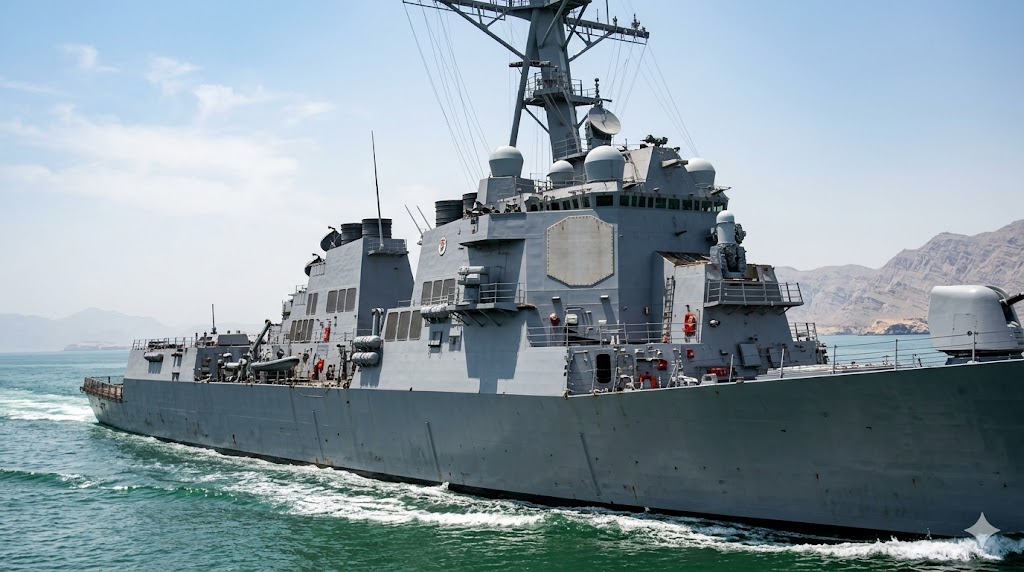
A US Navy destroyer conducts routine patrols in the Strait of Hormuz, maintaining a high state of readiness following President Trump's directive to counter mine-laying activities.
The Fragile Ceasefire and Extended Diplomatic Efforts
Just prior to the April 23 warning, President Trump announced an indefinite extension of the ceasefire with Iran. This decision followed requests from mediators, including Pakistan, and was intended to provide Tehran additional time to formulate a unified proposal for ending hostilities.
Despite the extension, the US has maintained its naval blockade and continued mine-sweeping operations. White House officials have clarified that the ceasefire does not preclude defensive or protective measures in international waters.
Peace talks, previously hosted in Pakistan, remain stalled. Iran has expressed reluctance to participate while the blockade persists, describing it as a violation of the spirit of de-escalation. Meanwhile, the US maintains that economic and military pressure remains necessary until Tehran demonstrates genuine commitment to reopening the strait and addressing broader security concerns.
The Iran retaliation warning from Tehran has been consistent, with officials vowing a “strong and forceful response” to any perceived aggression. Yet, reports suggest internal divisions within Iran's leadership may be complicating its negotiating position.
This delicate balance between military readiness and diplomatic outreach defines the current phase of US-Iran relations. The president's remarks today reinforce America's willingness to protect its interests while leaving room for a negotiated resolution.
Recent Incidents Involving Ships in the Strait
The past week has seen several high-profile maritime incidents that precipitated today's Trump speech Iran related developments:
- Iranian Revolutionary Guard forces reportedly fired on at least three vessels and seized others in the strait, actions attributed to frustration over the ongoing US blockade.
- US Navy assets intercepted and boarded an Iranian-flagged tanker suspected of sanctions violations, disabling its engine room after ignored warnings.
- Mine-laying attempts by small Iranian boats have prompted accelerated US mine-clearing missions, with naval forces operating under heightened alert.
These events have disrupted global shipping routes, contributing to volatility in oil prices and raising concerns among energy-importing nations. International partners, including the United Kingdom and France, have voiced support for efforts to restore freedom of navigation.
The Trump Iran strike rhetoric, while forceful, appears calibrated to address immediate threats rather than signal an all-out resumption of broader conflict. Still, the potential for rapid escalation remains a focal point for observers monitoring the region.
Broader Context of US-Iran Tensions
The current situation stems from a longer pattern of confrontation dating back to the escalation of hostilities earlier in 2026. Key issues include Iran's nuclear program, support for regional proxies, and repeated threats to close the Strait of Hormuz in response to sanctions and military pressure.
President Trump's approach combines maximum economic pressure with targeted military actions and intermittent diplomatic openings. His statements often blend tough language with offers of “fair and reasonable” deals, a style that has characterized his foreign policy.
Critics argue that such unpredictability risks unintended consequences, while proponents credit it with achieving tangible setbacks to Iranian military capabilities. The degradation of Iran's navy, as referenced in recent remarks, illustrates the impact of sustained US operations.
Global reactions have been mixed. Allies in the Gulf have welcomed measures to secure shipping lanes, while others caution against actions that could inflame the wider Middle East. The involvement of third-party mediators underscores the international stakes involved.
Potential Implications for Regional Stability and Global Economy
The Trump nuclear warning elements, though not central to today's statement, linger in the background given longstanding concerns over Iran's nuclear ambitions. Any further deterioration in the strait could compound these worries and prompt renewed calls for stricter international oversight.
Economically, prolonged instability in the Strait of Hormuz threatens supply chains far beyond the region. Higher oil prices could fuel inflation and slow growth in consuming nations. Insurance costs for shipping have already risen, with some companies rerouting vessels at considerable expense.
On the security front, a misstep involving Iranian small boats or US mine sweepers could spark direct confrontation. Both sides have incentives to avoid full-scale resumption of hostilities, yet domestic political pressures may limit flexibility.
Looking ahead, the coming days will likely feature continued diplomatic activity alongside naval operations. Analysts will watch closely for any Iranian response to the latest warning and whether Tehran puts forward the expected proposal.
For the international community, the situation serves as a reminder of the fragility of maritime security in critical chokepoints. Multilateral efforts to de-escalate and establish clear norms for navigation could play a constructive role moving forward.
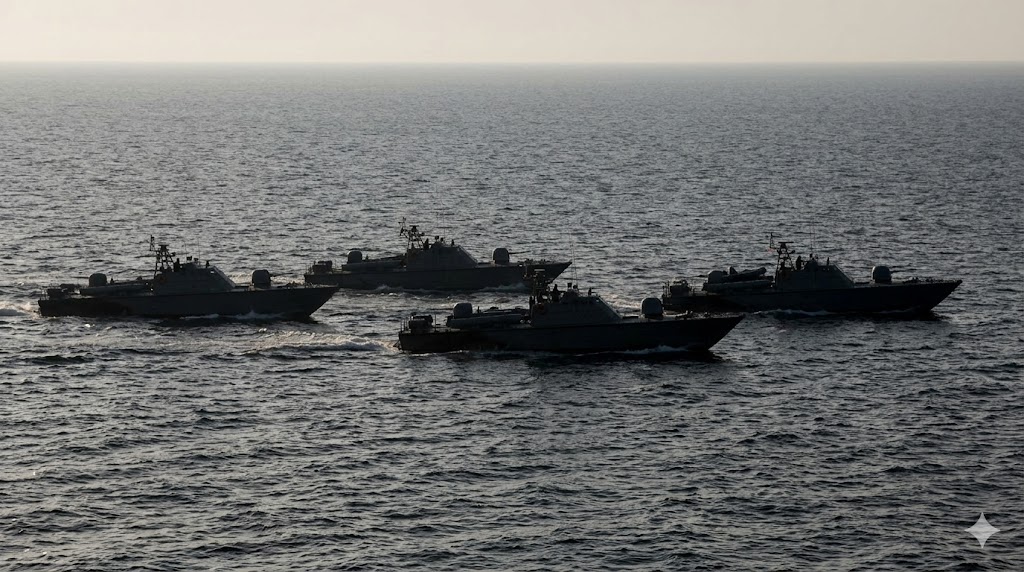
Small fast-attack craft maneuvering in formation. President Trump's April 23 warning specifically authorized US forces to engage such vessels if they are detected laying mines in critical shipping lanes.
Conclusion
President Trump's April 23 directive to engage Iranian boats laying mines in the Strait of Hormuz represents a significant Trump warning Iran amid ongoing efforts to secure this vital waterway. By claiming US full control and authorizing decisive action, the statement aims to deter disruption while the ceasefire remains in place.
As breaking news develops, the world watches to see whether this firm posture will encourage diplomatic progress or lead to further tension. The stakes extend well beyond the Persian Gulf, touching energy security, international trade, and the broader balance of power in the Middle East.
While the path to lasting resolution remains uncertain, today's events underscore the enduring importance of the Strait of Hormuz and the determination of the United States to protect freedom of navigation. Continued monitoring of official statements and on-the-ground developments will be essential for understanding the next chapter in this complex geopolitical story.
Frequently Asked Questions
What is the primary significance of Trump Warns Iran: US to Shoot Boats in Strait of Hormuz?
On April 23, 2026, President Donald Trump issued a stark Trump warning Iran through a social media post, directing the United States Navy to “shoot and kill” any Iranian boats laying mines in the Strait of Hormuz. The statement underscored America's determination to maintain open navigation in one of the world's most critical waterways, while asserting that the US holds full control over operations in the region.This latest escalation comes amid a fragile ceasefire between the United States and Iran, extended indefinitely by the president just days earlier to allow for further diplomatic discussions.
How does this development impact International Affairs?
Tensions in the Strait of Hormuz have simmered for weeks, with reports of Iranian vessels attempting to disrupt shipping, lay mines, and challenge US-led efforts to ensure freedom of navigation.The Trump Iran warning highlights the strategic importance of the strait, through which approximately one-fifth of global oil supplies pass. Any disruption here carries significant implications for energy markets, international trade, and regional stability.
What are the key future projections to monitor?
As breaking news continues to unfold, this development reflects the complex interplay of military posturing, diplomatic maneuvering, and economic pressures in the ongoing US-Iran standoff.This article examines the context behind today's presidential statement, the broader Trump Iran war dynamics, recent incidents involving ships in the strait, and potential implications for global security.