US-Iran War 2026: Updates, Ceasefire & Global Impact
International Affairs• April 23, 2026• Global Edition
The US-Iran war of 2026 has emerged as one of the most significant geopolitical conflicts of the decade, reshaping alliances, energy markets, and international diplomacy. What began as targeted airstrikes on February 28, 2026, quickly escalated into a broader confrontation involving the United States, Israel, and Iran, with ripple effects across the Middle East and beyond.
As of April 23, 2026, a fragile ceasefire brokered earlier in the month remains in place but under severe strain. Recent incidents in the Strait of Hormuz, including Iranian attacks on ships, have heightened concerns about renewed hostilities. President Donald Trump has extended the ceasefire indefinitely while maintaining a US naval blockade on Iranian ports, signaling a mix of diplomatic flexibility and military pressure.
This article provides a comprehensive, balanced overview of the conflict's timeline, key developments, political dimensions, and global reactions. It addresses common search queries such as US Iran war live updates, us iran war news, and questions surrounding the role of Israel and China.
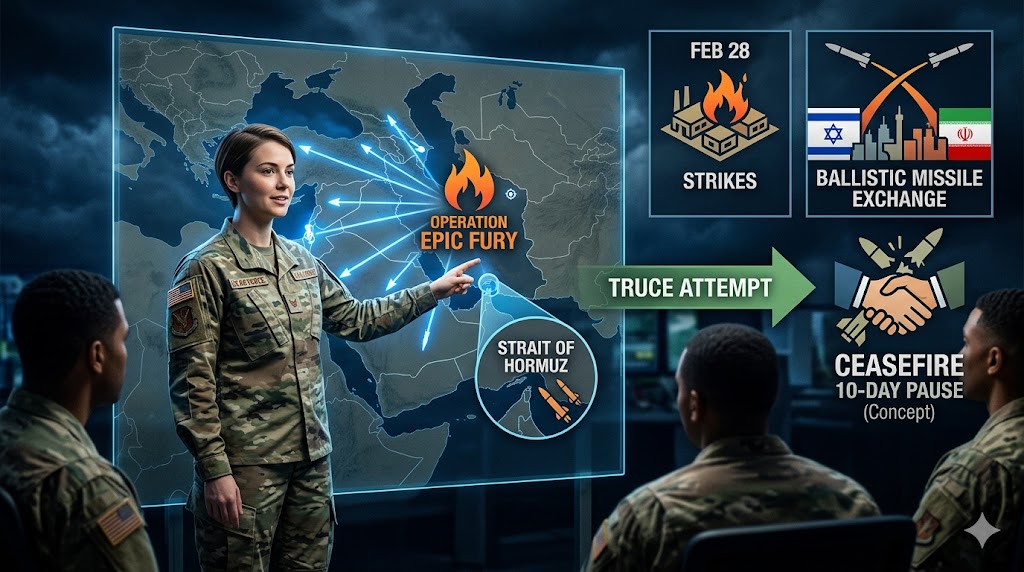
The conflict ignited on February 28, 2026, when US and Israeli forces launched Operation Epic Fury. Nearly 900 strikes targeted Iranian military sites, missile facilities, air defenses, and leadership compounds in a single day. The operation resulted in the death of Supreme Leader Ali Khamenei and several senior officials, marking a dramatic escalation aimed at neutralizing perceived nuclear and regional threats.
Iran responded with waves of ballistic missiles and drones aimed at Israel, US bases, and Gulf states. The exchanges caused significant casualties and infrastructure damage on multiple sides. Disruptions in the Strait of Hormuz—a critical chokepoint for global oil shipments—led to sharp spikes in energy prices and supply concerns worldwide.
By early April, after weeks of intense fighting, Pakistan-mediated talks led to a two-week ceasefire announced around April 7-8. Iran agreed to allow safer passage through the Strait of Hormuz in exchange for a pause in US and Israeli strikes. However, implementation proved challenging. Iran accused the US of maintaining a blockade, while Washington insisted on verifiable reopening of maritime routes.
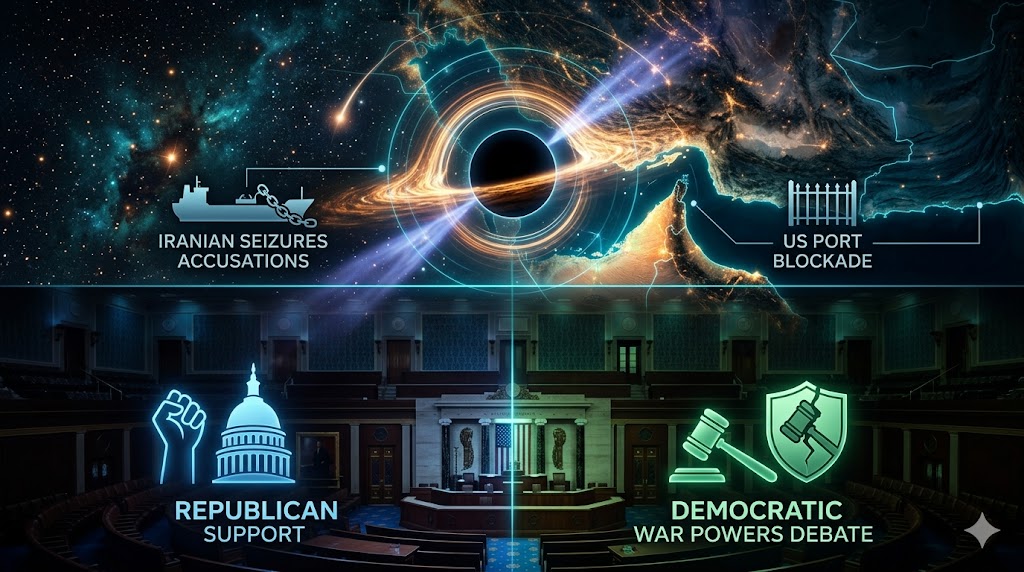
As the initial ceasefire deadline approached in mid-April, President Trump extended it, citing the need for Iran to submit a unified proposal. On April 21-22, he announced an indefinite extension, even as Iran conducted military parades in Tehran and seized vessels in the Strait of Hormuz in retaliation for the ongoing blockade.
Recent live developments (as of April 23) include:
- Iranian forces firing on three ships and escorting two to its coast, deepening confusion in the vital waterway.
- US Central Command reporting continued enforcement of the port blockade.
- Separate Israeli strikes in southern Lebanon amid efforts to extend a fragile truce with Hezbollah.
These events underscore the precarious nature of the pause, with both sides warning of readiness to resume operations if demands are unmet.
Current Status: Ceasefire Extension and Strait of Hormuz Tensions
The US-Iran ceasefire remains technically active but highly unstable. Trump has emphasized that the extension allows time for negotiations while the naval blockade persists to pressure Tehran. Iran has rejected further talks under current conditions, demanding the blockade's end before any substantive dialogue.
The Strait of Hormuz lies at the heart of the crisis. Iran has used control over this narrow passage—through which about 20% of global oil trade flows—as leverage. Attacks on commercial vessels and seizures have raised fears of a broader maritime conflict, affecting energy supplies and increasing shipping insurance costs.
US officials describe the blockade as necessary to prevent Iranian-linked vessels from evading sanctions and supporting military efforts. Meanwhile, Iran views it as an act of aggression that justifies defensive measures. International law experts question the legality of both actions, highlighting risks to neutral shipping.
For those searching US Iran war live or Iran war today, the situation evolves rapidly. No full-scale resumption of aerial campaigns has occurred, but localized incidents and diplomatic maneuvering continue.
The Timeline from Operation Epic Fury to the Truce
Trump's Role and Statements in the Iran Crisis
President Trump's approach has combined bold military action with unpredictable rhetoric. Early in the conflict, he described operations as essential to eliminate threats from a "radical dictatorship" and vowed to prevent Iran from acquiring nuclear weapons. Statements ranged from claiming the Iranian army was "neutralized" to warnings that failure to reach a deal could mean Iran being sent "back to the stone ages."
More recently, Trump has signaled optimism about a potential agreement while maintaining pressure. In late April 2026 interviews and posts, he indicated the ceasefire could lead to a "fair and reasonable deal" but stressed that the blockade would remain until Iran complies. His extension of the truce reflects a strategic pause rather than de-escalation, keeping options open for stronger measures if needed.
Critics argue the messaging has created uncertainty, while supporters see it as effective leverage against a fractured Iranian leadership following the loss of key figures.
Israel’s Involvement in the US-Iran Conflict
Israel has played a central role alongside the US, conducting strikes on Iranian targets and Iranian-backed groups like Hezbollah in Lebanon. The conflict has intertwined with longstanding Israel-Iran tensions, including operations against Hezbollah positions in southern Lebanon.
Ceasefire efforts in Lebanon remain separate but linked, with trilateral talks involving the US, Israel, and Lebanon aiming to stabilize the border. Israeli strikes continue intermittently, drawing Iranian condemnation and complicating broader US-Iran negotiations.
The Israel US Iran war dynamic has amplified regional risks, with potential for spillover into wider proxy conflicts involving the Houthis and other actors.
Political Divide in the US: Congress and Public Opinion
The US Iran war has exposed deep political divisions at home. Democrats have repeatedly attempted to invoke the War Powers Resolution to limit or end US involvement, arguing the operation lacks congressional authorization. Senate Republicans have blocked these efforts multiple times, largely backing Trump's actions.
Recent votes, such as a 46-51 rejection of a resolution to halt hostilities, illustrate partisan lines. While most Republicans support the president, some express concerns about open-ended commitments and funding. Public opinion polls show roughly six in ten Americans opposing the war, citing its high costs, unclear long-term strategy, and limited explanation from the administration.
This US Congress divide on Iran war reflects broader debates about executive war powers, with implications for future conflicts.
China’s Stance on the US-Iran War
China has adopted a cautious, hands-off approach while calling for restraint and diplomacy. As Iran's major trading partner, Beijing faces economic risks from disrupted oil supplies and higher energy prices. Chinese officials have warned against escalation and emphasized the need for safe passage through the Strait of Hormuz, but they have avoided strong pressure on Tehran or direct mediation.
Analysts note that China views the conflict as a distraction for the US but also a source of global instability that harms its own interests. Beijing has proposed peace initiatives and maintained trade ties, yet it shows little appetite for deeper entanglement. Its muted response contrasts with vocal criticism from other quarters, positioning China as a proponent of multilateral solutions.
Global Impact and the Path Forward
The war has already caused thousands of deaths, millions displaced, and significant economic strain. Fuel prices have risen, air travel faces challenges, and reconstruction in affected areas will take years. The humanitarian toll, including civilian casualties from strikes, has drawn international concern.
For a sustainable resolution, key issues include Iran's nuclear program, missile capabilities, sanctions relief, and regional security arrangements. A lasting deal would likely require compromises on enriched uranium, verification mechanisms, and guarantees for safe maritime navigation.
As negotiations stall and incidents in the Strait of Hormuz persist, the risk of renewed fighting looms. Stakeholders must prioritize de-escalation to prevent broader regional or global fallout.
Accusations and Political Divides
Conclusion
The 2026 US-Iran war represents a complex interplay of security concerns, power projection, and diplomatic maneuvering. While the ceasefire provides a temporary breathing space, underlying tensions—exemplified by ongoing maritime disputes and political divisions—demand careful management.
Moving forward, inclusive dialogue involving regional and international actors offers the best hope for stability. The world watches closely as leaders balance military posturing with the urgent need for peace. Continued developments will shape not only the Middle East but also the broader international order in the years ahead.
Frequently Asked Questions
What is the primary significance of US-Iran War 2026: Updates, Ceasefire & Global Impact?
The US-Iran war of 2026 has emerged as one of the most significant geopolitical conflicts of the decade, reshaping alliances, energy markets, and international diplomacy. What began as targeted airstrikes on February 28, 2026, quickly escalated into a broader confrontation involving the United States, Israel, and Iran, with ripple effects across the Middle East and beyond.As of April 23, 2026, a fragile ceasefire brokered earlier in the month remains in place but under severe strain.
How does this development impact International Affairs?
Recent incidents in the Strait of Hormuz, including Iranian attacks on ships, have heightened concerns about renewed hostilities. President Donald Trump has extended the ceasefire indefinitely while maintaining a US naval blockade on Iranian ports, signaling a mix of diplomatic flexibility and military pressure.This article provides a comprehensive, balanced overview of the conflict's timeline, key developments, political dimensions, and global reactions.
What are the key future projections to monitor?
It addresses common search queries such as US Iran war live updates, us iran war news, and questions surrounding the role of Israel and China.Timeline of the 2026 Iran War: From Strikes to CeasefireThe conflict ignited on February 28, 2026, when US and Israeli forces launched Operation Epic Fury.