Israel Strikes on Lebanon: Journalist Killing & ceasefire
International Affairs• April 23, 2026• Global Edition
On April 22, 2026, an Israeli airstrike in the southern Lebanese village of al-Tiri claimed the life of Lebanese journalist Amal Khalil, a 43-year-old reporter for the Al-Akhbar newspaper. The strike, which also wounded a accompanying freelance photographer and killed at least four other civilians, marked one of the deadliest incidents since a fragile 10-day ceasefire took effect on April 16.
This event has intensified concerns over the stability of the truce, amid ongoing accusations by Israel that Hezbollah and Iran continue to threaten its security. The killing of a journalist covering the conflict has drawn widespread condemnation, raising questions about press freedom and the rules of engagement in a volatile region.
This article provides a professional, balanced analysis of the incident, its immediate context within the broader Israel-Lebanon tensions, the historical backdrop, and the potential implications for peace efforts. It addresses how such events affect Lebanese society and why Israel maintains its firm stance against halting operations entirely.
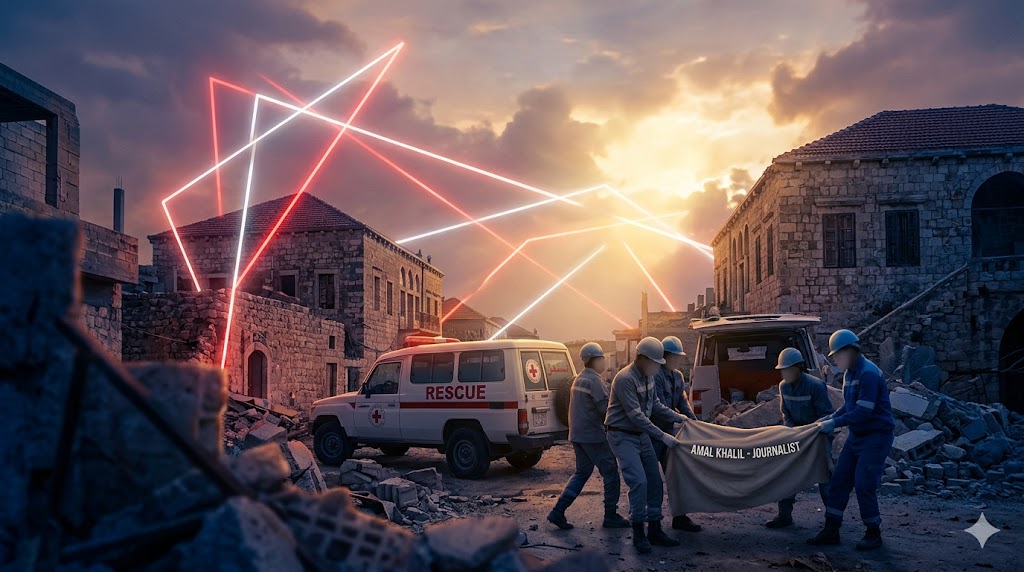
According to multiple reports, Amal Khalil and freelance photographer Zeinab Faraj were reporting in al-Tiri when an initial Israeli strike hit a vehicle ahead of them, killing two civilians. The journalists sought cover in a nearby house, which was subsequently struck in what some described as a "double-tap" attack.
Khalil's body remained trapped under rubble for several hours before rescue workers recovered it. Rescue teams reportedly came under fire during efforts to reach the site. The Lebanese Ministry of Health and National News Agency confirmed the deaths, bringing the day's toll to at least five people.
Al-Akhbar, a pro-Hezbollah affiliated daily, noted that Khalil had been covering Israeli demolitions of homes in areas where Israeli troops maintained positions inside Lebanon. Her work focused on the humanitarian and security situation in southern villages since the 2006 war.
The incident occurred amid a tenuous ceasefire framework, with both sides exchanging accusations. Lebanon viewed the strikes as violations, while Israeli officials maintained that operations targeted threats from Hezbollah infrastructure or militants.
This was not an isolated case. Reports indicate patterns of strikes in southern Lebanon, even during declared pauses, often justified by Israel as responses to perceived violations or to enforce security arrangements.
Immediate Impact on Lebanese People and Society
The killing of Amal Khalil has resonated deeply across Lebanon, a country already strained by years of economic crisis, political instability, and repeated conflicts.
Journalists and media organizations have expressed outrage, seeing the death as an attack on press freedom and the right to report from conflict zones. Khalil, a veteran reporter from southern Lebanon, symbolized local voices documenting the realities faced by border communities. Her loss amplifies fears that covering sensitive topics—such as Israeli military presence or home demolitions—carries lethal risks.
For ordinary Lebanese citizens, particularly in the south, the strikes reinforce a sense of vulnerability. Many families have endured displacement, destroyed homes, and loss of livelihoods. The incident comes shortly after people began returning to villages following the April 16 ceasefire announcement, only to face renewed violence.
Socially, it fuels anger and mistrust toward Israel, strengthening narratives of aggression among segments of the population sympathetic to Hezbollah or critical of external interventions. At the same time, it highlights internal divisions: some Lebanese leaders and citizens prioritize state sovereignty and disarmament efforts, while others see Hezbollah's role as central to resistance.
Humanitarian concerns have grown, with calls for independent investigations into civilian casualties and journalist deaths. The Committee to Protect Journalists and UN experts have previously raised alarms over patterns of media worker fatalities in the region, urging accountability.
Economically and psychologically, repeated incidents erode confidence in ceasefire durability, discouraging reconstruction and investment in affected areas. Families mourn not only loved ones but also shattered hopes for stability.
The Human Toll and Ceasefire Strains
Israel's Position: No Full Ceasefire and Accusations Against Lebanon and Iran
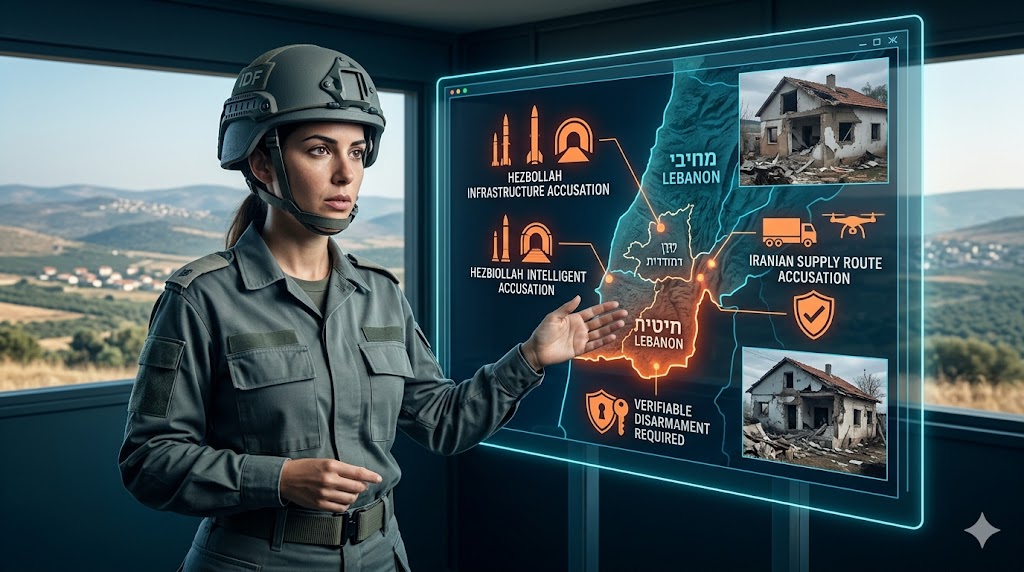
Israel has shown reluctance to commit to a complete halt in operations, emphasizing security imperatives. Officials argue that Hezbollah continues rearming and rebuilding capabilities south of the Litani River, in violation of previous agreements like UN Resolution 1701 and the 2024 cessation-of-hostilities framework.
Accusations extend to Iran, viewed as Hezbollah's primary backer. Israeli statements often link actions in Lebanon to broader regional threats, including Iran's influence and support for proxy groups. In the context of the wider 2026 Iran-related conflicts, Israel maintains that defensive measures remain necessary to prevent attacks on its territory or citizens.
The government has described targeted strikes as essential to neutralize immediate dangers, such as militant infrastructure or movements near the border. While acknowledging the April 16 truce as a step toward negotiations, Israel insists on verifiable disarmament and withdrawal of threats before any permanent cessation.
This stance reflects a long-held doctrine of proactive defense, prioritizing prevention over reactive pauses that could allow adversaries to regroup. Diplomatic talks, including those facilitated by the US or others, continue, but Israel conditions deeper engagement on concrete security guarantees.
Critics argue this approach risks escalation and civilian harm, while supporters see it as a necessary response to existential threats in a hostile neighborhood.
Historical Context: Israel-Lebanon Relations and Links to Current Issues
The current tensions cannot be separated from decades of intertwined history.
Israel and Lebanon have technically been in a state of war since 1948. Major flashpoints include Israel's 1978 and 1982 invasions of Lebanon, aimed at countering PLO threats, which led to prolonged occupation of southern Lebanon until 2000. The 2006 war, triggered by Hezbollah's cross-border raid, resulted in significant destruction and a UN-brokered ceasefire under Resolution 1701, which called for Hezbollah's disarmament south of the Litani and deployment of the Lebanese Armed Forces.
Subsequent years saw relative calm punctuated by incidents, with Israel conducting operations against what it described as Hezbollah arms buildup. The 2023-2024 Gaza-related escalation spilled over, with Hezbollah opening a "support front," leading to Israeli strikes and eventual ground operations in late 2024.
The November 2024 ceasefire aimed to restore calm but faced repeated violations. By early 2026, amid the broader US-Israel actions against Iran, Hezbollah responded with projectiles, prompting renewed Israeli campaigns starting in March 2026.
Today's dynamics echo past patterns: Israel seeks to degrade Hezbollah's military capacity and establish buffer zones or enforcement mechanisms, while Lebanon struggles with sovereignty, internal divisions, and external influences from Iran and Syria.
The killing of journalists and civilians in southern villages mirrors grievances from earlier conflicts, where border communities bore the brunt. Accusations of Iranian orchestration parallel long-standing Israeli concerns over Tehran's regional proxy network.
This historical continuity shapes Israeli skepticism toward ceasefires without ironclad enforcement, as past truces often allowed rearmament. For Lebanon, it underscores cycles of destruction that hinder development and national unity.
Broader Implications and the Path Forward
The death of Amal Khalil and associated civilian losses highlight the human cost of unresolved tensions. They risk undermining fragile diplomatic efforts, including talks for extending or solidifying the ceasefire.
International actors, including the US, UN, and regional mediators, face challenges in bridging gaps. Proposals for extended truces, full Israeli withdrawal from certain positions, and Lebanese army deployment coexist with demands for Hezbollah disarmament.
For Lebanese society, repeated incidents deepen trauma and polarization. They may strengthen calls for accountability or, conversely, bolster support for armed resistance narratives.
From Israel's perspective, sustaining pressure serves as leverage for long-term security arrangements. However, prolonged operations carry risks of wider escalation, international isolation, or domestic costs.
A sustainable resolution likely requires addressing root causes: border security, disarmament, Iranian influence, and mutual recognition of sovereignty. Without inclusive dialogue and verifiable commitments, cycles of violence risk repeating.
Accusations and Political Conflict
Conclusion
The April 22, 2026 Israeli strikes in southern Lebanon, resulting in the death of journalist Amal Khalil and other civilians, underscore the precarious nature of the current ceasefire. While Israel maintains its operations are necessary responses to threats from Hezbollah and backed by Iran, the human and societal impact on Lebanon is profound, eroding trust and complicating peace prospects.
Rooted in a complex history of invasions, wars, and fragile truces, the conflict reflects deep-seated security dilemmas. Moving beyond accusations toward enforceable agreements remains essential for both nations and the region.
As developments unfold, the international community watches closely, hoping that dialogue prevails over escalation. The loss of voices like Amal Khalil's serves as a somber reminder of the stakes involved in achieving lasting stability.
Frequently Asked Questions
What is the primary significance of Israel Strikes on Lebanon: Journalist Killing & ceasefire?
On April 22, 2026, an Israeli airstrike in the southern Lebanese village of al-Tiri claimed the life of Lebanese journalist Amal Khalil, a 43-year-old reporter for the Al-Akhbar newspaper. The strike, which also wounded a accompanying freelance photographer and killed at least four other civilians, marked one of the deadliest incidents since a fragile 10-day ceasefire took effect on April 16.This event has intensified concerns over the stability of the truce, amid ongoing accusations by Israel that Hezbollah and Iran continue to threaten its security.
How does this development impact International Affairs?
The killing of a journalist covering the conflict has drawn widespread condemnation, raising questions about press freedom and the rules of engagement in a volatile region.This article provides a professional, balanced analysis of the incident, its immediate context within the broader Israel-Lebanon tensions, the historical backdrop, and the potential implications for peace efforts. It addresses how such events affect Lebanese society and why Israel maintains its firm stance against halting operations entirely.The April 22 Incident: Details of the Airstrike and Journalist KillingAccording to multiple reports, Amal Khalil and freelance photographer Zeinab Faraj were reporting in al-Tiri when an initial Israeli strike hit a vehicle ahead of them, killing two civilians.
What are the key future projections to monitor?
The journalists sought cover in a nearby house, which was subsequently struck in what some described as a "double-tap" attack.Khalil's body remained trapped under rubble for several hours before rescue workers recovered it.