International Affairs• April 21, 2026• Global Edition
The 2026 US-Iran war has thrust the Middle East into one of its most volatile chapters in recent history. What began as targeted strikes by the United States and Israel on February 28 has evolved into a conflict marked by rapid escalation, fragile ceasefires, and widespread regional fallout. For the Gulf countries—Saudi Arabia, the United Arab Emirates, Qatar, Kuwait, Bahrain, and Oman—this war represents far more than a distant geopolitical clash. It has directly endangered their hard-won progress, exposing vulnerabilities in security, energy exports, and economic diversification.
As analysts note, the conflict’s “elastic” nature—its ability to stretch across military, economic, and political domains—has made it particularly dangerous. Iranian retaliation, including heavy missile and drone barrages aimed at Gulf targets, combined with disruptions to the Strait of Hormuz, has created a perfect storm. Estimates suggest Gulf economies could face setbacks equivalent to 15-16 years of development, forcing nations like Saudi Arabia to revisit foundational infrastructure projects and economic reforms. This article examines the war’s origins, its escalating risks, the profound impacts on Gulf countries, and potential pathways to recovery.
The conflict erupted on February 28, 2026, when US and Israeli forces launched nearly 900 strikes in a single day under Operation Epic Fury. These operations targeted Iranian military sites, air defenses, and leadership, resulting in the death of Supreme Leader Ali Khamenei and other senior figures. Israel’s involvement extended beyond conventional strikes, incorporating advanced drone technology such as Heron TP and Heron-1 UAVs for long-endurance intelligence, surveillance, and strike missions over Iranian territory. This technological edge amplified the war’s reach but also provoked swift Iranian retaliation across the region.
Iran responded with horizontal escalation, firing hundreds of missiles and thousands of drones not only at US and Israeli assets but disproportionately at Gulf installations—accounting for approximately 83 percent of its total strikes. The United Arab Emirates bore the brunt, followed by Saudi Arabia and other GCC members. A two-week ceasefire brokered in early April has held tenuously, complicated by ongoing US naval blockades and Iranian threats to control the Strait of Hormuz. This backdrop sets the stage for understanding why the war feels “stretchable”: each new incident risks reigniting full-scale hostilities, pulling in more actors and prolonging uncertainty.
The Escalating and Stretchable Dynamics of the Conflict
What makes the US-Iran war uniquely perilous is its elastic quality—its capacity to expand and contract in intensity while stretching economic and political consequences far beyond the battlefield. Iran’s strategy deliberately widened the theater of operations, targeting Gulf oil facilities, airports, and ports to impose costs on US allies. This approach transformed a bilateral confrontation into a regional crisis, with ripple effects on global energy markets.
Ceasefire talks in Pakistan have faltered amid disputes over the Hormuz Strait and port blockades. Iran has intermittently closed or tolled the waterway, which carries 20 percent of the world’s oil and significant liquefied natural gas (LNG) volumes. Such maneuvers demonstrate how the conflict can “stretch” into economic warfare, forcing Gulf countries into defensive postures even during lulls in direct fighting. The involvement of proxies, such as Hezbollah and the Houthis, further elongates the timeline, turning what might have been a short campaign into a protracted standoff with no clear end in sight.
For Gulf nations, this elasticity translates to persistent risk. Investors and businesses now view the region through a lens of heightened uncertainty, demanding higher premiums for capital deployment. The war’s ability to flare up unpredictably has undermined years of diplomatic efforts to position the Gulf as a stable hub for trade and tourism.
Direct Security Threats to Gulf Countries
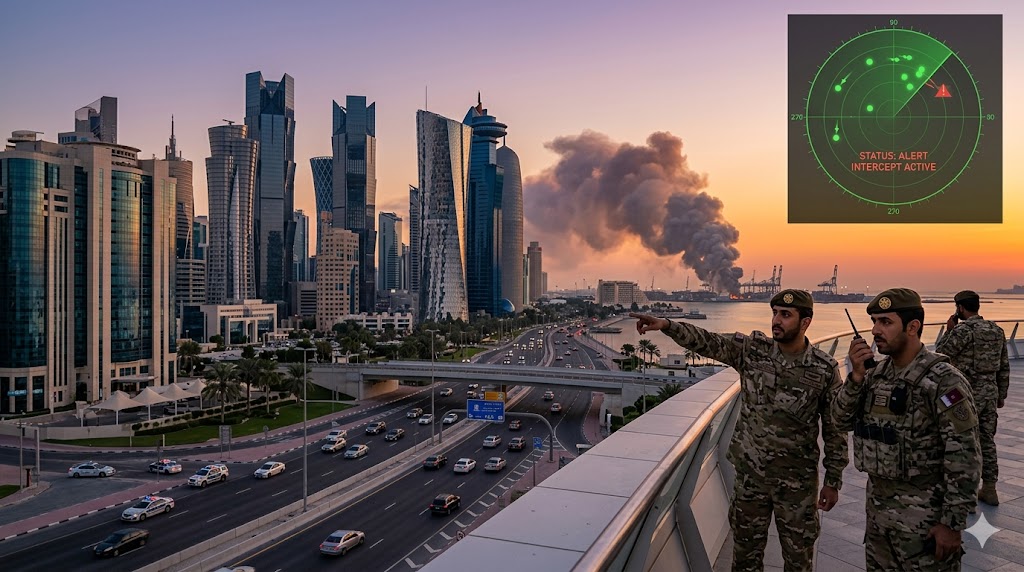
Gulf countries find themselves in the crossfire despite having no direct role in initiating the conflict. Iranian strikes have damaged key sites in the UAE, Saudi Arabia, Qatar, Kuwait, and Bahrain, including oil terminals, airports like Dubai International, and military bases hosting US forces. Dozens of casualties have been reported across the GCC, with infrastructure fires and debris from intercepted drones disrupting daily operations.
This exposure shatters the long-cultivated image of the Gulf as a safe haven. The UAE, in particular, has faced the highest volume of attacks, underscoring its strategic importance as a global logistics and financial center. Saudi Arabia has activated advanced air defenses, yet the sheer scale of incoming threats has strained resources. Smaller states like Bahrain and Kuwait have similarly contended with fallout, highlighting the interconnected vulnerabilities within the GCC.
The security paradox is stark: Gulf countries rely heavily on US protection, yet US-Israeli actions have invited retaliatory strikes that endanger civilian and economic targets. This dynamic has prompted urgent reevaluations of defense strategies, with calls for integrated regional air defense systems and diversified partnerships.
Vulnerable Infrastructure: A dramatic panoramic photograph captured at dusk looking across a modern Gulf city skyline like Doha
Economic and Developmental Setbacks: Reversing 15-16 Years of Progress
The human and financial toll of the US-Iran war has delivered a devastating blow to Gulf development agendas. Analysts estimate that the conflict has set back economic diversification efforts by 15 to 16 years in some cases, compelling countries to restart from earlier stages of infrastructure building and reform implementation. Saudi Arabia’s Vision 2030, which aimed to reduce oil dependence through tourism, entertainment, and non-energy sectors, now faces significant hurdles. Billions in planned investments are at risk as investor confidence wanes.
The UAE, a pioneer in post-oil economic transformation, has seen its reputation as a secure business destination eroded. Strikes on commercial hubs have disrupted supply chains, aviation, and tourism—sectors that drove double-digit growth in recent years. Reconstruction costs, combined with elevated insurance premiums and risk assessments, threaten to divert funds from visionary projects like smart cities and renewable energy initiatives.
Across the GCC, GDP growth projections have been revised downward. The war’s economic impact extends to supply chain interruptions, labor force disruptions from heightened security measures, and a brain drain of expatriate talent wary of instability. What took a decade and a half of careful planning and investment now requires urgent rebuilding, effectively resetting the development clock.
Impact on Oil, LPG, and Petroleum: The Strait of Hormuz Crisis
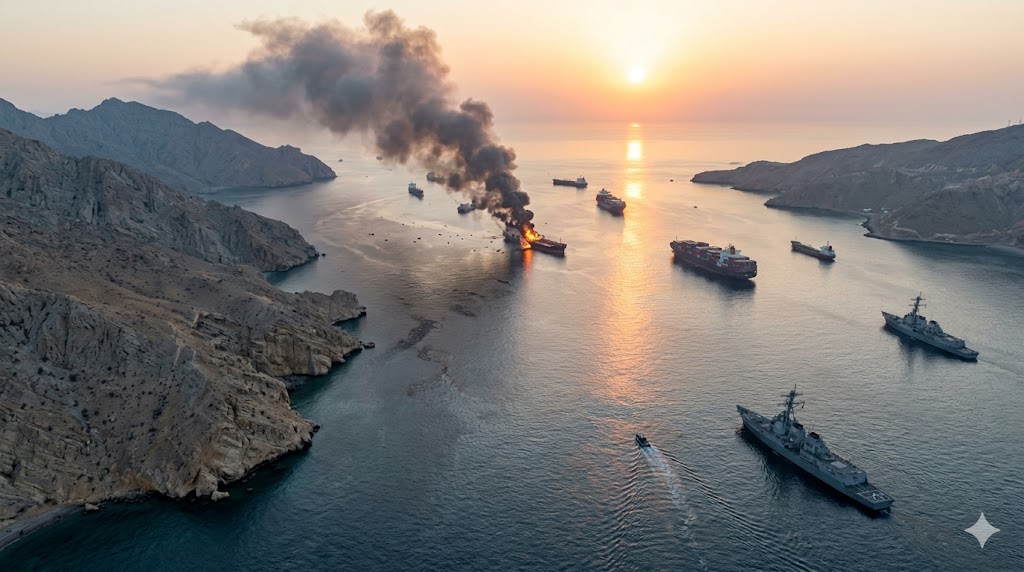
No sector illustrates the war’s danger more clearly than energy. The Strait of Hormuz remains the lifeline for Gulf oil, LPG, and petroleum exports. Iranian actions—ranging from direct attacks on vessels to selective closures and toll demands—have caused commercial traffic to plummet by over 90 percent at peaks. Oil prices surged from around $70 per barrel pre-war to an average of $103 in March 2026, creating windfalls for some producers but inflicting volatility on Gulf exporters.
Gulf countries, which supply a substantial share of global crude and refined products, have suffered revenue shortfalls despite higher prices due to reduced export volumes. Qatar’s LNG facilities, among the world’s largest, have faced drone threats, jeopardizing delivery guarantees. Saudi Arabia and the UAE have accelerated bypass pipeline projects, such as the Habshan-Fujairah line, but these offer only partial relief for crude while leaving imports and other commodities exposed.
The petroleum sector’s centrality to GCC budgets amplifies the stakes. Prolonged Hormuz disruptions could erode fiscal surpluses built over years, forcing spending cuts on social programs and infrastructure. This energy chokehold not only affects immediate revenues but also undermines long-term contracts and partnerships that fueled recent growth.
Infrastructure, Military, and Operational Losses
Beyond economics, the US-Iran war has inflicted tangible damage on physical and human capital. Ports, airports, and energy infrastructure in the Gulf have sustained hits, requiring costly repairs and upgrades for resilience. Military expenditures have skyrocketed as nations intercept waves of drones and missiles, depleting stockpiles and necessitating emergency procurements.
Lockdowns and heightened security protocols have disrupted normal life, affecting everything from construction timelines to hospitality operations. “Morning” routines in major cities—commutes, business openings, and supply deliveries—have been hampered by alerts and rerouting. The cumulative effect has slowed momentum in sectors that drove Gulf transformation over the past 10-15 years.
Workforce challenges compound the issue. Expatriate professionals, vital to many industries, have reconsidered postings amid perceived risks. This loss of institutional knowledge and labor force further delays recovery, pushing Gulf countries toward a restart phase in project execution and economic planning.
Political Disarrangement and Regional Realignments
Politically, the war has strained GCC cohesion. While official statements largely blame Iran, underlying frustrations with the timing and execution of US-Israeli operations have surfaced. Divergent responses—Oman maintaining diplomatic channels, the UAE adopting a firmer stance—highlight potential rifts that could complicate collective action.
The absence of GCC input in ceasefire negotiations has fueled resentment, raising questions about future influence in regional affairs. Intra-Gulf competition for US defense resources and differing views on normalization with Israel add layers of complexity. These political dislocations risk fragmenting efforts to address shared challenges, prolonging the path to stability.
Strategies for Overcoming the Financial, Infrastructure, and Political Crisis
Gulf countries possess the resources and resilience to chart a recovery, but success demands coordinated, forward-looking strategies. First, enhancing security cooperation through an integrated air defense network and shared procurement could reduce individual burdens while building industrial capacity in defense manufacturing. Partnerships with allies, including technology transfers, will be essential.
Economically, accelerating infrastructure diversification—expanding bypass pipelines, advancing GCC rail projects, and strengthening electrical grids—will mitigate future Hormuz vulnerabilities. Reinvesting in non-oil sectors, such as tourism recovery campaigns and tech hubs, can restore investor confidence. Fiscal buffers accumulated in prior boom years provide a foundation for stimulus measures targeting affected industries.
Politically, renewed emphasis on GCC unity through high-level summits and joint economic initiatives could bridge divides. Diplomacy with Iran, balanced against security needs, and deeper engagement with global powers will help secure favorable terms in any enduring peace framework. Long-term, embedding risk management into national visions—through hardened infrastructure and diversified trade corridors—will safeguard against similar shocks.
International support, including reconstruction aid and insurance reforms, could accelerate progress. By treating the setback as a catalyst for innovation, Gulf countries can emerge stronger, potentially shortening the 15-16 year recovery timeline through targeted reforms.
Hormuz chokehold: An aerial photograph looking down upon the Strait of Hormuz at sunrise.
Conclusion: A Resilient Path Forward for Gulf Countries
The 2026 US-Iran war has undeniably made the region more dangerous and risky for Gulf countries. Its stretchable, escalating character has disrupted oil flows, damaged infrastructure, and reversed developmental gains painstakingly achieved over the past decade and a half. Yet, the GCC’s history of adaptability offers hope. With strategic investments in security, economic diversification, and political cooperation, these nations can overcome the financial crisis, rebuild infrastructure, and realign politically.
The coming months will test leadership resolve as the ceasefire’s fragility looms. By prioritizing collective resilience over short-term differences, Gulf countries can not only recover lost ground but also forge a more secure and prosperous future. The world watches closely: the stakes for global energy stability and regional peace have never been higher.
Frequently Asked Questions
What is the primary significance of "US-Iran War 2026: Gulf Countries Setback Risks"?
The 2026 US-Iran war has thrust the Middle East into one of its most volatile chapters in recent history. What began as targeted strikes by the United States and Israel on February 28 has evolved into a conflict marked by rapid escalation, fragile ceasefires, and widespread regional fallout.
How does this development impact International Affairs?
For the Gulf countries—Saudi Arabia, the United Arab Emirates, Qatar, Kuwait, Bahrain, and Oman—this war represents far more than a distant geopolitical clash. It has directly endangered their hard-won progress, exposing vulnerabilities in security, energy exports, and economic diversification.As analysts note, the conflict’s “elastic” nature—its ability to stretch across military, economic, and political domains—has made it particularly dangerous.
What are the key future projections to monitor?
Iranian retaliation, including heavy missile and drone barrages aimed at Gulf targets, combined with disruptions to the Strait of Hormuz, has created a perfect storm.
.jpeg)