As of late April 2026, the US-Iran war has reached a perilous crossroads. What began as a rapid escalation in February has settled into a fragile two-week ceasefire, now hurtling toward its expiration on April 22. Fresh incidents, including the US seizure of an Iranian-flagged cargo ship and lingering fallout from Israeli strikes on Beirut, have cast serious doubt over diplomatic progress. Iran is sending mixed signals about talks, while both sides dig in on core demands. If the deadline passes without agreement, the entire global community could face soaring energy prices, disrupted trade routes, and heightened risk of wider conflict.
This article breaks down the current situation in the US-Iran war latest news, examining key developments, the stalled Islamabad talks, political divisions in Washington, China's cautious role, and the broader implications if negotiations collapse.
Background: How the US-Iran War Unfolded in 2026
The 2026 Iran war erupted on February 28 when US and Israeli forces launched extensive strikes targeting Iranian military sites, nuclear facilities, and leadership. The conflict quickly drew in proxies, with Hezbollah exchanges pulling Lebanon deeper into the fray. A US-brokered ceasefire took effect on April 8, offering a two-week window for direct talks brokered partly through Pakistan.
That window is now closing fast. President Donald Trump has repeatedly signaled that extensions are “highly unlikely” without major concessions from Tehran. Iran, for its part, views the US naval blockade of its ports and the Strait of Hormuz as a violation of the truce. These tensions have dominated Iran war news headlines for weeks, with oil prices climbing above $95 a barrel amid fears of renewed disruption in one of the world’s most critical energy chokepoints.
US Seizure of Iranian-Flagged Ship Rattles the Ceasefire
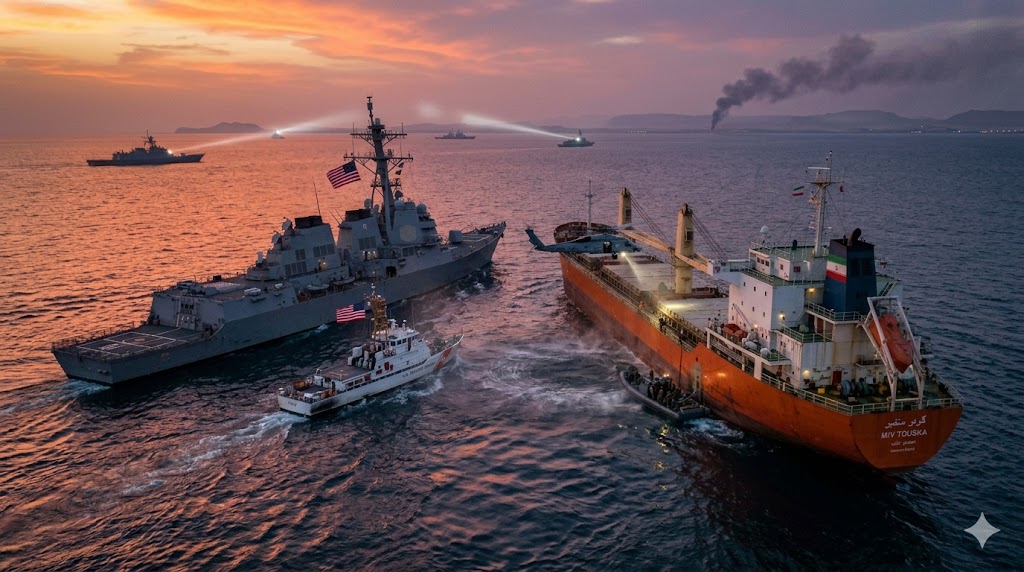
One of the most explosive recent events in the US Iran war update occurred on April 19. US Navy forces intercepted, disabled, and seized the Iranian-flagged cargo vessel M/V Touska near the Strait of Hormuz. CENTCOM released video footage showing Marines boarding the ship after it ignored warnings while attempting to breach the blockade.
President Trump hailed the operation as enforcement of legitimate maritime restrictions. Iran immediately condemned it as “armed piracy” and vowed a “swift response.” The incident marked the first such seizure since the blockade began and has thrown the fragile ceasefire into doubt just days before its April 22 expiration.
This development has fueled US Iran war live coverage across global networks. Shipping experts warn that further interdictions could strand dozens of tankers and spike insurance costs, directly impacting Iran war today dynamics in the Gulf.
Israeli Strikes on Beirut: Casualties and Regional Fallout
Compounding the crisis are the devastating Israeli airstrikes launched on April 8 across Lebanon, including dense neighborhoods in Beirut. Lebanese authorities and human rights groups report at least 300 killed and over 1,100 wounded in a single day of coordinated attacks—the deadliest since the escalation began earlier in March.
Israel described the operation as a necessary response to Hezbollah threats in the context of the broader Israel US Iran war. Hospitals in Beirut were overwhelmed, and civilian infrastructure suffered heavy damage. The timing, coming hours after the initial US-Iran ceasefire announcement, drew sharp international criticism and accusations that the truce was never fully respected on the ground.
These strikes remain a flashpoint in Israel Iran war update reporting. They have hardened Iranian positions, with Tehran accusing the US of enabling continued Israeli aggression. For many analysts, the Beirut casualties underscore how intertwined the Iran war crisis has become with the Israel-Hezbollah front.
Maritime Stand Up: A dramatic twilight photograph capturing the tense April 19 intercept of the Iranian cargo ship M/V Touska by US Navy forces near the Strait of Hormuz. US Marines in a RHIB boat prepare to board the vessel, which ignited a diplomatic firestorm just days before the ceasefire deadline.
Diplomatic Push: Second Round of Talks in Islamabad on April 22?
Despite the heightened tensions, Pakistan has intensified preparations for a potential second round of direct US-Iran talks in Islamabad. The first round, held April 11-12, ended without breakthrough, primarily over Iran’s uranium enrichment program and the future of its nuclear capabilities.
As of April 20, US envoys are reportedly preparing to travel, and Pakistani security forces have locked down key areas of the capital. However, Iran’s Foreign Ministry has sent decidedly mixed signals. Spokesman Esmail Baghaei stated Tehran has “no plans” for negotiations following the ship seizure, calling US demands “unrealistic.” At the same time, some Iranian officials have left the door slightly ajar, suggesting flexibility if the blockade is eased.
Wednesday, April 22—widely cited as the ceasefire’s final day—looms large. Trump has described the deadline as firm, while Pakistan continues behind-the-scenes mediation to extend the truce by at least 45 days. The Iran US war latest news cycle is now dominated by speculation: will the second round even happen, and can either side accept the other’s core demands?
Sticking Points: Why Neither Side Can Accept the Other’s Deal
At the heart of the impasse lies Iran’s insistence on maintaining limited uranium enrichment as a sovereign right versus the US demand for a complete, verifiable halt—potentially for 20 years or longer. Additional friction points include Iran’s ballistic missile program, regional proxy activities, and the lifting of sanctions.
Iran argues that the US naval blockade and recent ship seizure violate the spirit of the ceasefire. The Trump administration counters that Iran’s attempts to evade restrictions justify continued pressure. These irreconcilable positions have analysts warning that without compromise, the US Iran war could reignite with even greater intensity.
US Political Divide: Congress Split on Iran Policy
Domestically, the US Iran war political divide is stark. Democrats in both the House and Senate have repeatedly pushed War Powers resolutions to limit President Trump’s authority to conduct or expand operations against Iran. These measures have failed along largely party lines, with Republicans arguing that congressional oversight could tie the administration’s hands during a critical security crisis.
Some GOP lawmakers have expressed private concerns about open-ended funding and the risk of prolonged engagement, revealing quiet fractures even within the president’s party. The US Congress divide Iran war debate highlights deeper partisan tensions over foreign policy, with Democrats warning of escalation risks and Republicans emphasizing the need for maximum pressure on Tehran.
President Trump has been characteristically direct in Trump Iran war comments. Following the ship seizure, he posted on Truth Social praising US forces and reiterating that Iran must meet “very reasonable” terms or face consequences. On the ceasefire, he stated it ends “Wednesday evening Washington time,” adding that further extensions are “highly unlikely” without concrete progress.
These statements have kept US Iran war latest news in the spotlight while complicating efforts by mediators to buy more time.
China’s Stance: Behind-the-Scenes Caution in the US-Iran War
Beijing has played a measured role in the China on US Iran war developments. While maintaining strong economic ties with Iran, China has avoided overt military or diplomatic intervention. Officials have called for de-escalation, respect for sovereignty, and a return to dialogue—standard language that stops short of endorsing either side.
Analysts note Beijing’s priority remains stabilizing US-China relations amid separate trade tensions. A full resumption of hostilities in the Gulf would disrupt global energy markets and China’s own oil imports, yet Chinese leaders appear unwilling to pressure Tehran publicly. This hands-off approach adds another layer of complexity to the Iran war crisis.
Global Implications: What Happens If the Deadline Passes Without a Deal?
Should April 22 arrive with no agreement or extension, the consequences could ripple worldwide. Renewed US-Iran hostilities would likely close or severely restrict the Strait of Hormuz, through which roughly 20% of global oil passes. Energy analysts already project Brent crude could surge well beyond current levels, triggering inflation in import-dependent economies.
Shipping insurance premiums would skyrocket, supply chains for everything from electronics to food would face delays, and emerging markets could tip into recession. European and Asian allies have quietly urged restraint, fearing the US Iran war could destabilize the entire Middle East and draw in additional actors.
Humanitarian costs would mount as well. Further strikes could displace more civilians in Iran, Lebanon, and beyond, straining international aid efforts already stretched thin.
In the longer term, failure to resolve the Iran US war risks undermining nuclear non-proliferation norms and emboldening hardliners on all sides. The window for diplomacy is narrowing, but history shows that even last-minute breakthroughs are possible when the stakes are this high.
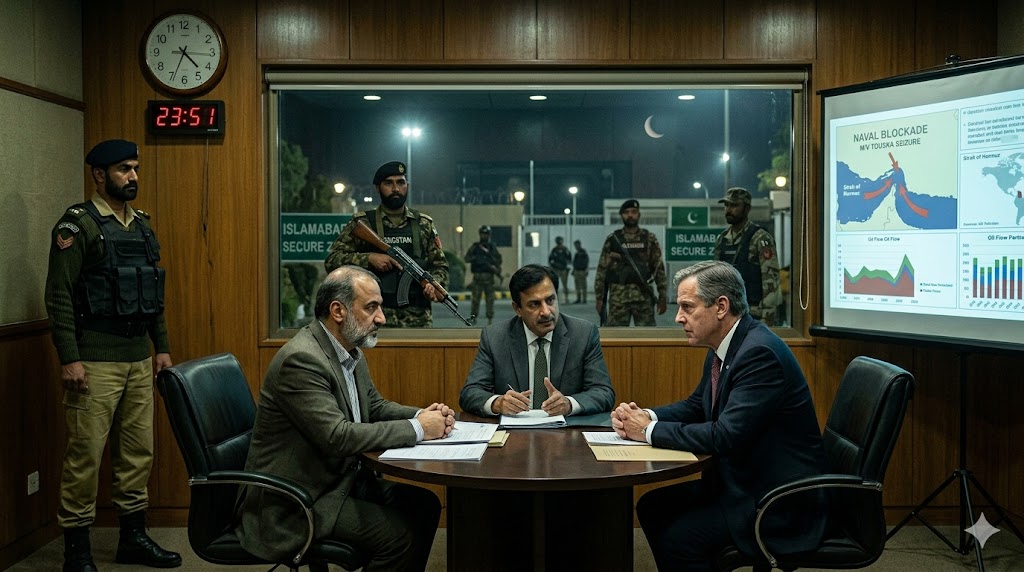
High-Stakes Mediation in Islamabad: A photograph capturing a pressurized moment during the second round of direct US-Iran talks in Islamabad on April 22, 2026.
Looking Ahead: A Fragile Path Forward
The US-Iran war latest news as we approach April 22 paints a picture of high-stakes brinkmanship. The US ship seizure, Beirut casualties from Israeli action, Iran’s mixed signals on Islamabad talks, and the immovable April 22 deadline have created a perfect storm. Both Washington and Tehran appear unwilling to fully accept the other’s demands, leaving Pakistan’s mediation efforts as perhaps the last best hope for averting renewed conflict.
For the global community, the coming days will be decisive. Markets will watch oil prices, diplomats will monitor flight movements into Islamabad, and citizens worldwide will hope that cooler heads prevail. The Iran war today is no longer just a regional story—it is a test of whether major powers can still navigate crises through negotiation rather than force.
As the deadline ticks closer, one thing remains clear: the cost of failure in the US Iran war will be paid not only by the direct participants but by economies, families, and stability across the planet. Stay tuned for further US Iran war updates as this fast-moving situation develops.
Frequently Asked Questions
What is the primary significance of "US-Iran War April 2026: Ceasefire Deadline Crisis"?
US-Iran War 2026: Ceasefire Deadline Crisis and What the World Faces NextAs of late April 2026, the US-Iran war has reached a perilous crossroads. What began as a rapid escalation in February has settled into a fragile two-week ceasefire, now hurtling toward its expiration on April 22.
How does this development impact International Affairs?
Fresh incidents, including the US seizure of an Iranian-flagged cargo ship and lingering fallout from Israeli strikes on Beirut, have cast serious doubt over diplomatic progress. Iran is sending mixed signals about talks, while both sides dig in on core demands.
What are the key future projections to monitor?
If the deadline passes without agreement, the entire global community could face soaring energy prices, disrupted trade routes, and heightened risk of wider conflict.This article breaks down the current situation in the US-Iran war latest news, examining key developments, the stalled Islamabad talks, political divisions in Washington, China's cautious role, and the broader implications if negotiations collapse.Background: How the US-Iran War Unfolded in 2026The 2026 Iran war erupted on February 28 when US and Israeli forces launched extensive strikes targeting Iranian military sites, nuclear facilities, and leadership.