International Affairs• April 19, 2026• Global Edition
In a surprising escalation of diplomatic tensions, Iran has flatly rejected a second round of high-stakes negotiations with the United States in Pakistan. The move comes just days after the first marathon session in Islamabad ended without agreement, leaving a fragile ceasefire on the brink of collapse. President Donald Trump, never one to mince words, has responded with characteristic force, dispatching a fresh American delegation while issuing stark warnings about the consequences of continued Iranian intransigence.
This rejection is not merely a procedural setback; analysts across the region view it as a profound miscalculation that risks undermining Iran's own security and economic interests. By turning away from the negotiating table in Pakistan, Tehran appears to have chosen confrontation over compromise at a moment when global powers are watching closely. Trump's reaction has been swift and multifaceted, blending renewed diplomatic pressure with explicit military threats and pointed praise for America's steadfast ally, Israel.
At the heart of the impasse lies the volatile Strait of Hormuz, where Iranian actions have disrupted global energy flows and drawn sharp commentary from Trump regarding China's stake in the waterway. As the April 2026 ceasefire deadline looms, the world finds itself on edge, wondering whether Iran's rejection of the Pakistan talks will lead to renewed conflict or force a last-minute breakthrough. This article examines the sequence of events, Trump's robust response, the strategic appreciation for Israel, and the broader implications for peace in the Middle East.
The stage for the current crisis was set in early April 2026 when the United States and Iran engaged in historic face-to-face negotiations in Islamabad, Pakistan. Mediated in part by Pakistani officials, the initial round lasted an exhausting 21 hours and represented the highest-level direct contact between Washington and Tehran since the 1979 Islamic Revolution. Vice President JD Vance led the US delegation, pressing for firm commitments from Iran to abandon its nuclear weapons ambitions and respect international shipping lanes.
Iranian officials, including Foreign Minister Abbas Araghchi, participated but ultimately walked away without signing any agreement. US negotiators described the session as constructive yet ultimately unproductive, citing Tehran's refusal to provide the "fundamental commitment" needed to prevent nuclear proliferation. For its part, Iran accused the United States of making excessive demands and maintaining an unlawful blockade of its ports.
Pakistan played a crucial bridging role, hosting the talks and urging both sides toward de-escalation. Prime Minister Shehbaz Sharif publicly called for goodwill gestures, including temporary reopening of the Strait of Hormuz. Yet despite these efforts, the first round concluded with no deal, only a temporary ceasefire that was set to expire mid-week. This fragile truce had been intended to buy time for further diplomacy, but Iran's subsequent rejection of a second round in Pakistan has cast serious doubt on its viability.
The backdrop to these talks includes months of intense US-Israel military pressure on Iran following earlier strikes and a broader regional conflict. Oil markets have fluctuated wildly amid threats to close the Strait of Hormuz, through which roughly 20 percent of global oil supplies pass. With economic stakes this high, Iran's decision to skip the follow-up session appears particularly shortsighted to many observers.
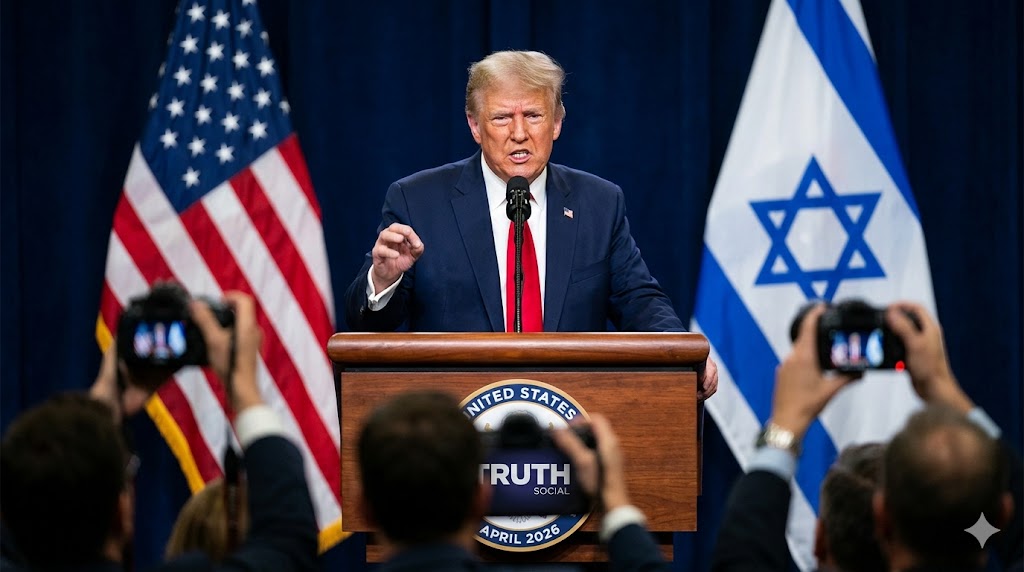
President Trump delivers a defiant and resolute address, issuing warnings to Iran while praising Israel’s loyalty as a steadfast ally in countering regional conflict.
Why Iran's Rejection of the Pakistan Delegation Was a Strategic Misstep
Iran's refusal to send a delegation for the second round of meetings in Pakistan has been widely characterized as a wrong-headed move that prioritizes ideological rigidity over pragmatic self-interest. According to Iranian state media and semi-official outlets like Tasnim News Agency, Tehran cited "excessive American demands" and the ongoing US naval presence near its ports as reasons for staying away. Yet this stance overlooks several critical realities that make the rejection look increasingly ill-advised.
First, the Pakistan venue offered a neutral ground with strong diplomatic cover from a Muslim-majority nation respected by both sides. By rejecting the invitation, Iran has effectively snubbed not only Washington but also Islamabad's mediation efforts, potentially straining relations with a key neighbor. Pakistani leaders had invested significant political capital in facilitating the talks, and Tehran's no-show risks alienating a partner that could have helped ease sanctions or broker future compromises.
Second, the timing could hardly be worse. With the ceasefire due to expire imminently, Iran's decision leaves it exposed to renewed military pressure. US officials have made clear that the original terms remain on the table: verifiable limits on uranium enrichment, an end to support for proxy militias, and guaranteed safe passage through the Strait of Hormuz. By walking away, Iran forfeits the opportunity to negotiate concessions on frozen assets or sanctions relief that might have been available in a second round.
Third, economically, the rejection compounds Iran's isolation. The country derives a substantial portion of its revenue from oil exports routed through the strait. Continued closure or disruption directly harms its own treasury while inviting further international condemnation. Global buyers, including major importers, are already seeking alternative suppliers, accelerating a shift that could leave Iran permanently sidelined.
Critics inside and outside Iran argue that this rejection reflects internal hardline politics rather than strategic foresight. Supreme Leader Ayatollah Ali Khamenei's circle appears unwilling to concede on nuclear issues, even as the costs of isolation mount. Yet history shows that such intransigence has rarely yielded long-term gains. From a realist perspective, Iran's move weakens its bargaining position and hands the initiative back to Washington. Trump's team, undeterred, has proceeded with plans to send negotiators anyway, signaling that the door remains open but the clock is ticking.
In short, by rejecting the delegation to Pakistan, Iran has chosen a path that many seasoned diplomats describe as self-defeating. It risks turning a manageable diplomatic window into a full-blown crisis, with ripple effects across the region and beyond.
Trump's Reaction: Threats, Delegation, and Unwavering Resolve
President Trump has responded to Iran's rejection with a blend of diplomatic persistence and unmistakable toughness. Shortly after Tehran signaled it would not participate in the second round, Trump announced via Truth Social that US negotiators would still travel to Islamabad. He described the proposed deal as "very fair and reasonable" and warned that rejection would carry severe consequences.
In a series of statements, Trump made clear that patience was wearing thin. He explicitly threatened to "knock out every single power plant and every single bridge in Iran" if no agreement was reached, adding that "NO MORE MR. NICE GUY" and that it would be his "honor" to act decisively. These remarks were not idle bluster; they echoed earlier deadlines tied to the Strait of Hormuz and underscored the administration's readiness to escalate if diplomacy failed.
At the same time, Trump has kept the diplomatic channel alive. Reports indicate the US delegation, potentially including senior envoys such as Jared Kushner and Steve Witkoff alongside or in place of Vice President Vance for security reasons, is prepared to engage even without an Iranian counterpart present initially. This unilateral move keeps pressure on Tehran while demonstrating American seriousness.
Trump's rhetoric also frames Iran's rejection as a "total violation" of the ceasefire, particularly regarding actions in the Strait of Hormuz. He has highlighted US naval operations, including the seizure of an Iranian cargo ship, as necessary enforcement measures. Far from backing down, Trump has positioned the Pakistan talks as Iran's "last chance" before more decisive action.
This approach reflects Trump's long-standing "peace through strength" philosophy. By combining the offer of talks with credible threats, he aims to force Tehran back to the table on US terms rather than allowing stalling tactics to erode American leverage.
Trump's Appreciation for Israel: A Key Ally in a Time of Conflict
Amid the diplomatic drama surrounding Iran's rejection of the Pakistan talks, President Trump took time to publicly affirm America's deepest regional partnership. In a Truth Social post that resonated widely, he praised Israel as a "GREAT Ally of the United States of America." He described the Jewish state as "Courageous, Bold, Loyal, and Smart," noting that unlike others who had shown their "true colors" during conflict, Israel "fights hard, and knows how to WIN."
This statement was widely interpreted as a pointed contrast between a reliable partner and those, like Iran, unwilling to commit to genuine peace. Trump has consistently highlighted Israel's role in countering Iranian influence, from joint operations against proxy networks to shared intelligence on nuclear activities. His appreciation underscores a core pillar of US policy: unwavering support for Israel as a frontline defender of shared democratic values and security interests.
The timing of the praise is significant. As Iran rejects further talks, Trump's endorsement of Israel sends a clear message that Washington will not be deterred by Tehran's obstinacy. It also reassures allies that the US-Israel bond remains ironclad, even as broader regional dynamics shift. In rejecting the Pakistan delegation, Iran has inadvertently highlighted the strength of the US-Israel partnership—one that Trump values precisely because it delivers results where others falter.
The Strait of Hormuz, China, and Trump's Strategic Framing
No discussion of the current standoff would be complete without addressing the Strait of Hormuz, the strategic chokepoint at the center of Iranian brinkmanship. Iran has tightened control over the waterway, citing the US blockade of its ports, while Trump has vowed to keep it permanently open for global commerce.
In a notable series of statements, Trump has directly addressed China's interest in the strait. He has claimed that Beijing is "very happy" with US efforts to reopen the passage permanently, asserting that China benefits enormously from secure energy flows and has even agreed not to supply weapons to Iran as part of broader understandings. While Chinese officials have pushed back on some characterizations, Trump's comments frame the Hormuz situation as an area of potential US-China alignment rather than confrontation.
This approach represents a sophisticated layer of Trump's diplomacy. By publicly crediting China with supporting stability in the strait, he isolates Iran further and signals to Beijing that cooperation on energy security could yield dividends elsewhere. Iran's rejection of the Pakistan talks only heightens these stakes, as continued closure of the strait harms not only Tehran but also its would-be partners.
The Hormuz crisis has already disrupted shipping, with reports of vessels being intercepted and oil markets reacting nervously. Trump's insistence on keeping the strait open "for them [China], also – and the world" underscores a vision of great-power pragmatism: America will enforce freedom of navigation, and responsible nations will benefit.
Broader Implications for Peace, Oil Markets, and Global Stability
The fallout from Iran's rejection of the second-round Pakistan talks extends far beyond bilateral US-Iran relations. Regionally, it heightens risks for Lebanon, Yemen, and other flashpoints where Iranian proxies operate. Economically, prolonged uncertainty over the Strait of Hormuz threatens inflation in energy prices worldwide, affecting everything from gasoline costs in Europe to manufacturing supply chains in Asia.
For Pakistan, the rejection represents a diplomatic embarrassment after its hosting efforts. Islamabad may now recalibrate its mediation role, potentially leaning more toward Washington or pursuing independent initiatives with Tehran.
On the nuclear front, Iran's stance risks accelerating international efforts to isolate it further, including possible new sanctions or coordinated military postures with Israel. Trump's threats of infrastructure strikes serve as a deterrent but also raise the specter of wider conflict if miscalculations occur.
Optimists point out that even after rejection, back-channel communications via Pakistan or Oman could still revive momentum. However, the window is narrowing. With the ceasefire expiring soon, Iran's decision has placed the burden of de-escalation squarely on Tehran.
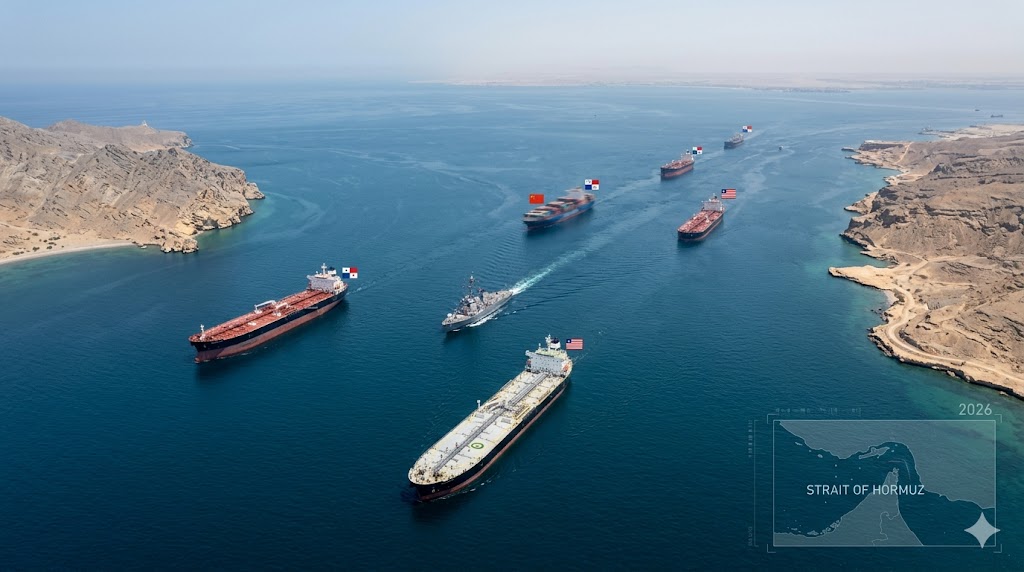
Strategic overview of the Strait of Hormuz chokepoint, where a US naval patrol monitors international shipping to enforce freedom of navigation amidst ongoing Iranian tensions and China's energy interests.
Conclusion
Iran's rejection of the US delegation for the second round of Pakistan talks stands as a pivotal and, in the eyes of many, misguided choice. It has provoked a firm and multifaceted response from President Trump, who has combined renewed diplomatic outreach with unmistakable warnings and a reaffirmation of America's alliance with Israel. At the same time, Trump's comments on the Strait of Hormuz highlight a broader strategy that seeks to align global interests—including those of China—against Iranian disruption.
As the region holds its breath, the coming days will determine whether Iran's stance leads to renewed confrontation or a reluctant return to negotiations. One thing is clear: by turning its back on the Pakistan talks, Tehran has tested the limits of American patience and international goodwill. The path forward demands realism from all parties if lasting peace is to replace the current volatility.
Frequently Asked Questions
What is the primary significance of Iran Rejects Pakistan Talks: Trump's Bold Response?
In a surprising escalation of diplomatic tensions, Iran has flatly rejected a second round of high-stakes negotiations with the United States in Pakistan. The move comes just days after the first marathon session in Islamabad ended without agreement, leaving a fragile ceasefire on the brink of collapse.
How does this development impact International Affairs?
President Donald Trump, never one to mince words, has responded with characteristic force, dispatching a fresh American delegation while issuing stark warnings about the consequences of continued Iranian intransigence.This rejection is not merely a procedural setback; analysts across the region view it as a profound miscalculation that risks undermining Iran's own security and economic interests. By turning away from the negotiating table in Pakistan, Tehran appears to have chosen confrontation over compromise at a moment when global powers are watching closely.
What are the key future projections to monitor?
Trump's reaction has been swift and multifaceted, blending renewed diplomatic pressure with explicit military threats and pointed praise for America's steadfast ally, Israel.At the heart of the impasse lies the volatile Strait of Hormuz, where Iranian actions have disrupted global energy flows and drawn sharp commentary from Trump regarding China's stake in the waterway.