Israel-Lebanon Ceasefire: Violations, UN Stance & Diplomacy
International Affairs• April 19, 2026• Global Edition
The Israel-Lebanon ceasefire, announced on April 16, 2026, and effective the following day, has brought a fragile pause to weeks of intense fighting between Israeli forces and Hezbollah in Lebanon. Brokered with direct U.S. involvement under President Donald Trump, the 10-day truce aims to create space for broader peace negotiations—the first direct Israel-Lebanon talks in decades.
Yet, within hours of the ceasefire taking effect, Lebanon’s army reported multiple violations by Israeli forces, including shelling and attacks on villages in southern Lebanon. These incidents have raised immediate concerns about the truce’s durability amid the ongoing Israel-Lebanon war. The conflict, rooted in long-standing border tensions and Hezbollah’s role as an Iran-backed militia, has already claimed over 2,200 lives in Lebanon and displaced more than a million people.
This article examines the current situation between Israel and Lebanon, documented ceasefire breaches, attacks on southern Lebanon, the United Nations’ sharp criticism, the tragic deaths of UN peacekeepers, President Trump’s diplomatic engagement and longstanding support for Israel, and the persistent Iran dimension. Written from verified developments as of April 19, 2026, it provides a clear, professional overview for anyone following the Israel Lebanon ceasefire developments.
Background to the Israel-Lebanon Conflict and Ceasefire Deal
Tensions between Israel and Lebanon escalated sharply in early 2026 as part of wider regional instability linked to the Iran conflict. Hezbollah, the powerful Shia militant group operating in Lebanon with Iranian backing, exchanged fire with Israeli forces across the border. Israel launched airstrikes and a ground operation into southern Lebanon, establishing what it describes as a necessary security buffer zone up to 10 kilometers deep.
Lebanon, for its part, viewed the incursions as a violation of its sovereignty. The fighting displaced entire communities, destroyed infrastructure including bridges over the Litani River, and inflicted heavy civilian casualties. Prior ceasefires, such as the one from late 2024, had been repeatedly strained by tit-for-tat actions.
Enter the Israel Lebanon ceasefire deal of April 2026. President Trump announced the agreement after phone calls with Israeli Prime Minister Benjamin Netanyahu and Lebanese President Joseph Aoun. The truce began at midnight local time on April 17, initially set for 10 days to allow negotiations toward a more permanent arrangement. Israeli forces, however, stated they would maintain their positions in southern Lebanon during this period, a point that immediately fueled debate.
The deal emerged against the backdrop of U.S.-Iran diplomacy. Trump framed the Israel-Lebanon ceasefire as a step toward regional de-escalation, even as Iran welcomed the pause while demanding full Israeli withdrawal. Hezbollah expressed caution, warning it would respond to any breaches.
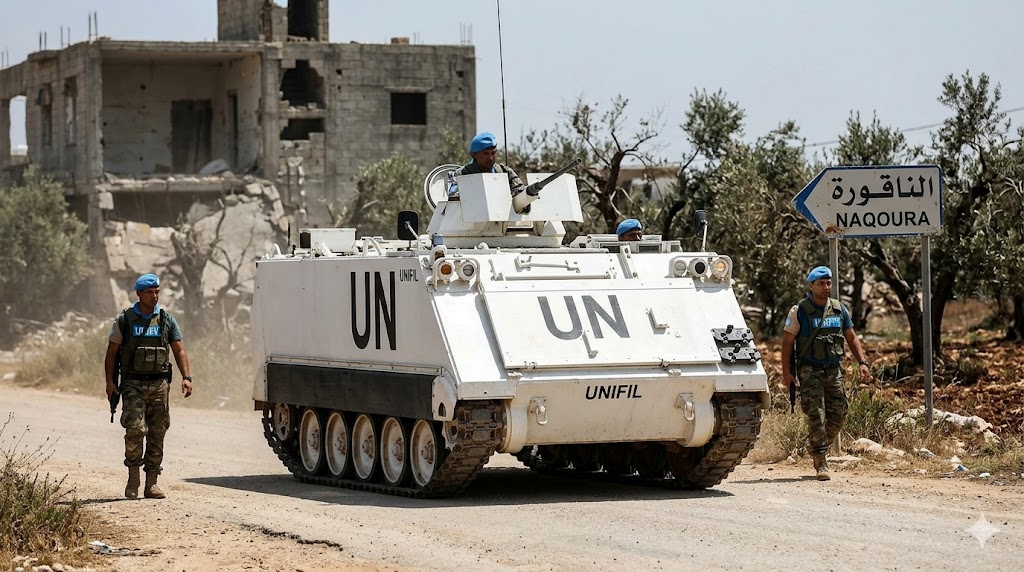
UNIFIL peacekeepers maintain patrols in southern Lebanon, navigating roads marked by recent conflict and damaged infrastructure. The United Nations has stressed the importance of safety for these monitoring forces following previous peacekeeper fatalities.
Reported Ceasefire Violations and Attacks on Southern Lebanon
Almost immediately after the Israel Lebanon ceasefire took hold, Lebanon documented breaches. The Lebanese army reported “several Israeli attacks” and “intermittent shelling” targeting villages in southern Lebanon. Specific incidents included machine-gun fire and artillery directed at an ambulance team in Kunin, Nabatieh Governorate. Israeli strikes also damaged buildings and infrastructure in the south, with reports of renewed activity in areas like Bint Jbeil and near the Litani River.
Lebanese officials and media described these actions as direct violations of the ceasefire terms. Residents attempting to return to devastated homes in southern Lebanon faced warnings from both sides, yet many found fresh destruction from recent strikes. Hospitals and civilian structures suffered damage, compounding the humanitarian crisis from the broader Israel Lebanon war.
Israel has not publicly confirmed these specific post-ceasefire incidents but maintains its operations target Hezbollah threats and that its presence in the south serves defensive purposes. Critics, including Lebanese authorities, argue that continued occupation and strikes undermine the spirit of the truce. These events echo earlier patterns: UN monitors previously recorded thousands of alleged Israeli ceasefire breaches in prior agreements.
The attacks on southern Lebanon have not only affected buildings and infrastructure but also hindered humanitarian efforts. Ambulances and rescue teams operating in the area reported being targeted, further complicating recovery in a region already scarred by weeks of conflict.
United Nations Criticism and the Tragic Death of UN Peacekeepers
The United Nations has been vocal in its criticism of actions threatening the ceasefire. UN experts condemned Israel’s large-scale bombing campaign on April 8, 2026—conducted shortly after an earlier U.S.-Iran truce announcement—as “illegal aggression” and a “blatant violation of the UN Charter.” The strikes hit over 150 locations, killing hundreds and injuring more than a thousand.
Secretary-General António Guterres has repeatedly urged all parties to respect the ceasefire and protect civilians. His office welcomed the April 2026 Israel Lebanon ceasefire but stressed the urgent need for a permanent solution and full adherence by both sides.
Particularly poignant is the United Nations’ response to the deaths of UN peacekeepers serving with UNIFIL (United Nations Interim Force in Lebanon). In late March 2026, three Indonesian peacekeepers were killed in separate incidents involving projectiles and explosions of unknown origin near positions in southern Lebanon. Another peacekeeper was seriously injured. Guterres strongly condemned the attacks, calling for accountability and reminding all parties that harming peacekeepers may constitute war crimes. Investigations continue, but the incidents highlighted the extreme risks faced by UN personnel amid the Israel Lebanon war.
These deaths occurred before the latest ceasefire but underscored the fragility of the environment. UNIFIL’s mandate includes monitoring the Blue Line border, yet repeated incidents have jeopardized its operations and drawn sharp international rebuke.
Trump’s Role: Diplomacy, Support for Israel, and the Path Forward
President Donald Trump played a central role in securing the Israel Lebanon ceasefire deal. He personally announced the agreement on social media, describing conversations with the leaders as “excellent” and expressing optimism that the 10-day pause would lead to lasting peace. Trump has invited Netanyahu and Aoun to the White House for historic direct talks—the first in over 30 years.
Throughout his tenure and public statements, Trump has consistently viewed Israel as a bold, courageous, and vital ally of the United States. His administration’s approach emphasizes Israel’s security needs while pushing for negotiated de-escalation. In the context of the current ceasefire, Trump highlighted the deal as an opportunity for both nations to address Hezbollah’s disarmament and broader regional stability.
This stance aligns with long-held U.S. policy under Trump, balancing strong support for Israel with diplomatic initiatives involving Lebanon and, indirectly, Iran. The ceasefire fits into larger U.S.-Iran negotiations, where Lebanon’s situation had become a sticking point.
Iran’s Shadow: Targeting, Proxies, and Regional Tensions
The Israel Lebanon ceasefire cannot be separated from Iran’s influence. Hezbollah operates as Tehran’s primary proxy in Lebanon, and the recent fighting formed part of a wider 2026 Iran-linked conflict. Both Israel and the United States have focused on curbing Iranian-backed militias, with Israel conducting strikes to degrade Hezbollah capabilities.
Iran has welcomed the Lebanon truce but insists on full Israeli withdrawal from southern Lebanon. Meanwhile, U.S. actions, including naval measures in the Strait of Hormuz, continue amid ongoing diplomacy. The ceasefire offers a potential opening to ease these tensions, yet mutual accusations persist: Israel points to Iranian arms flows, while critics highlight Israeli operations as destabilizing.
This dynamic—Israel and the U.S. targeting Iranian influence through Hezbollah—remains a core driver of the Israel Lebanon war and shapes ceasefire prospects.
Impacts on Civilians, Infrastructure, and the Humanitarian Crisis
Beyond geopolitics, the human cost is staggering. Southern Lebanon bears the scars of repeated attacks: destroyed homes, damaged hospitals (including the region’s only functioning facility in some areas), and severed supply routes. Over a million Lebanese remain displaced, with many returning cautiously after the ceasefire despite safety warnings.
Israeli communities near the border have also endured rocket fire and displacement. The ceasefire offers temporary relief, but violations risk reigniting full-scale violence.
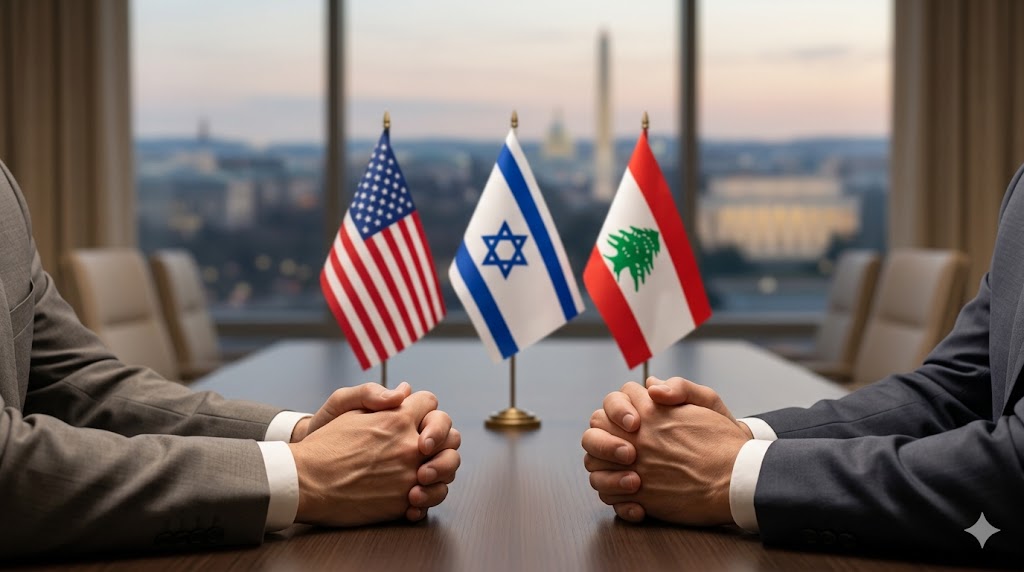
A conceptual representation of the diplomatic track: Hands of generic diplomats meet over a table featuring the flags of the United States, Israel, and Lebanon. The image symbolizes the U.S.-brokered talks aimed at transitioning the fragile 10-day ceasefire into a more lasting regional de-escalation.
The Israel Lebanon ceasefire remains in its early days, with the 10-day window critical for talks. Success hinges on mutual compliance, withdrawal arrangements, and addressing Hezbollah’s role. Direct U.S.-facilitated negotiations in Washington represent a historic opportunity, yet deep mistrust and the Iran factor complicate progress.
Experts urge both sides to prioritize civilian protection and independent verification of violations. The United Nations stands ready to support monitoring, provided parties cooperate.
In summary, the current Israel Lebanon ceasefire offers cautious hope amid reported breaches, UN criticism of aggression and peacekeeper deaths, and Trump’s active diplomacy. While Israel maintains its security posture and Lebanon decries violations, sustained dialogue—supported by the U.S.—remains the best path to prevent a return to war. The coming days will determine whether this truce becomes a foundation for peace or another missed opportunity in a long-troubled region.
Frequently Asked Questions
What is the primary significance of Israel-Lebanon Ceasefire: Violations, UN Stance & Diplomacy?
The Israel-Lebanon ceasefire, announced on April 16, 2026, and effective the following day, has brought a fragile pause to weeks of intense fighting between Israeli forces and Hezbollah in Lebanon. Brokered with direct U.S.
How does this development impact International Affairs?
involvement under President Donald Trump, the 10-day truce aims to create space for broader peace negotiations—the first direct Israel-Lebanon talks in decades.Yet, within hours of the ceasefire taking effect, Lebanon’s army reported multiple violations by Israeli forces, including shelling and attacks on villages in southern Lebanon. These incidents have raised immediate concerns about the truce’s durability amid the ongoing Israel-Lebanon war.
What are the key future projections to monitor?
The conflict, rooted in long-standing border tensions and Hezbollah’s role as an Iran-backed militia, has already claimed over 2,200 lives in Lebanon and displaced more than a million people.This article examines the current situation between Israel and Lebanon, documented ceasefire breaches, attacks on southern Lebanon, the United Nations’ sharp criticism, the tragic deaths of UN peacekeepers, President Trump’s diplomatic engagement and longstanding support for Israel, and the persistent Iran dimension.