"US-Iran-Israel War Update: April 16, 2026 Status"
International Affairs• April 16, 2026• Global Edition
In the volatile landscape of Middle Eastern geopolitics, April 16, 2026, marks a pivotal moment in the ongoing US-Iran war. With a fragile two-week ceasefire—brokered by Pakistan and set to expire on April 22—hanging in the balance, both sides are navigating a delicate mix of military pressure and diplomatic outreach. The United States continues to enforce a naval blockade in the Strait of Hormuz, Iran signals willingness to extend the truce, and President Donald Trump maintains that the conflict is “very close to over.” Israel remains deeply engaged on multiple fronts, while China weighs in on regional stability. This comprehensive update examines the current situation, key developments, and broader implications for global security.
Background to the US-Iran War
The US-Iran war erupted on February 28, 2026, when coordinated US and Israeli strikes targeted Iranian leadership, nuclear facilities, ballistic missile programs, and military infrastructure. What began as a campaign to neutralize perceived threats quickly escalated into a broader confrontation, claiming thousands of lives and disrupting regional stability. Iran responded with counter-strikes, including missile attacks on US bases and Israeli targets, while leveraging proxies like Hezbollah in Lebanon.
By early April, mounting economic and military costs prompted mediated talks in Islamabad. On April 8, the two sides agreed to a temporary ceasefire. Iran committed to reopening the Strait of Hormuz for international shipping—a critical chokepoint for global oil flows—while the US and Israel paused kinetic operations. Yet implementation has been uneven. Iran has used the lull to reorganize forces, and the US has responded with economic measures to maintain leverage. As of April 16, this fragile pause defines the US-Iran war latest news, with diplomats racing against the April 22 deadline.
Current Military Situation and US Strikes
Despite the ceasefire, military dynamics remain tense. The United States has shifted from direct airstrikes to a sustained naval blockade of Iranian ports, fully operational since mid-April. US Central Command (CENTCOM) reports that no vessels have breached the blockade in its initial 48 hours, with nine ships turning back and at least one Iranian-flagged cargo vessel redirected from Bandar Abbas. This enforcement has effectively halted maritime trade to and from Iran, delivering what Treasury officials describe as the “financial equivalent” of continued bombing.
President Trump’s decision to impose the blockade stems directly from stalled talks. In a Truth Social post following the breakdown in Islamabad, he declared: “Effective immediately, the United States Navy, the Finest in the World, will begin the process of BLOCKADING any and all Ships trying to enter, or leave, the Strait of Hormuz.” He emphasized that Iran would not profit from what he called an “illegal act of extortion,” targeting vessels that paid tolls to Tehran. This move aligns with broader US strategy in the US-Iran war update: maximum economic pressure to force concessions on nuclear enrichment, regional proxies, and safe passage through the strait.
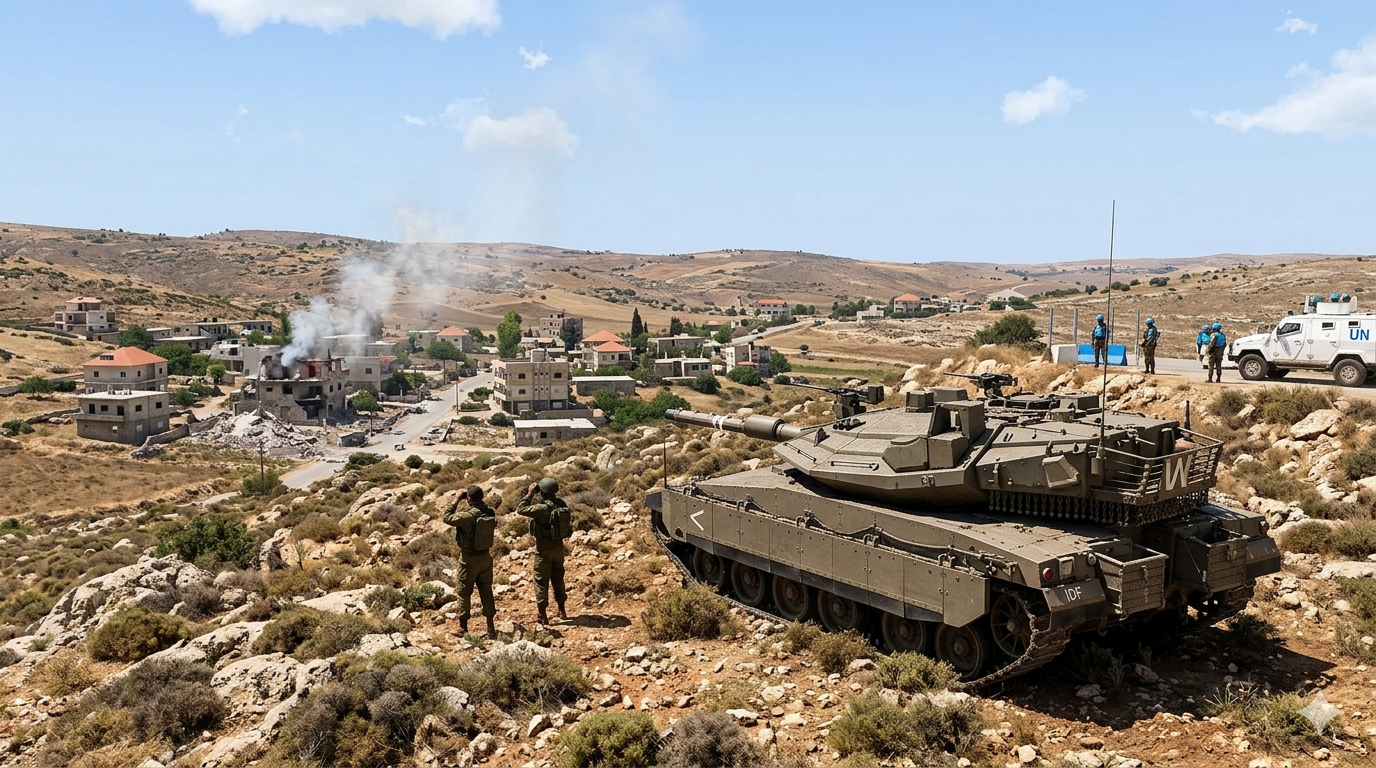
Israel, a key US partner, continues operations against Hezbollah in Lebanon, which it views as intertwined with the Iran threat. Israeli forces have expanded a security zone south of the Litani River, conducted strikes on over 200 targets, and engaged in heavy clashes around Bint Jbeil. While not part of the formal US-Iran ceasefire, these actions underscore the interconnected nature of the israel us iran war. Iranian media reports limited shipping activity despite the blockade, but shipping companies remain wary amid lingering threats to vessels in the region.
Iran’s Push for Ceasefire Extension
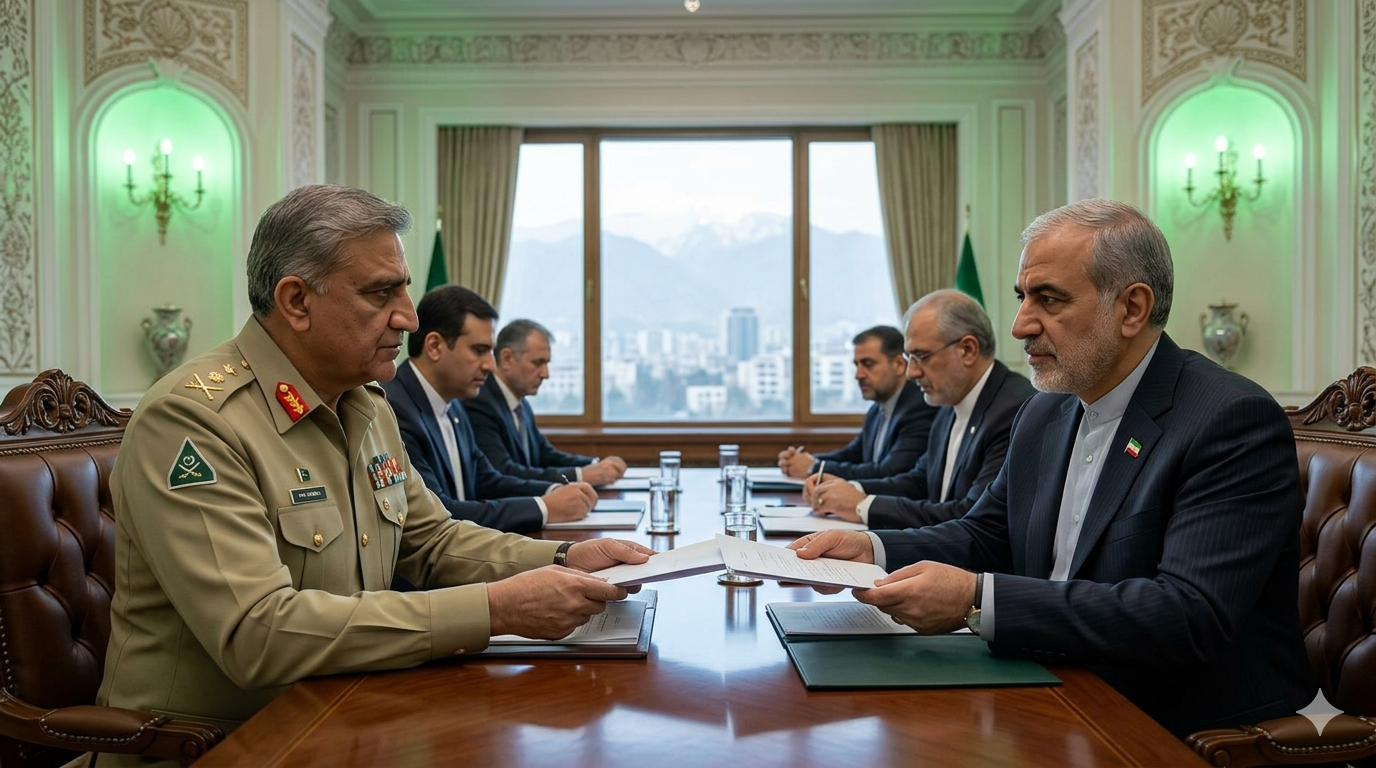
On the Iranian side, officials are actively seeking to extend and solidify the ceasefire. High-level Pakistani mediators, including Army Chief Field Marshal Asim Munir, arrived in Tehran on April 15 for talks aimed at reviving negotiations. Iran’s Foreign Minister Abbas Araghchi welcomed the delegation, reaffirming Tehran’s commitment to “promoting peace and stability in the region.” Reports indicate Iran is open to technical discussions on contentious issues, including enrichment levels, though hardliners within the regime resist major concessions.
Pakistan has proposed extending the ceasefire by up to 45 days to allow space for a second round of talks, likely back in Islamabad. The White House has expressed cautious optimism, with spokespeople noting that future discussions “are likely to be held again in Pakistan’s capital.” However, President Trump told ABC News on April 14 that he is “not considering extending the ceasefire” at present, while still predicting “an amazing two days ahead.” This mixed messaging reflects the high-stakes bargaining in the iran us war latest news.
Iran has shown some flexibility. Senior officials have floated ideas such as pausing enrichment for limited periods or downblending highly enriched uranium, though they insist on retaining a domestic program based on “needs.” Internal regime divisions—between pragmatists open to compromise and hardliners tied to the Islamic Revolutionary Guard Corps—complicate progress. Satellite imagery even reveals attempts to reopen missile base tunnels, suggesting Iran is hedging its bets while pursuing diplomacy.
Pakistani mediators, led by Field Marshal Asim Munir (left), meet with Iranian Foreign Minister Abbas Araghchi (right) in Tehran on April 15, 2026, to discuss extending the fragile ceasefire as the deadline approaches.
Trump’s Statements and the Hormuz Blockade
President Trump’s rhetoric and actions dominate headlines in us iran war trump statement coverage. Beyond the blockade announcement, he has framed the operation as a service to global commerce. “At some point, we will reach an ‘ALL BEING ALLOWED TO GO IN, ALL BEING ALLOWED TO GO OUT’ basis,” he stated, criticizing Iran’s restrictions as “world extortion.” In interviews, Trump has hinted that a deal remains preferable to further escalation, warning of potential strikes on Iranian energy infrastructure only as a last resort.
White House adviser Stephen Miller reinforced this stance, noting the embargo is “squeezing the economic life out of the Iranian regime” and that the US could sustain it “indefinitely.” These comments come as markets react positively to de-escalation signals, with Asian and US indices hitting records on hopes of renewed talks. For observers tracking us iran war news, Trump’s approach blends toughness with openness to negotiation—a hallmark of his foreign policy.
China’s Position on Iran and Regional Stability
Geopolitics extends beyond the Middle East, with China playing a cautious but influential role. Beijing has denied US intelligence reports suggesting it planned to supply air defense systems to Iran, calling such claims “groundless.” Chinese officials emphasize strict export controls and responsibility in arms transfers. Foreign Minister Wang Yi, in a recent call with his Iranian counterpart, urged restoration of “normal navigation” in the Strait of Hormuz, stressing that freedom of navigation serves “broad international interest” while respecting Iranian sovereignty.
President Trump has warned against any Chinese arms shipments, threatening steep tariffs. In one video statement, he indicated China “agreed not to send weapons to Iran,” though Beijing maintains it has never provided such support to conflict parties. This dynamic highlights the us warns china iran dimension of the crisis, as Washington seeks to isolate Tehran economically while Beijing positions itself as a voice for de-escalation. The involvement of China adds another layer to the iran war geopolitics, influencing oil markets and great-power competition.
Broader Geopolitical Implications
The US-Iran war reverberates across the globe. Economically, the Hormuz blockade and prior strait restrictions have spiked oil prices, though recent diplomatic progress has eased some fears. Global shipping faces uncertainty, with calls from the UN and allies for restored navigation rights. In Lebanon, parallel ceasefire talks between Israel and Hezbollah could create a broader regional truce, though Israel insists on disarming Iranian-backed forces.
Politically, the conflict tests alliances. Pakistan’s mediation underscores its unique position as a bridge between Washington and Tehran. The UN Secretary-General has urged respect for international law and continued dialogue, warning that military solutions offer no lasting resolution. For the United States, domestic considerations—including congressional debates on arms sales and sanctions—add complexity, though bipartisan support for pressuring Iran remains strong.
Iran’s economy strains under sanctions and lost oil revenue, while its proxies face setbacks. Yet Tehran retains leverage through asymmetric capabilities and regional influence. As the iran war crisis unfolds, questions linger: Will the ceasefire extend? Can technical talks resolve core disputes over nuclear issues and proxies? And how will external actors like China and Russia shape outcomes?
The blockade’s impact extends beyond strategy. Iranian petrochemical exports have been suspended to prioritize domestic needs, and secondary sanctions target foreign entities dealing with Tehran’s oil networks. Humanitarian concerns grow, with experts warning of potential crises if maritime access remains restricted. UN rapporteurs have highlighted related issues in Lebanon, including displacement and infrastructure damage from Israeli operations.
Markets, however, show resilience. Optimism around Pakistan-mediated talks has boosted investor confidence, illustrating how quickly sentiment can shift in the us iran war latest news cycle.
The kinetic front: Israel maintains high alert on its northern border with Lebanon, targeting Iranian-backed Hezbollah infrastructure despite the fragile US-Iran pause. Smoke rises near a Lebanese village following a localized Israeli strike in early April 2026.
What Lies Ahead: Outlook for April 2026 and Beyond
As April 16, 2026, draws to a close, the US-Iran war stands at a crossroads. The ceasefire provides a narrow window for diplomacy, but the clock ticks toward April 22. Pakistan’s ongoing efforts in Tehran could pave the way for renewed Islamabad talks, potentially leading to a longer extension. US preconditions—full reopening of the Strait of Hormuz and empowered Iranian negotiators—must be met for progress.
President Trump’s blend of blockade enforcement and deal-making overtures suggests a preference for resolution without full-scale resumption of strikes. Iran, for its part, appears motivated to avoid further devastation while preserving core interests. Israel’s security cabinet deliberations on Lebanon add another variable, as any comprehensive agreement may need to address the wider Axis of Resistance.
In this fluid environment, the world watches closely. The coming days will determine whether diplomatic ingenuity prevails over military escalation. For now, the focus remains on extending the ceasefire, easing the Hormuz blockade, and forging a path toward lasting stability in one of the world’s most critical regions.
This situation continues to evolve rapidly. Stay informed with the latest us iran war updates as new developments emerge from Tehran, Washington, and Islamabad. The stakes—for energy security, regional peace, and global geopolitics—could not be higher.
Frequently Asked Questions
What is the primary significance of "US-Iran-Israel War Update: April 16, 2026 Status"?
In the volatile landscape of Middle Eastern geopolitics, April 16, 2026, marks a pivotal moment in the ongoing US-Iran war. With a fragile two-week ceasefire—brokered by Pakistan and set to expire on April 22—hanging in the balance, both sides are navigating a delicate mix of military pressure and diplomatic outreach.
How does this development impact International Affairs?
The United States continues to enforce a naval blockade in the Strait of Hormuz, Iran signals willingness to extend the truce, and President Donald Trump maintains that the conflict is “very close to over.” Israel remains deeply engaged on multiple fronts, while China weighs in on regional stability. This comprehensive update examines the current situation, key developments, and broader implications for global security.Background to the US-Iran WarThe US-Iran war erupted on February 28, 2026, when coordinated US and Israeli strikes targeted Iranian leadership, nuclear facilities, ballistic missile programs, and military infrastructure.
What are the key future projections to monitor?
What began as a campaign to neutralize perceived threats quickly escalated into a broader confrontation, claiming thousands of lives and disrupting regional stability.