In a significant display of diplomatic engagement, US President Donald Trump and Indian Prime Minister Narendra Modi held a productive 40-minute phone conversation on April 14, 2026. This Trump Modi call marked their first direct discussion since the recent US-Iran ceasefire and underscored the enduring strength of India-US relations at a time of heightened geopolitical uncertainty in West Asia. Both leaders reviewed bilateral progress and, crucially, stressed the importance of keeping the Strait of Hormuz open and secure for global stability.
The timing of this Trump Modi call could not have been more relevant. With fragile ceasefires holding in the Middle East and energy markets remaining volatile, the conversation highlighted shared concerns over maritime security and economic interdependence. Prime Minister Modi later shared details on X, noting the warm exchange and mutual commitment to deeper cooperation. For observers of international affairs, this interaction reaffirms the personal rapport between the two leaders and the strategic depth of the India-US partnership.
Background of the Trump Modi Call
The Trump Modi call on April 14 unfolded against a backdrop of evolving challenges in West Asia. It came shortly after the US and Iran announced a ceasefire earlier in the month, following weeks of tension that had ripple effects across global energy routes. This was not the first time the leaders had spoken during the recent crisis; a prior conversation in late March had similarly focused on de-escalation efforts.
US Ambassador to India Sergio Gor described the latest Trump Modi call as “very positive and productive.” According to the ambassador, President Trump updated Prime Minister Modi on developments in the Middle East while touching on several high-priority items in the US-India bilateral agenda. In a notable personal touch, President Trump reportedly told the Indian leader, “I just want you to know we all love you,” reflecting the friendly chemistry that has defined their interactions over the years.
Prime Minister Modi’s post on X captured the essence of the discussion: “Received a call from my friend President Donald Trump. We reviewed the substantial progress achieved in our bilateral cooperation in various sectors. We are committed to further strengthening our Comprehensive Global Strategic Partnership in all areas. We also discussed the situation in West Asia and stressed the importance of keeping the Strait of Hormuz open and secure.”
This statement from Modi not only confirmed the key outcomes of the Trump Modi call but also signaled India’s proactive stance on maintaining open sea lanes vital for international trade.
Key Highlights and Outcomes of the 40-Minute Discussion
During the approximately 40-minute exchange, several core themes emerged. First and foremost was the shared emphasis on the Strait of Hormuz. Both leaders agreed that ensuring the strait remains open and secure is essential not just for regional players but for the entire global economy. The waterway serves as a critical choke point through which roughly one-fifth of the world’s oil and liquefied natural gas passes daily.
Beyond the immediate security concerns, the Trump Modi call allowed the leaders to take stock of bilateral cooperation. They noted substantial advancements in trade, defense, technology, and energy sectors. The commitment to expand the Comprehensive Global Strategic Partnership—a framework that has guided India-US ties for years—received fresh impetus. Discussions reportedly touched on ongoing initiatives ranging from defense co-production to technology transfers and people-to-people exchanges.
Ambassador Gor’s briefing added further color, confirming that President Trump kept the Indian Prime Minister abreast of major policy developments in Washington. This level of regular high-level engagement underscores the maturity of the relationship, where leaders consult each other on issues of mutual strategic interest.
The personal dimension of the Trump Modi call also stood out. The two leaders have built a unique bond over the years, characterized by direct communication and mutual respect. Such rapport often translates into faster decision-making on complex issues, as evidenced by the swift alignment on the need for Hormuz stability.
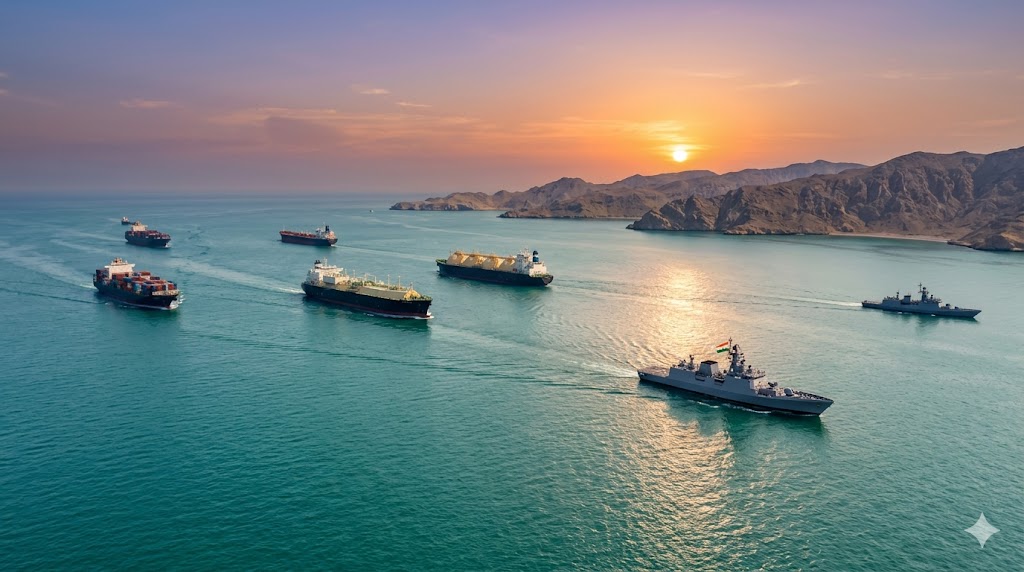
Strategic alignment between the US and India ensures security for vital international energy corridors, minimizing global economic disruptions
The Strategic Importance of the Strait of Hormuz
To fully appreciate why the Strait of Hormuz featured so prominently in the Trump Modi call it is necessary to understand its geopolitical and economic weight. Located between Iran and Oman, the strait connects the Persian Gulf to the Arabian Sea and the broader Indian Ocean. It is the world’s most important oil transit choke point.
Any disruption here—whether through conflict, blockade, or deliberate interference—can send shockwaves through global energy markets. Recent tensions had already led to selective vessel restrictions and heightened insurance costs for shipping, pushing up oil and gas prices worldwide. For India, which imports a significant portion of its crude oil from the Gulf region, secure passage through the strait is non-negotiable for energy security and economic growth.
By agreeing on the need to keep the Strait of Hormuz open, President Trump and Prime Minister Modi sent a clear message: maritime freedom of navigation must remain a cornerstone of international order. This stance aligns with India’s long-standing position of supporting de-escalation and peaceful resolution of disputes in West Asia. It also complements US interests in ensuring uninterrupted energy flows that benefit both domestic consumers and global allies.
The repeated focus on this issue across recent high-level talks illustrates how energy security has become intertwined with broader strategic calculations. In the context of the Trump Modi call, it reinforced the two nations’ roles as responsible stakeholders in maintaining global commons.
Strengthening India-US Relations Amid Global Challenges
The Trump Modi call arrives at a moment when India-US relations are navigating both opportunities and complexities. Despite occasional frictions—such as tariff adjustments or differing views on certain trade matters—the overall trajectory remains upward. The Comprehensive Global Strategic Partnership encompasses defense pacts like the Quadrilateral Security Dialogue (Quad), joint military exercises, and collaboration on critical technologies including semiconductors, clean energy, and artificial intelligence.
Bilateral trade has grown substantially in recent years, with both sides working toward a mutually beneficial framework. Defense cooperation has deepened through initiatives such as co-development of military platforms and logistics agreements that enhance interoperability. Cultural and educational ties continue to flourish, with millions of Indian students and professionals contributing to the US economy and innovation ecosystem.
In this larger picture, the 40-minute conversation served as a timely reset and reaffirmation. By reviewing progress across sectors and recommitting to the partnership, the leaders signaled continuity and ambition. The Trump Modi call thus becomes more than a routine diplomatic exchange; it is a strategic touchpoint that helps align policies on issues ranging from counterterrorism to supply-chain resilience.
India’s emergence as a key player in the Indo-Pacific further elevates the importance of such dialogues. As both nations seek to promote a free and open Indo-Pacific, coordination on maritime security—exemplified by their Hormuz consensus—extends naturally to other vital sea lanes.
Geopolitical Context and Broader Implications
The West Asia situation that formed the backdrop to the Trump Modi call remains fluid. The recent ceasefire between the US and Iran, while welcome, is fragile and requires sustained diplomatic effort. Failed follow-up talks in Pakistan earlier in the month highlighted the challenges ahead. In this environment, India’s voice carries weight as a nation with strong ties across the Gulf and a consistent advocate for dialogue over confrontation.
Prime Minister Modi’s emphasis on immediate de-escalation and peace restoration reflects a pragmatic approach that prioritizes stability for the millions affected by regional volatility. For the United States, partnering with India on such issues enhances multilateral leverage without overextending resources.
Economically, the implications of an open Strait of Hormuz extend far beyond energy prices. Stable oil markets support inflation control, investment confidence, and growth in both developed and emerging economies. For India, a fast-growing major power, reliable energy access is central to its ambitious development goals, including the target of becoming a developed nation in the coming decades.
The Trump Modi call also carries symbolic value. In an era of great-power competition and multipolar dynamics, it demonstrates that pragmatic cooperation between Washington and New Delhi can transcend differences and focus on shared global goods.
Looking Ahead: Opportunities and Next Steps
As the dust settles on this latest Trump Modi call, attention naturally turns to future engagement. Plans for high-level visits, including a potential trip by the US Secretary of State to India, are already in motion. The upcoming Quad Foreign Ministers’ meeting later in the year offers another platform to build on the momentum generated in the 40-minute conversation.
Both sides have expressed interest in concluding a comprehensive trade agreement that balances market access with strategic safeguards. Defense collaboration could see new milestones in areas such as jet engine technology and unmanned systems. On the multilateral front, coordination within forums like the G20 and the UN Security Council remains a priority.
For businesses and investors, the reaffirmed commitment from the top leadership provides reassurance. Supply chains that link American innovation with Indian manufacturing stand to benefit from policy predictability. Energy partnerships, including LNG exports and renewable energy ventures, could gain fresh impetus once regional stability is further consolidated.
The personal rapport between President Trump and Prime Minister Modi will likely continue to play a facilitating role. History shows that such relationships enable quicker resolutions and bolder initiatives.
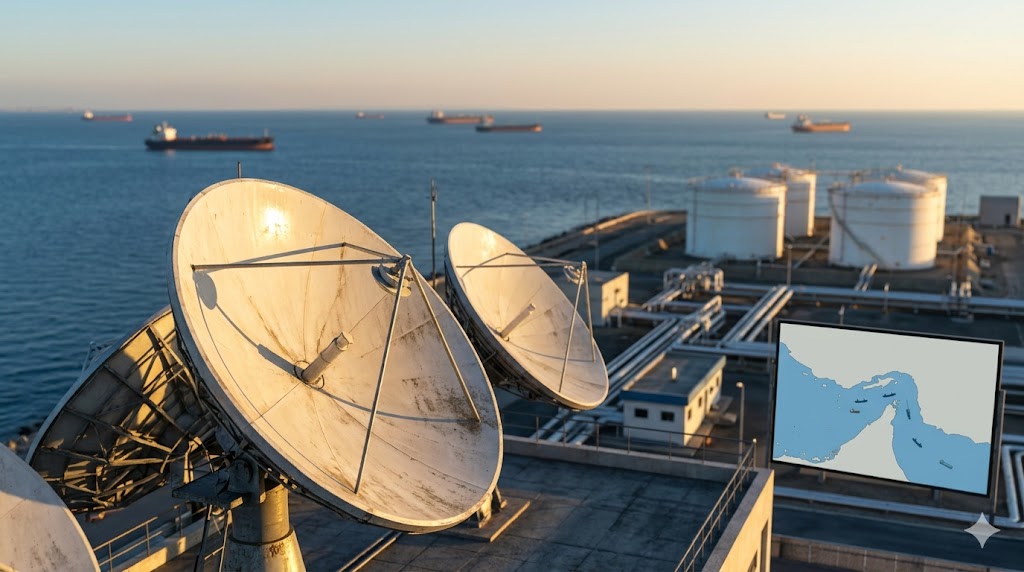
High-level communications focus on safeguarding key maritime chokepoints, critical for national energy security and economic prosperity.
Conclusion: A Testament to Enduring Partnership
The Trump Modi callof April 14, 2026, exemplifies the depth and resilience of India-US ties. In just 40 minutes, the two leaders addressed pressing regional security concerns, advanced bilateral priorities, and projected a united front on the critical issue of keeping the Strait of Hormuz open and secure. Their agreement on this point is not merely diplomatic language—it is a practical contribution to global energy stability and economic well-being.
As the world watches developments in West Asia with cautious optimism, the proactive engagement between Washington and New Delhi offers a model of constructive leadership. The Comprehensive Global Strategic Partnership emerges stronger from such interactions, ready to tackle both immediate challenges and long-term opportunities.
For India and the United States alike, this conversation reaffirms a simple truth: when two of the world’s largest democracies align on shared principles of security, prosperity, and openness, the benefits extend far beyond their borders. The Trump Modi call stands as another chapter in a partnership that continues to evolve, adapt, and deliver results for both nations and the wider international community.
Frequently Asked Questions
What is the primary significance of Trump-Modi 40-Minute Call: Hormuz Openness stressed?
Trump-Modi 40-Minute Call: Hormuz Openness StressedIn a significant display of diplomatic engagement, US President Donald Trump and Indian Prime Minister Narendra Modi held a productive 40-minute phone conversation on April 14, 2026. This Trump Modi call marked their first direct discussion since the recent US-Iran ceasefire and underscored the enduring strength of India-US relations at a time of heightened geopolitical uncertainty in West Asia.
How does this development impact International Affairs?
Both leaders reviewed bilateral progress and, crucially, stressed the importance of keeping the Strait of Hormuz open and secure for global stability.The timing of this Trump Modi call could not have been more relevant. With fragile ceasefires holding in the Middle East and energy markets remaining volatile, the conversation highlighted shared concerns over maritime security and economic interdependence.
What are the key future projections to monitor?
Prime Minister Modi later shared details on X, noting the warm exchange and mutual commitment to deeper cooperation.