International Affairs• April 14, 2026• Global Edition
The ongoing conflict involving the United States, Iran, and Israel has captured global attention, with recent developments signaling a delicate balance between escalation and de-escalation. As of April 14, 2026, the region stands at a critical juncture following a short-lived ceasefire agreement, renewed naval tensions in the Strait of Hormuz, and active diplomatic efforts aimed at preventing a wider war. What began as targeted strikes has evolved into a multifaceted crisis involving energy security, nuclear concerns, and proxy battles in Lebanon. This article examines the current situation in the US-Iran-Israel war, focusing on key flashpoints such as maritime movements through the Strait of Hormuz, mediation by Qatar, high-level talks hosted with involvement from US Secretary of State Marco Rubio, ambassador-level engagements, Iran's nuclear position, IRGC statements, Israel's operations in Lebanon, and even a notable social media development involving President Trump. These elements paint a complex picture of a conflict that could either stabilize or spiral further in the coming weeks.
Background to the Escalation
The roots of the current US-Iran-Israel war trace back to longstanding tensions exacerbated by Iran's nuclear program, regional proxy activities, and direct confrontations. By early 2026, exchanges between Israeli forces and Iranian-backed groups, combined with US support for Israel, had intensified into open hostilities. The United States, under President Donald Trump, pursued a strategy of maximum pressure, including threats of naval blockades to curb Iran's oil exports and influence. Israel, meanwhile, conducted operations against Hezbollah in Lebanon to neutralize perceived threats. Iran responded with missile strikes and threats to disrupt global shipping lanes.
A pivotal moment came in early April when mediators pushed for a structured pause in fighting. Initial proposals included a 45-day ceasefire framework designed to allow negotiations for a permanent resolution. While Iran initially rejected aspects of the two-phased plan, a temporary two-week ceasefire was announced around April 8, with Iran agreeing to reopen key waterways in exchange for halted US and Israeli strikes. However, the agreement remains fragile, as evidenced by continued military posturing and diplomatic maneuvering.
This backdrop sets the stage for understanding today's developments, where military actions intersect with urgent calls for dialogue.
At the heart of the current situation in the Iran war is the ceasefire deal struck between the US and Iran, which Israel has partially observed but not fully endorsed in all theaters. The agreement halted direct attacks for an initial period, with both sides claiming partial victories—Washington asserting its objectives were met, and Tehran emphasizing the reopening of maritime routes. Yet, the clock is ticking. Mediators had floated a broader 45-day window earlier in April to facilitate deeper talks, and analysts note that failure to build on the current pause could lead to renewed fire before any extended deadline lapses.
Iran has signaled openness to further de-escalation but insists on conditions that protect its sovereignty. Reports indicate high stakes, with expectations that the war must see meaningful progress toward cessation within tight timelines to avoid broader economic fallout, including oil price spikes. The involvement of multiple stakeholders underscores the urgency: without swift advancements, the fragile truce risks collapsing under the weight of unresolved grievances.
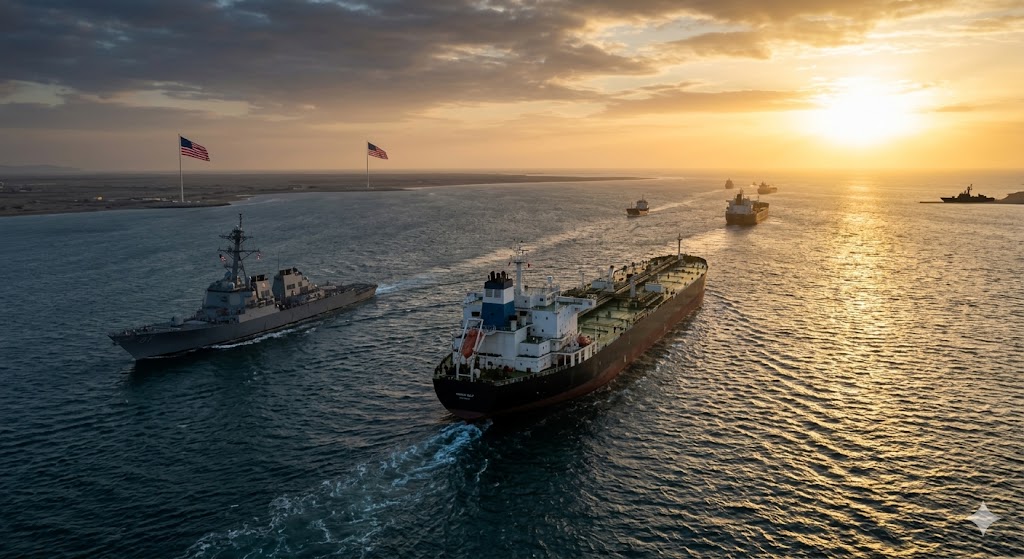
A dynamic, high-altitude perspective photograph captured during golden hour, showing an oil tanker (generic Persian Gulf registry) successfully transiting the Strait of Hormuz chokepoint. Parallel to it, a generic US Arleigh Burke-class destroyer observes the movement, symbolizing the limits of unilateral blockade enforcement amid the complex US-Iran maritime standoff
Strait of Hormuz Developments: Ships Passing Amid US Blockade
One of the most watched aspects of the US-Iran war update revolves around the Strait of Hormuz, a vital chokepoint for global energy supplies. The US military initiated a blockade of Iranian ports and coastal areas earlier this week, aiming to restrict maritime traffic linked to Tehran. President Trump had vowed strong enforcement, warning of consequences for vessels approaching the zone.
Despite these measures, vessels have continued to transit the strait. Recent reports highlight multiple ships successfully passing through, including some connected to international trade routes that serve major buyers like China. This development has tested the blockade's effectiveness, with US-sanctioned or Iranian-linked traffic navigating without immediate confrontation in several instances. Trump himself referenced a high volume of passages in recent statements, underscoring the operational challenges in fully sealing the waterway.
China has publicly criticized the blockade as "dangerous" and contrary to international interests, particularly given its reliance on Iranian oil shipments. The passage of these ships—amid the US efforts—highlights the limits of unilateral naval actions in such a strategically narrow corridor. It also raises questions about enforcement "without any tool" beyond presence, as some traffic has proceeded despite the heightened US naval deployment of over a dozen warships. This situation not only affects energy markets but also draws in global powers, amplifying the stakes in the broader Iran US war.
China's Role and Warnings to Involved Parties
Beijing's response has been measured yet firm. Chinese officials have urged restraint, emphasizing that disruptions in the Strait of Hormuz threaten global stability. With Iran as a key oil supplier to China, any sustained blockade poses economic risks. Reports suggest ongoing coordination, including diplomatic channels warning against further escalation. This external pressure adds another layer to the US-Iran-Israel war dynamics, as Washington navigates alliances while managing potential fallout with its economic rival.
Qatar's Mediation in the Peace Process
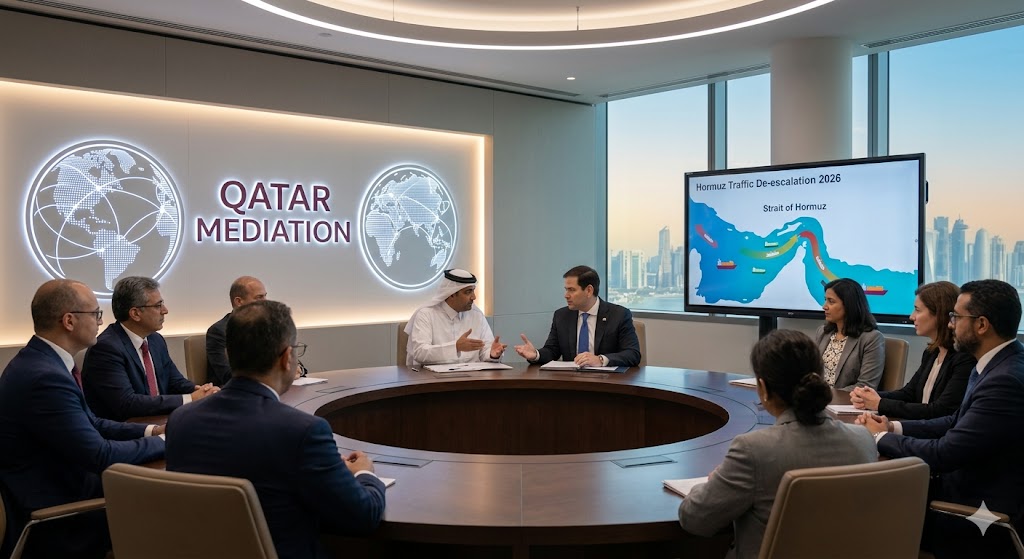
Qatar has emerged as a pivotal player in efforts to broker peace in the Iran conflict. The Gulf state welcomed the recent ceasefire announcement, describing it as an "initial step towards de-escalation." Doha has leveraged its diplomatic ties to facilitate indirect communications between Washington and Tehran, building on its history of hosting talks. Qatar's involvement has been instrumental in keeping channels open, particularly after marathon sessions in Islamabad faltered. By stressing the need for urgent follow-through to prevent regional spillover, Qatar continues to push for a comprehensive deal that addresses not just immediate hostilities but underlying issues like sanctions and security guarantees.
Diplomatic Efforts: Marco Rubio and Upcoming Peace Talks
US Secretary of State Marco Rubio has taken a central role in the diplomatic push. Rubio has been actively engaged in outlining the US position to allies and signaling openness to negotiations. In recent remarks, he has highlighted messages exchanged with Iranian representatives and the potential for direct engagements. Crucially, Rubio is set to participate in rare direct talks between Israeli and Lebanese officials scheduled in Washington, marking a significant step in broader de-escalation efforts.
These talks, involving ambassadors from Israel and Lebanon, represent a breakthrough in communication between nations without formal diplomatic relations. The focus is on finding a path forward in the Lebanon theater, with Rubio's presence underscoring US commitment to multilateral solutions. Italy has also played a supporting role, with its foreign minister engaging Lebanese leaders and advocating for ceasefires, though this has drawn protests from Israel over critical statements on attacks in Lebanon. The convergence of these ambassador-level discussions signals growing momentum for dialogue amid the war.
Iran's Position on Nuclear Uranium Enrichment
Nuclear concerns remain a core issue in the US-Iran negotiations. During recent talks, the US proposed a significant suspension of Iran's uranium enrichment activities, with some reports citing a potential 20-year moratorium as a key demand. Iran has indicated willingness to discuss limitations as part of a larger package but has stopped short of indefinite commitments. Officials in Tehran emphasize that any pauses would need to be time-bound and reciprocal, aligning with broader calls for the war to wind down within defined periods like the previously discussed 45-day framework. This stance reflects Iran's strategy of using its nuclear program as leverage while signaling readiness for de-escalation under the right conditions.
IRGC Warnings Regarding Nuclear and Regional Rights
The Islamic Revolutionary Guard Corps (IRGC) has issued stern warnings amid the tensions. Beyond Hormuz-specific alerts, the IRGC has reiterated Iran's determination to defend its nuclear rights and regional interests. These statements serve as both a deterrent and a message to domestic and international audiences that Tehran will not concede core capabilities without substantial concessions. The IRGC's posture adds to the complexity, as military hardliners influence Tehran's negotiating red lines in the ongoing Iran war.
Israel-Lebanon Front: Strikes Continue as Talks Proceed
While the US-Iran ceasefire has provided some breathing room, Israel has maintained and even intensified strikes against Hezbollah targets in Lebanon. The Israeli military reports hitting numerous sites, citing ongoing threats. This has complicated the broader peace picture, with Lebanese officials expressing hope that ambassador-level talks could lead to a lasting halt in operations. Israel has signaled no immediate plans to cease activities entirely, viewing them as separate from the Iran truce. However, the upcoming Washington discussions offer a potential avenue for alignment, especially with international calls for restraint growing louder.
Trump's Social Media Move: Deleting the Controversial Post
In a notable side development, President Trump deleted a Truth Social post that had drawn widespread criticism. The post, which included an AI-generated image depicting him in a Christ-like manner, followed remarks criticizing Pope Leo XIV over the latter's stance on the Iran conflict and related issues. Trump later explained the image as intended to show him "as a doctor" helping people, but the backlash from Christian groups and others prompted its quick removal. This episode, while tangential to the battlefield, reflects the personal and domestic dimensions influencing the administration's handling of the US-Iran war.
Outlook: High Stakes Before Key Deadlines
As the situation stands, conditions remain high for progress before any extended timelines—such as those echoing the earlier 45-day proposals—expire. Iran has expressed readiness to engage on nuclear matters and maritime access, but insists on reciprocity. The US, Israel, and mediators like Qatar are working to bridge gaps, with Marco Rubio's direct involvement in ambassador talks offering a promising track. Success hinges on whether the Hormuz passages can remain incident-free, Lebanon strikes can be curtailed through dialogue, and nuclear suspensions can be negotiated without derailing the process.
Challenges persist: IRGC vigilance, Israel's security priorities in Lebanon, and global reactions from China could all influence outcomes. Yet, the very fact of ships transiting the strait, diplomats convening, and ceasefire talks continuing suggests pathways to resolution exist—if all parties seize them.
A scientific landscape photograph captured inside a modern conference facility in Doha. Under a glowing, generic 'QATAR MEDIATION' graphic, US Secretary of State Marco Rubio and a generic senior Qatari diplomat engage in detailed dialogue. A flat-screen monitor subtly displays graphic representations of Strait of Hormuz de-escalation, embodying the active, multi-channel diplomatic efforts amid the war in April 2026.
Conclusion
The current situation in the Iran-Israel-US war is one of cautious optimism tempered by real risks. From vessels successfully navigating the Strait of Hormuz despite blockade attempts, to Qatar's steadfast mediation, Marco Rubio-led diplomatic initiatives, ambassador engagements involving Lebanon and Italy, Iran's measured nuclear signals, IRGC assertions, ongoing but talk-accompanied strikes in Lebanon, and even President Trump's social media adjustments—the pieces of this puzzle are shifting rapidly. As the world watches, the coming days will determine whether the momentum toward peace solidifies or gives way to renewed confrontation. Stakeholders on all sides must prioritize dialogue to safeguard regional stability and global energy security in this pivotal moment for the Middle East.
Frequently Asked Questions
What is the primary significance of Iran-US-Israel War: Ceasefire, Hormuz Blockade & Diplomacy.?
The ongoing conflict involving the United States, Iran, and Israel has captured global attention, with recent developments signaling a delicate balance between escalation and de-escalation. As of April 14, 2026, the region stands at a critical juncture following a short-lived ceasefire agreement, renewed naval tensions in the Strait of Hormuz, and active diplomatic efforts aimed at preventing a wider war.
How does this development impact International Affairs?
What began as targeted strikes has evolved into a multifaceted crisis involving energy security, nuclear concerns, and proxy battles in Lebanon. This article examines the current situation in the US-Iran-Israel war, focusing on key flashpoints such as maritime movements through the Strait of Hormuz, mediation by Qatar, high-level talks hosted with involvement from US Secretary of State Marco Rubio, ambassador-level engagements, Iran's nuclear position, IRGC statements, Israel's operations in Lebanon, and even a notable social media development involving President Trump.
What are the key future projections to monitor?
These elements paint a complex picture of a conflict that could either stabilize or spiral further in the coming weeks.Background to the EscalationThe roots of the current US-Iran-Israel war trace back to longstanding tensions exacerbated by Iran's nuclear program, regional proxy activities, and direct confrontations.