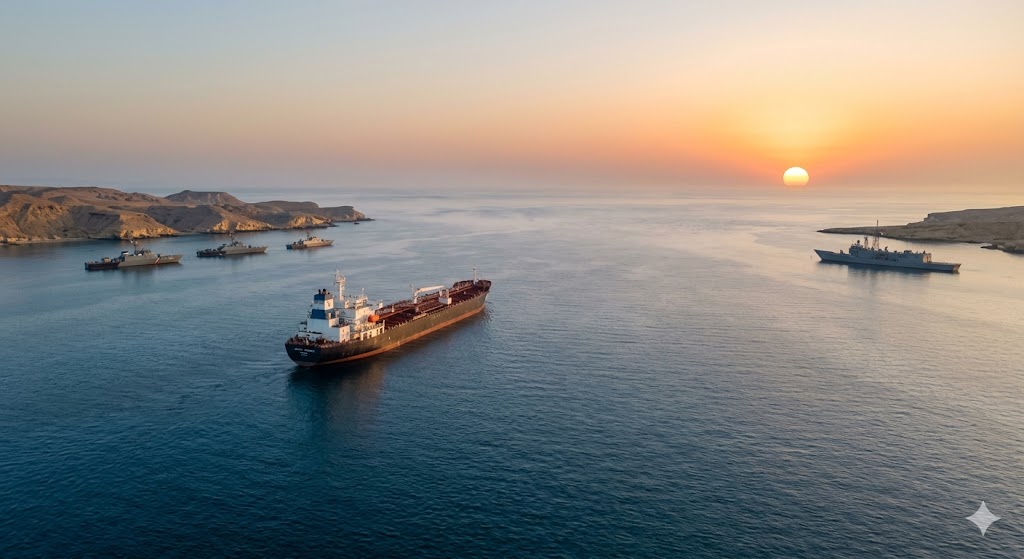
In a dramatic turn that has eased tensions across the Middle East, the United States and Iran announced a two-week ceasefire late on April 7, 2026. The agreement, brokered with crucial mediation from Pakistan, comes after weeks of escalating conflict and follows direct communications between US President Donald Trump and Iranian leadership.
Yesterday’s breakthrough addresses immediate concerns over military strikes and vital shipping lanes. Both sides have committed to halting attacks while Iran agrees to reopen the Strait of Hormuz for safe passage. High-level talks are now scheduled for Friday in Islamabad, raising hopes that this temporary US-Iran ceasefire could pave the way for longer-term stability.
Background to the US-Iran Ceasefire
The path to this US-Iran ceasefire has been anything but straightforward. Since early 2026, the region has faced intense hostilities involving US and Israeli operations against Iranian targets. President Trump had issued repeated deadlines, warning of severe consequences if Iran failed to reopen the Strait of Hormuz—a critical chokepoint for global oil supplies.
Iran, for its part, maintained a firm stance, insisting on the cessation of attacks before any concessions. Multiple rounds of indirect negotiations, including a proposed 45-day truce that Tehran ultimately rejected, highlighted the deep divisions. Yet diplomatic channels never fully closed. Pakistan emerged as a key intermediary, with Prime Minister Shehbaz Sharif and Field Marshal Asim Munir playing instrumental roles in last-minute shuttle diplomacy.
By April 7, the situation reached a critical juncture. Trump’s self-imposed deadline loomed, and the world watched anxiously as oil prices fluctuated wildly in response to the uncertainty surrounding the US-Iran ceasefire.
Yesterday’s Breakthrough: What Was Agreed
According to statements released late Tuesday, President Trump confirmed the US-Iran ceasefire via his Truth Social platform. He emphasized that the deal was conditional on Iran’s agreement to the “complete, immediate, and safe opening” of the Strait of Hormuz. In exchange, the United States pledged to suspend all bombing and attacks on Iranian targets for two weeks.
Iranian Foreign Minister Abbas Araghchi responded swiftly, confirming Tehran’s acceptance on behalf of the Supreme National Security Council. “If attacks against Iran are halted,” Araghchi stated, “our powerful armed forces will cease their defensive operations.” During this period, safe passage through the Strait of Hormuz will be coordinated directly with Iranian armed forces, addressing technical and security considerations.
This mutual de-escalation marks the first formal pause in direct US-Iran hostilities since the conflict intensified. Neither side has described the arrangement as a full end to the war—rather, it is explicitly framed as a two-week window to allow breathing room for substantive negotiations.
Key Conditions of the Two-Week Ceasefire
The US-Iran ceasefire includes several carefully negotiated conditions:
Halt to US and Allied Attacks: The United States will pause all offensive operations against Iran for the full two-week period.
Reopening of the Strait of Hormuz: Iran has committed to facilitating safe maritime traffic, with coordination mechanisms in place to ensure security. This move is expected to stabilize global energy markets immediately.
No New Military Escalation: Both parties have agreed to refrain from fresh strikes or provocative actions during the ceasefire window.
Preparation for Islamabad Talks: Delegations from both nations will convene in Pakistan on Friday to discuss a potential longer-term framework.
These terms reflect a pragmatic compromise. Analysts note that the temporary nature of the US-Iran ceasefire allows each side to claim domestic victories—Trump demonstrating strength through negotiation, and Iran preserving its defensive posture while reopening the strait under controlled conditions.
The Critical Role of Pakistan in Brokering Peace
Pakistan’s involvement has been pivotal. Prime Minister Shehbaz Sharif personally engaged both leaders, urging a two-week extension of the deadline in exchange for Iran’s goodwill gesture on the Strait of Hormuz. Pakistani officials described the mediation as a “brotherly request” aimed at preventing further regional devastation.
The choice of Islamabad as the venue for Friday’s talks underscores Pakistan’s neutral yet influential position. Sources close to the negotiations credit Field Marshal Asim Munir’s direct communications with both Washington and Tehran for bridging last-minute gaps. This successful facilitation adds a new chapter to Pakistan’s diplomatic profile in the US-Iran ceasefire process.
opening of Strait of Hormuz
What to Expect from Friday’s High-Level Talks
Friday’s meeting in Islamabad represents more than a procedural step—it is the first face-to-face opportunity for US and Iranian representatives since the current round of hostilities began. Topics expected on the agenda include:
Extension or permanence of the ceasefire
Lifting of select sanctions
Regional security guarantees, including de-escalation with Israel
Protocols for long-term management of the Strait of Hormuz
Humanitarian and reconstruction considerations
Iran has already signaled openness to building on its earlier 10-point proposal, while US officials have described the framework as a “significant step” worthy of detailed discussion. The coming days will test whether the two-week US-Iran ceasefire can evolve into a durable peace agreement.
International Reactions and Regional Impact
The announcement of the US-Iran ceasefire has been met with cautious optimism worldwide. Celebrations erupted in Baghdad as Iraqis welcomed the pause in hostilities that had threatened to spill further across borders. Oil prices tumbled in early trading on April 8, reflecting relief over the reopening of the Strait of Hormuz.
European leaders have called for all parties to use the two-week window constructively. China, which had quietly supported mediation efforts, welcomed the development as a step toward stability. Within the Middle East, reactions vary—some Gulf states view the ceasefire as a pragmatic necessity, while others remain wary of Iran’s long-term intentions.
Experts remain divided on whether this represents genuine progress or merely a tactical pause. Dr. Fareed Zakaria, commenting on CNN, noted that “nobody’s objectives have been fully achieved,” underscoring the fragile nature of the current US-Iran ceasefire.
Economic and Strategic Implications
The Strait of Hormuz handles approximately 20% of global oil trade. Its closure had already driven up energy costs and raised fears of broader supply disruptions. With Iran now committed to safe passage under the ceasefire terms, markets are expected to stabilize rapidly.
For the United States, the two-week pause allows time to reassess military posture without immediate escalation. For Iran, the breathing room provides an opportunity to address domestic concerns while maintaining strategic leverage in future talks.
Longer-term, a successful outcome from Friday’s negotiations could reshape alliances across the region and influence global energy security for years to come.
Path Forward: Temporary Relief or Lasting Peace?
As the two-week US-Iran ceasefire takes effect, the central question remains: will this temporary measure lead to a comprehensive resolution? President Trump has repeatedly signaled willingness to negotiate from strength, while Iranian officials continue to emphasize the need for a permanent end to hostilities and sanctions relief.
The involvement of multiple stakeholders—including Pakistan, Oman (which shares territorial waters in the strait), and potentially other regional powers—adds layers of complexity but also broadens the chances for a sustainable deal.
Diplomats on both sides stress that communication channels remain open. The coming Friday talks will be closely watched not only in Washington and Tehran but by capitals around the globe.
Conclusion: A Moment of Hope in a Volatile Region
Yesterday’s agreement on the US-Iran ceasefire marks a significant de-escalation after weeks of brinkmanship. By committing to halt attacks, reopen the Strait of Hormuz, and convene in Islamabad this Friday, both nations have demonstrated that dialogue remains possible even amid deep-seated differences.
Whether this two-week pause becomes the foundation for enduring peace or simply a brief interlude will depend on the seriousness and flexibility shown in the days ahead. For now, the world breathes a collective sigh of relief as the immediate threat of wider conflict recedes.
The coming negotiations will determine if this US-Iran ceasefire represents the beginning of the end of one of the region’s most dangerous recent confrontations.
Frequently Asked Questions
What is the primary significance of US-Iran Ceasefire Deal: 2-Week Pause and Friday Talks?
US and Iran Reach Historic Two-Week Ceasefire Agreement In a dramatic turn that has eased tensions across the Middle East, the United States and Iran announced a two-week ceasefire late on April 7, 2026. The agreement, brokered with crucial mediation from Pakistan, comes after weeks of escalating conflict and follows direct communications between US President Donald Trump and Iranian leadership. Yesterday’s breakthrough addresses immediate concerns over military strikes and vital shipping lanes.
How does this development impact International Affairs?
Both sides have committed to halting attacks while Iran agrees to reopen the Strait of Hormuz for safe passage. High-level talks are now scheduled for Friday in Islamabad, raising hopes that this temporary US-Iran ceasefire could pave the way for longer-term stability. Background to the US-Iran Ceasefire The path to this US-Iran ceasefire has been anything but straightforward.
What are the key future projections to monitor?
Since early 2026, the region has faced intense hostilities involving US and Israeli operations against Iranian targets.