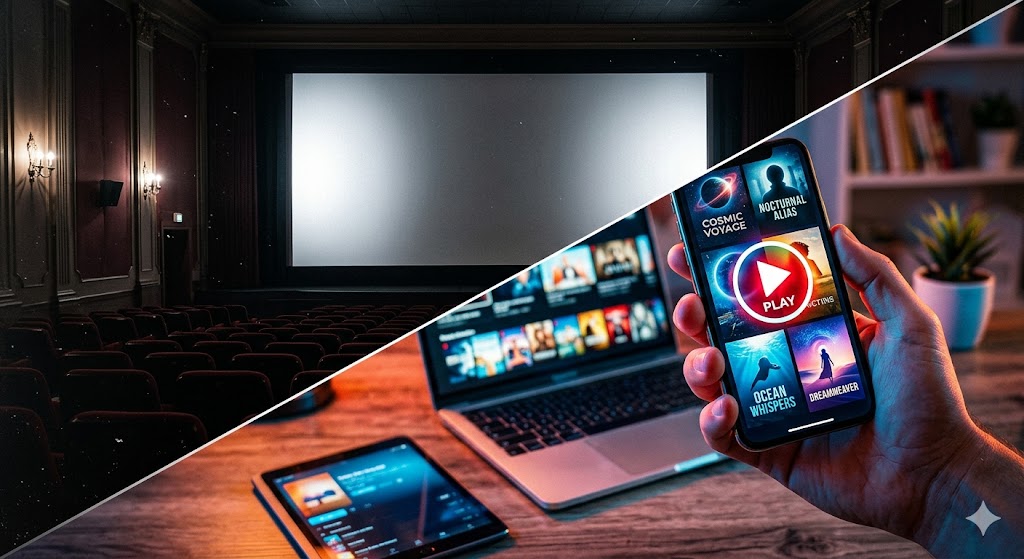
In an era where entertainment is just a tap away, Netflix and other OTT platforms have fundamentally altered how audiences consume movies, series, and original content. What began as a convenient alternative to cable television has evolved into a cultural powerhouse, challenging the very foundations of traditional mass media. From the comfort of living rooms to smartphones on the go, these streaming services have not only expanded access but also redefined viewing habits, content creation, and industry economics. This shift gained unprecedented momentum during the COVID-19 pandemic, when lockdowns forced global audiences indoors and accelerated the adoption of digital entertainment. Today, as Netflix boasts over 325 million subscribers worldwide and platforms like Amazon Prime Video and Disney+ Hotstar dominate regional markets, the question is no longer whether OTT platforms are here to stay—but how profoundly they are reshaping film culture, displacing cinema halls, and influencing everything from storytelling to star-driven deals.
This article examines the multifaceted transformation driven by Netflix and OTT platforms. We explore their rise, the pandemic's catalytic role, the erosion of legacy television and theatrical releases, the addictive appeal that turns viewers into self-proclaimed "Netflix-holics," and the aggressive content acquisition strategies that bypass traditional release windows. We also delve into the pivotal role of web series, the infusion of Hollywood culture into global streaming, and the broader implications for mass media and cinema culture. Through this lens, it becomes clear that OTT platforms are not merely supplementing old media—they are actively replacing and reimagining it for a digital-first world.
The Emergence of Netflix and OTT Platforms
Netflix pioneered the streaming revolution in the early 2010s, transitioning from a DVD rental service to a subscription-based on-demand giant. By offering unlimited access to a vast library of movies, TV shows, and eventually original programming, it disrupted linear broadcasting models that relied on scheduled programming and advertisements. OTT platforms—short for Over-The-Top—deliver content directly via the internet, bypassing traditional cable or satellite providers. This model democratized entertainment, making high-quality productions available anytime, anywhere, on any device.
Globally, Netflix and competitors like Amazon Prime Video, Hulu, and Disney+ expanded rapidly by investing billions in original content. In India, platforms such as Disney+ Hotstar, JioCinema, and Netflix tailored offerings to local tastes with regional-language series and Bollywood films. The result? A surge in personalized viewing experiences powered by algorithms that recommend content based on user preferences. Unlike traditional TV channels, which dictated what and when to watch, OTT platforms empowered audiences with choice and control. This flexibility appealed to busy professionals, students, and families alike, setting the stage for a cultural shift away from communal broadcast viewing toward individualized consumption.
Early adopters praised the absence of commercials, the ability to binge-watch entire seasons, and the global reach that introduced international hits to new markets. As internet penetration grew and data costs fell, especially in emerging economies, OTT platforms became mainstream. By the mid-2010s, they were already chipping away at traditional media's dominance, but the real explosion was yet to come.
COVID-19: The Turning Point for OTT Adoption
The COVID-19 pandemic acted as an unprecedented accelerator for Netflix and OTT platforms. With theaters shuttered, live events canceled, and people confined to their homes, streaming services became the primary source of escapism and connection. Netflix reported record subscriber growth in 2020, adding over 15 million users in the first quarter alone and another 10 million in the second—figures that dwarfed pre-pandemic gains. Similar spikes occurred across the industry as viewing time on streaming platforms more than doubled in some regions.
Lockdowns highlighted the limitations of traditional media. Cable TV offered limited new content amid production halts, while cinema halls remained inaccessible for months. In contrast, OTT platforms pivoted quickly, releasing original series and acquiring films that would have otherwise waited for theatrical runs. In India and other markets, many Bollywood productions opted for direct-to-OTT releases to recoup costs, further normalizing home viewing. Post-pandemic, this habit persisted. Surveys showed that even as restrictions eased, younger demographics—particularly those aged 18-34—preferred streaming over theatrical experiences by a wide margin, with convenience and cost cited as key drivers.
The pandemic not only boosted subscriber numbers but also elevated production quality and investment. Netflix and peers ramped up content budgets, recognizing that sustained growth depended on fresh, diverse offerings. By 2025, global paid subscribers for Netflix alone exceeded 325 million, with significant contributions from markets like India, where the platform continues to expand despite fierce local competition. This post-COVID boom solidified OTT platforms as the new default for entertainment, embedding them deeply into daily routines.
Dethroning Traditional Television Channels
Traditional TV channels, once the gatekeepers of mass media, have faced steady decline in the face of OTT competition. Linear programming—with its fixed schedules, reruns, and ad breaks—struggles to compete with on-demand libraries that span thousands of titles. Viewers no longer tolerate waiting for a favorite show or enduring commercials; they expect instant gratification.
OTT platforms excel in personalization and variety. Netflix's recommendation engine, for instance, analyzes viewing patterns to suggest content, creating a tailored experience that broadcast TV cannot match. This has led to cord-cutting trends worldwide, where households drop expensive cable subscriptions in favor of affordable streaming bundles. In many households, traditional channels now serve as background noise or news sources, while entertainment shifts entirely to Netflix and other OTT services.
Moreover, OTT platforms have attracted top talent away from network television. Directors, writers, and actors increasingly produce original series for streaming giants, drawn by creative freedom and global reach. The result is a virtuous cycle: higher-quality content draws more subscribers, which funds even bigger productions. Traditional broadcasters have responded by launching their own streaming arms, but the momentum remains with pure-play OTT players like Netflix, which prioritize innovation over legacy infrastructure.
Experience the OTT Era: Modern Home Entertainment at Your Fingertips.
Cinema Halls Under Threat: The Shift from Big Screen to Small Screens
Cinema halls, long synonymous with blockbuster experiences, have suffered the most visible disruption. The communal thrill of a packed theater—complete with surround sound, giant screens, and shared excitement—remains unmatched for some, yet attendance has dwindled. Post-pandemic data reveals that many urban audiences, especially younger ones, now favor the convenience of home streaming over the logistics and expense of theater visits. Ticket prices, travel, parking, and even the risk of crowded venues deter casual viewers.
OTT platforms offer a compelling alternative: lower costs (a monthly subscription versus per-ticket pricing), no travel, and the ability to pause or rewatch. During and after COVID, films that once relied on theatrical windows migrated to streaming, sometimes simultaneously or shortly after release. This hybrid model eroded the exclusivity of cinema halls. In India, where multiplex culture boomed in the 2000s, footfalls have yet to fully recover, with many releases now prioritizing OTT deals for financial security.
Critics argue this shift diminishes the artistic impact of films designed for the big screen. However, data suggests audiences are adapting, finding satisfaction in high-definition home setups with soundbars and smart TVs. While big-event films like major franchises still draw crowds to theaters, mid-budget and niche movies increasingly find their primary audience on Netflix and OTT platforms. The decline is not total replacement but a rebalancing, where cinema becomes an occasional premium experience rather than the default.
The Netflix and OTT Addiction: Cultivating Habitual Viewers
Terms like "Netflix holic" have entered everyday vocabulary, reflecting how these platforms foster habitual, even addictive, consumption. Binge-watching—enabled by auto-play features and cliffhanger episode structures—encourages viewers to consume entire seasons in one sitting. This behavioral shift stems from psychological hooks: dopamine releases from instant gratification, coupled with algorithmic curation that keeps content flowing seamlessly.
Post-pandemic, what started as a lockdown coping mechanism became entrenched. Families and individuals report spending hours daily on OTT platforms, often preferring them over social outings or traditional hobbies. The affordability—typically a fraction of cable bills or multiple theater tickets—further entrenches loyalty. In India, where smartphone penetration is high, mobile-first viewing has made streaming ubiquitous among Gen Z and millennials.
While this habit formation drives subscriber retention and revenue, it raises questions about screen time and cultural consumption. Nevertheless, for many, the convenience and endless variety outweigh drawbacks, solidifying Netflix and OTT platforms as indispensable parts of modern life.
Strategic Deals: OTT's Preemptive Strike on Content Acquisition
One of the most aggressive tactics employed by Netflix and OTT platforms is securing content through lucrative pre-release deals with directors and producers. Rather than waiting for theatrical performance to determine value, streamers offer upfront payments that guarantee returns and bypass box-office risks. This strategy has intensified in Bollywood and beyond.
A striking recent example involves Ranbir Kapoor's highly anticipated "Ramayana", directed by Nitesh Tiwari. Reports indicate an OTT platform offered a record ₹700 crore for digital rights to both parts of the epic—only for producer Namit Malhotra to reject it in favor of a potential ₹1,000 crore deal post-theatrical run. Such negotiations underscore the platforms' eagerness to lock in premium titles early, often before cinema releases, to bolster their libraries and attract subscribers.
Similar high-stakes deals abound. Films like 'Kalki 2898 AD' secured ₹375 crore across Netflix and Amazon Prime Video, while 'KGF: Chapter 2' fetched ₹320 crore from Prime Video. These transactions allow producers financial stability and platforms exclusive content that drives buzz. By acquiring rights pre- or mid-release, OTT players influence release strategies, sometimes pushing for shorter theatrical windows or direct streaming premieres. This disrupts the traditional model where box-office success determined downstream value, giving filmmakers leverage while challenging cinema's primacy.
Directors benefit from creative autonomy, as streamers often impose fewer restrictions than studios or broadcasters. The result is a content arms race that favors bold, diverse storytelling over formulaic blockbusters.
Challenges Posed to Legacy Media and Cinema Culture
The rise of Netflix and OTT platforms presents formidable challenges to traditional TV channels and cinema halls. Revenue streams have fragmented: advertising dollars shift to targeted digital campaigns, while theatrical ticket sales compete with subscription models. Cinema owners face pressure to innovate with premium formats, IMAX, or experiential events to differentiate from home viewing.
Culturally, the shared experience of cinema—social bonding, collective laughter or gasps—risks dilution in an individualized streaming era. Legacy media must adapt or risk obsolescence, with many networks launching hybrid services to retain relevance. Yet, the speed of OTT innovation often outpaces these responses, leaving traditional players playing catch-up.
Reshaping Film Culture: A New Era of Storytelling
OTT platforms are not just distributing films—they are reshaping how stories are told and consumed. Shorter attention spans and global audiences encourage serialized formats, diverse narratives, and inclusive casting. Filmmakers experiment with genres that might not thrive theatrically, knowing a dedicated streaming audience awaits.
This evolution fosters a more democratic film culture. Independent voices, regional stories, and international co-productions flourish, broadening representation beyond Hollywood's traditional lens.
The Role of Web Series in OTT Dominance
Web series have been instrumental in Netflix and OTT platforms' ascent. Unlike feature films, these episodic formats leverage bingeability, building loyal fanbases over weeks or seasons. Indian hits like Mirzapur, The Family Man, and Netflix originals such as Sacred Games or Paatal Lok captivated audiences with gritty, culturally resonant plots unavailable on mainstream TV.
Globally, phenomena like Squid Game demonstrated web series' power to transcend borders, boosting platform subscriptions overnight. These shows drive retention, spark social media discussions, and justify hefty content investments. By prioritizing web series, OTT platforms create appointment viewing in an on-demand world, further marginalizing traditional TV serials.
The Great Shift: From the Cinematic Screen to the Digital Handheld.
Hollywood Meets Global Streaming: Netflix's Cultural Bridge
Netflix has seamlessly integrated Hollywood culture into its ecosystem while exporting it worldwide. By producing originals like "The Crown" or acquiring blockbusters, the platform exposes global audiences to American storytelling. Conversely, it greenlights international projects that infuse Hollywood production values with local flavors, creating hybrid hits.
This cross-pollination enriches film culture but also sparks debates about cultural homogenization. Nonetheless, Netflix's model amplifies diverse voices, from Bollywood collaborations to Latin American thrillers, fostering a truly global entertainment landscape.
Benefits, Challenges, and the Road Ahead
The benefits of this OTT revolution are evident: greater accessibility, creative freedom, and economic opportunities for content creators. Challenges include content oversaturation, piracy concerns, and potential declines in theatrical artistry. Looking ahead, hybrid models—short theatrical runs followed by streaming—may emerge as the norm, balancing big-screen prestige with digital reach.
Netflix and OTT platforms will likely continue evolving with technologies like VR and interactive content, further embedding themselves in mass media.
Conclusion
Netflix and OTT platforms have irrevocably transformed mass media, supplanting traditional TV channels and cinema halls while cultivating habitual viewers in the process. The COVID-19 pandemic supercharged this shift, but the foundations were laid by innovation, convenience, and bold content strategies. From lucrative deals like those pursued for "Ramayana" to the cultural impact of web series and Hollywood integration, these platforms are not only replacing old models but actively shaping a vibrant, democratized future for entertainment. As audiences embrace this new era, the industry must adapt to ensure that the magic of storytelling endures—whether on the big screen or the small one at home.
Frequently Asked Questions
What is the primary significance of OTT Revolution: Netflix Reshaping Media and Cinema?
OTT Revolution: Netflix Reshaping Media and CinemaIn an era where entertainment is just a tap away, Netflix and other OTT platforms have fundamentally altered how audiences consume movies, series, and original content. What began as a convenient alternative to cable television has evolved into a cultural powerhouse, challenging the very foundations of traditional mass media.
How does this development impact Technology?
From the comfort of living rooms to smartphones on the go, these streaming services have not only expanded access but also redefined viewing habits, content creation, and industry economics. This shift gained unprecedented momentum during the COVID-19 pandemic, when lockdowns forced global audiences indoors and accelerated the adoption of digital entertainment.
What are the key future projections to monitor?
Today, as Netflix boasts over 325 million subscribers worldwide and platforms like Amazon Prime Video and Disney+ Hotstar dominate regional markets, the question is no longer whether OTT platforms are here to stay—but how profoundly they are reshaping film culture, displacing cinema halls, and influencing everything from storytelling to star-driven deals.This article examines the multifaceted transformation driven by Netflix and OTT platforms.