US Iran War Update 2026: Trump Speech & Latest News
International Affairs • April 02, 2026 • Global Edition

As of April 2, 2026, the US-Iran war remains one of the most significant geopolitical events of the year. What began as a surprise joint operation by the United States and Israel on February 28 has now entered its second month. Often referred to in headlines as the 2026 Iran war or Operation Epic Fury, the conflict has seen intense airstrikes, missile barrages, and diplomatic maneuvering.
This comprehensive US Iran war update 2026 brings together the latest developments on the battlefield, President Donald Trump’s recent national address, Israel’s situation under continued pressure, casualty figures, and global reactions. We also examine Trump’s comments on a potential ceasefire, Iran’s firm response, and why strikes continue without pause. For anyone following US Iran war latest news, Israel Iran war updates, or breaking Iran war updates, this article provides a clear, structured overview.
The war’s roots trace back to long-standing tensions over Iran’s nuclear program, regional proxies, and security threats. But the escalation in late February marked a dramatic shift, with targeted strikes that changed the leadership landscape in Tehran and drew in regional allies and critics alike.
Background Leading to the 2026 Iran Conflict
The path to open conflict was years in the making. Failed negotiations in early 2026 over Iran’s nuclear ambitions, combined with Iran’s support for regional militias and domestic unrest, set the stage. On February 28, US and Israeli forces launched nearly 900 strikes in the first 12 hours alone. These operations, dubbed Operation Epic Fury by the US, targeted missile sites, air defenses, naval assets, and key leadership figures.
The assassination of Supreme Leader Ali Khamenei in the initial wave was a turning point. Iran retaliated with waves of ballistic missiles and drones aimed at Israel and US bases across the Middle East. The Strait of Hormuz quickly became a flashpoint, with Iran asserting control and disrupting global oil flows.
This US Iran war update 2026 highlights how quickly the conflict expanded beyond bilateral strikes into a broader regional crisis affecting shipping, energy markets, and international alliances.
Current Military Situation: Latest US Iran War Updates
Five weeks into the fighting, US and Israeli forces report significant degradation of Iranian capabilities. Iran’s navy and air force have suffered heavy losses, with hundreds of missile launchers destroyed and naval vessels sunk. US officials describe Iranian retaliatory capacity as reduced by up to 90 percent in some assessments.
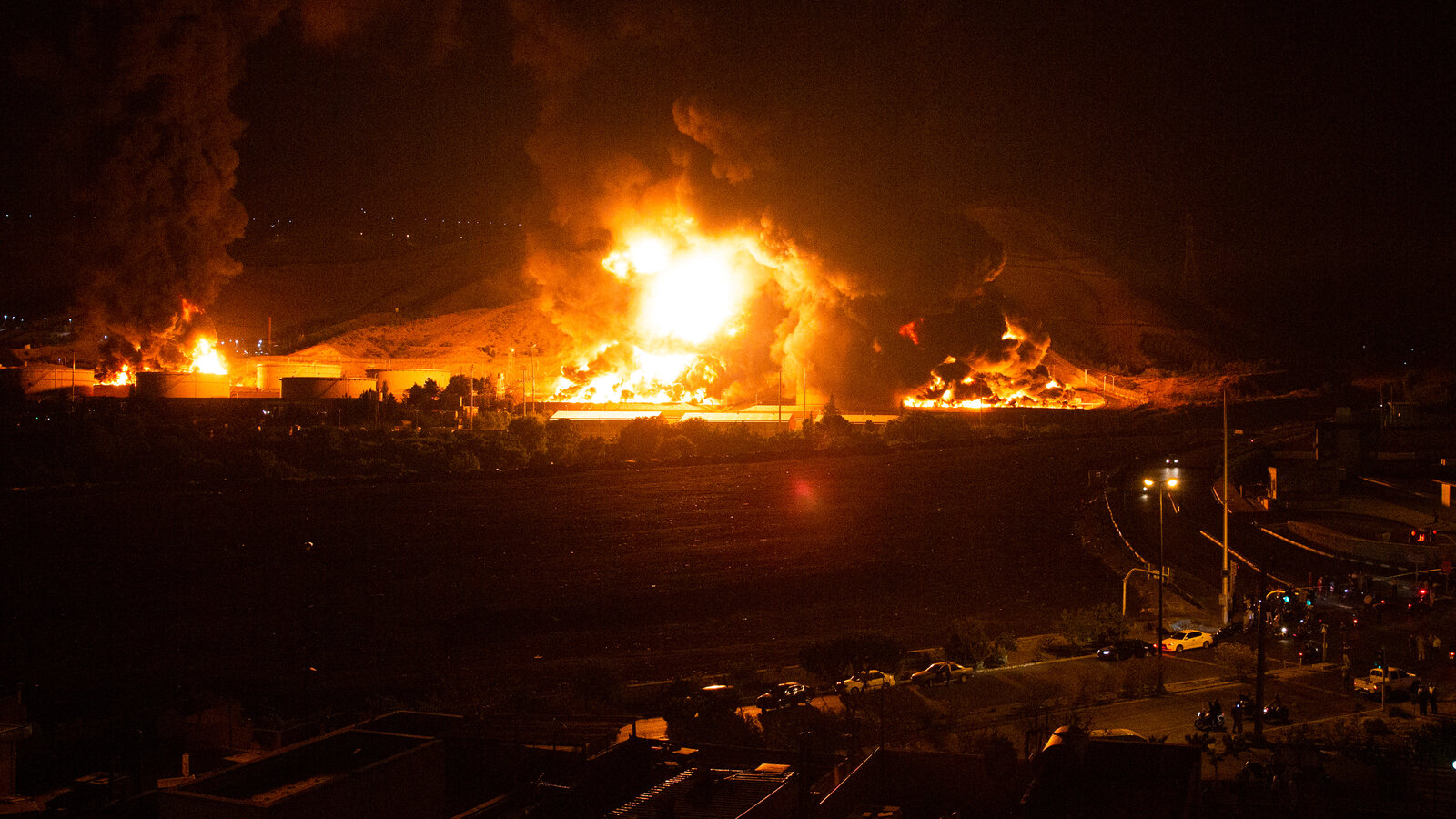
Yet Iran has not stopped. Daily missile barrages—often smaller but persistent—continue targeting Israel and Gulf states. As recently as April 1, central Israel faced one of the largest attacks in weeks, injuring civilians and triggering air raid sirens. US assets in the region have also come under fire, though defensive systems like THAAD and Patriot batteries have intercepted many threats.
Pentagon Iran war updates emphasize that core objectives—neutralizing the nuclear threat, dismantling proxy networks, and ensuring regional stability—are “nearing completion.” However, the campaign continues. Iran war latest updates live show no immediate halt to operations, with fresh strikes reported in Tehran, Isfahan, and other sites.
The Strait of Hormuz crisis adds another layer. Iran’s toll collection in Chinese yuan has complicated global energy markets, driving up oil prices and prompting calls for international intervention.
Trump’s National Address: Ceasefire Signals and Continued Strikes
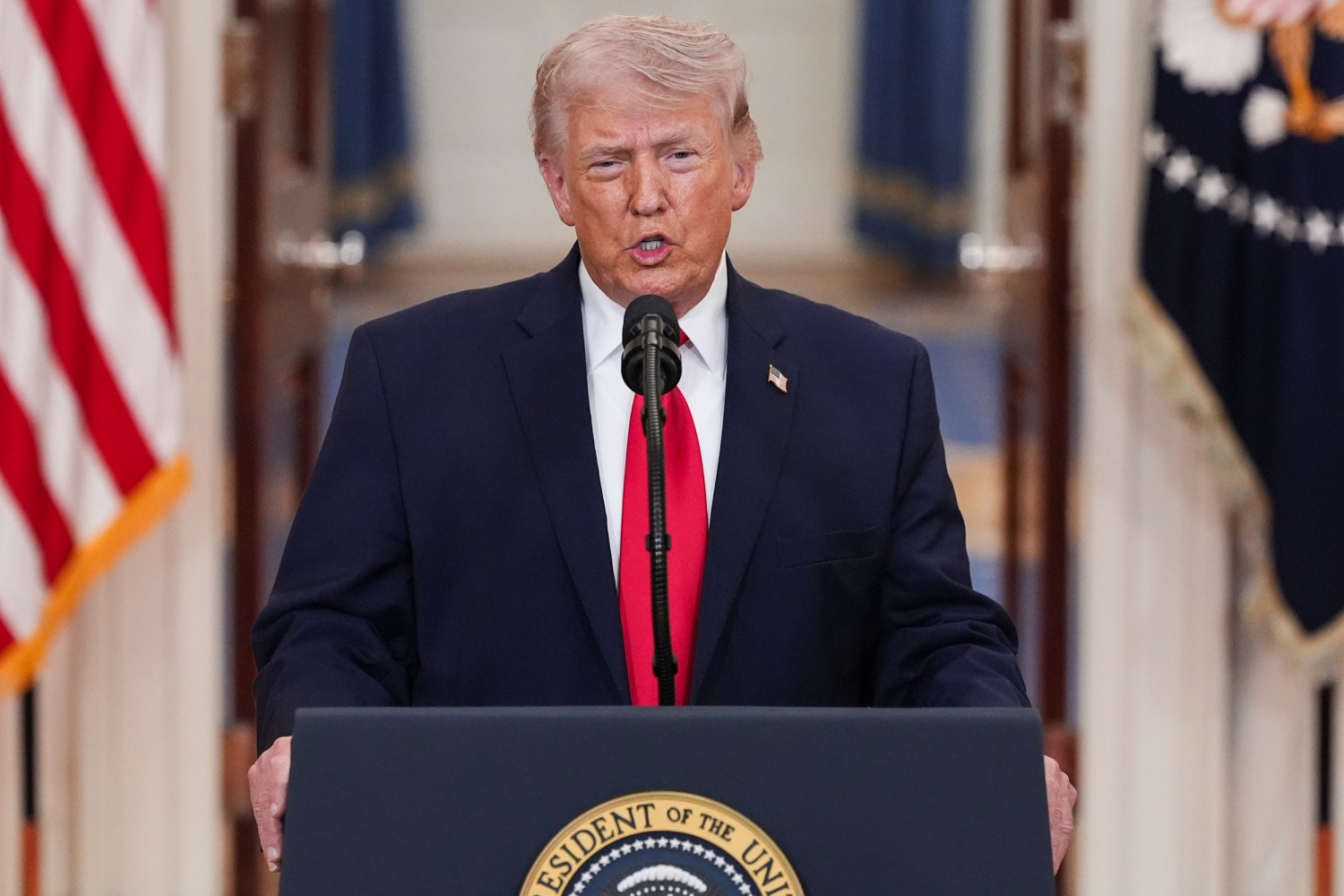
In a primetime address to the nation on April 1, 2026, President Trump provided the most detailed US Iran war update yet from the White House. He stated that “core strategic objectives are nearing completion” and projected that US involvement could wind down in the next two to three weeks.
Trump described Iran’s military as “in ruins” and claimed the country was “no longer a threat” after just 32 days of operations. He compared the speed of success favorably to past US conflicts. Critically, Trump revealed that Iran’s “new regime president” had reportedly asked for a ceasefire. He made clear the US position: any deal would require the Strait of Hormuz to be “open, free, and clear.” Until then, he warned, US forces would “hit them extremely hard” and “
bring them back to the Stone Ages.”
Trump’s perception of the possible ceasefire appears pragmatic rather than optimistic. He framed it as a sign of Iranian weakness while insisting the US would not negotiate from a position of retreat. “You don’t do a ceasefire when you’re obliterating the other side,” he noted in related comments. The speech balanced victory rhetoric with a firm timeline for additional strikes, signaling that while talks may be ongoing through intermediaries like Pakistan, military pressure remains the priority.
This Trump live Iran war update resonated with supporters who see the operation as decisive but raised questions among critics about exit strategy and long-term stability.
Iran’s Response: Denials, Continued Targeting, and No Stop to the War
Iran has flatly rejected Trump’s ceasefire claims. Foreign ministry officials described the assertion as “false and baseless,” with one senior figure reportedly laughing it off in public statements. Tehran insists there are “no negotiations” and no formal ceasefire offer from its side. Instead, Iran maintains its right to self-defense and continues launching missiles at Israeli cities and US-linked targets.
This stance explains why the war persists without stopping. Despite leadership losses—including the election of Mojtaba Khamenei as the new Supreme Leader—Iran’s Islamic Revolutionary Guard Corps (IRGC) has adapted with smaller, more frequent attacks. Iranian officials frame the conflict as resistance against “US-Israeli aggression,” vowing to keep targeting until foreign forces withdraw.
The result is a grinding phase of the conflict: US and Israeli strikes degrade infrastructure, while Iran’s asymmetric responses keep pressure on Israel and Gulf allies. Iran war updates 2026 show no sign of unilateral de-escalation from Tehran.
Israel’s Current Situation Amid the Israel Iran War Update
Israel remains on the front lines. Since the war’s start, the country has faced over 400 waves of Iranian attacks, with thousands of missiles and drones intercepted or impacting urban areas. Casualties include 23 civilians and 11 soldiers killed, with more than 6,200 injured. Recent barrages have hit central Israel, causing damage and forcing widespread sheltering.
The Israel Iran war update 2026 paints a picture of resilience mixed with strain. Schools and public gatherings were canceled early on, and a state of emergency persists. Israeli forces have conducted their own deep strikes into Iran, coordinating closely with US partners. Public support for the operation remains high domestically, though the prolonged alerts have tested civilian morale.
Casualties and Humanitarian Toll: Iran War Casualties Update
The human cost of this US Iran war has been substantial. According to Iranian health authorities and independent monitors, approximately 1,900 to 3,500 people have been killed in Iran, including civilians, with over 24,000 injured. Figures vary by source, but women and children are among the victims. US and Israeli losses are lower: 15 US soldiers killed and around 350 wounded, plus Israeli military and civilian totals noted above.
Regional fallout includes deaths in Lebanon, Iraq, and Gulf states from retaliatory strikes. Displacement affects millions, and cultural heritage sites in Iran and Israel have suffered damage, prompting UNESCO concerns. This Iran war casualties update underscores the conflict’s broad impact beyond military targets.
International Reactions: UK and India in Focus
While the core belligerents are the US, Israel, and Iran, other nations play supporting roles. The United Kingdom has emphasized defensive operations, shooting down Iranian projectiles over allied territories and allowing limited US use of bases like Diego Garcia and RAF Fairford for protective missions. UK Prime Minister Keir Starmer has stressed that Britain is not participating in offensive strikes but is safeguarding regional stability, including protecting British nationals and millions of Indian expatriates in the Gulf.
India, while not directly involved militarily, has voiced concerns over the safety of its large diaspora in the Middle East. New Delhi maintains a neutral diplomatic stance, focusing on energy security and calling for de-escalation. This US Israel UK India dynamic in war updates reflects broader efforts to contain spillover effects.
Protests Against Trump and the War
Domestically in the US, the conflict has fueled widespread protests. The “No Kings” movement, which drew an estimated 8 million participants across thousands of events in late March, prominently featured opposition to the Iran war. Demonstrators carried signs decrying “forever wars” and criticizing Trump’s decision-making. Speakers including Senator Bernie Sanders and Representative Ilhan Omar linked the conflict to broader administration policies.
Protests against Trump on Iran war issues continue in cities nationwide, with participants arguing the US is “on the wrong side of history.” Some Iranian-American groups, however, have rallied in support of the operation, viewing it as liberation from the old regime. Globally, smaller demonstrations have occurred in places like Tokyo and Pakistan.
Economic Impact and Broader Implications
The war has disrupted global oil supplies, spiked fuel prices, and strained economies dependent on Middle East stability. The Strait of Hormuz closure has forced rerouting of tankers, contributing to inflation concerns worldwide.
Outlook: Possible Ceasefire or Prolonged Engagement?
Trump’s two-to-three-week timeline offers hope for de-escalation, but Iran’s denials and continued targeting suggest the path forward is uncertain. Analysts watch for any breakthrough on Hormuz access or nuclear assurances. Until then, US Iran war live updates will track every strike, statement, and protest.
Conclusion: Staying Informed on US Iran War Latest News
The current situation in the US Iran war 2026 remains fluid but shows signs of a potential wind-down if diplomatic conditions are met. From Trump’s ceasefire overtures to Israel’s defense under fire and persistent Iranian resistance, the conflict tests alliances and resolve.
This article serves as your go-to resource for Iran Israel war updates, Pentagon Iran war updates, and more. For the latest breaking Iran war update or Trump on US Iran war developments, continue monitoring credible sources. Peace remains the ultimate goal, but it will require careful navigation of military, diplomatic, and humanitarian realities.
Frequently Asked Questions
What is the primary significance of US Iran War Update 2026: Trump Speech & Latest News?
As of April 2, 2026, the US-Iran war remains one of the most significant geopolitical events of the year. What began as a surprise joint operation by the United States and Israel on February 28 has now entered its second month.
How does this development impact International Affairs?
Often referred to in headlines as the 2026 Iran war or Operation Epic Fury, the conflict has seen intense airstrikes, missile barrages, and diplomatic maneuvering. This comprehensive US Iran war update 2026 brings together the latest developments on the battlefield, President Donald Trump’s recent national address, Israel’s situation under continued pressure, casualty figures, and global reactions. We also examine Trump’s comments on a potential ceasefire, Iran’s firm response, and why strikes continue without pause.
What are the key future projections to monitor?
For anyone following US Iran war latest news, Israel Iran war updates, or breaking Iran war updates, this article provides a clear, structured overview.The war’s roots trace back to long-standing tensions over Iran’s nuclear program, regional proxies, and security threats.